MDF Painting Ideas: Getting a Furniture-Grade Finish (Not Fuzzy Edges)
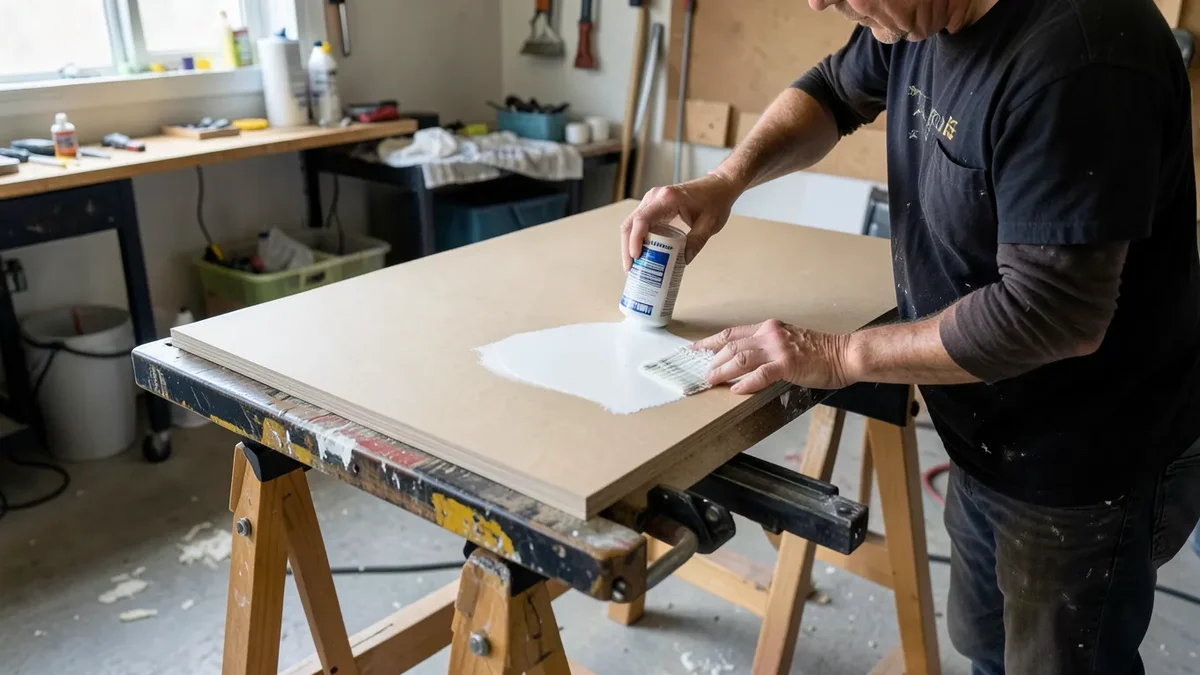
MDF paints beautifully once you understand one thing: its edges and face behave completely differently. The smooth, veneer-like face barely needs sanding, but the raw edges are made of compressed wood fibers that soak up paint like a sponge and will look fuzzy and rough unless you seal them first. Get the edges right and MDF actually outperforms real wood for a smooth, furniture-grade painted finish.
Hey there, fellow DIYers, Md Meraj here. MDF (medium-density fiberboard) is made of wood fibers bonded under heat and pressure, which is exactly why it has no visible grain and takes paint so evenly on its face. Those same loose fibers at a cut edge, though, act like a wick for paint and primer, swelling slightly and leaving a rough, fuzzy texture if you skip sealing them. Almost every “my MDF project looks bad” complaint traces back to that one skipped step.
Preparation Before Painting
SEALS RAW MDF EDGES IN ONE COAT
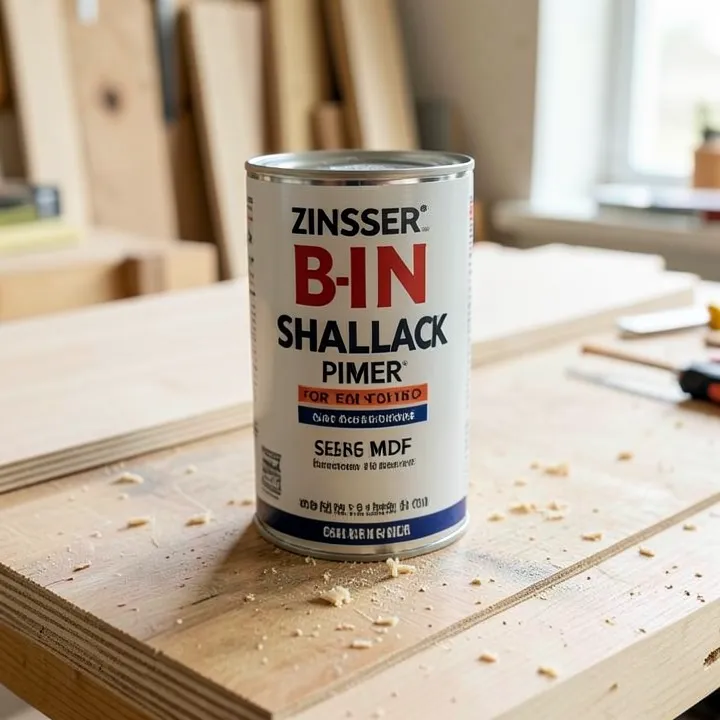 |
Zinsser B-I-N Shellac-Base Primer, 1 Gallon – $17.36 A shellac-based primer that seals MDF’s fibrous cut edges in a single coat, which is the step most fuzzy, uneven MDF paint jobs are missing.
|
- Sand the face lightly with 220-grit to knock down any surface fuzz, then wipe with a tack cloth. MDF’s face rarely needs more than this.
- Seal every cut edge with a thin coat of wood glue diluted slightly with water, or a dedicated edge sealer, and let it dry fully before priming. This single step is what stops edges from soaking up paint unevenly and looking fuzzy.
- Fill screw holes and joints with a wood filler rated for MDF, then sand smooth once cured.
Choosing the Right Paint and Primer
Primer matters more on MDF than on solid wood. A shellac-based primer (like Zinsser B-I-N) seals the fibers completely in one coat and blocks the slight fuzz-raising that water-based primers can cause on raw MDF. Once primed, both latex and oil-based topcoats work well; a satin or semi-gloss finish holds up to handling better than flat paint on furniture or cabinet-style MDF projects.
Creative Painting Techniques for MDF
- Two-tone cabinets or shelving: MDF’s smooth face is ideal for a crisp painter’s-tape line between two colors, since there’s no grain texture to cause bleed-through.
- Stenciled or hand-painted designs: the flat, uniform surface takes fine detail work more cleanly than a grainy solid wood surface would.
- Faux wood-grain finishing: a graining tool over wet glaze can mimic real wood grain on MDF, a popular trick for budget furniture builds that still want a wood-look finish.
Project Ideas Worth Trying
- Painted MDF shelving or floating shelves in a bold accent color
- A two-tone kitchen or bathroom cabinet refresh
- Wall art panels cut from MDF and hand-painted
- Kids’ room furniture in bright, washable enamel
Finishing Touches
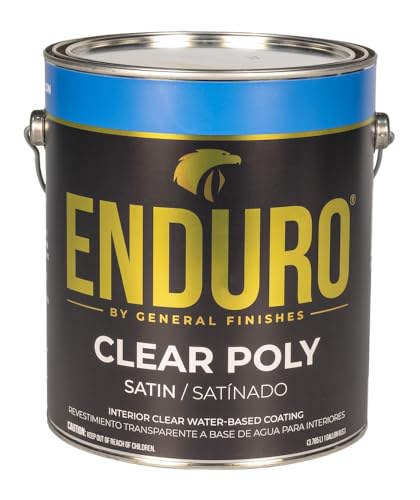
A light scuff-sand with 320-grit between coats and a final clear topcoat (water-based polyurethane for durability, or a matte sealer for a flatter look) protects the paint job and makes it easier to wipe clean later. On pieces that get handled a lot, like a cabinet door, that extra clear coat noticeably extends how long the paint job looks new.
Maintenance and Care
Wipe painted MDF with a barely damp cloth, not a wet one; MDF still swells if water sits on an exposed or chipped edge long enough to get past the paint seal. Touch up chips promptly, since an exposed, unsealed edge is exactly the fuzzy-fiber problem you sealed against in the first place.
Frequently Asked Questions
What kind of paint do you use on MDF?
Both latex and oil-based paints work well over a proper primer. A satin or semi-gloss sheen holds up better than flat paint on furniture and cabinets.
Can I paint directly on MDF board?
You can on the smooth face, but skipping primer, especially on cut edges, usually leads to a fuzzy, uneven finish since raw MDF fibers absorb paint unevenly.
Do I need to prime MDF before painting?
Yes, always, especially on cut edges. A shellac-based primer seals the fibers in one coat and prevents the fuzzy texture raw MDF gets when paint soaks in unevenly.
Sponsored / affiliate links. As an Amazon Associate I earn from qualifying purchases. I may earn additional commission from eligible campaigns.