White Oak Flooring for Living Rooms: Janka, Cost & Design
White oak rates 1,360 on the Janka hardness scale, harder than red oak’s 1,290 but softer than hickory’s 1,820 — plenty durable for a living room unless you have large dogs or heavy rolling furniture with no protective pads. Choosing the wrong grade or finish, though, can mean a floor that scratches faster than expected or ambers under sunlight within a year. This guide compares solid, engineered, and red oak options, explains natural versus character grade, and covers real cost ranges and design pairings.
Quick Answer
White oak works well in a living room because its 1,360 Janka rating handles daily foot traffic and its neutral, tan-brown grain pairs with almost any wall color or furniture style — but it’s not scratch-proof, and unprotected furniture legs or unfiltered south-facing sunlight will show wear and amber tone shift over a few years.
Is White Oak a Good Choice for a Living Room?
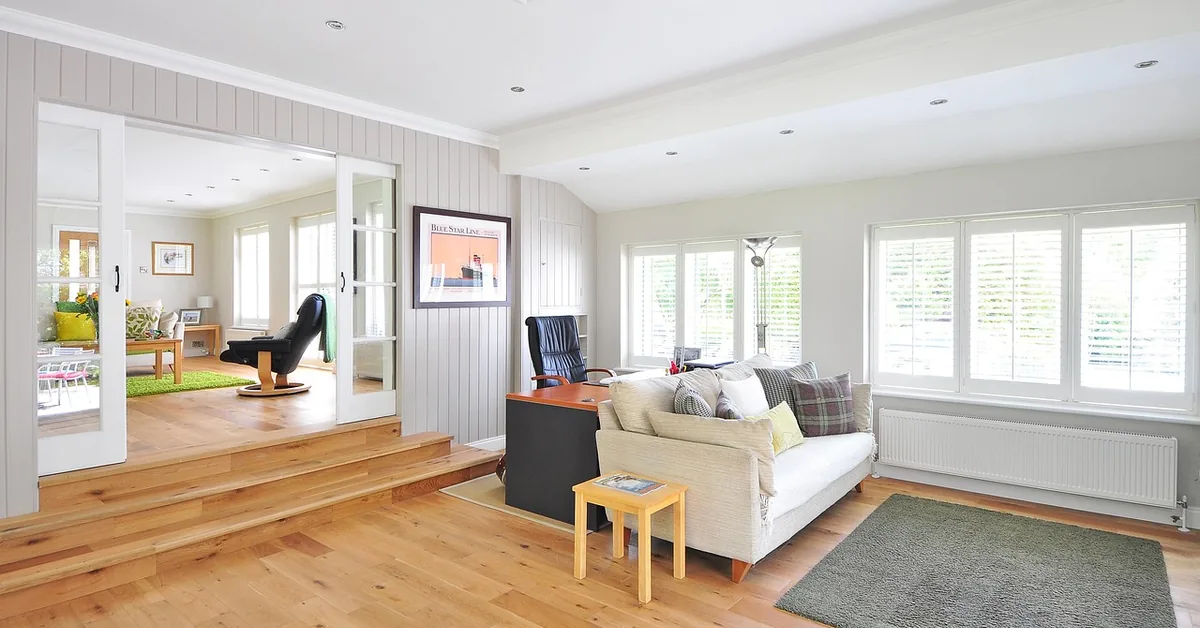
Yes — white oak’s 1,360 Janka rating puts it above red oak (1,290) and black walnut (1,010), so it holds up to normal living room use: foot traffic, kids, and most pets. It falls short of hickory (1,820) and hard maple (1,450), which matter more in a mudroom or kitchen than a living room. The tighter, straighter grain of white oak (compared to red oak’s more open, porous grain) also means it takes stain more evenly, which is part of why it dominates current flooring trends over red oak.
The most common living-room complaint isn’t the wood itself — it’s furniture legs and rolling office chairs without protective pads, which is why felt pads are worth budgeting for from day one, not after the first scratch shows up.
White Oak vs. Red Oak vs. Engineered White Oak
These three options get confused constantly, and the differences actually matter for a living room: refinishing potential, moisture tolerance, and upfront cost all vary.
| Type | Janka Rating | Typical Cost (installed) | Refinishes | Best For |
|---|---|---|---|---|
| Solid White Oak | 1,360 | $8–14/sq ft | 4–6 times | Living rooms over a wood subfloor, long-term homes |
| Engineered White Oak | 1,360 (wear layer) | $6–12/sq ft | 1–3 times (thin veneer) | Over concrete slabs, basements, wide-plank looks |
| Solid Red Oak | 1,290 | $6–10/sq ft | 4–6 times | Budget-conscious buyers wanting a warmer, pinker tone |
Solid white oak is the better long-term pick for a living room over a wood subfloor because it can be sanded and refinished several times as scratches accumulate over decades. Engineered white oak is the only real option over concrete slabs or in homes with radiant heating, and its wear layer still gives you genuine white oak — not a laminate photo layer — just with less refinishing headroom.
📊 White oak measures 1,360 on the Janka hardness scale, roughly 5% harder than red oak’s 1,290. — Source: Janka Hardness Test, National Wood Flooring Association
Caring for White Oak Floors in a High-Traffic Living Room
White oak’s factory or site-applied finish is what actually takes the wear, not the wood underneath — so routine care is about protecting that finish layer. Sweep or vacuum with a hard-floor setting a few times a week, clean spills immediately with a damp (not wet) cloth, and use a pH-neutral hardwood cleaner rather than vinegar or ammonia-based products, which dull polyurethane finishes over time.
- Felt pads under every piece of furniture — replace them when they compress flat, not just once at move-in
- Rugs in high-traffic paths, with a breathable pad underneath (rubber-backed mats can trap moisture against the finish)
- Trim pet nails regularly; keep humidity between 30–50% to limit seasonal gap movement
- Reapply a maintenance coat every 3–5 years before the finish wears through to bare wood
Best White Oak Floor Care Pick

Bona PowerPlus Premium Motion Spray Mop for Hardwood Floors
A vibrating microfiber spray-mop system sized for routine cleaning without over-wetting the finish — the biggest risk to a white oak floor’s topcoat.
- Best for: weekly maintenance cleaning of finished white oak floors
- Why we picked it: controlled spray pattern avoids the standing water that damages polyurethane finishes over time
- Main drawback: refill cartridges cost more per ounce than a standalone spray bottle
As an Amazon Associate we earn from qualifying purchases.
Natural vs. Character Grade White Oak: Which Should You Choose?
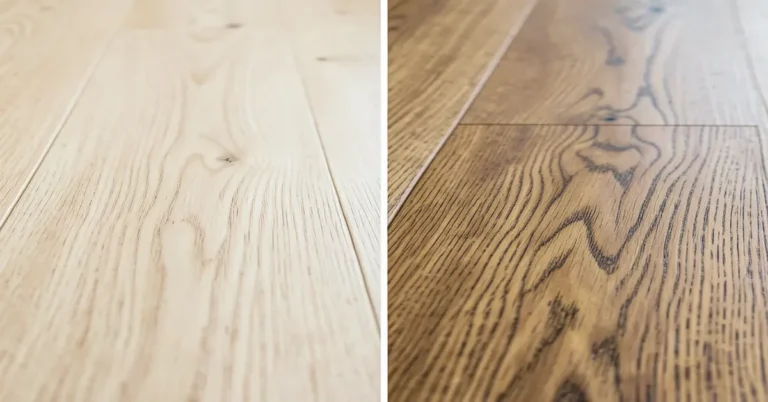
Natural grade white oak is milled from the straightest sections of the log, so boards show minimal knots, mineral streaks, or color variation — a cleaner, more uniform look that costs more per square foot. Character grade (sometimes labeled rustic or cabin grade) keeps the knots, mineral streaks, and heartwood-sapwood color contrast, which reads as more rustic and typically costs 10–20% less.
For a formal or minimalist living room, natural grade keeps the floor from competing with furniture and art. For a farmhouse or transitional living room, character grade’s variation hides everyday wear better — scratches and dents blend into the existing pattern of knots and streaks instead of standing out against a uniform surface.
Design Pairing: Furniture, Rugs, and Finish Colors for White Oak
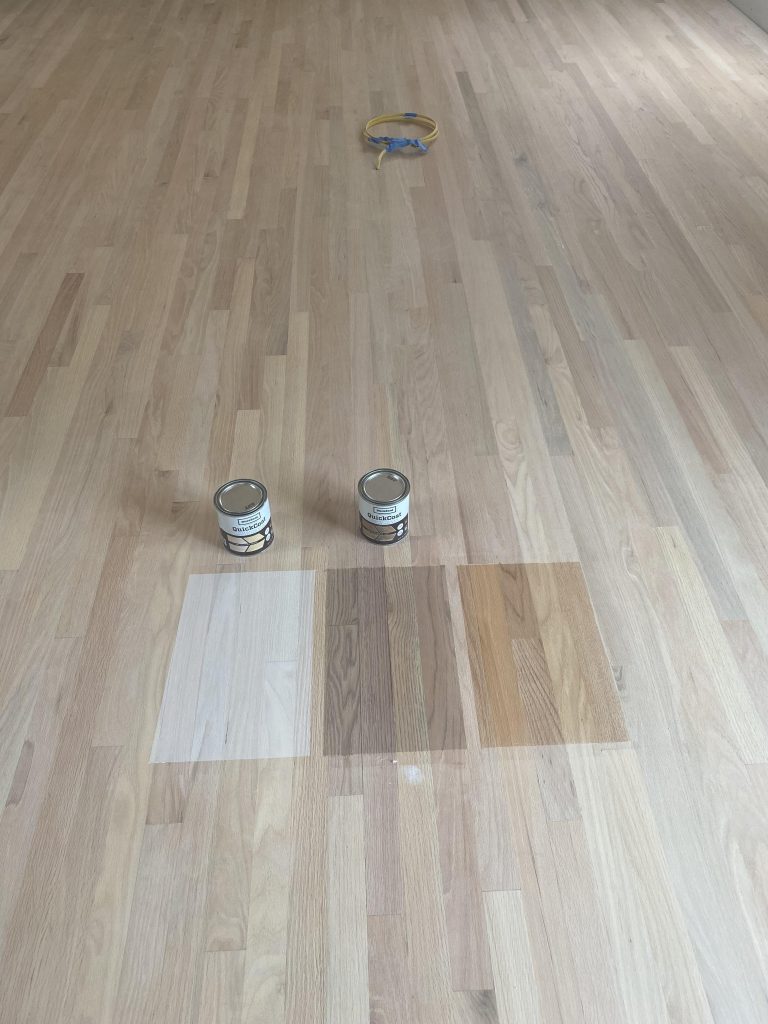
White oak’s neutral tan-to-brown base with a subtle yellow-olive undertone is why it neutralizes gray and cool-toned stains better than red oak, whose pink-red undertone tends to clash with cooler palettes. A matte or low-sheen finish reads as modern and hides everyday dust and micro-scratches better than a high-gloss finish, which shows every footprint and scuff under direct light.
Herringbone and chevron patterns are having a real design moment right now, and white oak’s straight, consistent grain is one of the few domestic species that reads cleanly in these patterns without the grain fighting the layout — a knottier or more figured wood tends to look busy in a herringbone install — it’s one of several white oak flooring styles worth comparing before committing to a pattern. Pair the floor with a warm-gray or greige wall color, light or medium-toned furniture for an airy Scandinavian feel, or deep navy and charcoal upholstery if you want more contrast without going dark on the floor itself.
Does White Oak Flooring Turn Yellow Over Time?
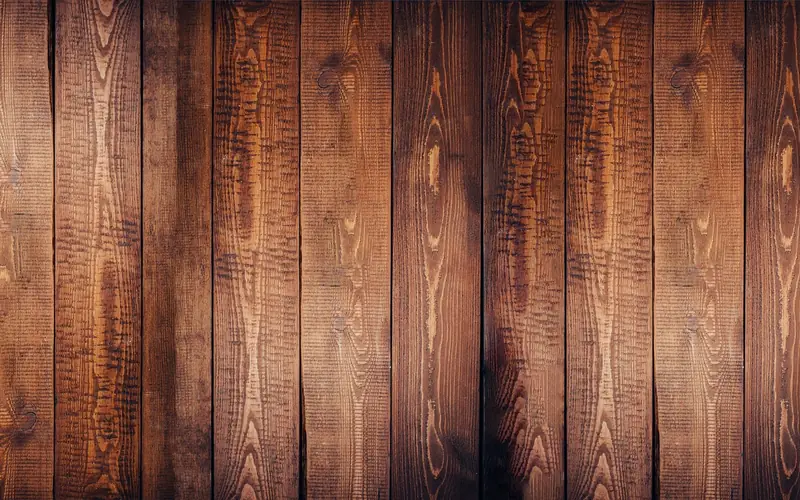
Yes, to a degree — oil-based polyurethane finishes amber and deepen white oak’s tone within a few years regardless of light exposure, which is a finish reaction, not a flaw in the wood. Direct, unfiltered UV light accelerates this and can also bleach or unevenly lighten exposed boards next to rugs or furniture that block the light. A water-based polyurethane finish (Bona Traffic HD and similar products are common choices) stays clear far longer than oil-based finishes and is the standard recommendation when a cool, gray-toned white oak look needs to stay consistent.
“White oak’s tight, closed grain is what makes it take a stain so evenly compared to red oak — that’s the first thing I check when a client is deciding between the two for a light-filled living room. It’s also why a water-based finish holds its cool tone longer on white oak than on almost anything else I install.”
— Md Meraj, founder of Woodworking Advisor, 12+ years working with wood
How Much Does White Oak Flooring Cost?
Installed pricing for solid white oak typically runs $8–14 per square foot as of 2026, with wide-plank (5”+) and European white oak running toward the higher end due to strong current demand and slower-growing supply. Engineered white oak installs for roughly $6–12 per square foot, and standard solid red oak remains the budget option at $6–10 per square foot. Narrower 2 1/4″ strip flooring generally costs less than wide-plank in any of these species, since wide, long, defect-free boards are harder to mill consistently.
Get a firm quote from a local flooring supplier before budgeting off any single number — regional lumber costs, plank width, and finish type (prefinished vs. site-finished) can swing the total by several dollars per square foot.
Frequently Asked Questions
Does white oak flooring work well in a small or dark living room?
Yes. White oak’s light, neutral tone reflects more ambient light than darker hardwoods like walnut or dark-stained oak, which helps a small or north-facing living room read brighter and larger. A matte finish in a lighter natural shade maximizes this effect.
Is solid or engineered white oak better for a living room?
Solid white oak is better over a wood subfloor because it can be refinished 4–6 times over its life. Engineered white oak is the correct (and often only) choice over a concrete slab or with radiant floor heating, since solid wood can warp under those conditions.
What is the difference between natural and character grade white oak?
Natural grade shows minimal knots and color variation for a clean, uniform look and costs more. Character (rustic) grade keeps knots, mineral streaks, and color contrast, costs 10–20% less, and hides everyday scratches better in a busy living room.
Does white oak flooring turn yellow over time?
Oil-based polyurethane finishes amber white oak within a few years regardless of sunlight; a water-based polyurethane finish holds a cooler, truer tone far longer and is the standard choice when color consistency matters.
How much does white oak flooring cost per square foot?
Installed solid white oak runs roughly $8–14 per square foot as of 2026; engineered white oak runs $6–12. Wide-plank and European white oak sit at the higher end of both ranges due to current demand.
Conclusion
White oak earns its popularity in living rooms honestly: a 1,360 Janka rating that outperforms red oak, a neutral tone that works with almost any decor scheme, and a tight grain that takes finish evenly. Match solid or engineered to your subfloor, pick natural or character grade based on how much variation you want to see, and choose a water-based finish if keeping that cool, light tone matters to you long-term. If you’re after that same light, sun-bleached look specifically for a coastal-style room, see our beach oak flooring guide for what that finish name actually means. If white oak isn’t quite the look you’re after, our hardwood flooring ideas for living rooms guide covers five other species and style combinations, plank widths, and layout patterns.
Sponsored / affiliate links. As an Amazon Associate I earn from qualifying purchases. I may earn additional commission from eligible campaigns.