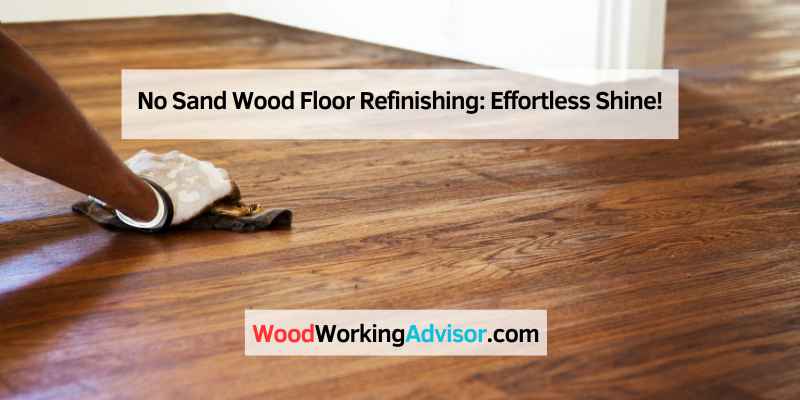
No Sand Wood Floor Refinishing: Effortless Shine!
No-sand wood floor refinishing involves applying a new finish without the need for sanding the wood. This method saves time and minimizes dust.
Refinishing wood floors without sanding offers a practical solution for homeowners. Traditional sanding can be messy and time-consuming, often requiring extensive preparation. No-sand refinishing uses specialized products to rejuvenate your floors quickly. This technique is ideal for lightly worn floors that need a refresh rather than deep restoration.
Homeowners can enjoy a beautiful finish with minimal disruption. The process enhances the wood’s natural beauty, bringing out its character. It’s eco-friendly, as it reduces waste and preserves the wood. Embracing no-sand refinishing can breathe new life into your wood floors while saving time and effort.
Introduction To No Sand Wood Floor Refinishing
No sand wood floor refinishing offers a quick and clean solution. This method eliminates dust and mess. Homeowners enjoy a faster process with less hassle.
Benefits include:
- Time-saving: Floors can be refinished in just hours.
- Eco-friendly: Uses less material and generates less waste.
- Cost-effective: Reduces labor costs and overall expenses.
- Durable finish: Provides a strong and long-lasting surface.
No sand refinishing preserves the wood’s natural beauty. It enhances the floor’s color and shine without heavy machinery.
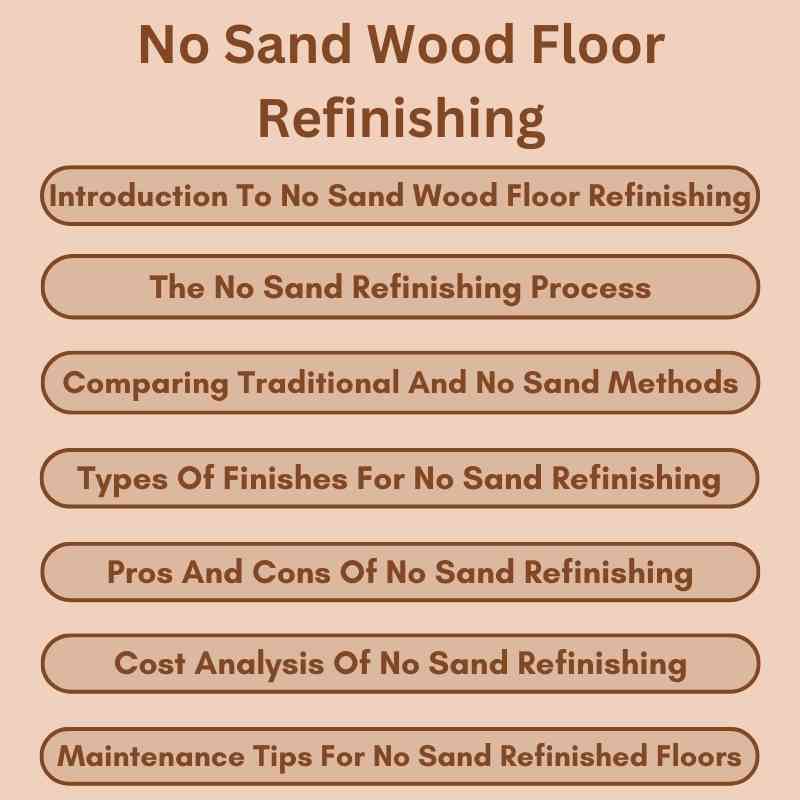
The No Sand Refinishing Process
Start the process with thorough cleaning. Use a vacuum to remove dust and dirt. A damp mop helps to eliminate stains. Make sure the floor is completely dry before moving on.
After cleaning, apply the finish. Choose a water-based or oil-based product. Use a roller or pad applicator for an even coat. Apply the finish in thin layers. Allow each layer to dry completely before applying the next one.
Follow the manufacturer’s instructions for best results. This ensures a beautiful and durable floor.
Comparing Traditional And No Sand Methods
Refinishing wood floors can be done using traditional or no sand methods. Both methods have unique time and effort requirements.
Traditional methods take longer. They often require sanding and multiple coats of finish. This process can be messy and labor-intensive. It may take several days to complete.
On the other hand, no sand methods are quicker. They often use chemical solutions that remove old finishes. This saves time and reduces the effort needed.
Impact on wood floor health varies. Traditional sanding can remove thicker layers of wood. This might weaken the floor over time. No sand methods are gentler and preserve the wood’s natural integrity.
Types Of Finishes For No Sand Refinishing
Oil-based polyurethane is a popular choice for wood floors. It provides a durable finish. This finish enhances the natural beauty of the wood. It takes longer to dry, so plan accordingly. The strong odor can be a concern during application.
Water-based polyurethane is more eco-friendly. It dries quickly, allowing for faster project completion. This finish is less smelly, making it great for indoor use. It offers a clear finish that doesn’t yellow over time. Choose this option for a modern look.
Pros And Cons Of No Sand Refinishing
No Sand Wood Floor Refinishing offers many benefits. It is quick and easy. Homeowners save time and money. There is less dust created during this process. Floors can be used right after refinishing.
Another advantage is that it preserves the wood’s thickness. Traditional sanding removes a lot of material. No sand refinishing protects the wood’s integrity. This method is also eco-friendly. Less waste is produced, making it better for the environment.
On the other hand, some drawbacks exist. The finish might not be as durable. It may require more frequent touch-ups. Stains and deep scratches may not be fully removed. Some homeowners may prefer the look of sanded floors.
Understanding both sides helps in making the right choice.
Cost Analysis Of No Sand Refinishing
The material costs for no sand wood floor refinishing are generally lower than traditional methods. You will need a few essential items. These include high-quality refinishing products and tools. The total cost can vary based on your floor size.
Long-term savings can be significant with no sand refinishing. This method requires less time and labor. Homeowners can avoid the high costs of sanding and dust cleanup. Floors can be ready for use in just a few hours.
Here is a simple breakdown of costs:
| Item | Estimated Cost |
|---|---|
| Refinishing products | $50 – $100 |
| Tools | $30 – $70 |
| Labor (optional) | $100 – $200 |
Maintenance Tips For No Sand Refinished Floors
Regular cleaning is key for no sand refinished floors. Use a soft broom or vacuum to remove dust. Avoid harsh chemicals that can damage the finish. A damp mop with a mild cleaner keeps the surface shiny.
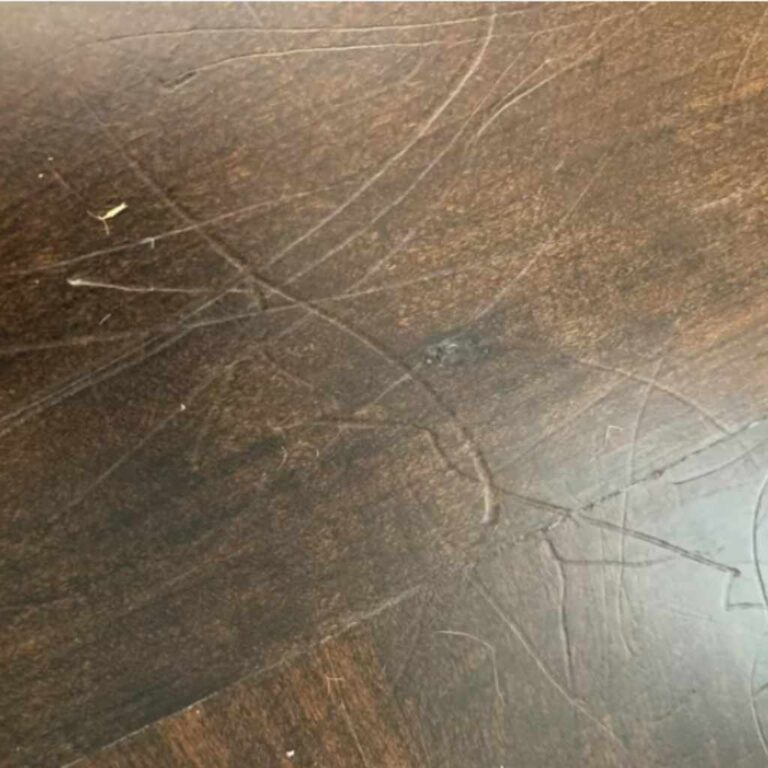
Wear and tear can affect the beauty of your floors. Address scratches quickly with a repair kit. For deeper scratches, consider using a touch-up marker. Always follow product instructions for best results.
Keep furniture pads under heavy items. This helps prevent dents and scratches. Rotate rugs and mats to avoid uneven wear. Regular maintenance ensures your floors stay beautiful for years.
DIY Vs. Professional No Sand Refinishing
Choosing between DIY and professional no sand wood floor refinishing can be tough. DIY refinishing saves money but requires time and effort. A good understanding of tools is essential. Mistakes can lead to costly repairs.
Call the professionals for large areas or complex designs. They have experience and advanced tools. Professionals can ensure a smooth and even finish. If you lack confidence, hiring experts is wise.
For DIY refinishing, follow these steps:
- Clean the floor thoroughly before starting.
- Use a sander to remove scratches.
- Apply a refinishing product for a fresh look.
- Allow proper drying time between coats.
- Finish with a protective sealant for durability.

Environmental Impact Of No Sand Refinishing
Using no sand wood floor refinishing is a great choice for the environment. This method reduces air pollution and waste. It also saves energy compared to traditional refinishing.
Choosing sustainable products is key to eco-friendly practices. Look for low-VOC finishes that minimize harmful chemicals. These products help protect both the environment and your health.
Using natural oils and water-based finishes can enhance the beauty of wood floors. They offer a safe option for families and pets. Always consider the source of your materials. Sustainably harvested wood supports forest conservation.
Real-life Success Stories
Homeowners often share amazing results after refinishing their wood floors. Many have seen dramatic before and after transformations that breathe new life into their homes.
One homeowner noted, “My floors looked old and dull. After refinishing, they shine like new!” Another shared, “I couldn’t believe the change. It felt like a brand-new space!”
| Before | After |
|---|---|
| Dull and scratched | Shiny and smooth |
| Faded color | Vibrant and fresh |
| Visible wear | Like new condition |
These success stories prove that no sand wood floor refinishing can truly transform spaces.
Frequently Asked Questions
What Is No Sand Wood Floor Refinishing?
No sand wood floor refinishing is a process that restores hardwood floors without the dust and mess associated with traditional sanding. Instead, it uses specialized products to clean, repair, and finish the wood surface. This method is quicker, less invasive, and more environmentally friendly.
How Long Does No Sand Refinishing Take?
Typically, no sand wood floor refinishing can be completed within a day. The process usually involves cleaning, applying the refinishing product, and drying. However, the exact duration may vary based on the size of the area and the condition of the wood floors.
Is No Sand Refinishing Durable?
Yes, no sand wood floor refinishing can be quite durable. The specialized coatings used in this method are designed to withstand everyday wear and tear. With proper maintenance, these finishes can last several years, making them a practical choice for busy households.
Can I Do No Sand Refinishing Myself?
While DIY no sand refinishing is possible, it’s recommended to hire a professional. Professionals have the right tools and expertise to achieve the best results. They can also assess your floors for any underlying issues that may need attention before refinishing.
Conclusion
Refinishing your wood floors without sanding offers many advantages. It saves time and mess while revitalizing your space. This method enhances durability and highlights the natural beauty of your floors. Embrace this efficient option to maintain your home’s charm. Enjoy the stunning results without the hassle of traditional refinishing techniques.