How to Prepare a Wooden Floor for Tiling: Expert Tips & Tricks
To prepare a wooden floor for tiling: confirm the subfloor is at least 23/32-inch plywood (or add a layer to reach it), check moisture content is low enough to tile, fix any loose boards or squeaks, then install cement backer board or an uncoupling membrane over the wood before any tile goes down. Tile should never go directly on bare wood.
This guide covers the prep stage only — getting a wood subfloor structurally ready to accept tile. Once your floor passes the checks below, our step-by-step guide to actually tiling a wooden floor walks through layout, adhesive, and grout.
Gather Necessary Tools
Check This Before You Tile
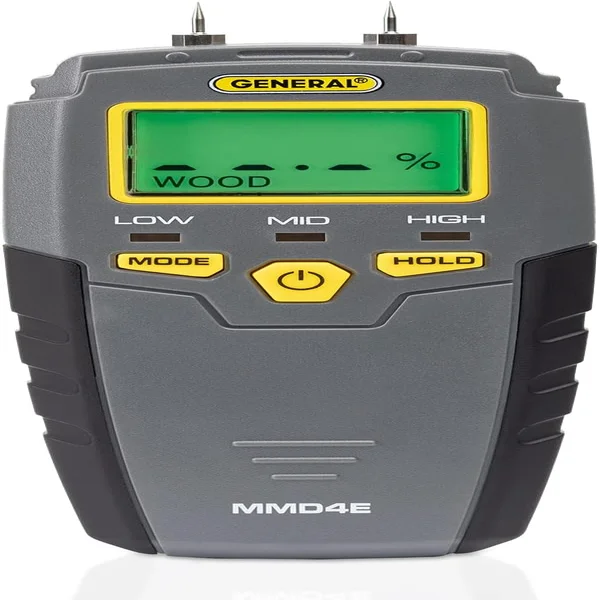 |
General Tools MMD4E Moisture Meter – $37.70 Tiling over a wood subfloor that’s too wet is the #1 cause of cracked grout and loose tile a year later — this checks moisture content in under a minute.
|
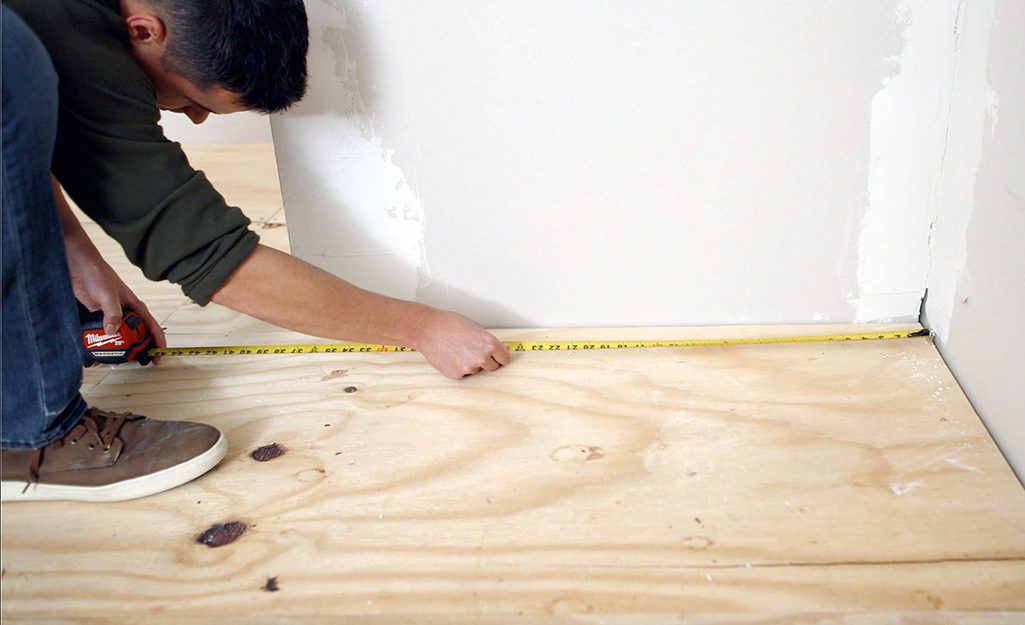
Gather necessary tools before you start: a tape measure, a 4-foot level, a moisture meter, a pry bar, screws, and a notched trowel for the backer board adhesive later. Safety gear — gloves, goggles, and a dust mask — matters here too, since you’ll likely be sanding or pulling old flooring.
Confirm Subfloor Thickness and Deflection
Tile needs a rigid subfloor. The Tile Council of North America’s minimum is 1-1/8 inch of total wood subfloor (commonly 23/32-inch plywood over joists spaced 16 inches on-center, or thicker for wider joist spacing). If your existing subfloor is thinner than that, add a layer of exterior-grade plywood before doing anything else — backer board and adhesive can’t fix a floor that flexes underneath the tile.
Walk the floor and note any bounce or springiness underfoot. Excess deflection is what actually cracks grout lines months later, not a mistake in the tiling itself.
Check Moisture Content
Wood that’s still holding moisture will keep expanding and contracting under the tile, which is a common cause of cracked grout. Use a moisture meter on a few spots, especially near exterior walls or bathrooms — readings should generally be under 12% before you install backer board. If a spot reads high, find and fix the moisture source (a leak, poor ventilation, or a recent flood) before covering it up.
Inspect for Damage and Loose Boards
Look for cracks, soft spots, and rot in the wood. Tap the floor with a hammer handle to find hidden damage — a hollow or soft sound means the wood underneath has weakened. Fix or replace any damaged sections before moving forward; a weak spot under tile becomes a cracked tile later.
Set a long level across several spots on the floor. High or low areas need to be corrected with sanding (high spots) or a floor leveling compound (low spots) so the backer board sits flat.
Secure and Clean the Surface
Walk the floor and drive in screws anywhere a board moves or squeaks — loose boards telegraph movement straight up through the tile. Pull or countersink any protruding nails.
Once the structural work is done, sweep and vacuum thoroughly. Dust and debris left under the backer board create voids that weaken the bond.
Install Backer Board or an Uncoupling Membrane
This is the step that’s easy to skip and shouldn’t be: tile should never be set directly on wood, plywood, or a primer coat alone. Wood moves too much with humidity for tile adhesive to keep up long-term. Install either cement backer board (screwed down per the manufacturer’s spacing) or a tile uncoupling membrane made for wood subfloors. Both isolate the tile from the wood’s natural movement.
You’re Ready — What Comes Next
Once the subfloor is thick enough, dry, flat, secure, and covered with backer board or membrane, it’s structurally ready for tile. From here, layout, adhesive selection, and grouting are covered in our full guide to tiling a wooden floor.
Frequently Asked Questions
How Do I Clean A Wooden Floor Before Tiling?
Sweep and vacuum the surface thoroughly after any structural repairs are done. Dust and debris left under the backer board create voids that weaken the adhesive bond, so clean again right before installing backer board or membrane.
Do I Need To Sand The Wooden Floor?
Only if a level check shows high spots. Sanding levels those areas so the backer board sits flat; it’s not a required step on a floor that’s already flat and sound.
Can I Tile Directly Over A Wooden Floor?
No. Wood expands and contracts too much for tile adhesive alone to handle long-term. Always install a cement backer board or a tile uncoupling membrane between the wood subfloor and the tile.
What Tools Do I Need For Preparing The Floor?
A tape measure, a 4-foot level, a moisture meter, a pry bar, screws, and a notched trowel for the backer board adhesive. A cement backer board or uncoupling membrane is required, not optional.
Conclusion
Properly preparing your wooden floor for tiling comes down to four checks: is the subfloor thick and rigid enough, is it dry, is it flat and secure, and is it covered with backer board or membrane before any tile touches it. Skip any of those and the tile job fails months later, not on install day.
Sponsored / affiliate links. As an Amazon Associate I earn from qualifying purchases. I may earn additional commission from eligible campaigns.