Can Dogs Scratch Hardwood Floors? Essential Protection Tips
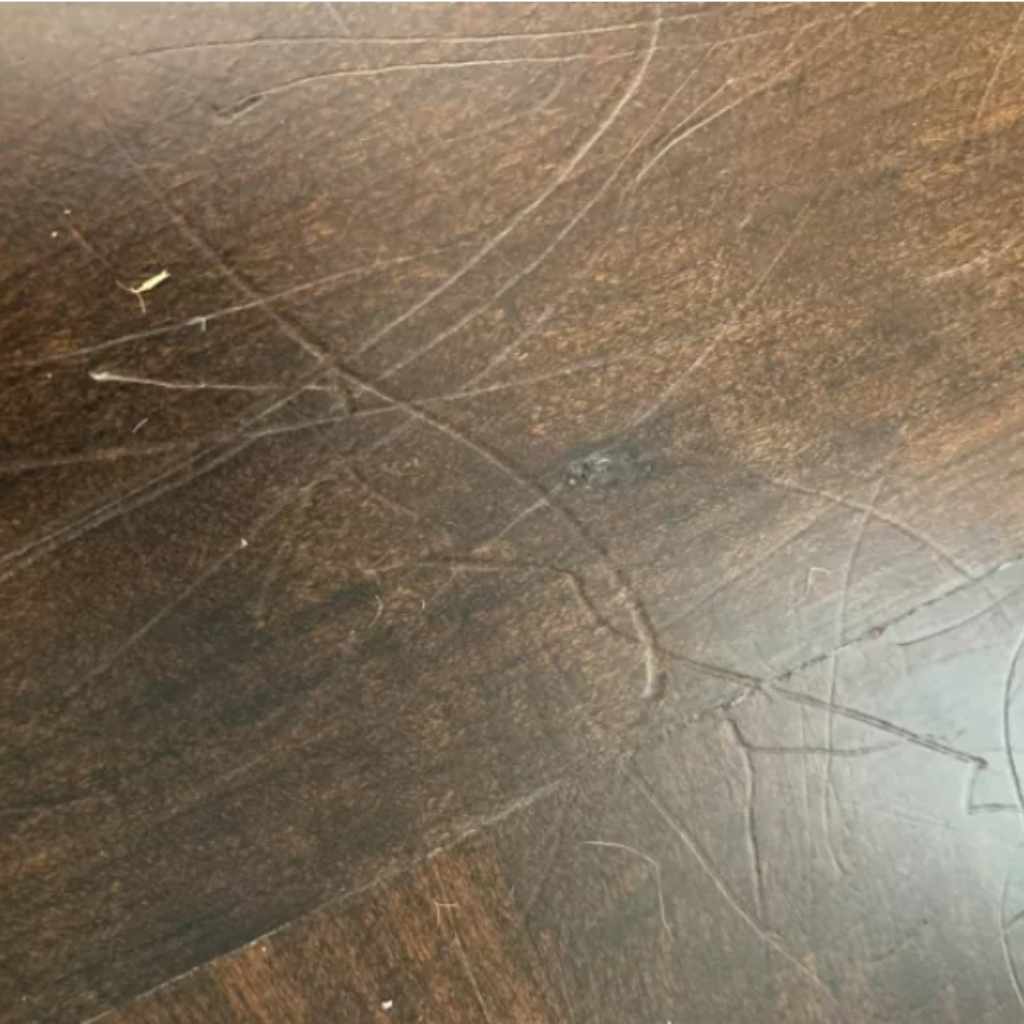
Yes, dog nails scratch hardwood because keratin claws dig into the finish coat first — the softer the finish (or the wood, below ~1300 on the Janka scale), the deeper the marks. Left untrimmed, active or heavy dogs wear through even a good polyurethane finish within a year or two. This guide covers why it happens, which wood species and finishes resist it best, and how to fix light surface marks and deeper gouges.
Why Dog Nails Scratch Hardwood Floors
Best Dog Nail Grinder Pick
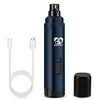 |
Casfuy 2-Speed Whisper-Quiet Dog Nail Grinder – $19.97 A grinder rounds the nail tip instead of leaving a sharp cut edge, which is the #1 prevention method this guide ranks above rugs or nail caps.
|
As an Amazon Associate we earn from qualifying purchases.
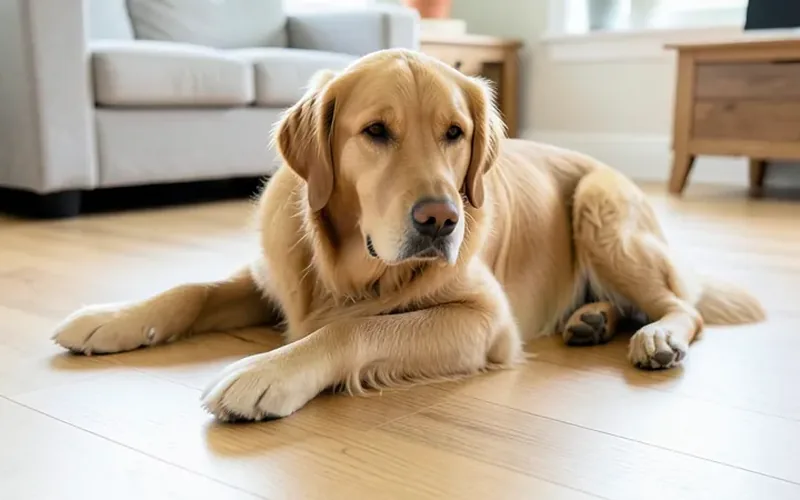
Dog nails are made of keratin, the same tough material as your fingernails. They can dig into softer wood finishes, especially when pups run or turn quickly.
Hardwood floors have a protective finish, but it’s not invincible. Sharp nails act like tiny tools, scraping the surface or even the wood itself over time.
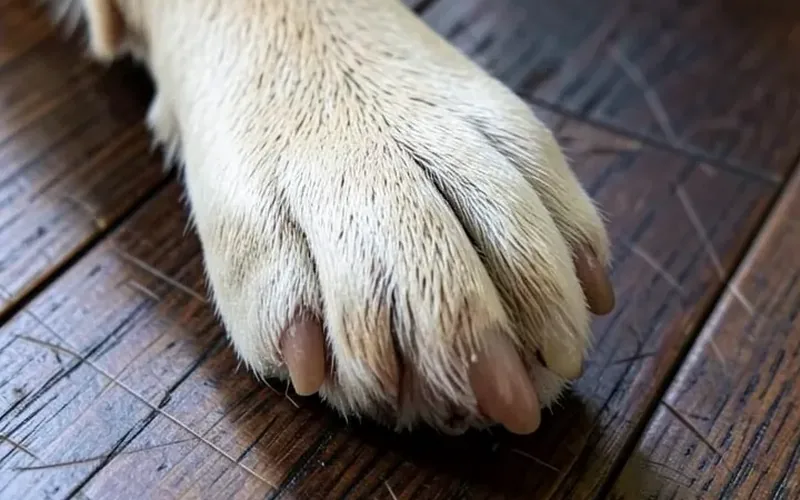
Larger or more active dogs cause more damage because of their weight and energy. Dirt and grit on paws make it worse—they grind like sandpaper.
Don’t worry, though. Understanding this helps you take easy steps to protect your floors.
Choosing Pet-Friendly Hardwood: Best Woods for Dogs
Not all hardwoods are equal when it comes to pet scratches. Pick tougher species for better resistance.
The Janka hardness test measures how well wood resists dents and wear. Higher numbers mean harder wood.
| Wood Species | Janka Hardness Rating | Best for Dogs? |
|---|---|---|
| Hickory | 1820 | Excellent – very durable |
| Hard Maple | 1450 | Great choice |
| Red Oak | 1290 | Good, common option |
| White Oak | 1360 | Good, hides scratches well |
| Brazilian Walnut (Ipe) | 3680 | Top resistance (exotic) |
| Pine (softwood) | 690 | Avoid – scratches easily |
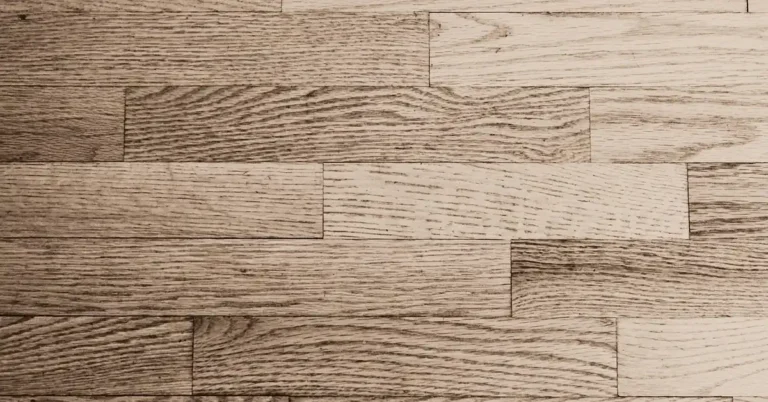
Go for woods over 1300 on the Janka scale. Lighter colors and textured finishes, like hand-scraped, hide minor marks better.
Engineered hardwood with factory finishes often holds up well too. For more on wood hardness, check resources from the USDA Forest Products Laboratory.
Top Ways to Prevent Dog Scratches on Hardwood Floors
Prevention is easier than repair. Here are proven tips to keep your floors safe.
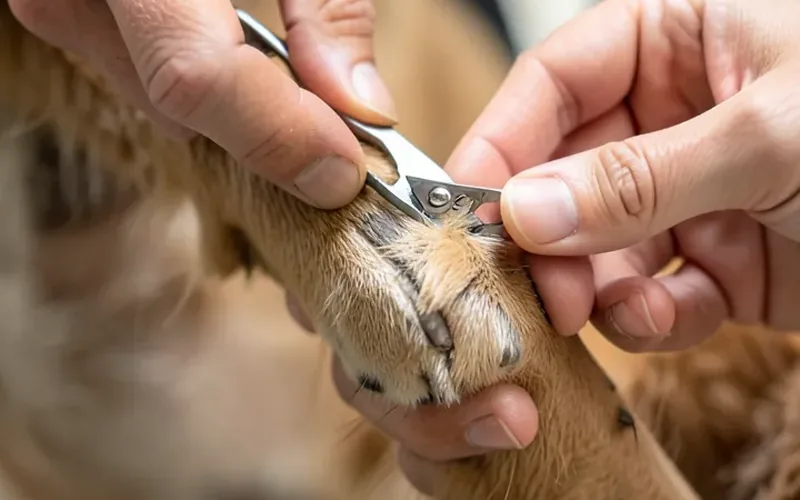
- Trim nails regularly: Keep them short and smooth. This is the number one way to reduce scratches.
- Use rugs and runners: Place them in high-traffic areas like hallways and entryways.
- Clean paws: Wipe feet after walks to remove dirt and grit.
- Add protective finishes: Matte or satin polyurethane hides wear better than glossy.
- Try nail caps or booties: Soft covers blunt nails without discomfort. See our comparison of booties built to stay on during play for picks with real retention hardware, not just a grippy sole.
- Exercise your dog: More walks mean naturally worn nails.
These simple habits make a big difference. Your floors will thank you!
Step-by-Step: How to Trim Your Dog’s Nails Safely
Trimming nails is easy once you get the hang of it. Do it every 1-2 weeks.
- Gather tools: Dog nail clippers, styptic powder (for accidents), treats.
- Get your dog comfortable: Start with handling paws gently.
- Find the quick: It’s the pink part inside light nails—avoid it to prevent bleeding.
- Clip small amounts: Cut at a 45-degree angle, just before the quick.
- Smooth edges: Use a file or grinder for rounded tips.
- Reward generously: Make it positive with praise and treats.
If you’re unsure, watch tutorials from the American Kennel Club. Safety first—short nails keep everyone happy.
How to Repair Minor Dog Scratches on Hardwood Floors
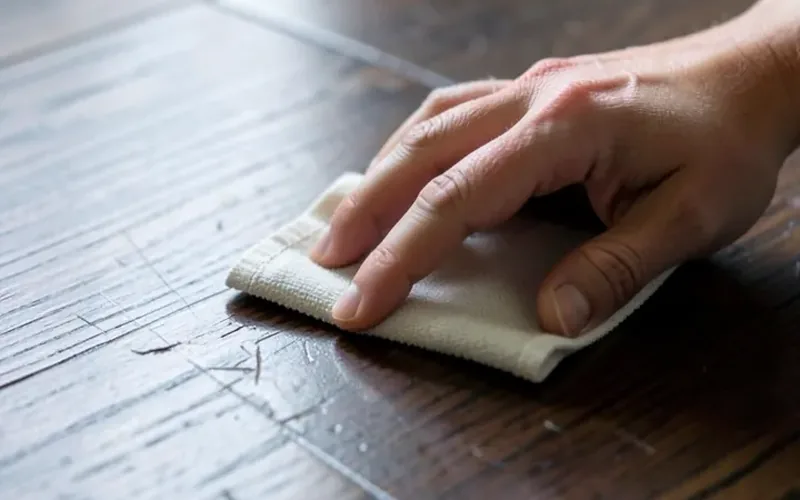
Caught scratches early? Fix them yourself — our full scratched wood floor repair guide breaks the fix down by scratch depth if you want more detail than the quick version below.
For light surface marks:
- Clean the area.
- Use a matching wood marker or walnut to rub in color.
- Blend and buff.
For deeper ones:
- Sand lightly with fine paper.
- Apply wood filler or stain.
- Seal with polyurethane.
Deep damage may need professional refinishing. Act fast to prevent worsening.
Pros and Cons of Common Protection Methods
| Method | Pros | Cons |
|---|---|---|
| Nail Trimming | Free, most effective | Requires regular effort |
| Area Rugs | Hides scratches, adds style | Covers floor beauty |
| Nail Caps | No trimming needed | Must reapply monthly |
| Booties | Full protection | Dogs may not like them |
| Harder Woods | Long-term durability | Higher cost upfront |
Combine methods for best results. What works depends on your dog and lifestyle.
When to Consider Refinishing or Replacing Floors
If scratches cover large areas or go deep, refinishing sands away damage and adds fresh protection.
It’s a great option every 7-10 years anyway. For severe pet wear, choose tougher woods next time.
Engineered options with aluminum oxide finishes resist scratches well. Consult pros for advice tailored to your home.
FAQ
Can all dogs scratch hardwood floors?
Yes, any dog with untrimmed nails can cause scratches, but larger or energetic dogs do more damage.
What’s the hardest wood for pet owners?
Hickory or Brazilian woods top the list for scratch resistance.
How often should I trim my dog’s nails?
Every 1-4 weeks, depending on growth and activity.
Do matte finishes really hide scratches better?
Yes! They diffuse light, making marks less visible than glossy ones.
Are nail caps safe for dogs?
Absolutely—they’re non-toxic and don’t hurt when applied correctly.
Can I fix deep scratches myself?
Minor ones yes, but deep gouges often need professional help.
Will rugs completely prevent scratches?
They protect covered areas perfectly, but use them in key spots.
Hardwood floors and dogs can coexist without a compromise on either side. Regular nail trims are the single highest-leverage habit, harder wood species and matte finishes hide the rest, and both light and deep scratches have real fixes rather than requiring a full floor replacement.
Sponsored / affiliate links. As an Amazon Associate I earn from qualifying purchases. I may earn additional commission from eligible campaigns.