Oak Floor Stain Colors: 12 Best Shades + Color Chart (2026)
Oak floor stain colors run from Minwax Natural (209) to Ebony (2718), but the same can looks different on red oak, which has a reddish cast, than on white oak, which leans olive (Wood Database). This guide gives 12 Minwax stain numbers, how each oak species changes them, brand notes for Bona, Duraseal and Sherwin-Williams, and a sample-first routine. Always test on your own boards.
Quick Answer
The most-used oak floor stain colors are Golden Oak (210B), Special Walnut (224), Dark Walnut (2716) and Weathered Oak (270). Red oak has a reddish cast, so warm mid-browns and dark stains hide it best. White oak leans olive-neutral, so grays and Weathered Oak tend to read closer to the swatch. Test every color on your own boards first.
Oak Floor Stain Color Chart: 12 Popular Shades
Best Oak Floor Stain Pick |
|
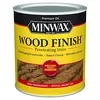 |
Minwax Wood Finish Oil-Based Stain, Special Walnut (224), 1 Quart ($13.88) Special Walnut (224) is Minwax’s 2026 Color of the Year and sits in the chart below as the one medium brown that suits both oak species. Wipe the excess off after 5 to 15 minutes; the longer it sits, the darker it gets.
|
As an Amazon Associate we earn from qualifying purchases.
The table below shows 12 popular Minwax Wood Finish oil-based stain colors for oak floors, with the stain number, tone, and which oak species suits each. All numbers are Minwax oil-based stain codes, checked against the Minwax color guide.
| Stain Color | Minwax # | Tone | Oak Species | Look |
|---|---|---|---|---|
| Golden Oak | 210B | Light warm | Either oak; adds warmth, so expect red oak to look warmer | Classic honey-amber, traditional |
| Natural | 209 | Clear / neutral | Either oak; the wood’s own cast shows through | Barely-there finish, keeps the raw look |
| Early American | 230 | Light-medium warm | Red oak or white oak | Warm brown |
| Provincial | 211 | Medium warm | Red oak or white oak | Golden-brown mid-tone |
| Special Walnut | 224 | Medium brown | Either oak | Minwax 2026 Color of the Year |
| Weathered Oak | 270 | Gray-brown | White oak first; sample on red oak | Driftwood look |
| Classic Gray | 271 | Cool gray | White oak first; sample on red oak | Cool, modern gray |
| Red Chestnut | 232 | Reddish brown | Either oak | Warm reddish-brown |
| Dark Walnut | 2716 | Dark brown | Either oak; dark colors hide the undertone | High-contrast dark brown |
| Jacobean | 2750 | Very dark brown | Either oak; dark colors hide the undertone | Near-black espresso |
| Ebony | 2718 | Black-brown | Either oak; dark colors hide the undertone | Darkest of the 12 |
| Espresso | 273 | Dark cool brown | Either oak | Cool-toned dark brown |
Note: Minwax advises testing stain on a hidden area, and says wood species will change the final color. Water-popping before staining changes it too.
White Oak Floor Stain Colors
White oak commonly has an olive cast and a neutral base (Wood Database), which makes gray and light-brown stains easier to predict than on red oak. Its large pores are often plugged with tyloses, so it does not drink stain the way open-pored red oak does.
The best white oak floor stain colors to sample first are:
- Weathered Oak (270): a soft gray-brown, driftwood look.
- Classic Gray (271): a cool gray. Works best in rooms with cool light.
- Dark Walnut (2716): a rich dark brown with defined grain.
- Natural (209): keeps white oak’s raw, light appearance.
- Special Walnut (224): Minwax’s 2026 Color of the Year, a medium brown that suits both species.
Understanding Oak Floor Stain Colors
Popular Oak Floor Stain Colors
The 12 colors above fall into three groups: warm tones (Golden Oak, Early American, Provincial), neutral-to-dark browns (Special Walnut, Dark Walnut, Jacobean) and cool or gray tones (Weathered Oak, Classic Gray, Espresso). If you have red oak, our comparison of the best red oak floor stains goes deeper on undertones, and white oak flooring pictures shows six stain and grain looks side by side.
Impact Of Oak Type On Stain Color
Red oak and white oak are both medium-hardness woods, but they start from different base colors. Here are the numbers from the Wood Database, which also explain why one stain can read two ways. For the unstained colors of each species, see what color oak wood is.
| Trait | Red oak | White oak |
|---|---|---|
| Janka hardness | 1,220 lbf | 1,350 lbf |
| Natural color | Light to medium brown, commonly with a reddish cast | Light to medium brown, commonly with an olive cast |
| Pores | Large and open; air can pass through straight-grained boards | Large pores often plugged with bubble-like tyloses |
| What it means for stain | Warm cast shows through light and gray stains; dark stains cover it | Neutral-to-olive base; grays and light browns are easier to read true |
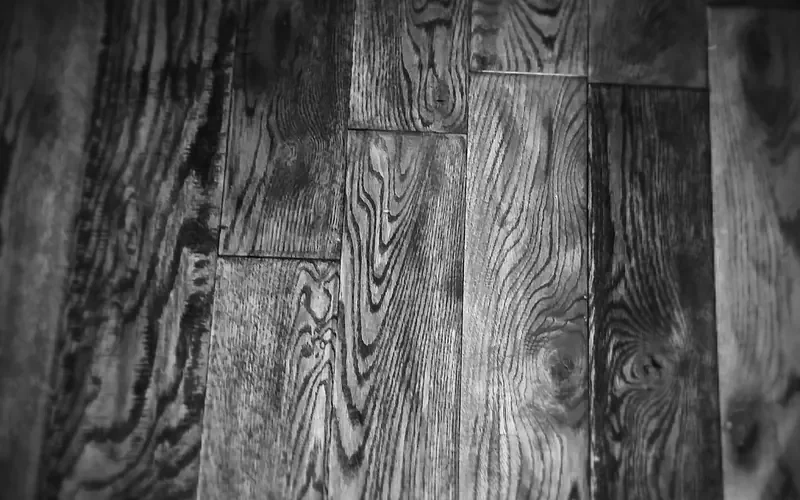
Red oak rates 1,220 lbf on the Janka scale and white oak 1,350 lbf (Source: Wood Database, Red Oak)
Oak Floor Stain Colors by Brand
Color names repeat across brands, but a name is not a guarantee of a match. Minwax itself says color may vary by product type, so compare swatches from the same brand and product line. Our own charts cover the details: the Minwax stain colors chart and the Sherwin-Williams stain colors chart.
- Minwax Wood Finish: 36 oil-based colors, including Golden Oak 210B, Provincial 211, Special Walnut 224, Weathered Oak 270, Classic Gray 271, Espresso 273, Dark Walnut 2716, Ebony 2718 and Jacobean 2750. Dry and recoat time is listed at 2 to 3 hours.
- Bona DriFast Stain: 26 base colors, including Natural, Early American, Provincial, Special Walnut, Jacobean, Ebony and Golden Oak, sold in quart and gallon sizes.
- Duraseal Quick Coat: its stain gallery shows 38 colors on both white oak and red oak swatches, including Country White, Golden Oak, Provincial, Weathered Oak, Classic Gray and Dark Walnut. Duraseal warns that color varies slightly from board to board.
- Sherwin-Williams: carries Minwax stains, including a set of colors sold exclusively there.
Choosing The Right Stain Color
Considerations For Stain Selection
Four things decide the color: room light (dim rooms feel smaller with dark stain), furniture tone, fixed elements like cabinets and trim, and whether you want the grain to show (lighter stains show more grain, darker stains hide it). If you are going dark, read how to stain oak floors dark without blotching first.
Tips For Selecting The Perfect Shade
Sample in the room, not in the store. Here is a routine that costs a few dollars and one afternoon:
- Pick a hidden spot: use a closet corner or a spare board cut from the same floor.
- Sand to match: sand the patch the same way the floor will be sanded.
- Stain 2 or 3 colors side by side: wipe off at the same time for each so the swatches compare fairly.
- Let them dry fully: check them in morning and evening light before choosing.
- Top-coat one patch: clear finish changes the tone, so look at the finished color.
“Test stain on a hidden area of the wood to verify desired color.”
If boards are being replaced as part of the refinish, also confirm which way your floor planks should run.
Application And Maintenance
Applying Oak Floor Stain
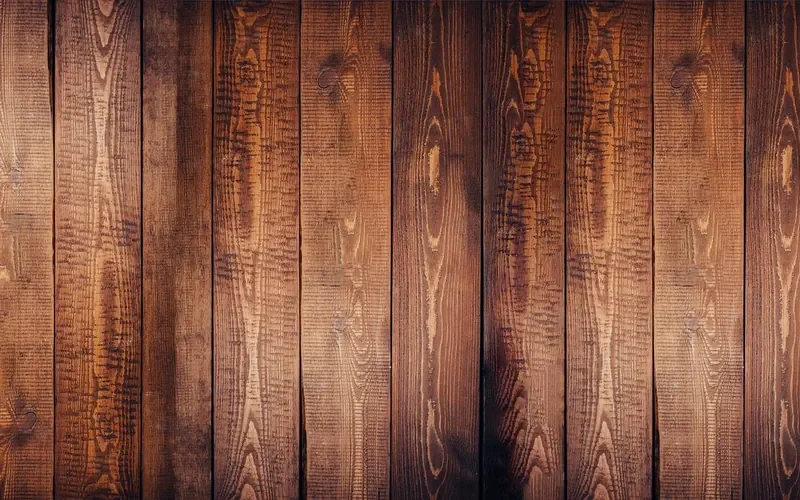
Sand the floor evenly, then apply the stain with the grain in small sections. Per Minwax, wipe the excess along the grain, and the longer the stain sits before wiping, the deeper the color. Minwax lists a 2 to 3 hour dry time for Wood Finish, and humid rooms need longer, so follow the can before you topcoat. Our guide to the best polyurethane for hardwood floors compares oil- and water-based finishes, and how to varnish wood floors covers coats, dry times and safety. For gray tones, see how gray oak floor staining works.
Maintaining The Stain Finish
The topcoat protects the stain, so maintain the topcoat. Clean with a hardwood floor cleaner and avoid soaking the floor with water, vinegar or steam. Recoat the topcoat when the sheen dulls rather than sanding back to bare wood. Prefer an oil finish to polyurethane? Our Watco butcher block oil and finish guide covers that chemistry.
Evolving Oak Floor Colors
Effects Of Aging On Oak Floors
Stained floors shift over time. Oil-based polyurethane adds an amber tone, which can warm a gray stain, so many finishers choose a water-based finish over gray colors. Strong sunlight can fade dark stain near windows. If you are weighing a penetrating oil topcoat instead, our tung oil vs teak oil comparison explains how each soaks into open-grain wood like oak.
Adapting To Changing Color Tones
If your wall color or decor changes, you do not always need a full refinish. A tinted topcoat can shift a floor slightly, but a major change (light to dark, or warm to gray) needs a full sand and restain. Going from dark to light means sanding back to bare wood, which may not be possible on thin engineered oak. Weathered Oak on red oak is one of the harder combinations, so read that guide before trying it.
Frequently Asked Questions For Oak Floor Stain Colors
What Color Should I Stain My Oak Floors?
Pick by your oak species and light. For warm, traditional rooms try Golden Oak (210B) or Early American (230). For a mid-tone that suits both species try Special Walnut (224). For a bold dark floor try Dark Walnut (2716) or Jacobean (2750). Wipe-test two or three colors on a hidden patch of your actual floor before you commit, because Minwax notes that wood species changes the final color.
What Is The Best Stain Color For Oak?
There is no single best color, but Special Walnut (224), Minwax’s 2026 Color of the Year, is a safe medium brown for both red and white oak. On white oak, Weathered Oak (270) is a common choice for a soft gray-brown. On red oak, a mid-brown like Provincial (211) or a dark stain covers the reddish cast better than a light gray.
What Is The Most Popular Hardwood Floor Stain Color?
We could not find a published national sales ranking, so no color can honestly be called the most popular. What we can say is that Minwax chose Special Walnut (224) as its 2026 Color of the Year, and Golden Oak (210B), Provincial (211) and Dark Walnut (2716) are staples of the Minwax Wood Finish line.
Do Oak Floors Darken Or Lighten Over Time?
Both can happen. Wood and finish usually deepen or amber as they age, while strong sunlight can fade stain near windows. Oil-based polyurethane adds its own amber tone, which can warm a gray stain, so many floor finishers choose water-based polyurethane over gray or whitewash colors.
What Is The Difference Between Staining Red Oak vs. White Oak?
Per the Wood Database, red oak is light to medium brown with a reddish cast and large open pores, while white oak commonly has an olive cast and tyloses in its pores. On red oak, light and gray stains let the reddish cast show through. Dark stains cover it. White oak is the easier base for gray and light brown colors.
How Do I Choose Between Dark and Light Oak Stain Colors?
Choose a lighter stain (Natural, Golden Oak, Early American) if the room is small or dim, or if you want the grain to stay visible. Choose a dark stain (Dark Walnut, Jacobean) for a bright room, a bold look, or to cover red oak’s cast. Dark floors show dust and scratches more easily, so sample one and look at it in morning and evening light.
Conclusion
Oak floor stain colors range from Natural (209) to Ebony (2718), and the species under the stain matters as much as the color name. Identify red or white oak first, pick two or three colors from the chart, and test them on your own boards before you buy gallons. For a first test, Special Walnut (224) is a medium brown that suits both species.
Sponsored / affiliate links. As an Amazon Associate I earn from qualifying purchases. I may earn additional commission from eligible campaigns.