Paint Colors for Wood Floors: Transform Your Space
Imagine walking into a room where the wood floors are the star of the show. The right paint colors can elevate your space, enhancing the natural beauty of your wooden floors.
Are you ready to transform your home with a splash of color? You might wonder how to make your floors pop or complement your existing decor. The choices you make can affect not only the look but the feel of your entire space.
Let’s explore how you can choose paint colors that will highlight your wood floors and create a harmonious ambiance that feels just right. Dive in, and discover the secrets to perfect color coordination that will captivate anyone who steps into your home.
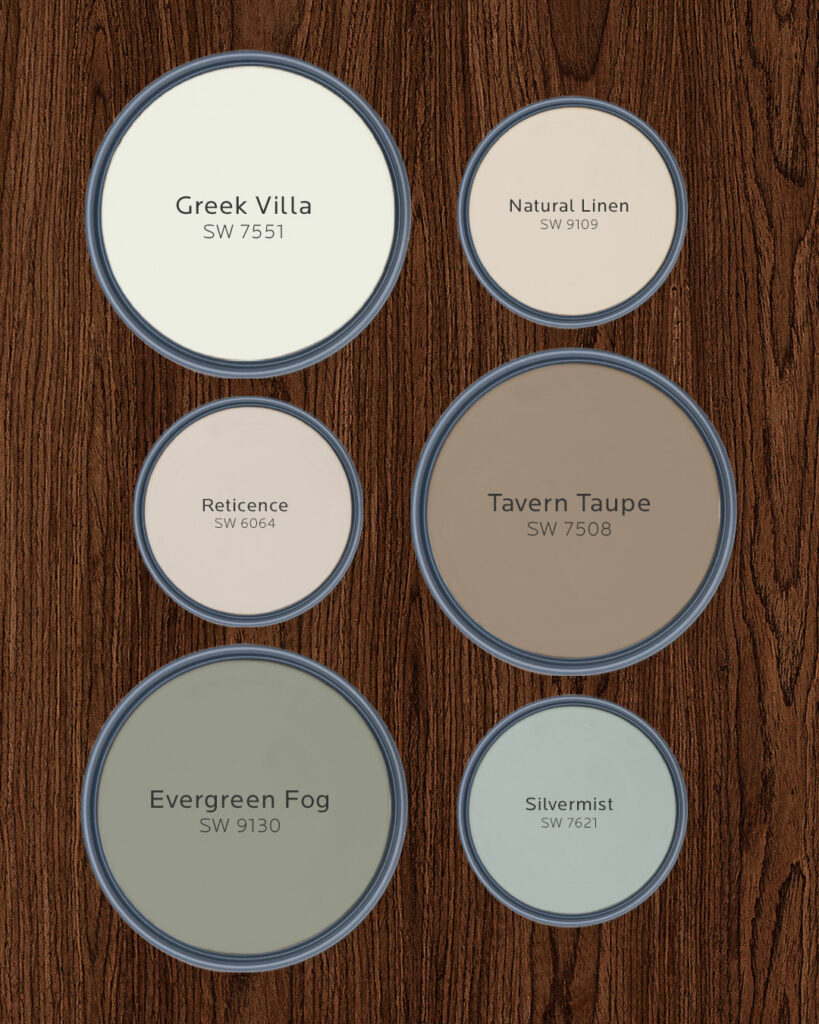
Credit: blog.sherwin-williams.com
Choosing The Right Paint Color
Small rooms can feel bigger with light colors. Whites and pastels work best. Dark colors might make them feel tight. Large rooms can handle bold colors. Reds, blues, and greens can add warmth.
Natural light changes colors. Rooms with lots of windows can use darker paints. Artificial light can affect paint tones. Yellow bulbs can make colors warm. Cool lights can make paints look cold. Test colors in different lights. See how they change.
Color Trends For Wood Floors
Neutral tonesare very popular for wood floors. They create a calm space. Colors like beige, gray, and white are common. These colors match everything. They make rooms look bigger. It’s good for small spaces.
For a different look, choose bold colors. Deep blue or green can be exciting. They add character to the floor. Red and black are also bold. These colors stand out. They work well in large rooms.
Complementing Existing Decor
Wood floors look pretty with matching furniture. Choose colors that go well together. Dark wood looks nice with light furniture. Light wood pairs well with dark furniture. This contrast makes your room pop. Also, consider the furniture material. Metal pieces can add a modern touch. Wooden furniture gives a classic look. Make sure all colors blend smoothly.
Wall colors can change a room’s feel. Light walls make small rooms look big. Dark walls can make rooms cozy. Neutral colors are a safe choice. They go with most wood floors. Bright colors can add fun. But use them sparingly. A color wheel can help find good matches. Paint samples on walls before deciding. This helps you see the real color.
Impact Of Paint Finish
Matte paint hides scratches well. It’s great for busy rooms. Glossy paint shines bright. It reflects light easily. This makes rooms look bigger. Choose a finish based on room use. Matte is perfect for subtle looks. Glossy is ideal for bold style.
Matte paint lasts long on wood floors. It needs less cleaning. Glossy paint is tougher. It can handle more foot traffic. Both finishes protect wood floors well. Cleaning is important for both types. Frequent cleaning keeps them looking new.
DIY Painting Tips
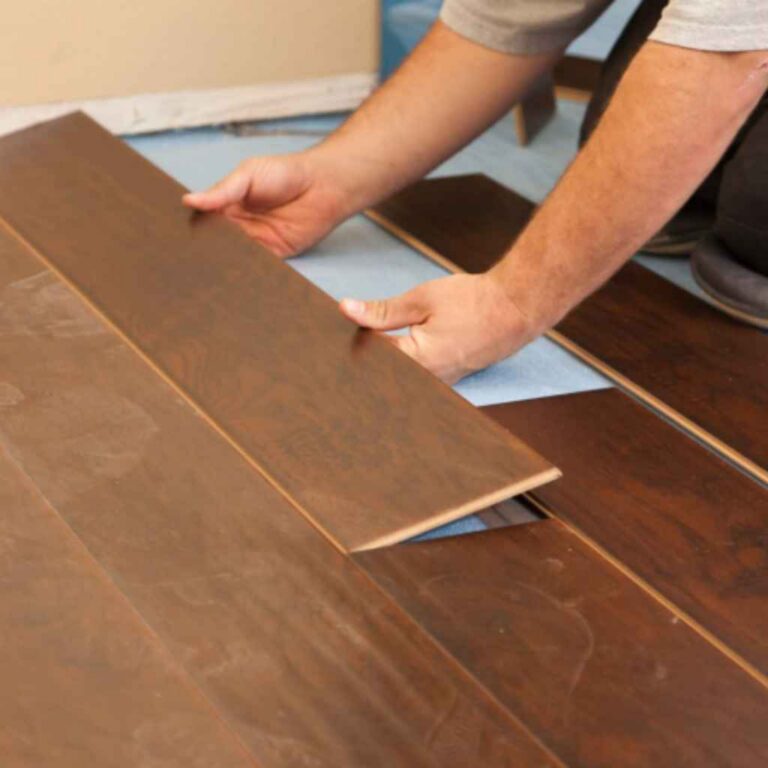
Start with cleaningthe wood floors. Use a damp cloth. Remove all dust and dirt. Next, sandingis crucial. This helps the paint stick better. Use fine-grit sandpaper. Be gentle to avoid scratches. After sanding, vacuumthe floor. This removes loose particles. Then, apply a primer. It creates a smooth base. Allow the primer to dry completely. Check for any missed spots.
Choose the right paintbrushor roller. Brushes are great for edges. Rollers cover large areas quickly. Pour the paint into a tray. Dip the brush or roller. Apply the paint in thin layers. This prevents drips and streaks. Wait for each layer to dry. Then, add another layer for a smooth finish. Be patient. Rushing might ruin your hard work.

Credit: www.improovy.com
Maintenance And Care
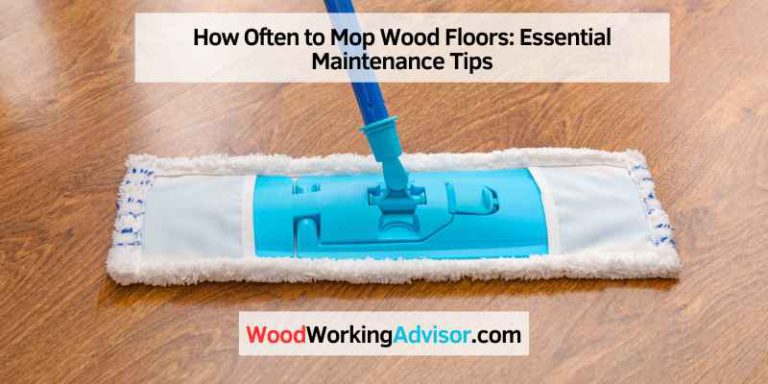
Keep wood floors shiny with regular cleaning. Use a soft broom to remove dirt. This helps prevent scratches. Mop floors with a damp cloth weekly. Avoid soaking the floor with water. Water can damage wood. Use a gentle cleaner. Harsh chemicals may ruin the finish.
Floor wear happens over time. Protect floors by placing rugs in high-traffic areas. Rugs help reduce scratches and scuffs. Use furniture pads under chairs and tables. These pads prevent dents and marks. Repair small scratches with wood polish. A quick fix keeps floors looking new.
Frequently Asked Questions
What Paint Colors Match Light Wood Floors?
Neutral tones like beige, soft gray, and light blue pair well with light wood floors. These colors complement the natural warmth of wood. Consider using these hues for a harmonious look. They create a balanced and inviting atmosphere in any room.
Which Paint Colors Suit Dark Wood Floors?
Lighter shades like ivory, pale green, and soft pink work well with dark wood floors. They create a nice contrast and brighten up the space. These colors enhance the rich tones of the wood while maintaining a cozy vibe.
Can White Paint Be Used With Wood Floors?
Yes, white paint complements both light and dark wood floors. It creates a clean, timeless look. White walls highlight the natural beauty of wood, making the space feel open and airy. It’s a versatile choice for any home style.
How Do I Choose Paint Colors For Wood Floors?
Consider the wood’s undertones and room lighting. Test samples on walls to see how colors interact. This helps in achieving a cohesive look. Balance is key; choose colors that enhance the wood’s natural beauty without overwhelming it.
Conclusion
Choosing the right paint color enhances wood floors beautifully. Light shades create a spacious feel, while dark tones add warmth. Consider room size and lighting before deciding. Test samples on small areas first. This helps ensure satisfaction with your choice.
Remember, floor color impacts the entire room’s vibe. Bold colors add personality, while neutral tones offer timeless appeal. Balance is key for a cohesive look. Explore options, trust your instincts, and enjoy your refreshed space. A perfect match awaits!