How to Clean an Unfinished Wood Floor Without Warping It
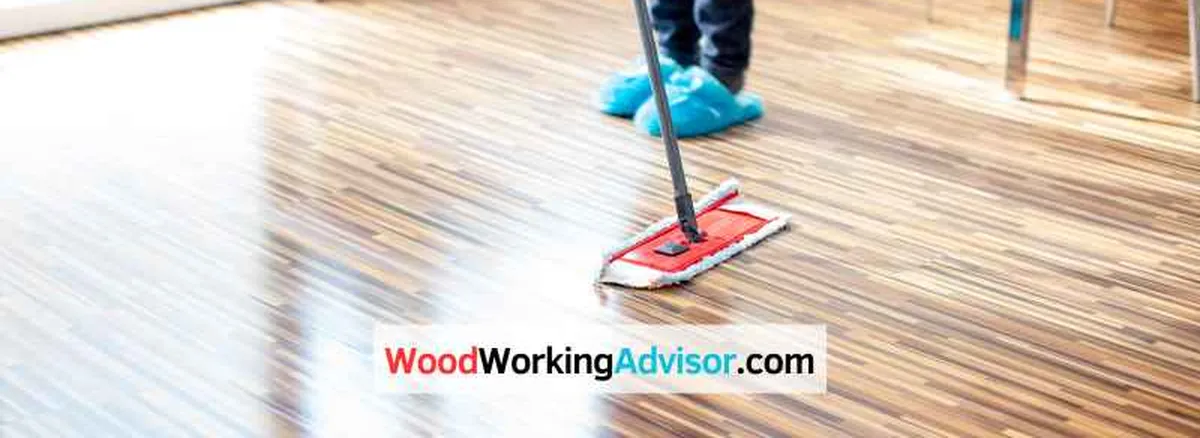
To clean an unfinished wood floor, sweep or dust-mop first, then go over it with a barely-damp, pH-neutral solution, never a wet mop, since raw wood has no finish layer to block moisture. Standing water swells the grain within minutes and can cause permanent cupping or warping. This guide covers tool selection, stubborn-stain and pet-urine removal, and the maintenance routine that keeps grain from raising over time.
Choosing The Right Tools
Best Unfinished Wood Floor Cleaner Pick
Puracy Wood Floor Cleaner Concentrate – $12.99
This is the pH-neutral, plant-based cleaner type this guide recommends for unfinished wood — residue-free, so it won’t leave a film that traps dirt or needs rinsing.
- Best for: Regular cleaning that won’t strip or dull raw wood
- Why we picked it: pH-neutral and residue-free, matching the cleaner type this guide says is safe on unfinished floors
- Main drawback: Ships as a concentrate, so you mix it before use instead of spraying straight from the bottle
Compare more unfinished wood floor cleaning options
 Option 1 MR.SIGA Professional Microfiber Mop – $35.99
|
 Option 2 BPAWA Microfiber Flat Mop – $17.99
|
 Option 3 Bona Premium Sweep & Clean Mop – $19.97
|
As an Amazon Associate we earn from qualifying purchases.
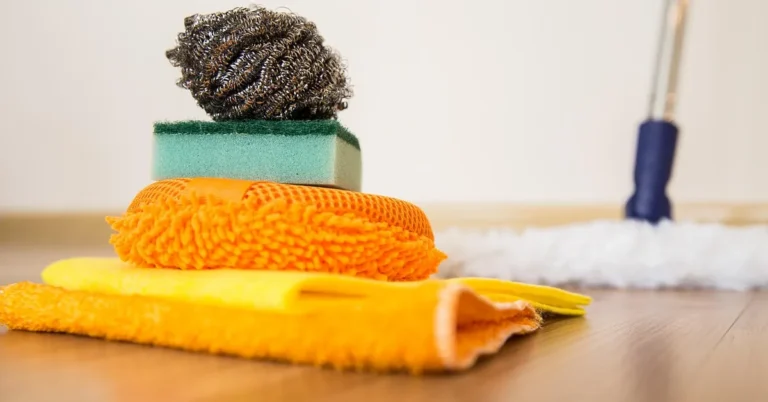
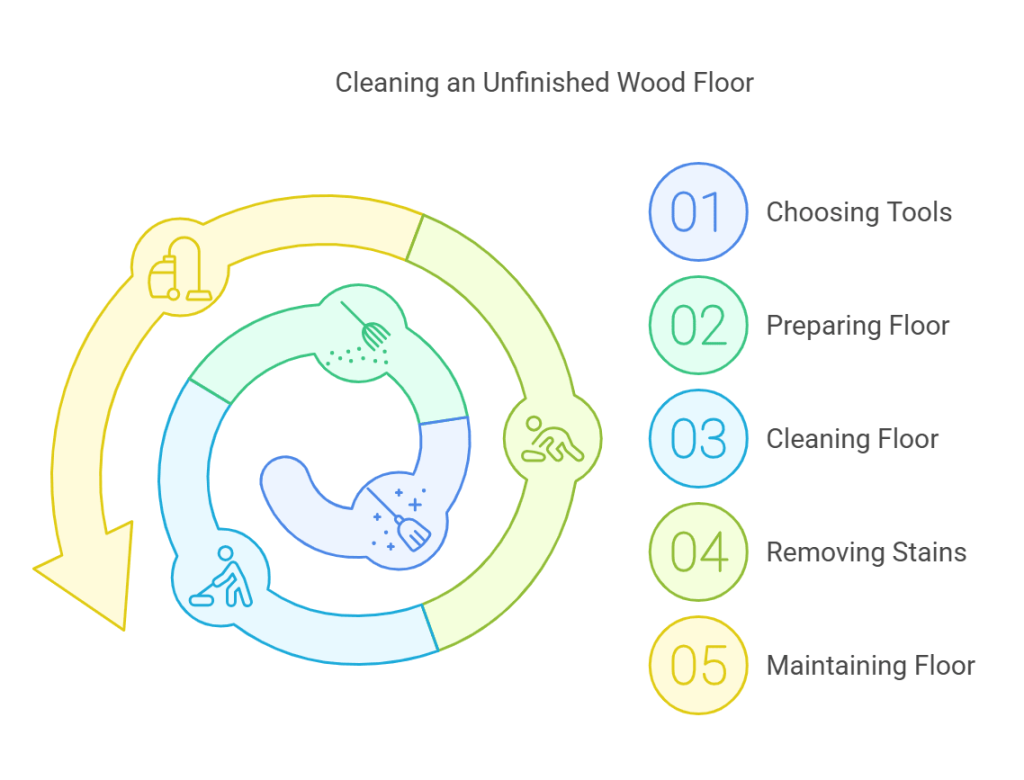
Cleaning an unfinished wood floor requires the use of specific tools to ensure the best results without causing any damage. By selecting the right tools, you can effectively remove dirt, dust, and debris while preserving the natural beauty of your wood floor. Let’s take a closer look at the essential tools you need for cleaning your unfinished wood floor.
Quality Broom
When it comes to sweeping an unfinished wood floor, using a quality broom is paramount. Look for a broom with soft bristles that won’t scratch or dull the surface of your wood floor.
Soft Dust Mop
In addition to a broom, a soft dust mop is an excellent tool for cleaning an unfinished wood floor. The soft fibers of a dust mop gently collect dust and dirt without leaving behind any scratches. Remember to regularly shake out or wash the dust mop to remove any trapped debris.
Table: Features Of A Quality Broom And Soft Dust Mop
| Quality Broom | Soft Dust Mop |
|---|---|
|
|
By investing in a quality broom and soft dust mop, you can ensure the proper maintenance of your unfinished wood floor. Remember to use these tools gently and avoid excessive force to prevent any accidental scratches or damage. Always sweep or mop in the direction of the wood grain to achieve the best cleaning results.
Preparing The Floor
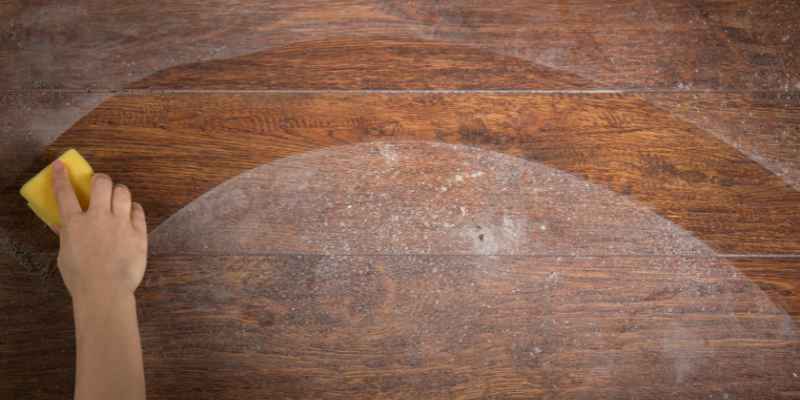
In order to effectively clean an unfinished wood floor, it is essential to properly prepare the surface first. This ensures that the cleaning process will be efficient and successful. The first step in preparing the floor is to remove any loose debris that may be present.
Remove Loose Debris
To begin, carefully inspect the floor for any loose debris such as dirt, dust, or small particles. Gently pick up and dispose of any visible debris by hand, ensuring that the floor is free from any loose or larger materials.
Sweep Or Vacuum The Floor
After removing the loose debris, it is important to thoroughly sweep or vacuum the floor to eliminate any remaining dirt or dust. This step ensures that the surface is clean and ready for further cleaning procedures. When sweeping or vacuuming, pay attention to all corners, crevices, and hard-to-reach areas to ensure a comprehensive clean.
If you choose to sweep the floor, make sure to use a soft-bristle broom that won’t scratch the surface. Begin by sweeping in a gentle, sweeping motion, working your way across the entire floor. Take care to reach under furniture and in tight spaces where debris tends to accumulate.
If you prefer to use a vacuum cleaner, make sure it has a bare floor attachment or setting to prevent any potential scratching. Start by vacuuming in straight lines, overlapping each stroke to ensure thorough cleaning. Remember to properly clean or replace the vacuum bag or canister regularly to maintain optimal performance.
In conclusion, preparing the floor before cleaning is crucial to achieve the best results when cleaning an unfinished wood floor. By removing loose debris and thoroughly sweeping or vacuuming, you can ensure that your floor is ready for a deeper clean, allowing it to shine and retain its natural beauty.
Cleaning The Floor
Now that you’ve prepared your unfinished wood floor for cleaning, it’s time to tackle the task at hand. Cleaning an unfinished wood floor requires gentle care and the right techniques to avoid damaging the wood. Here are the steps you should follow to ensure a thorough and safe cleaning process.
Mix A Cleaning Solution
Before you start cleaning your unfinished wood floor, you’ll need to create a suitable cleaning solution. To make a homemade cleaning solution, combine equal parts warm water and white vinegar in a bucket. The mild acidity of vinegar helps to break up dirt and grime while being gentle on the wood. Make sure to mix the solution well.
Apply The Solution With A Damp Mop
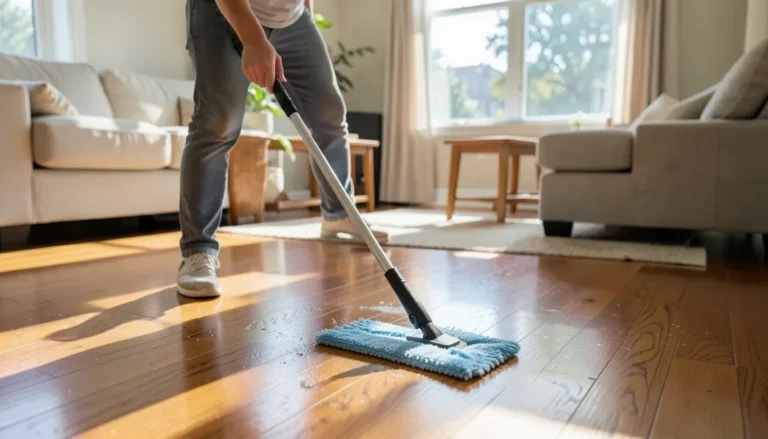
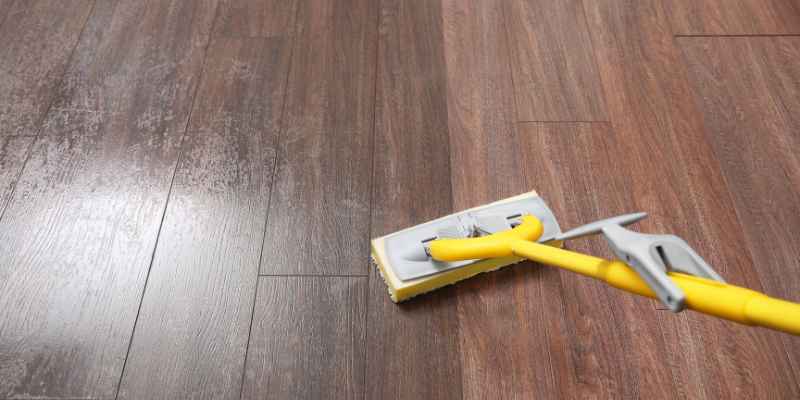
Once you have your cleaning solution ready, dampen a mop in the solution. You’ll want to make sure the mop is only slightly damp, as excess moisture can cause damage to the wood. Begin by gently mopping the floor in the direction of the wood grain, applying even pressure. This will help to prevent scratches and ensure a consistent cleaning.
Remove Excess Moisture
After you’ve finished mopping the floor, it’s crucial to remove any excess moisture to prevent water damage or warping of the wood. You can do this by using a dry mop or a clean, dry cloth. Gently go over the surface of the floor, absorbing any remaining moisture. Pay close attention to any areas where the cleaning solution may have accumulated, such as corners or edges.
Remember, it’s important not to let water sit on an unfinished wood floor for an extended period. Too much moisture can cause the wood to swell or lose its natural shape. By promptly removing excess moisture, you’ll help maintain the integrity of your unfinished wood floor.
Removing Stubborn Stains
Stubborn stains on unfinished wood floors can be frustrating to deal with, but with the right approach, you can restore your floor’s natural beauty. Identifying the type of stain and utilizing appropriate cleaning methods are key to effectively removing these stubborn marks. If the mark is a scuff rather than a soaked-in stain, see our guide on removing scuff marks without damage.
Identify The Type Of Stain
Before you begin the cleaning process, it’s important to identify the type of stain on your unfinished wood floor. This step helps determine the most suitable cleaning method and ensures you’re not using anything that could further damage your floor.
To identify the type of stain, take a close look at the affected area. Here are some common types of stains you may encounter:
| Stain Type | Description |
|---|---|
| Water stains | These are typically caused by spills and can leave white or dark marks on the wood surface. |
| Food stains | These stains are a result of dropped food or beverages and can range from light to dark in color. |
| Grease stains | Grease or oil spills can penetrate the unfinished wood, leaving stubborn, dark stains. |
| Ink stains | Accidental ink marks can be common and can be challenging to remove from an untreated wood surface. |
Utilize Appropriate Cleaning Methods
Once you’ve identified the type of stain, it’s time to choose the appropriate cleaning method. Different stains require different approaches to effectively remove them without causing further damage. Here are some methods to consider:
Water stains:
- Light water stains can often be removed by gently rubbing the area with a mixture of equal parts vinegar and water.
- For more stubborn water stains, you may need to use a commercial wood cleaner specifically formulated to remove these types of marks.
Food stains:
- For light food stains, mix a solution of warm water and mild dish soap, then gently scrub the stain using a sponge or soft cloth.
- Dark food stains may require a stronger cleaner, such as hydrogen peroxide or baking soda paste. Apply the cleaner to the stain, let it sit for a few minutes, then gently scrub and wipe away.
Grease stains:
- To tackle grease stains, sprinkle a generous amount of cornstarch or baking soda onto the affected area and let it sit for several minutes to absorb the grease. Then, wipe it away with a damp cloth.
- If the stain persists, you can try using a mild detergent mixed with warm water to gently scrub the area.
Ink stains:
Ink stains can be particularly stubborn, but with gentle attention, they can be removed. Here’s what you can try:
- Blot the ink stain gently with a clean, dry cloth to soak up any excess ink.
- Apply a small amount of rubbing alcohol to a clean cloth or cotton ball, then slowly and gently dab at the stain until it lifts.
- Rinse the area with warm water and pat dry with a clean towel.
Remember, when cleaning your unfinished wood floor, always test any cleaning solution or method in a small, inconspicuous area before applying it to the entire stain. This helps ensure that the solution will not cause any discoloration or damage to the wood surface. With patience and the right approach, you can successfully remove stubborn stains and bring back the natural beauty of your unfinished wood floor.
Removing Pet Urine Stains and Odor from an Unfinished Wood Floor
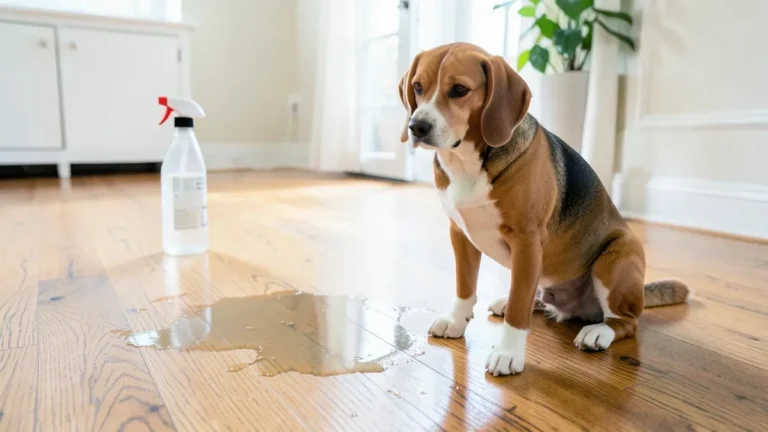
Unfinished wood soaks up pet urine far faster than a sealed floor — there’s no finish layer blocking the liquid, so it penetrates the grain within minutes and carries the odor-causing uric acid down with it. Blotting alone, the method that works for the water and food stains above, will not fully clear a urine stain or its smell once it has soaked in.
Act Immediately
Blot up as much liquid as possible right away with a dry cloth or paper towel — press straight down rather than wiping, which spreads the liquid into more of the grain instead of lifting it out.
Treat the Stain
- Fresh stains: Pour hydrogen peroxide slowly over the spot and let it soak in. Lay a piece of plastic wrap over a damp rag on top of the area to keep it moist while the peroxide works into the stain.
- Odor, not just the stain: An enzymatic cleaner works where vinegar solutions don’t — it contains enzymes that break down the uric acid itself rather than just lifting surface dirt, which is what actually neutralizes the smell instead of masking it.
- Lingering smell after cleaning: Sprinkle baking soda over the dried area, let it sit for about an hour to pull out residual odor, then sweep or vacuum it up.
When Cleaning Isn’t Enough
If urine has soaked deep into the wood and the odor persists after treatment, the affected boards may need to be sanded down to remove the stained layer entirely, then refinished or resealed. This is a last resort, but on raw wood it’s sometimes the only way to fully remove urine that has penetrated below the surface.
📊 Enzymatic cleaners break down uric acid at the molecular level, while surface cleaners like vinegar only address the visible stain — Source: Bruce Hardwood Floors
Maintaining The Wood Floor
Maintaining an unfinished wood floor requires careful cleaning techniques to avoid damage and maintain its natural beauty. Regularly sweeping, vacuuming, and damp mopping with a mild wood floor cleaner will help remove dirt and debris while protecting the wood’s integrity.
Maintaining an unfinished wood floor is essential for preserving its natural beauty and ensuring its longevity. By following some simple steps, you can keep your floor looking pristine for years to come. Regular sweeping and dusting, avoiding excessive water, and using protective floor mats are key practices to implement in your wood floor maintenance routine — see our guide on how to care for hardwood floors and make them last longer for the general routine that applies once the floor is sealed.
Regular Sweeping And Dusting
Regular sweeping and dusting are crucial for preventing dirt, dust, and debris from accumulating on your unfinished wood floor. These particles can act as abrasive agents, causing scratches and damage to the delicate surface. To effectively remove dirt and dust, we recommend the following steps:
- Sweep the floor using a soft-bristle broom or a microfiber dust mop. These tools will collect debris without scratching the wood.
- Remove fine particles by using a vacuum cleaner with a brush attachment. Be sure to use a vacuum specifically designed for hardwood floors to reduce the risk of scratching.
- For more thorough cleaning, gently dampen the microfiber mop or cloth with water to capture any remaining dirt.
Avoid Excessive Water
Water is the enemy of unfinished wood floors, as it can warp, stain, and damage the wood. It’s important to minimize water exposure and employ dry cleaning methods whenever possible. Here are a few tips to help you avoid excessive water:
- Wipe up any spills immediately using a clean, dry cloth. Don’t allow the liquid to penetrate the wood’s surface.
- When cleaning, use only a lightly damp mop or cloth. Too much moisture can seep into the wood and cause irreparable damage.
- Avoid using harsh cleaning agents that contain chemicals or abrasive ingredients. These can strip the protective coating and compromise the wood’s natural beauty.
Use Protective Floor Mats
Protective floor mats are essential for preventing scratches, scuffs, and dirt from entering your home and damaging your beautiful unfinished wood floor. Here’s how to make the most of floor mats:
- Place an absorbent, non-slip mat at entryways to trap dirt and moisture from shoes.
- Consider using rugs or runners in high-traffic areas to reduce the wear and tear on your wood floor.
- Ensure that the floor mats and rugs are regularly cleaned to prevent trapped dirt from scratching the wood.
Taking good care of your unfinished wood floor is an investment that pays off in the long run. By following these maintenance tips, you can enjoy the natural beauty of your wood floor for many happy years. Remember to regularly sweep and dust, avoid excessive water, and utilize protective floor mats to keep your floor looking its best.
Conclusion
To conclude, maintaining the cleanliness of an unfinished wood floor is crucial for its longevity and aesthetic appeal. By following the proper cleaning methods discussed you can effectively remove dirt, dust, and stains without damaging the wood. Regular sweeping, mopping with mild solutions, and avoiding excessive moisture are key practices to preserve the natural beauty of your unfinished wood floor. If stains or wear ever go deeper than routine cleaning can fix, see our guide on how to sand and refinish wood floors like a professional.
Remember, a well-cared-for floor will enhance the overall ambience of your space and contribute to a healthy and inviting environment. For a full breakdown of every flooring type and how to care for each one, see our wood flooring guide.
Sponsored / affiliate links. As an Amazon Associate I earn from qualifying purchases. I may earn additional commission from eligible campaigns.