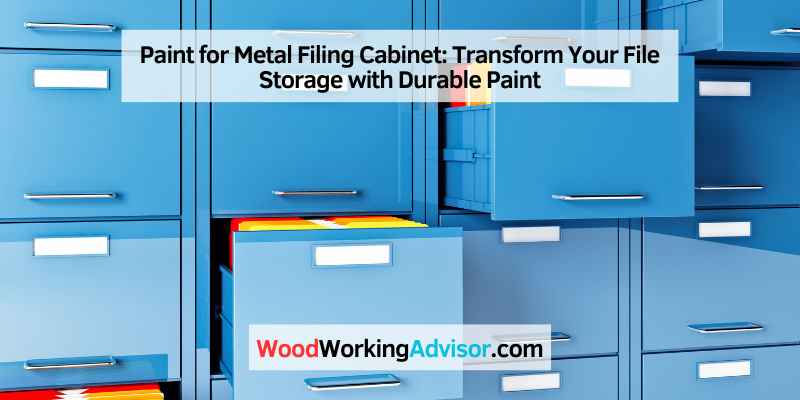
How to Paint a Metal Filing Cabinet (Right Primer, No Rust)
A metal filing cabinet needs a rust-specific primer, not a generic one — Rust-Oleum’s Stops Rust Clean Metal Primer for bare steel, or the Rusty Metal version once corrosion has started. Using the wrong primer is the top reason paint chips off drawers within months. This guide covers surface prep, spray vs. brush-on enamel, exact dry times between coats, and the safety gear you actually need.
Quick Answer
Use Rust-Oleum Stops Rust Clean Metal Primer on bare, rust-free steel, or Rusty Metal Primer if corrosion is already present, then apply two to three light coats of enamel or all-surface spray paint. Let each coat dry 20–30 minutes before recoating, and wait 24–48 hours before loading the drawers.
Benefits of Painting Metal Filing Cabinets
Best Metal Filing Cabinet Paint Pick
Rust-Oleum Universal All Surface Spray Paint (Satin)
A no-primer-needed all-surface spray designed to bond to metal, and includes rust protection built into the formula.
- Best for: a full cabinet color change in one product line
- Why we picked it: pairs directly with the primers above and comes in satin finishes that hide handle wear better than gloss
- Main drawback: still needs the rust-specific primer from the table above on bare or rusted steel for best adhesion
Compare more primer & paint options
 Option 1 Clean Metal Primer
|
 Option 2 Rusty Metal Primer
|
 Option 3 Appliance Epoxy Paint
|
As an Amazon Associate we earn from qualifying purchases.
Revitalize your workspace with a fresh coat of paint on metal filing cabinets. A properly primed and painted cabinet resists scratches and rust far better than a bare or worn factory finish, and it costs a fraction of buying new. See our full wood and metal finishing guide for how paint compares to other finish types.
Enhanced Durability
Metal filing cabinets are a staple in many offices, but over time they lose their finish and become dull. Painting your metal filing cabinet restores its appearance and adds a protective layer that acts as a barrier against scratches, dents, and daily wear.
Customization Options
With various paint colors and finishes available, you can turn a filing cabinet into a piece that matches your office decor — a bold color, a sleek metallic finish, or even stenciled logos and decals for brand identity.
Which Metal Primer Should You Use? (Rust vs. No Rust)
The primer you need depends on the cabinet’s actual condition, not just that it’s “metal.” Matching the primer to the surface is the single biggest factor in whether the paint job lasts a year or five.
| Cabinet Condition | Primer to Use | Why |
|---|---|---|
| Bare or clean steel, no rust | Stops Rust Clean Metal Primer (flat white) | Bonds directly to bare metal and dries to touch in about 15 minutes |
| Light surface rust or pitting | Stops Rust Rusty Metal Primer (flat brown) | Formulated to bond over existing light rust and slow it from spreading under the topcoat |
| Heavy rust or flaking paint | Wire-brush or rust remover first, then Rusty Metal Primer | Primer alone will not stop rust that is already lifting the old finish |
How to Prep a Metal Filing Cabinet Before You Paint
Prep determines whether paint bonds for years or peels within months. Empty the drawers, remove handles and hardware (or mask them and the lock with tape), then work through the steps below in order.
- Clean the surface: Wipe down every panel with a degreaser or mild detergent and water to remove dirt, grease, and dust, then let it dry completely.
- Sand the surface: Rough up the finish with 220–320-grit sandpaper so the primer has something to grip — you’re not trying to strip the old finish, just knock the gloss off it.
- Wipe away dust: Use a tack cloth, or a cloth dampened with a little paint thinner, to remove all sanding dust before priming — dust trapped under primer causes a gritty, uneven finish.
- Apply the matching primer: Use the Clean Metal or Rusty Metal primer from the table above, in thin, even coats, and let it dry fully before painting.
Safety Gear You’ll Actually Need
Spray primers and paints put fine particulates and solvent vapor into the air fast in a closed room. Work in a well-ventilated space (open garage door, box fan pulling air out a window), wear rubber or nitrile gloves, and use at least an N95 mask — a full respirator rated for organic vapors is better if you’re doing the whole cabinet in one session.
How to Apply the Paint (Step-by-Step)
Once the primer has fully dried, apply an enamel, epoxy, or all-surface spray paint designed for metal in thin, even coats rather than one heavy one.
- Shake the can: Shake spray paint for 40–60 seconds until you hear the mixing ball moving freely.
- Hold the right distance: Spray from about 10–12 inches away, keeping the can moving to avoid drips and runs.
- Apply thin coats: Two to three light coats give better coverage and a smoother finish than one thick coat, which is prone to sagging.
- Let coats flash off: Wait 20–30 minutes between coats (check your specific can’s label, as times vary by brand and humidity).
- Fix imperfections between coats: Lightly sand any drips or dust nibs with fine-grit sandpaper and wipe clean before the next coat.
- Let it cure: Give the final coat at least 24–48 hours before loading files back into the drawers, so the paint fully hardens instead of just drying to the touch.
📊 Rust-Oleum’s Clean Metal Primer is rated to dry to touch in about 15 minutes and cover up to 12 sq. ft. per 12 oz. can — a standard 4-drawer filing cabinet (all exterior panels) typically needs one full can of primer plus a second can for the topcoat.
Color and Design Ideas
A repainted filing cabinet doesn’t have to stay office-beige. Vibrant colors like neon green, fiery red, or royal blue bring personality to a workspace, while geometric patterns, an ombre fade, or painter’s-tape stripes give a more contemporary look. For a calmer palette, blush pink, mint green, or light lavender work well in shared office spaces. Stencils or vinyl decals are an easy way to add a logo or pattern without freehand painting.

Ensuring Longevity
Sealing the Paint
A clear top coat protects the paint from scratches once it has fully cured. Glossy and matte clear coats are both available depending on the look you want.
Maintenance Tips
Wipe the cabinet with a damp cloth regularly to prevent dust buildup, and use mild soap and water for stubborn stains rather than abrasive cleaners that can dull the new finish.
Common Mistakes to Avoid
These mistakes are why a paint job on a metal filing cabinet fails early:
- Skipping prep work: Painting over dirt, grease, or a glossy factory finish is the fastest way to get chipping and peeling within weeks.
- Using the wrong primer for the surface: Clean Metal Primer on a rusted cabinet won’t stop the rust from bleeding through — match the primer to the surface condition using the table above.
- Using the wrong paint type: Opt for a high-quality metal paint that is specifically formulated for metal surfaces rather than an all-purpose wall paint.
- Skipping ventilation and a mask: Spraying indoors without airflow or an N95/respirator is a real health risk, not just a comfort issue.
Frequently Asked Questions
Can I use regular paint for a metal filing cabinet?
Yes, but it needs to be paired with a metal primer first. Prime the surface with a rust-appropriate primer, then use a paint suitable for metal surfaces, such as enamel or an all-surface spray paint, for best adhesion and durability.
What type of paint is best for a metal filing cabinet?
Enamel and epoxy paints are the best choices for a metal filing cabinet. Both are durable, provide a smooth, glossy finish, and offer strong adhesion to metal once the surface is primed correctly.
How do I prepare a metal filing cabinet for painting?
Clean the surface thoroughly with a degreaser, sand it with 220–320-grit sandpaper to remove the glossy factory finish, wipe away all dust, then apply a primer matched to the cabinet’s rust condition before painting.
Can I repaint a metal filing cabinet without stripping the old paint?
Yes, as long as the old paint is intact and not flaking. Clean and sand the existing finish to give the new primer something to grip, but if the old paint is chipping or peeling, remove the loose sections first or it will telegraph through the new coat.
Do you need to sand a metal filing cabinet before painting?
Yes. Sanding with 220–320-grit sandpaper removes the glossy factory finish so the primer can mechanically grip the surface. Skipping this step is one of the most common reasons paint peels off a metal cabinet within months.
How long does paint need to cure on a metal filing cabinet?
Most spray enamels dry to the touch in 20–30 minutes but need 24–48 hours to fully cure. Wait the full cure time before loading files back into the drawers, since paint that’s dry to the touch can still soften and stick under weight.
Conclusion
Choosing the right paint for your metal filing cabinet starts with matching the primer to the cabinet’s actual condition — bare steel, light rust, or heavy rust each need a different approach. Prep thoroughly, apply thin coats with proper dry time between them, and let the final coat fully cure before putting files back in the drawers. Happy painting!
Sponsored / affiliate links. As an Amazon Associate I earn from qualifying purchases. I may earn additional commission from eligible campaigns.