Pencil Cedar: Why It’s Called That, and What It’s Actually Used For Now
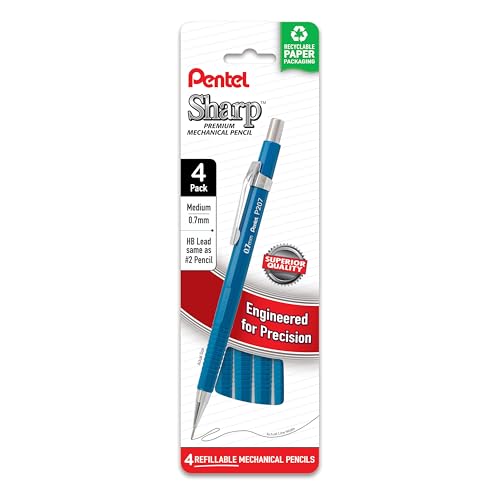
“Pencil cedar” most commonly refers to Eastern redcedar (Juniperus virginiana), named for its historic role supplying wood for pencil casings in the 19th and early 20th centuries. That’s largely a historical name today — most pencils manufactured now use incense cedar (Calocedrus decurrens) instead, after Eastern redcedar supplies grew scarce from heavy pencil-industry demand over a century ago.
Why the Name Stuck Even Though the Wood Changed
The Modern Everyday Use of This Wood
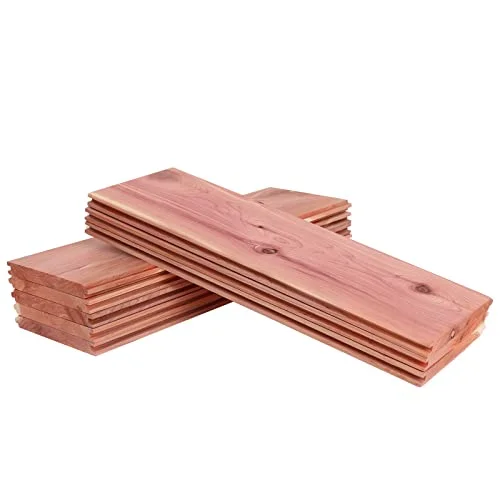 |
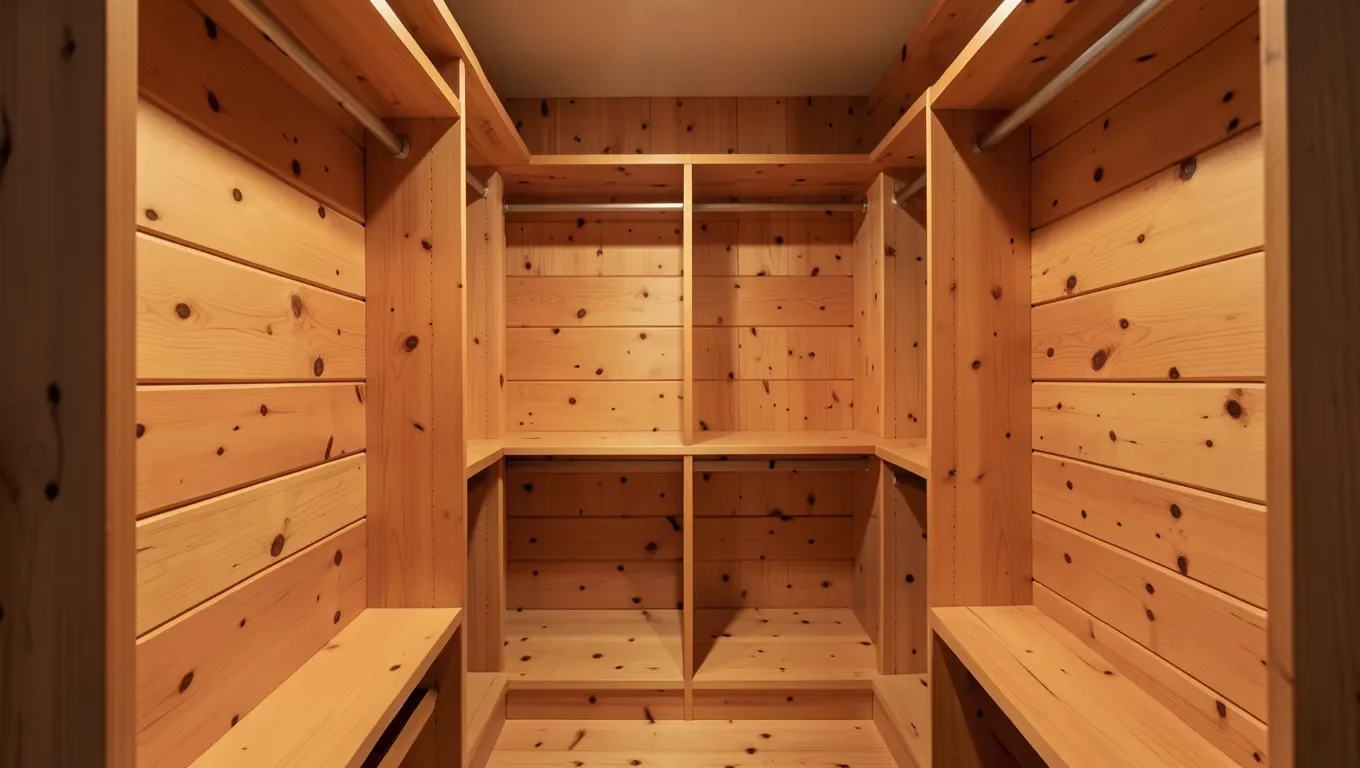
Homode Aromatic Cedar Closet Liner Planks, Set of 8 – $26.16 Eastern redcedar’s real modern use isn’t pencils anymore — it’s the aromatic closet lining that repels moths naturally.
|
By the early 1900s, decades of pencil manufacturing had significantly depleted accessible Eastern redcedar stands, pushing manufacturers toward incense cedar from California and Oregon, which is softer, straighter-grained, and easier to sharpen — genuinely better suited to pencil production, not just a substitute of necessity. Incense cedar remains the dominant pencil wood today, but “pencil cedar” as a common name for Eastern redcedar persisted in general use.
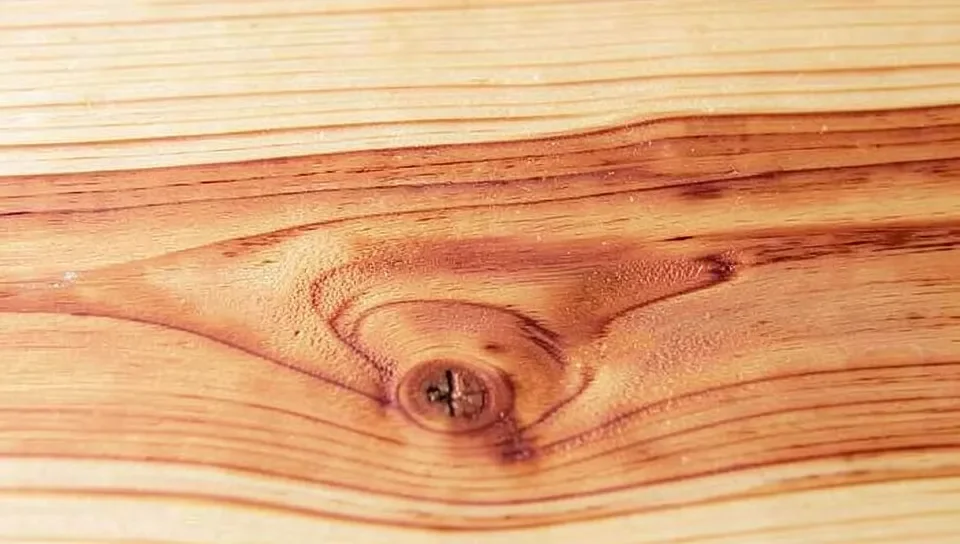
Eastern Redcedar’s Real Properties
Eastern redcedar has a Janka hardness of roughly 900 lbf — notably harder than incense cedar’s approximately 470 lbf, and harder than many people expect from a wood commonly grouped with “soft” cedars. Its natural oils give it real insect-repelling and rot-resistant properties, and its distinctive aromatic scent is the same characteristic that makes it the standard material for cedar closets and chests, not a separate or unrelated quality.
What Pencil Cedar Is Actually Used For Today
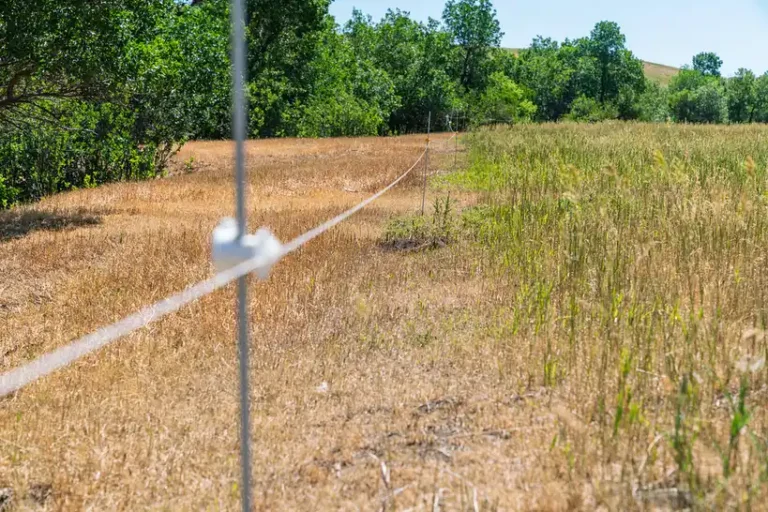
Eastern redcedar’s modern uses lean heavily on its aroma and insect resistance rather than pencil manufacturing: cedar closet lining, cedar chests, fence posts (its rot resistance holds up well in ground contact), and decorative carving. It’s genuinely well-suited to these uses independent of its historical pencil connection — the name is a legacy, but the wood’s real practical value today is elsewhere.
Frequently Asked Questions
Are pencils still made from pencil cedar today?
Mostly not. Most pencils now use incense cedar, not Eastern redcedar (“pencil cedar”), after redcedar supplies were depleted by heavy demand in the early 1900s.
Is pencil cedar the same wood used in cedar closets?
Yes. Eastern redcedar (the tree commonly called pencil cedar) is the standard aromatic cedar used for closet lining and cedar chests.
Is pencil cedar hard or soft wood?
Moderately hard for a cedar — about 900 lbf on the Janka scale, notably harder than incense cedar (roughly 470 lbf), which is what most modern pencils actually use.
Conclusion
Pencil cedar earned its name from real 19th-century pencil manufacturing, but modern pencils have moved on to incense cedar — Eastern redcedar’s real value today is its aroma and insect resistance in closets, chests, and outdoor posts. The historical name and the wood’s current best use are two genuinely different things.
Sponsored / affiliate links. As an Amazon Associate I earn from qualifying purchases. I may earn additional commission from eligible campaigns.