Physical Properties of Mahogany Wood: Unveiling Strengths
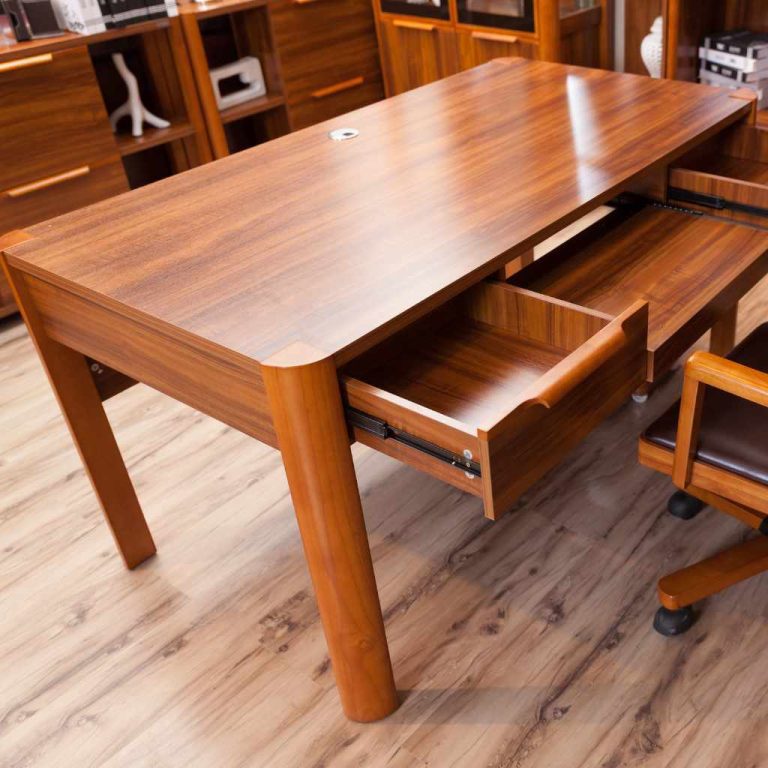
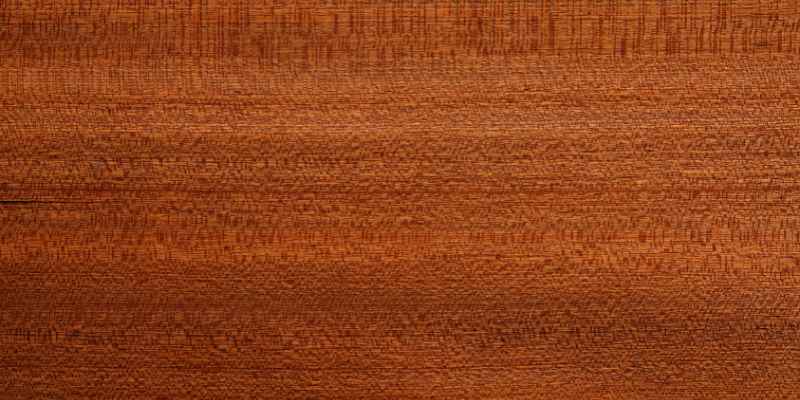
Mahogany wood is renowned for its durability and resistance to decay. It features a rich, reddish-brown color with a fine, straight grain.
Mahogany wood stands out for its exceptional physical properties, making it a favorite among woodworkers and furniture makers. Known for its strength and stability, mahogany resists warping and splitting, ensuring longevity in various applications. The wood’s natural luster adds an elegant touch to any piece, enhancing its aesthetic appeal.
Mahogany is also lightweight yet sturdy, making it easy to work with while maintaining structural integrity. Its ability to hold finishes well further elevates its desirability in crafting high-quality furniture and cabinetry. Understanding these characteristics can help in selecting the right materials for projects requiring both beauty and durability.
Introduction To Mahogany Wood
Mahogany wood is renowned for its beauty and durability. It comes from several tropical trees. People admire its rich color and fine grain. This wood is highly valued in furniture making and crafts.
Historical Significance
Mahogany has a long and rich history. It has been used for centuries in many cultures. Ancient Egyptians prized it for its beauty. European explorers found it in the Caribbean and South America.
- First used in the 16th century.
- Popular among wealthy families.
- Symbol of luxury and status.
Mahogany was essential for shipbuilding. Its resistance to water made it perfect for boats. Furniture makers also embraced mahogany for its strength.
Modern Uses
Today, mahogany wood is popular for various uses. Here are some of its common applications:
| Use | Description |
|---|---|
| Furniture | Crafted into tables, chairs, and cabinets. |
| Musical Instruments | Used for making guitars and pianos. |
| Boat Building | Preferred for its durability and water resistance. |
| Decorative Items | Carved into beautiful sculptures and art pieces. |
Mahogany wood continues to be a favorite choice. Its timeless appeal makes it ideal for various projects. Builders and artisans appreciate its workability and finish.
Botanical Profile
The botanical profile of mahogany wood reveals its unique characteristics. Mahogany is a hardwood valued for its beauty and durability. It belongs to the Swietenia genus, which includes several key species.
Species Variations
Mahogany wood comes from different species, each with distinct features. Here are the most notable species:
- Swietenia macrophylla – Known as Honduras mahogany. It has a reddish-brown color and good workability.
- Swietenia mahagoni – Known as Cuban mahogany. It offers rich color and excellent stability.
- Swietenia humilis – Known as Pacific mahogany. It is smaller and less common.
Geographical Distribution
Mahogany trees grow in various regions. Their main habitats include:
| Region | Species |
|---|---|
| Central America | Swietenia macrophylla |
| Caribbean | Swietenia mahagoni |
| South America | Swietenia macrophylla |
| Pacific Islands | Swietenia humilis |
Mahogany thrives in tropical climates. It requires warm temperatures and ample rainfall. This distribution contributes to its rich color and high quality.
Color And Texture
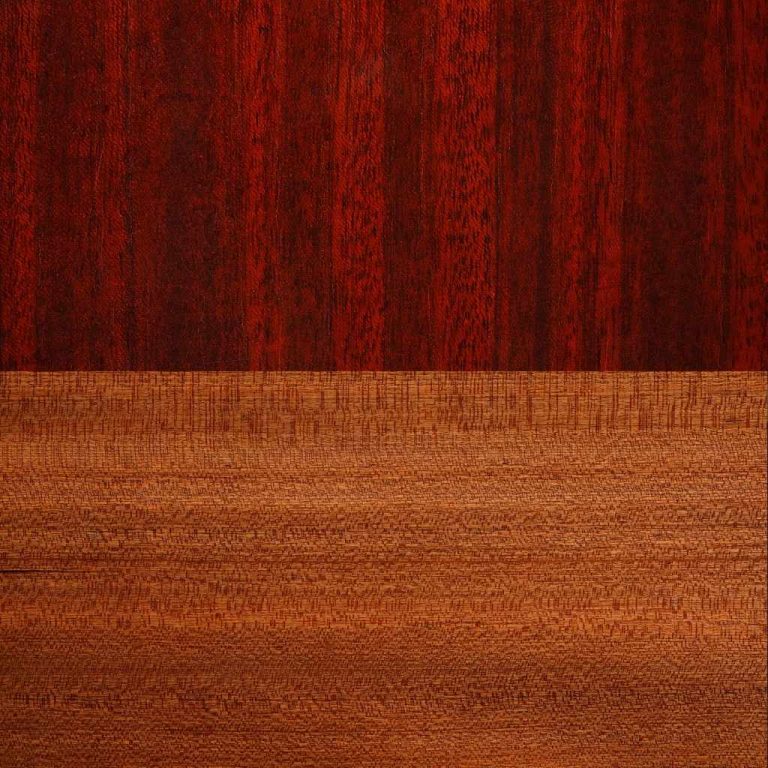
Mahogany wood is renowned for its stunning color and rich texture. These qualities make it a popular choice for furniture and cabinetry. Understanding the color variations and grain patterns helps appreciate its beauty.
Natural Hue Variations
Mahogany wood features a range of natural hues. These variations can be influenced by the tree’s age and location. Here are some common colors:
- Light Brown: Young mahogany has a light brown shade.
- Dark Red: Mature mahogany develops a deep reddish-brown color.
- Golden Brown: Some pieces can exhibit a warm golden hue.
The color can change over time due to exposure to sunlight. This aging process can enhance the wood’s beauty.
Grain Patterns And Texture
Mahogany wood displays unique grain patterns. These patterns can vary widely from one piece to another. Common textures include:
| Grain Type | Description |
|---|---|
| Straight Grain | Features uniform lines, creating a smooth appearance. |
| Interlocking Grain | Creates a wavy pattern, adding character. |
| Figured Grain | Displays unique patterns resembling flames or waves. |
The texture of mahogany is usually smooth and fine. This makes it ideal for finishing and polishing. The combination of color and texture creates a timeless appeal.
Density And Hardness
Mahogany wood is known for its beautiful appearance and durability. Two key physical properties are density and hardness. These properties affect its strength, weight, and workability. Understanding them helps in choosing the right wood for projects.
Measuring Density
Density refers to how much mass is in a given volume. It is typically measured in grams per cubic centimeter (g/cm³). Mahogany wood has a density ranging from 0.55 to 0.85 g/cm³.
| Type of Mahogany | Density (g/cm³) |
|---|---|
| Honduran Mahogany | 0.55 – 0.75 |
| African Mahogany | 0.60 – 0.85 |
| Philippine Mahogany | 0.50 – 0.70 |
The density of mahogany influences its strength. Higher density means stronger wood. This makes mahogany suitable for furniture and cabinetry. Its density also affects how it behaves when cut or shaped.
Janka Hardness Scale
The Janka Hardness Scale measures wood hardness. It helps determine how well wood can resist dents and scratches. The scale uses a specific test to measure the force required to embed a steel ball into the wood.
- Honduran Mahogany: 900 lbf
- African Mahogany: 800 lbf
- Philippine Mahogany: 600 lbf
On the Janka scale, mahogany is moderately hard. This makes it durable yet easy to work with. It is suitable for flooring, furniture, and musical instruments.
Understanding the density and hardness of mahogany helps in making informed choices for woodworking projects. This knowledge ensures that you select the right type of mahogany for your needs.
Durability Factors
Mahogany wood is renowned for its impressive durability. This quality stems from its natural resistance to various environmental challenges. Understanding the durability factors of mahogany wood can help you choose the right applications for it.
Resistance To Decay
One of the standout features of mahogany wood is its excellent resistance to decay. This resistance is due to its dense structure and natural oils. These oils act as a barrier against moisture, which can lead to rot.
Key points about mahogany’s decay resistance:
- High resistance to fungal growth.
- Long lifespan, even in humid conditions.
- Maintains structural integrity over time.
For woodworkers, mahogany is a preferred choice. It lasts longer than many other woods. Here’s a quick comparison of decay resistance:
| Wood Type | Decay Resistance Rating |
|---|---|
| Mahogany | Very High |
| Oak | High |
| Pine | Moderate |
Insect Repellency Attributes
Mahogany wood also possesses strong insect repellency attributes. Its natural oils deter pests effectively. This reduces the risk of damage from insects.
Key attributes of mahogany’s insect repellency:
- Repels termites and other wood-boring insects.
- Maintains aesthetic appeal without chemical treatments.
- Long-lasting protection with minimal maintenance.
Choosing mahogany means less worry about insect infestations. This makes it a smart choice for furniture and outdoor projects. The inherent qualities of mahogany wood ensure it remains a top choice for durability.
Workability Features
Mahogany wood is known for its excellent workability features. Craftsmen appreciate its ease of use. This wood can be cut, shaped, and finished with minimal effort. Let’s explore its workability in detail.
Ease Of Cutting And Shaping
Mahogany is easy to cut and shape. It has a fine grain that allows for smooth cuts. Here are some key points:
- Tools: Use standard woodworking tools.
- Resistance: Low resistance during cutting.
- Splintering: Minimal splintering during shaping.
- Detailing: Holds intricate details well.
This wood is ideal for various projects. Furniture makers, cabinet builders, and artisans favor it.
Finishing And Polishing
Finishing mahogany wood enhances its beauty. It takes stains and finishes very well. Consider these aspects:
- Stain Absorption: Absorbs stains evenly and deeply.
- Polishing: Polishes to a high sheen easily.
- Durability: Maintains finish over time.
- Natural Luster: Displays a rich, warm glow.
Craftsmen can achieve stunning results with mahogany. Its natural beauty shines through in every piece.
Strength Characteristics
Mahogany wood is renowned for its incredible strength. Its durability makes it ideal for furniture and construction. Understanding the strength characteristics helps in choosing the right applications.
Tensile Strength
Tensile strength refers to the ability of wood to resist tension. Mahogany wood has impressive tensile strength, making it resistant to breaking. It measures around 10,000 to 12,000 psi (pounds per square inch).
This strength allows mahogany to endure stress without failure. Here are some key points about its tensile strength:
- High resistance to bending
- Excellent for structural applications
- Ideal for high-quality furniture
Compressive Strength
Compressive strength measures how well wood withstands compression. Mahogany wood excels in this area as well. It has a compressive strength of approximately 7,000 to 8,000 psi.
This strength ensures mahogany can bear heavy loads. Here’s a quick overview of its compressive strength:
| Property | Value (psi) |
|---|---|
| Tensile Strength | 10,000 – 12,000 |
| Compressive Strength | 7,000 – 8,000 |
These strength characteristics contribute to mahogany’s popularity. It remains a favorite choice for builders and craftsmen.
Environmental Considerations
Mahogany wood is beautiful and strong. It also raises important environmental questions. Protecting this valuable resource is vital for our planet. Let’s explore the conservation efforts and sustainable sourcing of mahogany.
Conservation Efforts
Many organizations work to protect mahogany trees. These efforts focus on sustainable practices. Here are some key actions:
- Reforestation: Planting new mahogany trees helps restore forests.
- Protection Laws: Governments create laws to safeguard mahogany.
- Community Involvement: Local people join in conservation programs.
These efforts help keep mahogany forests healthy. They also support wildlife and ecosystems.
Sustainable Sourcing
Sustainable sourcing means using resources wisely. Responsible companies ensure mahogany comes from legal sources. Here are some practices for sustainable sourcing:
| Practice | Description |
|---|---|
| Certification: | Look for certified wood, like FSC-certified mahogany. |
| Traceability: | Know where the wood comes from and how it’s harvested. |
| Support Local Communities: | Buy from local suppliers who practice sustainable methods. |
Choosing sustainably sourced mahogany helps protect forests. It ensures future generations can enjoy this beautiful wood.
Comparative Analysis
Understanding the physical properties of mahogany wood requires a comparative analysis. This helps highlight its advantages and disadvantages when placed alongside other hardwoods.
Mahogany Vs. Other Hardwoods
Mahogany stands out among hardwoods for several reasons:
- Durability: Mahogany is known for its strength.
- Appearance: Its rich color and fine grain are appealing.
- Resistance: It resists warping and decay well.
| Property | Mahogany | Oak | Maple |
|---|---|---|---|
| Density | Medium | High | Medium |
| Grain | Straight | Open | Fine |
| Color | Rich reddish-brown | Light to dark brown | Light cream to reddish-brown |
| Workability | Excellent | Good | Very good |
Cost-benefit Assessment
Choosing mahogany involves a careful cost-benefit assessment. Consider the following factors:
- Initial Cost: Mahogany is often more expensive.
- Longevity: Its durability leads to a longer life.
- Maintenance: It requires less upkeep compared to others.
Here’s a quick comparison of costs:
- Mahogany: $8 – $15 per board foot
- Oak: $5 – $10 per board foot
- Maple: $3 – $8 per board foot
Investing in mahogany may seem high initially. Its value often justifies the price over time.
Real-world Applications
Mahogany wood is famous for its beauty and durability. It serves many purposes. Craftspeople and manufacturers love using mahogany for high-quality products. Here are two major applications of this incredible wood.
Furniture And Cabinetry
Mahogany is a top choice for furniture and cabinetry. Its rich color and smooth grain make it visually appealing. Here are some key points about its use in furniture:
- Durability: Mahogany lasts for many years.
- Workability: It is easy to carve and shape.
- Finish: It takes stain and polish very well.
- Stability: It resists warping and cracking.
Common furniture items made from mahogany include:
- Tables
- Chairs
- Cabinets
- Dressers
Musical Instruments
Mahogany is also popular in the musical instrument industry. Its unique properties enhance sound quality. Here are some details about its applications in musical instruments:
- Acoustic Guitars: Mahogany produces a warm, rich tone.
- Pianos: It provides excellent resonance.
- Drums: It offers a deep, full sound.
Many musicians prefer mahogany for its:
| Characteristic | Benefit |
|---|---|
| Sound Quality | Rich and warm tones |
| Appearance | Beautiful grain and color |
| Durability | Long-lasting performance |
Musicians appreciate mahogany for its stunning looks and sound. It stands as a testament to quality craftsmanship.
Maintenance And Care
Mahogany wood is beautiful and durable. Proper care helps it last longer. Regular maintenance keeps its natural beauty intact.
Regular Upkeep Tips
Follow these tips for regular maintenance of mahogany wood:
- Clean regularly: Use a soft, damp cloth.
- Avoid harsh chemicals: Stick to mild soap and water.
- Dust frequently: Use a microfiber cloth to prevent scratches.
- Polish occasionally: Use a high-quality wood polish.
- Control humidity: Keep the environment stable.
Longevity Practices
To extend the life of mahogany wood, follow these longevity practices:
- Use coasters: Protect surfaces from heat and moisture.
- Avoid direct sunlight: Prevent fading and drying.
- Maintain temperature: Keep it between 60°F and 80°F.
- Inspect regularly: Look for signs of damage or wear.
- Apply wax: Use a natural wax for added protection.
| Maintenance Task | Frequency | Recommended Product |
|---|---|---|
| Clean | Weekly | Soft cloth |
| Polish | Monthly | Wood polish |
| Inspect | Seasonally | N/A |
| Wax | Biannually | Natural wax |
Future Of Mahogany
The future of mahogany wood is bright and evolving. Demand for this beautiful wood continues to grow. Sustainable practices and innovative technologies shape its future. This will help maintain mahogany’s quality and availability.
Innovation In Woodworking
New techniques are changing how we use mahogany. Craftsmen are exploring creative designs and finishes. Innovative methods enhance durability and aesthetics.
- Eco-friendly finishes help protect the wood.
- Advanced carving tools create intricate designs.
- 3D printing offers unique furniture options.
These innovations boost mahogany’s appeal. They attract new customers and markets. Designers appreciate the versatility and beauty of mahogany.
The Role Of Technology
Technology plays a vital role in the future of mahogany. It supports sustainable sourcing and production. Tools and software help manage resources wisely.
| Technology | Benefit |
|---|---|
| Drone Surveys | Monitor forest health and growth |
| Wood Scanners | Assess wood quality before processing |
| Supply Chain Software | Track and manage resources efficiently |
These advancements ensure mahogany wood remains sustainable. They support responsible harvesting and reduce waste. Technology makes it easier to enjoy mahogany’s beauty for years to come.
Frequently Asked Questions
What Are The Characteristics Of Mahogany Wood?
Mahogany wood is known for its rich color and durability. It features a straight grain and a smooth texture, making it ideal for furniture. Its resistance to decay and insects adds to its appeal. Additionally, mahogany’s workability allows for intricate designs in woodworking projects.
Why Is Mahogany Wood Popular For Furniture?
Mahogany wood is popular for furniture due to its stunning appearance and durability. Its deep, reddish-brown hue adds elegance to any piece. Furthermore, mahogany is less prone to warping or cracking, ensuring longevity. This combination of beauty and strength makes it a favored choice among artisans and consumers alike.
How Does Mahogany Wood Compare To Other Woods?
Mahogany wood stands out for its stability and resistance to humidity. Unlike softer woods, it doesn’t easily dent or scratch. Additionally, its natural luster requires minimal finishing. While other woods may be cheaper, mahogany offers unmatched quality and aesthetic appeal, making it a worthy investment.
Is Mahogany Wood Sustainable?
Sustainability varies by source; some mahogany is harvested responsibly. Look for certifications like FSC to ensure eco-friendliness. Sustainable mahogany supports forest preservation and reduces deforestation. Purchasing certified mahogany helps promote responsible forestry practices and protects the environment while enjoying this beautiful wood.
Conclusion
Mahogany wood stands out for its rich color and durability. Its resistance to decay makes it ideal for furniture and cabinetry. The fine grain adds elegance to any project. Understanding these physical properties helps in choosing the right wood for your needs.
Embrace mahogany for its timeless beauty and strength.