Your Ultimate Guide to Pressure Treated Wood at Lowe’s
Hey there! If you’re diving into a woodworking project or planning an outdoor build, you’ve probably heard about pressure treated wood. It’s a go-to material for so many outdoor projects, and Lowe’s is one of the best places to find it. I’ve spent a lot of time exploring the aisles of Lowe’s, picking out lumber for decks, fences, and even garden beds. Trust me, I know the excitement and confusion of choosing the right wood for the job. In this guide, I’ll walk you through everything you need to know about pressure treated wood at Lowe’s. From what it is to how to use it, I’ve got you covered with practical tips and insights from my own experience. Let’s get started!
What Is Pressure Treated Wood?
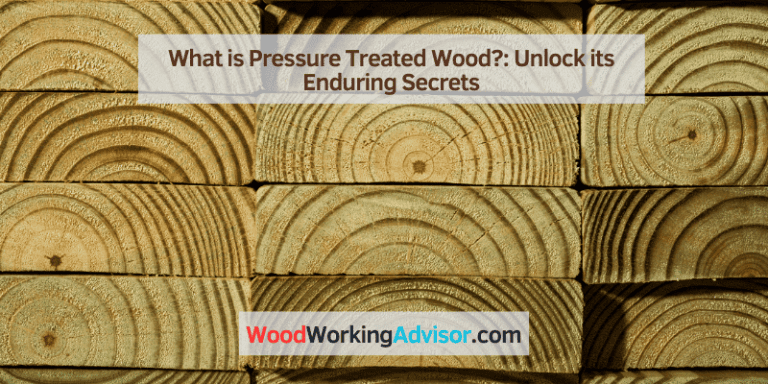
Let’s start with the basics. Pressure treated wood is lumber that’s been specially treated to withstand the elements. Imagine taking a piece of wood and giving it a superhero shield against rot, insects, and moisture. That’s what the pressure treatment process does. The wood is placed in a high-pressure chamber, and chemicals are forced deep into its fibers. These chemicals protect it from decay, termites, and mold, making it perfect for outdoor projects.
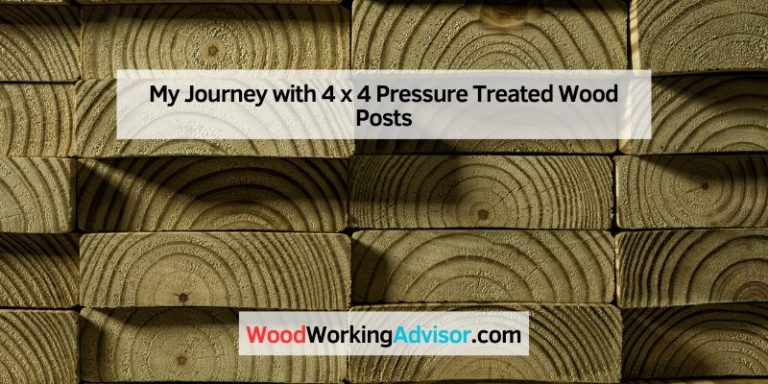
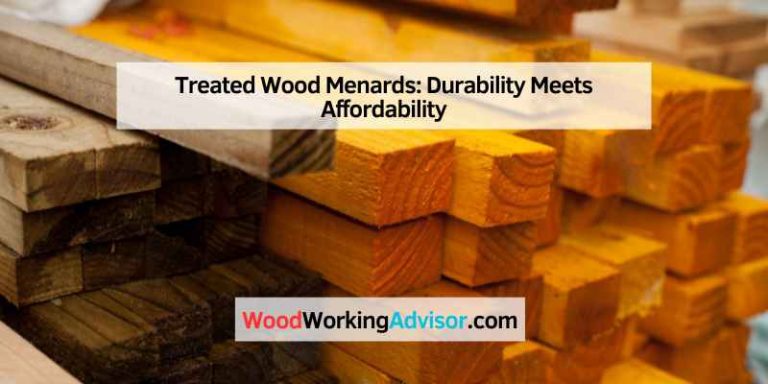
I remember the first time I picked up a piece of pressure treated wood at Lowe’s. It felt heavier than regular lumber, and it had a slight greenish tint. That’s because it’s often soaked with preservatives like alkaline copper quaternary (ACQ) or copper azole (CA). These chemicals are safe for most outdoor uses but give the wood its unique look and durability. Lowe’s carries a wide range of pressure treated wood, mostly Southern yellow pine, which is strong and affordable.
Why Choose Pressure Treated Wood for Your Projects?
You might be wondering, “Why should I pick pressure treated wood over regular lumber?” Great question! When I was building my backyard deck, I learned quickly that untreated wood wouldn’t last long against rain, sun, and bugs. Pressure treated wood is designed to handle tough conditions. Here’s why it’s a game-changer:
- Durability: It resists rot, decay, and insect damage, so your project lasts longer.
- Weather Resistance: Rain, snow, or UV rays? No problem. This wood can take it.
- Versatility: From decks to fences to garden beds, it works for tons of outdoor projects.
- Cost-Effective: It’s pricier than untreated wood upfront, but you save money by avoiding frequent repairs.
I’ve seen untreated wood fences crumble after a few years, while pressure treated ones stand strong for decades. At Lowe’s, you’ll find options like Severe Weather brand, which is treated with eco-friendly preservatives for extra protection.
Types of Pressure Treated Wood at Lowe’s
Not all pressure treated wood is the same. Lowe’s offers two main types, and knowing the difference can save you time and money. Let me break it down for you based on what I’ve learned.
Above-Ground Pressure Treated Wood
This type is designed for projects where the wood won’t touch the ground. Think deck railings, benches, or pergolas. It’s treated with fewer chemicals than ground-contact wood, which makes it lighter and often cheaper. I used above-ground lumber for a pergola in my backyard, and it’s held up beautifully for years. Lowe’s stocks sizes like 2×4, 2×6, and 5/4×6 deck boards for these projects.
Ground-Contact Pressure Treated Wood
If your project involves wood touching soil, concrete, or freshwater, you need ground-contact lumber. It’s treated with more preservatives to handle constant exposure to moisture and pests. I used ground-contact 4×4 posts for a fence, and they’re still solid after five years. Lowe’s carries options like 4×4 posts, 2×6 boards, and even 6×6 timbers for heavy-duty projects.
Here’s a quick comparison to make it clear:
| Type | Best For | Common Sizes at Lowe’s | Key Features |
|---|---|---|---|
| Above-Ground | Decks, railings, pergolas, benches | 2×4, 2×6, 5/4×6 | Lighter, less chemical treatment, cost-effective |
| Ground-Contact | Fence posts, garden beds, retaining walls | 4×4, 6×6, 2×6, 2×8 | Heavier treatment, resists soil and water damage |
When shopping at Lowe’s, check the end tags on the wood. They’ll tell you if it’s above-ground or ground-contact and list the preservative type. This helps you pick the right wood for your project.
Popular Brands of Pressure Treated Wood at Lowe’s
Lowe’s carries a few trusted brands, but one stands out: Severe Weather. I’ve used their lumber for several projects, and it’s reliable and well-priced. Severe Weather uses a preservative called Ecolife, which is eco-friendly and meets American Wood Protection Association (AWPA) standards. It’s designed to resist cracking and keep boards straighter, which is a big plus when you’re building something that needs to look good.
Other brands you might find include Top Choice and ProWood, but Severe Weather is the most popular at Lowe’s. They offer everything from decking boards to plywood sheathing. I once built a raised garden bed with Severe Weather 2×6 boards, and they’ve held up through years of rain and soil contact.
How to Choose the Right Pressure Treated Wood
Picking the right wood can feel overwhelming, especially with all the options at Lowe’s. Here are some tips I’ve learned from my own projects:
- Check the Grade: Lumber is graded based on appearance. #2 prime is common at Lowe’s and works for most projects. It has some knots but is structurally sound. If you want fewer knots, look for #1 grade, but it’s pricier.
- Consider the Use Case: Will the wood touch the ground? Go for ground-contact. For railings or furniture, above-ground is fine.
- Look for Quality Marks: Check for AWPA stamps or Ecolife logos. These ensure the wood meets industry standards.
- Inspect for Straightness: I always sort through the stack at Lowe’s to find straight boards. Warped wood is a headache to work with.
One time, I grabbed a bunch of 2x4s without checking, and half of them were twisted by the time I got home. Lesson learned—always inspect before you buy!
How to Work with Pressure Treated Wood
Working with pressure treated wood is a bit different from regular lumber. Here’s what I’ve figured out over the years:
Let It Dry First
Pressure treated wood is often wet when you buy it. I learned this the hard way screwing into a soaked 2×4—it was like squeezing water out of a sponge! Wet wood can warp or shrink as it dries, so let it sit for a few weeks in a dry, well-ventilated area. Stack it with spacers (called stickers) to allow airflow. You can test if it’s dry by sprinkling water on it. If the water beads up, it’s still wet. If it soaks in, you’re good to go.
Use the Right Fasteners
Regular screws or nails can corrode when used with pressure treated wood because of the chemicals. I always use hot-dipped galvanized or stainless steel fasteners. Lowe’s has a great selection of these in their hardware aisle. Trust me, spending a bit more on fasteners saves you from rusty headaches later.
Seal Cuts and Ends
When you cut pressure treated wood, the exposed ends lose some protection. I brush on a copper-based wood preservative (Lowe’s carries brands like Copper Green) to seal those cuts. It’s a small step that makes a big difference in longevity.
Safety First
The chemicals in pressure treated wood are safe for most uses, but you should still take precautions. Wear gloves when handling it, and use a dust mask when cutting to avoid inhaling sawdust. I also avoid burning scraps, as the fumes can be toxic.
Painting and Staining Pressure Treated Wood
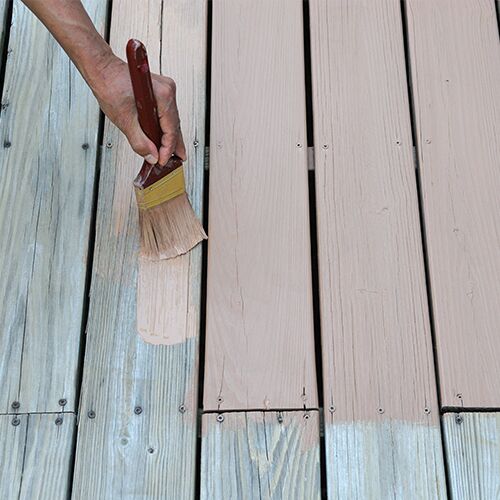
Can you paint or stain pressure treated wood? Absolutely, but timing is everything. I tried staining a deck too soon once, and the stain peeled off because the wood was still wet. Here’s how to do it right:
- Wait for It to Dry: As I mentioned, test the wood with water. It might take weeks or months, depending on the weather.
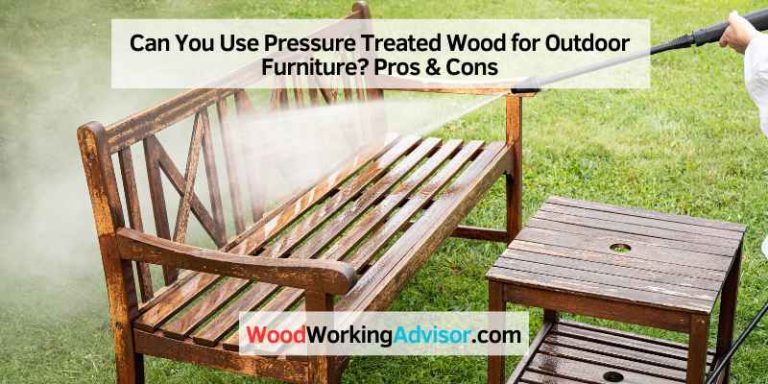
- Clean the Surface: Dirt and mildew can build up while the wood dries. I use a deck cleaner or a mild soap solution with a stiff brush. A pressure washer works too, but use a low setting to avoid damaging the wood.
- Prime Before Painting: For painting, apply an exterior latex primer first. It helps the paint stick better. I learned this after a paint job flaked off in a year!
- Choose the Right Stain: Oil-based stains work best for pressure treated wood. Lowe’s carries brands like Thompson’s WaterSeal, which I’ve used with great results.
- Apply a Sealant: Even if you don’t paint or stain, a clear sealant adds UV and water protection. I seal my projects every couple of years to keep them looking fresh.
Common Uses for Pressure Treated Wood
Pressure treated wood is incredibly versatile. Here are some projects I’ve tackled or seen others do with Lowe’s lumber:
- Decks: The most popular use. I built a deck with 5/4×6 deck boards and 2×6 joists. It’s still sturdy after years of barbecues and rainstorms.
- Fences: Ground-contact 4×4 posts and 2×4 rails make strong, long-lasting fences.
- Garden Beds: I used 2×6 boards for raised garden beds. They hold up against soil and watering.
- Playsets: Pressure treated wood is great for swings and slides, but seal it to reduce splintering.
- Gazebos and Pergolas: Above-ground lumber works well for these decorative structures.
One tip: avoid using pressure treated wood for indoor furniture or food-related projects like cutting boards. The chemicals aren’t meant for constant skin contact or food prep.
Pros and Cons of Pressure Treated Wood
Like any material, pressure treated wood has its ups and downs. Here’s a quick rundown based on my experience:
Pros
- Long-Lasting: It can last 20+ years with proper care.
- Resistant to Damage: Bugs, rot, and mold don’t stand a chance.
- Affordable: Prices at Lowe’s range from $2.38 for small pieces to $153 for large timbers, making it budget-friendly.
- Widely Available: Lowe’s has a huge selection in-store and online.
Cons
- Initial Wetness: It needs time to dry before finishing.
- Chemical Concerns: While safe for most uses, you need to handle it carefully.
- Warping Risk: Lower-grade boards can twist or cup as they dry.
I’ve found the pros outweigh the cons for outdoor projects, but it’s not a one-size-fits-all solution.
Shopping for Pressure Treated Wood at Lowe’s
Shopping at Lowe’s is a breeze once you know what to look for. Here’s how I approach it:
- In-Store Shopping: You can inspect the wood yourself. I always check for straight boards and minimal knots. The staff at my local Lowe’s is super helpful if you have questions.
- Online Shopping: Lowe’s website lets you filter by size, type, and treatment level. You can order for delivery or pick-up, which is great for big projects.
- Pricing: A 2x4x8 board might cost around $12, while larger posts or plywood can go up to $153. Check for sales or bulk discounts.
- Custom Cuts: Some Lowe’s stores offer cutting services, but policies vary. Ask before you buy if you need specific sizes.
Pro tip: If you’re buying a lot, ask about delivery. It saved me a ton of hassle when I was hauling 20 boards for a fence.
Maintaining Your Pressure Treated Wood Projects
To get the most out of your pressure treated wood, maintenance is key. Here’s what I do to keep my projects looking great:
- Regular Cleaning: Rinse your deck or fence with a garden hose every few months. I use a mild soap solution for stubborn dirt.
- Reapply Sealant: Every 2-3 years, I apply a new coat of sealant or stain to protect against UV rays and water.
- Check for Damage: Look for loose nails or cracks. I fix these early to prevent bigger issues.
- Avoid Overloading: For decks or furniture, make sure the wood can handle the weight. Thicker boards are better for heavy loads.
I once neglected a deck for a few years, and the surface got rough and faded. A quick cleaning and resealing brought it back to life, so don’t skip this step!
Environmental and Safety Considerations
Pressure treated wood is safe for most outdoor uses, but it’s not perfect. Here’s what I keep in mind:
- Eco-Friendly Options: Lowe’s Severe Weather brand uses Ecolife, a non-metallic preservative that’s better for the environment. It’s a great choice if you’re eco-conscious.
- Safe Handling: Wear gloves and a mask when cutting, and don’t burn scraps. I dispose of leftovers at a local waste facility.
- Avoid Certain Uses: I steer clear of using pressure treated wood for kids’ playsets without a sealant or for anything near food.
I love that Lowe’s provides clear labeling on their lumber, so you know exactly what you’re getting and how to handle it safely.
Conclusion
Pressure treated wood from Lowe’s has been a lifesaver for my outdoor projects. Whether I’m building a deck, a fence, or a garden bed, it’s reliable, durable, and easy to find. I’ve learned a lot through trial and error—picking straight boards, letting them dry, and using the right fasteners make all the difference. Lowe’s offers a fantastic range of sizes, grades, and brands like Severe Weather, so you’re sure to find what you need. Just remember to handle it safely, maintain it regularly, and choose the right type for your project. With a little care, your pressure treated wood projects can last for decades, bringing beauty and function to your outdoor space. So, head to Lowe’s, grab some lumber, and start building something amazing!
Frequently Asked Questions
Can I Use Pressure Treated Wood for Indoor Projects?
No, I wouldn’t recommend it. The chemicals in pressure treated wood are designed for outdoor use. They can off-gas or cause skin irritation if used indoors, especially for furniture. For indoor projects, I stick to untreated hardwoods like oak or maple.
How Long Does Pressure Treated Wood Last?
With proper maintenance, it can last 20-30 years. I’ve seen fences and decks still standing strong after decades. Regular sealing and cleaning are key to maximizing its lifespan.
Is It Safe to Use Pressure Treated Wood for Garden Beds?
Yes, but choose ground-contact wood and consider lining the bed with plastic to keep soil away from the wood. I’ve used 2×6 boards for garden beds, and they’ve held up great with this method.
How Do I Know If My Pressure Treated Wood Is Dry Enough to Stain?
Sprinkle a few drops of water on the wood. If it beads up, it’s still wet. If it soaks in, it’s ready. I usually wait a few weeks to a few months, depending on the weather.
Can I Cut Pressure Treated Wood at Lowe’s?
It depends on the store. Some Lowe’s locations offer cutting services, but others don’t cut pressure treated wood due to the chemicals. Call your local store to check their policy.
What’s the Difference Between #1 and #2 Grade Lumber?
1 grade has fewer knots and a smoother appearance, making it pricier. #2 grade, like #2 prime, has more knots but is still strong for most projects. I usually go with #2 for budget-friendly builds.
Do I Need Special Tools to Work with Pressure Treated Wood?
Not really. Standard woodworking tools work fine, but use corrosion-resistant blades and bits, as the chemicals can be tough on metal. I also keep a dust mask handy for cutting.