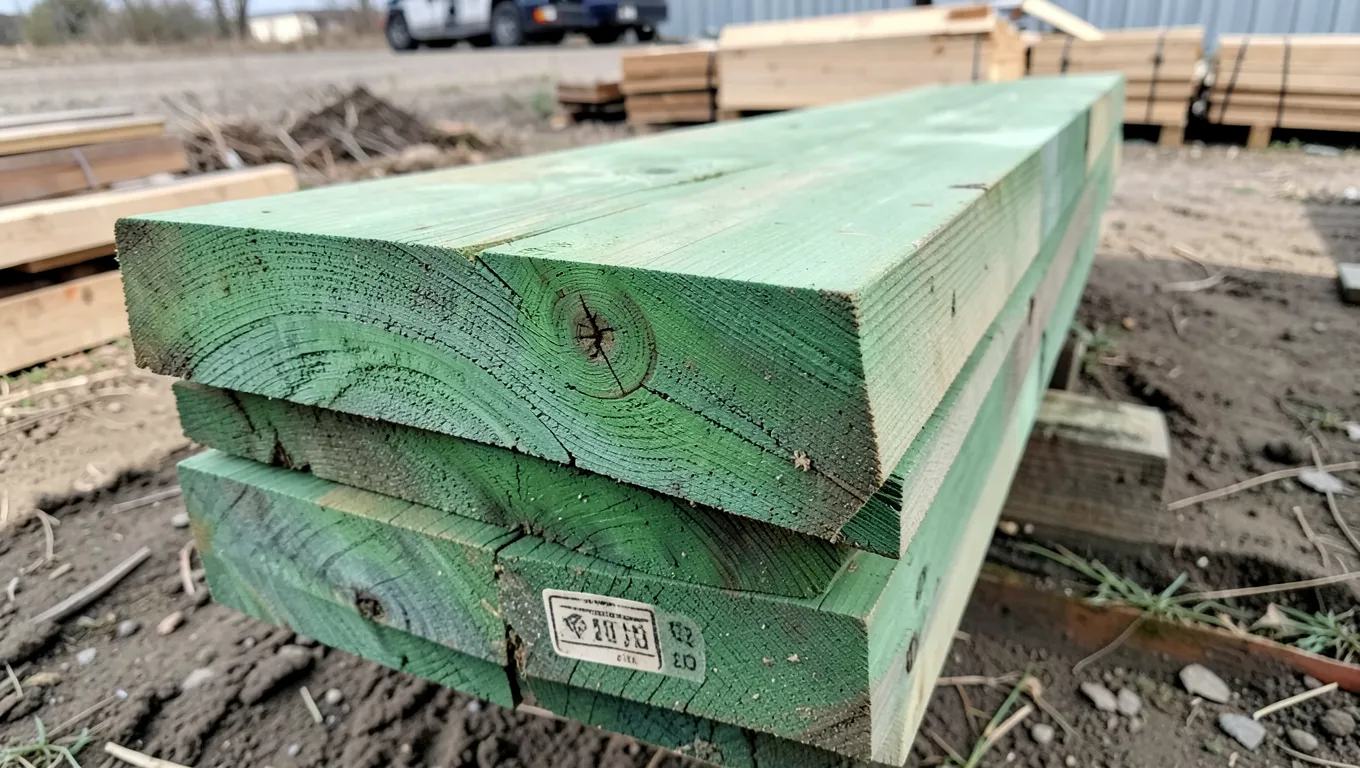
2x6x12 Pressure Treated Wood: Actual Size, Retention Rating, Fasteners
A “2x6x12” pressure treated board doesn’t actually measure 2 inches by 6 inches — it’s really 1.5 inches by 5.5 inches. The “2×6” is a nominal size, named for the rough-cut dimension before the mill planes and dries it down to its actual finished size.
That gap between nominal and actual size trips up more first-time buyers than almost anything else about dimensional lumber — if you’ve sized a project around “6 inches wide,” you’re already off by half an inch before you’ve bought a single board. Beyond sizing, buying pressure treated lumber correctly also means matching the retention rating to where the wood will sit and using fasteners that won’t corrode in the treatment chemicals — two things most buying guides skip entirely.
Nominal vs. Actual Dimensions
Fasteners Rated For This Lumber
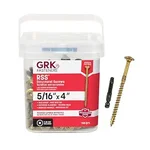 |
GRK RSS Structural Screws, 5/16″ x 4″ – $76.95 (100 pcs) The coating carries ICC-ES AC257 approval for direct contact with ACQ-treated lumber, which plain zinc-plated screws don’t have.
|
| Nominal Size | Actual Size |
|---|---|
| 2 x 6 | 1.5″ x 5.5″ |
| 2 x 4 | 1.5″ x 3.5″ |
| Length (12 ft) | 12 ft (length is not reduced by milling the way width and thickness are) |
The length in “2x6x12” is the one number that stays true to what’s printed — a 12-foot board really does run close to 12 feet (mills typically leave a small amount of trim length, so it may run a fraction over). It’s the width and thickness that shrink from the rough-sawn size once the board is surfaced and kiln- or air-dried.
Reading the End Tag: Retention Rating Matters
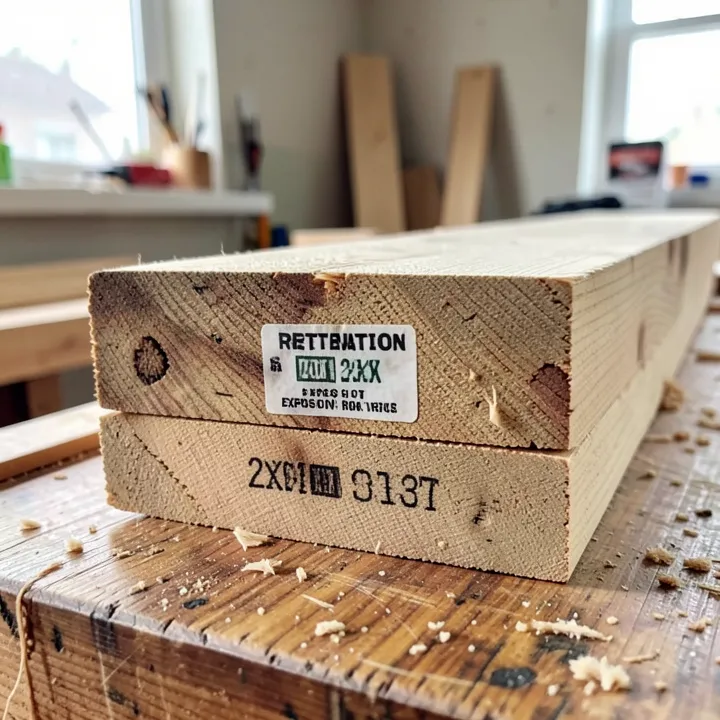
Every pressure treated board carries a small stamped or printed end tag that most buyers never look at closely — but it tells you exactly what the board is rated for:
- UC3B (above-ground use): the standard retention level for most 2x6x12 boards sold for deck framing, fences, and other lumber that stays clear of the ground and isn’t buried.
- UC4A (ground contact): a higher chemical retention level required for posts, ledger boards, and any lumber that touches soil or sits within 6 inches of grade. A UC3B board used where UC4A is required will rot years ahead of schedule.
If the end tag isn’t visible or the retention level isn’t marked clearly, ask the lumber yard directly before buying — don’t assume every green-tinted board at the store is rated for ground contact just because it’s “pressure treated.”
Fasteners: Standard Screws Will Corrode
Modern pressure treatment chemicals (most commonly ACQ, alkaline copper quaternary) are more corrosive to plain steel and electro-galvanized fasteners than the older treatments they replaced. A standard zinc-plated deck screw driven into ACQ-treated 2×6 lumber can visibly corrode within a season, and that corrosion weakens the connection long before the wood itself fails.
Look for fasteners specifically labeled as rated for ACQ or treated-lumber contact — hot-dip galvanized, stainless steel, or a coating with ICC-ES AC257 approval. Plain “exterior” or “deck” screws without that specific rating are not automatically safe for treated lumber.
Common Uses for 2x6x12
- Deck joists and rim joists: the 5.5-inch actual width gives enough depth for standard joist spans at typical residential deck sizes, though span tables vary by species and spacing — always check your local building code’s span table rather than assuming.
- Raised garden beds: use UC4A ground-contact-rated boards for any bed frame that sits directly on soil.
- Fence rails and horizontal framing: UC3B above-ground rating is sufficient here since the boards don’t touch the ground.
Buying It Wet vs. Dry
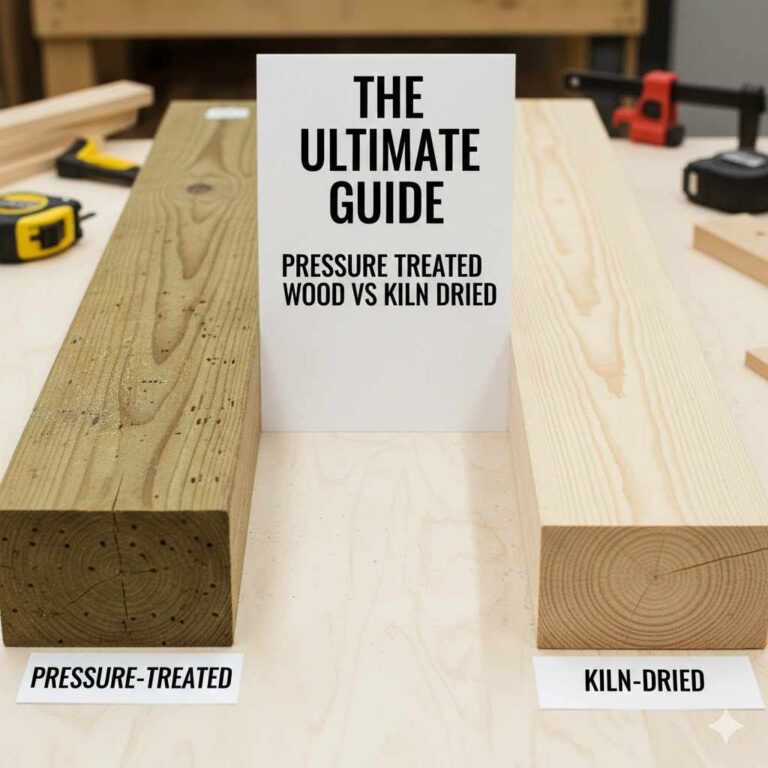
Most pressure treated lumber is sold “wet” straight from the treatment plant, meaning it’s still saturated with the water-based treatment solution. Wet boards are noticeably heavier than the same board once it dries, and they will shrink slightly in width and thickness (and can bow, cup, or twist) as they dry out over the following weeks. If a project needs a tight, finished fit right away, look for lumber marked KDAT (kiln-dried after treatment), which has already gone through that shrinkage before you buy it — it costs more but won’t move as much after installation.
Safety and Handling
Wear gloves and eye protection when cutting, and a dust mask when sanding or cutting a lot of it — the sawdust carries the treatment chemicals. Never burn pressure treated wood scraps; burning concentrates the chemical compounds into the ash and smoke. Dispose of offcuts through regular trash or a lumber-accepting waste facility, not a burn pile or wood stove.
Frequently Asked Questions
What is 2x6x12 pressure treated wood?
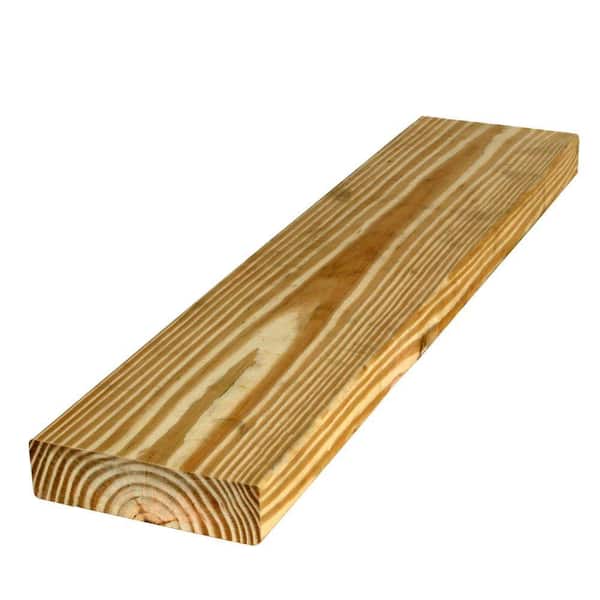
It’s dimensional lumber with a nominal size of 2 inches by 6 inches by 12 feet long, chemically treated to resist rot and insects. The actual finished dimensions are 1.5 inches by 5.5 inches — only the 12-foot length matches its labeled size closely.
How is pressure treated wood made?
The lumber is loaded into a sealed cylinder where a vacuum pulls air out of the wood cells, then a water-based chemical preservative (commonly ACQ) is forced in under pressure so it penetrates below the surface rather than just coating it, unlike a brush-on treatment.
Do I need ground-contact rated lumber for a deck?
Only for the parts that actually touch the ground or sit within about 6 inches of grade, like posts and footings. Joists, rim boards, and other framing that stays elevated only need the standard UC3B above-ground rating, though check your local code, since some jurisdictions require ground-contact rated lumber for all structural framing regardless of height.
Can I use regular deck screws on pressure treated 2×6?
Only if they’re specifically rated for ACQ or treated-lumber contact (hot-dip galvanized, stainless, or coated with ICC-ES AC257 approval). A plain zinc-plated screw without that rating can corrode within a season in direct contact with modern treatment chemicals.
Conclusion
Buying 2x6x12 pressure treated wood correctly comes down to three things most people skip: knowing the actual size is 1.5″ x 5.5″ rather than a true 2×6, checking the end tag for the right retention rating (UC3B vs UC4A) for where the board will sit, and using fasteners rated for the treatment chemicals rather than whatever deck screws happen to be cheapest. Get those right and the board itself is one of the most reliable, weather-resistant materials available for outdoor framing.
Sponsored / affiliate links. As an Amazon Associate I earn from qualifying purchases. I may earn additional commission from eligible campaigns.