Pressure Treated Wood Drying Time Before Painting: 3-6 Months
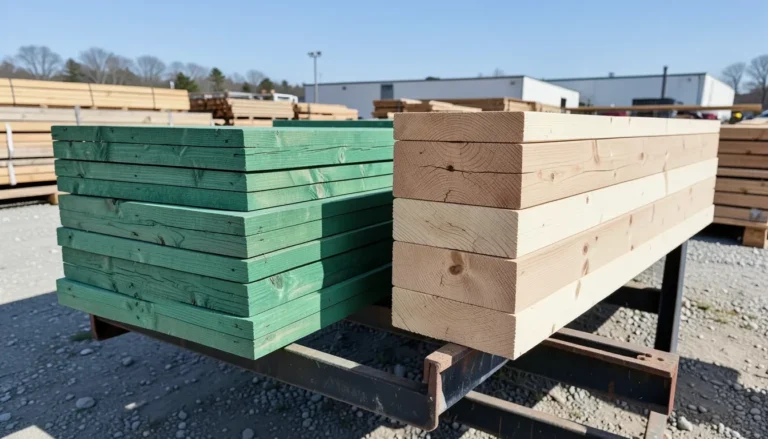
Pressure treated wood needs 3 to 6 months to dry before painting, though kiln-dried-after-treatment (KDAT) lumber can be ready in just a few weeks. Paint applied too soon traps moisture under the film, causing blistering and peeling within a single season. This guide covers testing dryness with a moisture meter, prepping the surface, and picking a paint that holds up outdoors.

Credit: www.markspainting.com
Drying Time For Pressure Treated Wood
Best Moisture Meter Pick
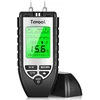
Tavool Pin-Type Wood Moisture Meter – $29.99
Reads the same under-15%-moisture threshold this guide recommends checking before painting pressure treated wood, with a backlit display for reading it in a shed or garage.
- Best for: confirming lumber is dry enough to paint, not just guessing by feel
- Why we picked it: matches the moisture-meter test this guide walks through step by step
- Main drawback: the two pins leave small holes in the wood surface
Compare more moisture meter options
 Option 1 RDINSCOS Pin Type Moisture Meter – $19.21
|
 Option 2 Povlen Pinless Moisture Meter – $27.99
|
 Option 3 Proster Wood Moisture Meter 4 Modes – $15.59
|
As an Amazon Associate we earn from qualifying purchases.
Weatherplays a big role. Rain makes wood dry slow. Sunny days help wood dry fast. High humidity slows drying. Low humidity speeds it up. Wood typematters too. Some woods dry quicker than others. Thicker wood takes longer to dry. Thinner wood dries faster. Storageaffects drying. Wood stored inside dries slower. Wood stored outside dries faster.
Wood feels dry to touch. It should not be sticky. Look for cracks or splits. They show wood is dry. Check weight. Dry wood feels lighter. Colorchanges can occur. Dry wood looks pale. Wet wood looks dark. Use a moisture meter. Less than 15% means dry. Listen to sound. Dry wood sounds hollow.

Credit: rainonatinroof.com
Preparing Pressure Treated Wood For Painting
Cleaning the surface is very important. Dirt and dust can stop paint from sticking. Use a brush or cloth to wipe the wood. Water and soap can help. Make sure the wood is dry after cleaning. Wet wood makes painting hard. A clean surface helps the paint last longer.
Sanding smooths the wood. Rough wood needs sanding. Use sandpaper for this job. Start with coarse sandpaper. Then use fine sandpaper. Sanding makes the surface even. Sand until the wood feels smooth. Smooth wood takes paint better. Sanding makes the wood ready for painting.
Choosing The Right Paint
Choosing the right paintis important for treated wood. Acrylic-latex paint is a good choice. It’s both durableand flexible. Oil-based paints also work well. They provide a strong layer. But they take longer to dry. Water-based paints dry faster. They are less strong than oil-based options.
For outdoor use, use paint that handles the weather. UV-resistant paints protect from the sun. Look for paints that resist moisture. This helps keep wood safe from rain. Choose paints that can handle temperature changes. This prevents cracks or peels.
Application Tips For Painting
Primers help paint stick to the wood. They make colors look brighter. Choose a primer made for pressure-treated wood. This gives the best results. Apply the primer evenly. This will make your paint last longer.
Use a brush or roller for even coating. Brushes are great for corners. Rollers cover big areas fast. Always paint in the same direction. This avoids streaks and patches. Apply two thin coats of paint. This covers the wood better than one thick coat.
Common Mistakes To Avoid
Painting on wet woodleads to many problems. The paint will not stick well. It can peel or crack. Wet wood also causes mold growth. This is bad for wood health. Always check that wood is dry. Use a moisture meter if possible. Wait until the wood is under 15% moisture.
Surface preparation is very important. Skipping this step affects paint quality. Dirt and debris stop paint from sticking. Sanding makes the surface smooth. This helps paint stay on longer. Cleaning removes dust and oil. Always prepare surfaces well before painting. This ensures a better finish and longer-lasting paint.
Maintenance Tips Post-painting
Pressure treated wood needs time to dry before painting. Typically, wait at least three to four months. Proper drying prevents peeling and ensures a smooth finish.
Regular Inspection
Inspect your painted wood often. Look for cracks and chips. If you find them, fix them quickly. This prevents bigger issues. Water can cause harm if it seeps in. Use a soft cloth to clean the wood. Remove dirt and debris. This keeps the paint looking fresh.
For more on protecting wood long-term beyond just this paint job, see our full wood care and protection guide.
Repainting Guidelines
Repaint wood every few years. New paint protects the wood. Choose good quality paint. Apply thin layers. Let each layer dry. Thick layers may peel over time. Humidity affects paint drying. Paint on dry days. Follow these steps for lasting results.
Credit: www.paintritepros.com
Frequently Asked Questions
How Long To Dry Pressure Treated Wood?
Pressure treated wood should dry for at least six months before painting. This ensures the wood is free from moisture. Painting too soon can cause peeling and uneven finishes. Check the wood’s moisture content with a meter before painting. Aim for less than 15% moisture level for best results.
Can I Paint Wet Pressure Treated Wood?
It’s not advisable to paint wet pressure treated wood. Wet wood prevents paint from adhering properly. This leads to peeling and an uneven finish. Wait until the wood is fully dry. This ensures a long-lasting and smooth paint application.
Why Does Pressure Treated Wood Need Drying?
Pressure treated wood needs drying to reduce its high moisture content. Moisture affects paint adhesion, causing peeling. Drying ensures a smooth and durable finish. It helps prevent mold growth under the paint. Always ensure the wood is dry before painting for best results.
What Happens If I Paint Too Soon?
Painting too soon can cause peeling and poor adhesion. Wet wood prevents paint from sticking properly. This results in an uneven and unattractive finish. Moisture trapped under the paint can cause mold. Wait for the wood to dry completely before painting.
Conclusion
Painting pressure treated wood requires patience. Allow the wood to dry properly. Usually, this takes several months. Once dry, the paint adheres better. This prevents peeling and extends the paint’s life. Check moisture levels with a meter. Aim for 15% or less before painting.
Rushing the process may cause issues. Take time to prepare for the best results. Proper drying ensures a durable, beautiful finish. Your patience will pay off with a lasting paint job.
Sponsored / affiliate links. As an Amazon Associate I earn from qualifying purchases. I may earn additional commission from eligible campaigns.