Pressure Treated Wood Nails: ASTM A153 Rated Picks & Sizes
Pressure treated wood nails need to be hot-dip galvanized to ASTM A153 Class D or stainless steel — standard steel or lightly zinc-plated nails corrode within a few years because the copper-based preservative (ACQ) in modern treated lumber reacts with plain steel. Getting this wrong shows up as rust streaks down your deck boards and, eventually, a loosened connection. This guide covers which nail types actually meet that standard, correct sizing, and where each material fits.
Why Pressure Treated Wood Needs Specific Nails
Best Pressure-Treated Wood Nail Pick
 |
Maze Nails T449A125 10D Pressure Treated Wood Nail – $9.18 A nail made specifically for treated lumber rather than a general-purpose galvanized nail — matches the ASTM A153 hot-dip standard this guide covers above.
|
As an Amazon Associate we earn from qualifying purchases.
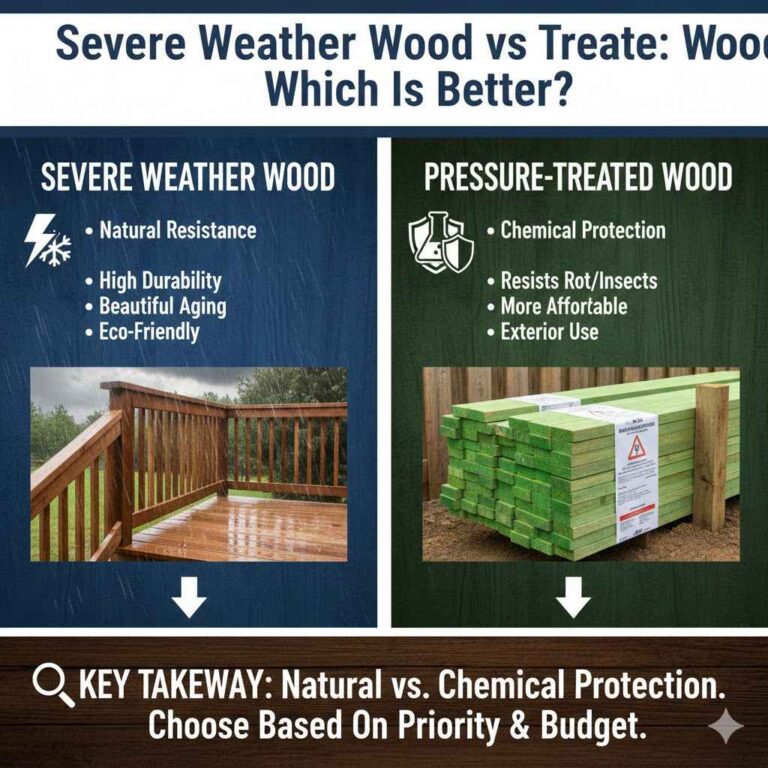
Modern pressure treated wood is treated with ACQ (alkaline copper quaternary), a copper-based preservative that replaced the older chromated arsenicals. Copper is more electrochemically active against steel than the older treatments were, which is why a fastener rule that was fine for lumber treated 20 years ago isn’t safe for what’s sold today.
📊 Hot-dip galvanized fasteners for ACQ-treated lumber should meet ASTM A153 Class D — a thinner electroplated zinc coating does not provide equivalent corrosion resistance and is not an acceptable substitute. Source: Maze Nails, ACQ fastener guidance
| Common Uses | Description |
|---|---|
| Decking | Structural framing and board fastening on outdoor decks |
| Fencing | Posts, rails, and pickets exposed to weather |
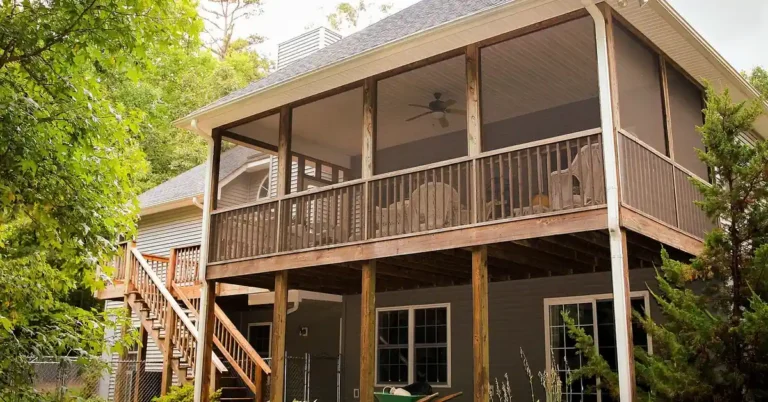
| Garden Structures | Raised beds and trellises in direct soil contact |
| Patios | Ground-level structures and walkways |
Nail Materials and Corrosion Resistance
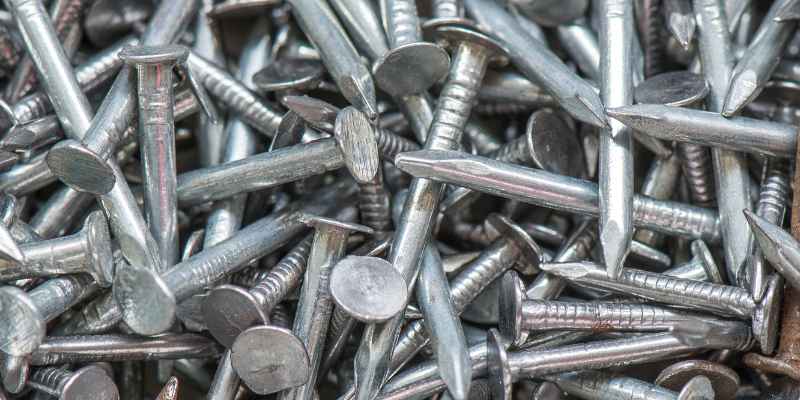
Not every “galvanized” nail is rated the same. Electroplated (bright) zinc coating is thin and cosmetic — it’s fine for interior use but not for ACQ-treated lumber. Hot-dip galvanizing applies a much thicker zinc layer and is the minimum standard for treated-wood applications; stainless steel goes a step further for coastal or high-moisture sites.
| Nail Type | Resistance to ACQ Corrosion |
|---|---|
| Hot-dip galvanized (ASTM A153) | High — meets the industry minimum for treated lumber |
| Stainless steel (304/316) | Very high — best for coastal or high-moisture sites |
| Electroplated/bright steel | Low — not rated for ACQ-treated lumber, corrodes fast |
Size and Length Considerations
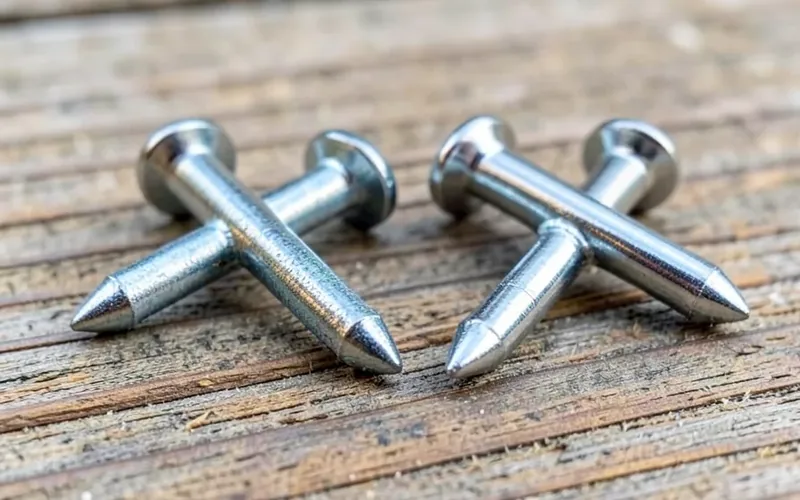
Nail length matters as much as material. A common framing rule is that the nail should penetrate at least 1.5 times the thickness of the top piece of wood, which for standard dimensional lumber works out to the lengths below.
| Wood Size | Recommended Nail Length |
|---|---|
| 1×4 | 1.5 inches |
| 2×4 | 2.5 inches |
| 2×6 | 3 inches |
A nail that’s too short won’t hold securely under load; one that’s too long can split thinner stock or poke through the back side. When in doubt on a structural connection, check your local building code or an engineered connector’s fastening schedule rather than guessing.
Compatibility with Tools and Equipment
Pneumatic framing nailers speed up large deck or fence builds significantly, but confirm the collated nail strips you buy are the same hot-dip galvanized or stainless spec covered above — collated nails are sold in both treated-wood-rated and standard-interior grades, and the packaging doesn’t always make the difference obvious at a glance.
Hand-driving works fine for smaller jobs. Match the nail size to the wood thickness from the table above — an oversized nail can split thinner boards, especially near the end grain.
Maintenance and Inspection
Inspect exposed nail heads once a year on outdoor structures. Rust streaks bleeding down the wood around a nail head are the first visible sign that the coating has failed — replace that fastener with a correctly rated one before the connection itself weakens. Moisture pooling or fungus around a nail head is also worth investigating, since it usually means water is getting trapped rather than shedding.
Frequently Asked Questions
What are pressure treated wood nails?
They’re nails coated or made specifically to resist the corrosive chemicals in modern pressure-treated lumber — typically hot-dipped galvanized steel or stainless steel. Standard bright/electroplated nails are not rated for this use and corrode significantly faster in treated wood.
Why use galvanized nails for pressure treated wood?
The copper-based preservatives in modern treated lumber (ACQ) react with plain steel and accelerate corrosion. Hot-dip galvanizing meeting ASTM A153 Class D coats the nail in enough zinc to resist that reaction; a thin electroplated zinc coating does not meet this standard and fails much sooner.
Can I use regular nails on treated wood?
No. Regular steel or lightly zinc-plated nails corrode quickly in ACQ-treated lumber, which weakens the connection and can stain the wood with rust streaks. Always use fasteners hot-dip galvanized to ASTM A153 or stainless steel instead.
How long do pressure treated wood nails last?
Correctly rated hot-dip galvanized (ASTM A153) or stainless nails can last decades in outdoor pressure-treated applications. Lifespan depends on climate and moisture exposure — coastal or high-humidity areas benefit from stainless steel over galvanized.
Conclusion
The short version: match the nail to the lumber’s chemistry, not just its outdoor rating. Hot-dip galvanized nails meeting ASTM A153 Class D, or stainless steel for coastal and high-moisture sites, are what actually holds up against ACQ preservatives — a plain or lightly plated nail will corrode and stain the wood well before the structure itself would otherwise need replacing.
Sponsored / affiliate links. As an Amazon Associate I earn from qualifying purchases. I may earn additional commission from eligible campaigns.