When to Use Pressure Treated Lumber (And When Not To)
Use pressure treated lumber anywhere wood will touch the ground, stay wet, or face insect exposure — decks, fences, raised beds, and any post set in soil or concrete. Skip it for interior framing, furniture, and cutting boards, where it offers no benefit and (for furniture/food-contact surfaces) isn’t the right product at all.
What’s Actually In Pressure Treated Lumber Today
Coated Specifically For Treated Lumber
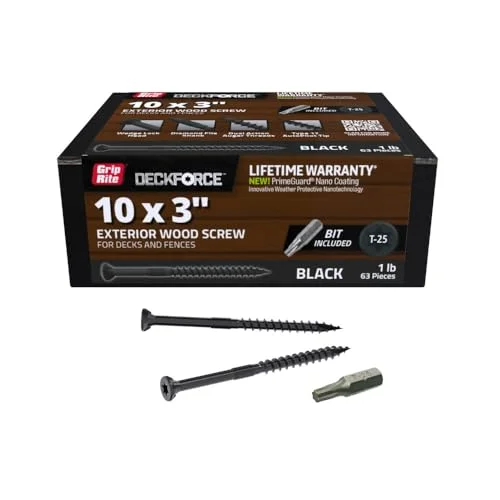 |
Grip-Rite DeckForce #10 x 3″ Exterior Screws, 1 lb Box – $10.98 A real, easy-to-miss detail: ordinary uncoated or electro-galvanized fasteners corrode fast in modern copper-based treated lumber — these are coated specifically for that chemistry.
|
This is the detail most guides get wrong: the pressure-treated lumber sold today is NOT the same product as decades-old treated wood. Chromated copper arsenate (CCA) — an arsenic-based preservative — was voluntarily phased out of residential lumber by manufacturers, effective December 31, 2003, following an EPA agreement; CCA-treated wood produced before that date wasn’t recalled and older structures weren’t required to be removed, but new residential lumber hasn’t used it since. CCA is still manufactured today for specific non-residential uses (utility poles, marine pilings, agricultural posts) — it just isn’t what you’ll buy at a home center for a deck or fence. Current residential pressure-treated lumber uses copper-based preservatives instead — primarily alkaline copper quaternary (ACQ) or copper azole (CA) — both EPA-registered for residential use and free of arsenic and chromium.
Good Uses: Where It Belongs
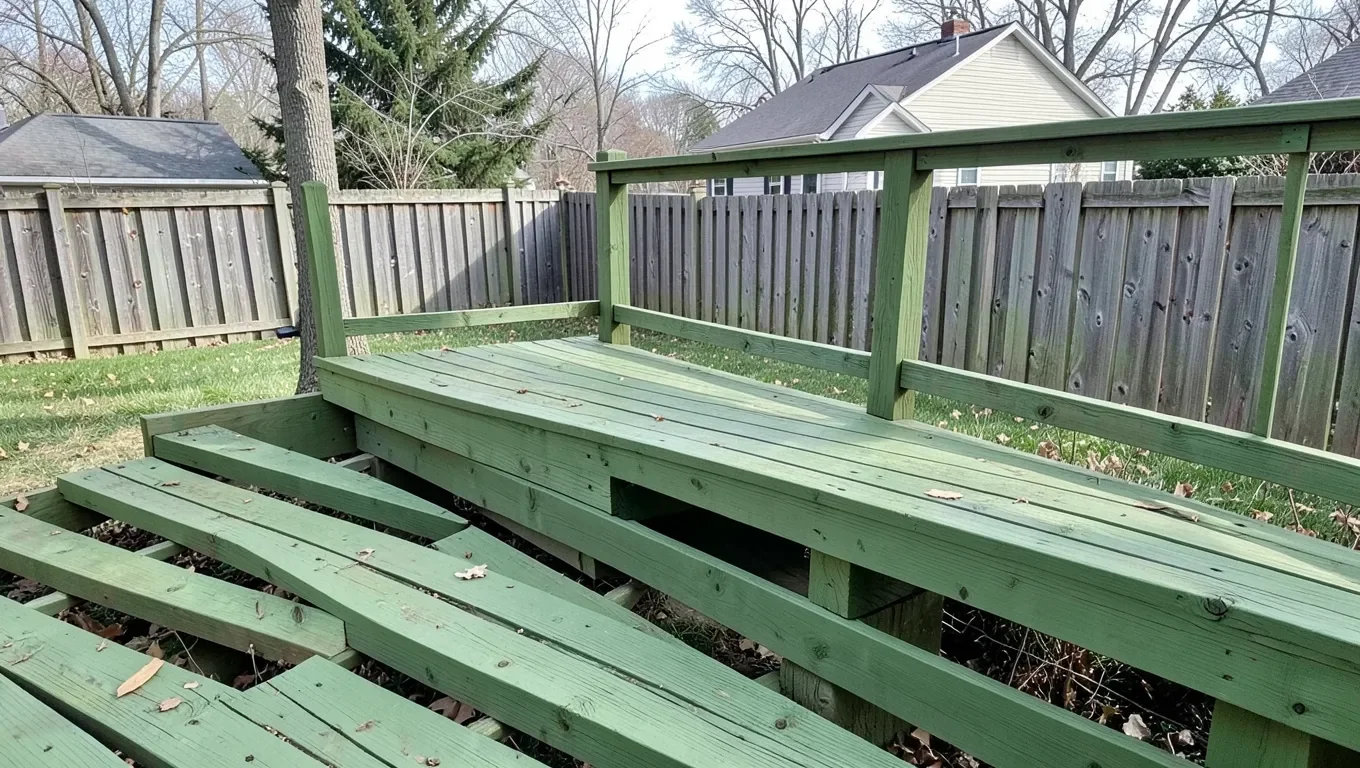
- Decks and deck framing: the single most common use — joists, beams, posts, and ledgers all benefit from rot and insect resistance in an outdoor, weather-exposed structure.
- Fences: posts especially, since they’re in direct ground contact and see the most moisture exposure of any fence component.
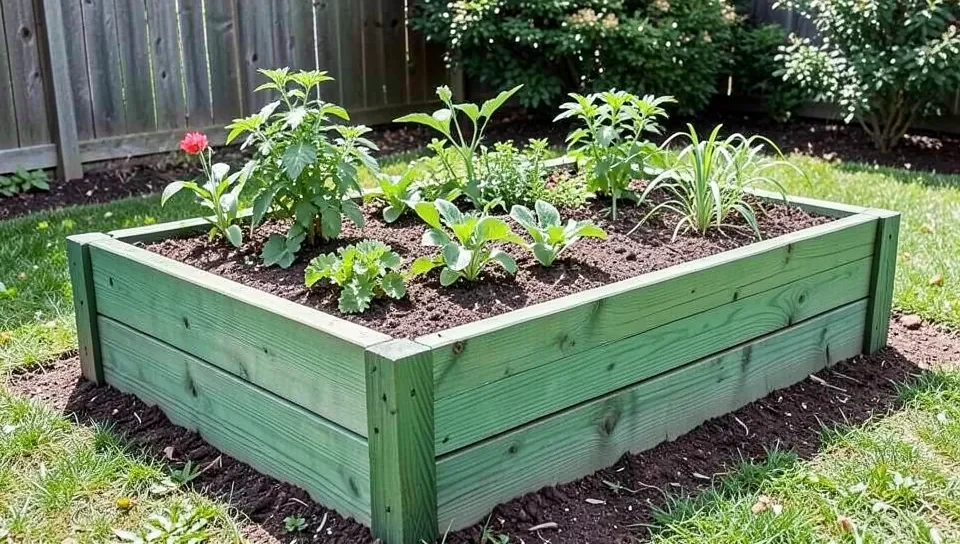
- Raised garden beds: modern ACQ/copper-azole lumber is EPA-registered for residential use including garden contact — it isn’t the arsenic-treated CCA lumber that made this a real concern decades ago. Some gardeners still prefer a plastic liner between the wood and soil as extra precaution, or choose untreated cedar/redwood instead; either is a reasonable personal choice, but it’s not because today’s treated lumber is the same product as pre-2003 CCA.
- Ground-contact posts (mailbox posts, pergola/gazebo posts, retaining walls): anywhere a post is set directly in soil or concrete, use lumber rated specifically for “ground contact” (a higher retention level than lumber merely rated for “above ground” outdoor use) — check the tag, since the two ratings aren’t interchangeable.
Where It Doesn’t Belong (Or Needs A Caveat)
- Interior framing: no benefit indoors where moisture and insect exposure aren’t a factor — standard framing lumber is cheaper and works fine, with treated lumber reserved for sill plates directly on a concrete foundation.
- Furniture, cutting boards, or any food-contact surface: not designed or rated for this use — use untreated hardwood finished with a food-safe product instead.
- Structural footings: footings themselves are typically poured concrete, not wood — treated lumber posts set INTO a concrete footing is the correct pairing, not a wood footing on its own.
- Anywhere it will be burned: never burn treated lumber scraps in a fireplace, campfire, or wood stove — burning concentrates the preservative chemicals in the ash and smoke.
Handling And Safety
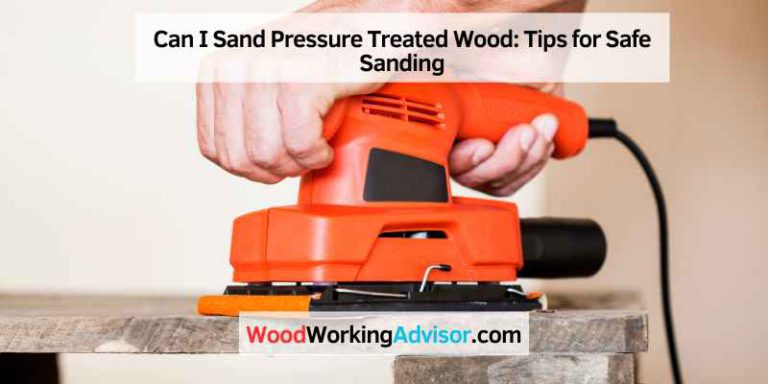
- Wear gloves and a dust mask when cutting or sanding — the preservative is bound into the wood but cutting generates dust that shouldn’t be inhaled or left on skin.
- Wash hands after handling, especially before eating.
- Never burn scraps or sawdust (see above) — dispose of offcuts with regular household trash, following local guidelines, not by burning.
- Let lumber dry before painting or staining if freshly treated (“kiln-dried after treatment,” or KDAT, lumber can be finished sooner) — a water-bead test (sprinkle water on the surface; if it beads up, it’s not ready) is a simple practical check.
Maintenance And Lifespan
Pressure treated lumber typically lasts 15-25 years in outdoor use, with actual lifespan depending heavily on climate, ground contact exposure, and maintenance. Regular cleaning and periodic sealing (every 1-3 years depending on exposure) meaningfully extends this, since the sealer protects against moisture cycling and UV degradation that the chemical treatment alone doesn’t fully prevent. Inspect ground-contact posts and structural connections annually for soft spots or checking (surface cracking), which can indicate the protective treatment has been compromised at that specific point even if the rest of the board looks fine.
Reading The Tag: Retention Level And Use Category
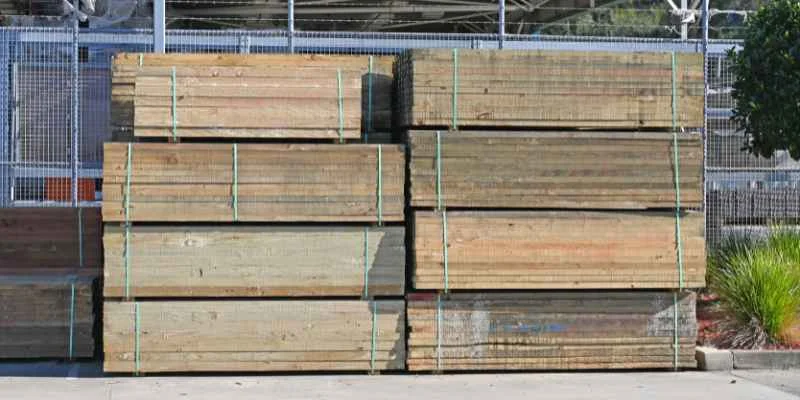
Every piece of treated lumber carries an end-tag that tells you more than the preservative type. The Use Category (UC) rating is the practical number to check: UC3A/UC3B covers above-ground exterior use (deck boards, railings), UC4A covers general ground contact, and UC4B/UC4C cover more demanding ground contact (permanent wood foundations, critical structural members) with a higher chemical retention level. Using a UC3-rated board for a ground-contact post is a real, common mistake — it looks identical to the correct board on the shelf, but carries less preservative than a post embedded in soil actually needs, and will fail sooner than expected. The tag also states the preservative type (ACQ, CA, or occasionally borate for above-ground-only interior use) and the treating company — keep the tag or photograph it if you’ll need warranty information later, since it’s usually the only record of exactly what you bought.
Alternatives Worth Considering
Naturally rot-resistant woods like cedar and redwood offer similar durability without chemical treatment, at a real cost premium, and are a common choice for anyone wanting to avoid treated lumber specifically for garden use or aesthetic reasons. Composite decking (wood-plastic blend) avoids the rot/insect question entirely since there’s no wood cellulose exposed to decay, trading a higher upfront material cost for near-zero maintenance. Neither is a strict “upgrade” over treated lumber — they’re different tradeoffs between cost, maintenance, and material preference, not a correction of a real deficiency in modern treated lumber.
Frequently Asked Questions
When should I use pressure treated lumber?
Anywhere wood will contact the ground, stay wet, or face insect exposure — decks, fences, raised garden beds, and posts set in soil or concrete. Skip it for interior framing, furniture, and food-contact surfaces.
Is pressure treated lumber safe for gardens?
Yes — modern lumber uses copper-based preservatives (ACQ or copper azole), EPA-registered for residential use including garden contact. This is different from arsenic-based CCA lumber, which was phased out of residential use at the end of 2003.
How long does pressure treated lumber last?
Typically 15-25 years outdoors, depending on climate, ground contact, and maintenance. Periodic sealing and prompt repair of surface checking can meaningfully extend that lifespan.
Conclusion
Pressure treated lumber earns its place anywhere wood meets ground, moisture, or insects — and today’s copper-based ACQ/copper-azole product is a different, EPA-registered-for-residential-use material from the arsenic-based CCA lumber phased out at the end of 2003. Knowing that distinction settles most of the real questions people have about where it’s appropriate to use.
Sponsored / affiliate links. As an Amazon Associate I earn from qualifying purchases. I may earn additional commission from eligible campaigns.