Pros of Bamboo Flooring: 7 Benefits Backed by Real Janka Data
Bamboo flooring is durable, sustainable, and budget-friendly – strand-woven versions test 3,000 to 4,000 on the Janka hardness scale, roughly 2.5 to 3 times harder than red oak’s 1,290 rating. But not every bamboo product is created equal, and cheap flat-grain boards can dent far more easily. This guide covers the real hardness numbers, the sustainability math, maintenance and refinishing, and honest cost comparisons.
Quick Answer
The biggest pros of bamboo flooring are hardness (strand-woven bamboo rates 3,000–4,000 on the Janka scale), fast 3–5 year regrowth versus 30–80 years for hardwood trees, low-maintenance care, and refinishing potential. The exception: quality varies a lot by manufacturing type, so flat-grain bamboo is softer and less durable than strand-woven.
How Durable Is Bamboo Flooring? (Janka Hardness Compared)
Bamboo flooring’s durability depends entirely on how it’s manufactured. Strand-woven bamboo – made by compressing shredded bamboo fibers under heat and pressure – is the hardest flooring material widely sold at home centers, while flat-grain (horizontal) bamboo is noticeably softer.
| Flooring Material | Janka Hardness Rating | Best For |
|---|---|---|
| Strand-woven bamboo | 3,000–4,000 | High-traffic areas, pets, heavy furniture |
| Flat-grain (horizontal) bamboo | 1,180–1,380 | Lower-traffic rooms, budget projects |
| Hard maple | 1,450 | Kitchens, moderate traffic |
| Red oak | 1,290 | Traditional hardwood look |
| Brazilian cherry (Jatoba) | 2,350 | Premium hardwood durability |
That means a quality strand-woven bamboo floor can outlast and out-resist scratches from red oak, hard maple, and most domestic hardwoods – but a cheap flat-grain bamboo product sold at a steep discount can actually be softer than red oak. Always check the manufacturing type, not just the word “bamboo,” before buying.
Best Bamboo Floor Cleaner Pick
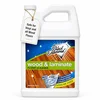 |
Black Diamond Stoneworks Wood & Laminate Floor Cleaner (1 Gallon) – $31.48 A no-rinse, pH-neutral formula built for sealed hardwood and strand-woven bamboo – the same low-maintenance care routine this guide covers, without dulling the finish or leaving residue behind.
|
As an Amazon Associate we earn from qualifying purchases.
Why Bamboo Flooring Is a Genuinely Sustainable Choice
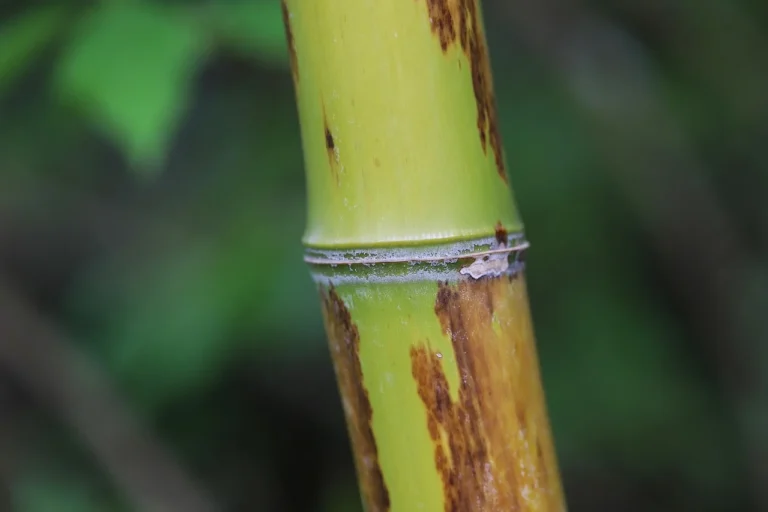
Bamboo is a fast-growing grass that reaches harvestable maturity in 3 to 5 years, compared to 30 to 80 years for the hardwood trees used in oak or maple flooring. It regenerates from its own root system after cutting, so a bamboo grove doesn’t need replanting the way a clear-cut forest does.
📊 Strand-woven bamboo rates 3,000–4,000 on the Janka hardness scale, versus 1,290 for red oak – Source: Janka Wood Hardness Scale Chart, 8 Billion Trees
Bamboo is also dimensionally stable once milled and sealed, meaning it expands and contracts less than solid hardwood when humidity swings – a real advantage for kitchens, laundry rooms, and homes with radiant underfloor heating, where solid oak or maple can be a risky choice.
Environmental Impact Beyond Growth Speed
Because bamboo regenerates from its root system instead of being replanted as a seedling, a harvested grove keeps its topsoil intact and its carbon-absorbing biomass largely in place – unlike clear-cut hardwood logging, which removes the whole tree and root system. Bamboo groves also convert to usable material faster per acre than slow-growing hardwood stands, which is why bamboo is often cited as a higher-yield renewable material on a like-for-like land area.
That said, not all bamboo flooring is equally green: manufacturing strand-woven bamboo uses more adhesive and compression energy than milling solid hardwood, and lower-cost imports sometimes use urea-formaldehyde adhesives that off-gas more than formaldehyde-free (E0 or CARB2-compliant) options. If indoor air quality matters to you, check for a CARB2 or E0 rating before buying – it’s not automatic just because the product is bamboo.
Where Bamboo Flooring Falls Short (Honest Trade-Offs)
A fair pros list has to include the real limits. Bamboo, like solid hardwood, swells when it absorbs standing water – a dishwasher leak left overnight can cause the same cupping and buckling you’d see with oak. It’s a poor match for full bathrooms, laundry rooms with washer supply-line risk, or basements with any history of moisture.
Carbonized (darkened) bamboo is a second trade-off: the heat treatment that creates the darker color also softens the fibers, typically dropping the Janka rating by 20 to 30% compared to the same product in its natural, lighter color. And any bamboo floor, like any wood floor, will fade unevenly under direct UV exposure – area rugs left in place for months are a common cause of visible sun-fading lines when they’re finally moved.
Finally, quality varies more by manufacturer than the single word “bamboo” suggests. Two products marketed as strand-woven bamboo can differ by 1,000+ Janka points depending on compression density and adhesive quality, so a low price on an unfamiliar brand is a real warning sign, not just a bargain.
Maintenance and Refinishing: What Bamboo Actually Needs
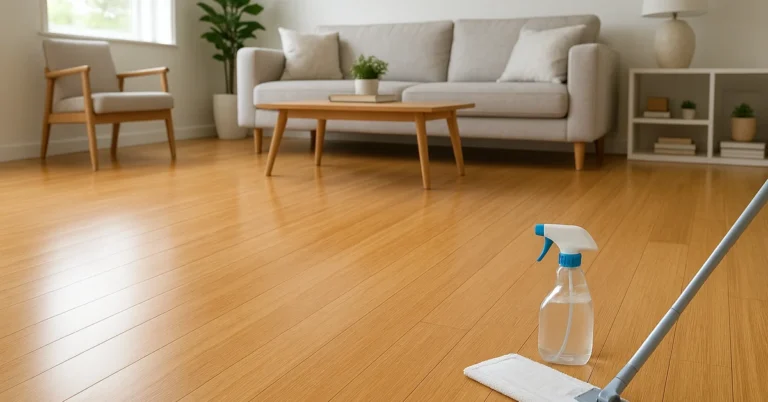
Routine care is simple: sweep or vacuum with a soft-bristle attachment to remove grit, then damp-mop with a pH-neutral cleaner every one to two weeks. Bamboo doesn’t trap dust mites or pet dander the way carpet does, which is one reason allergy sufferers often prefer it.
Can You Refinish Bamboo Flooring?
Yes – solid and strand-woven bamboo can typically be sanded and refinished one to three times over its life, the same way solid hardwood is, which is what stretches its 20 to 30-year lifespan. Engineered bamboo with a thin wear layer usually cannot be sanded more than once, so check the wear-layer thickness before buying if refinishing matters to you.
Bamboo is also naturally resistant to common pests, including termites, because it lacks the starches and sugars that attract them once it’s milled and finished – one less maintenance headache compared to some softwoods.
Cost Efficiency Compared to Hardwood
Bamboo flooring typically runs $2 to $8 per square foot for materials, compared to $5 to $15 per square foot for solid oak or maple – a meaningful gap on a 1,000-square-foot install. The full cost breakdown of bamboo flooring covers installation labor and finish-grade pricing in more detail.
The lower upfront cost doesn’t come at the expense of durability when you choose strand-woven bamboo specifically – it’s the flat-grain, budget-tier product that cuts corners on hardness. Compared to traditional hardwood flooring, bamboo’s refinishing potential also means the upfront savings compound over a 20-to-30-year lifespan instead of a one-time discount.
Design Versatility and Aesthetic Appeal
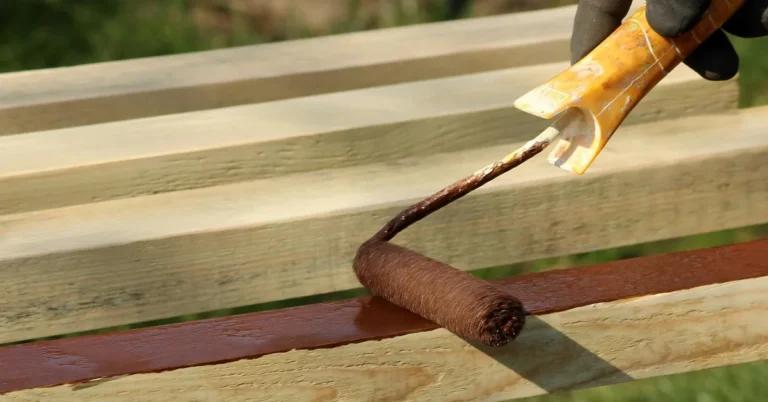
Bamboo is sold in horizontal, vertical, and strand-woven grain patterns, plus carbonized (darker, slightly softer) and natural (lighter, harder) color options – giving it a wider style range than a single hardwood species can offer. Want a bolder change than a new stain shade? Painting bamboo floors is possible too, with the right prep, and you can also stain bamboo flooring to match existing trim or cabinetry.
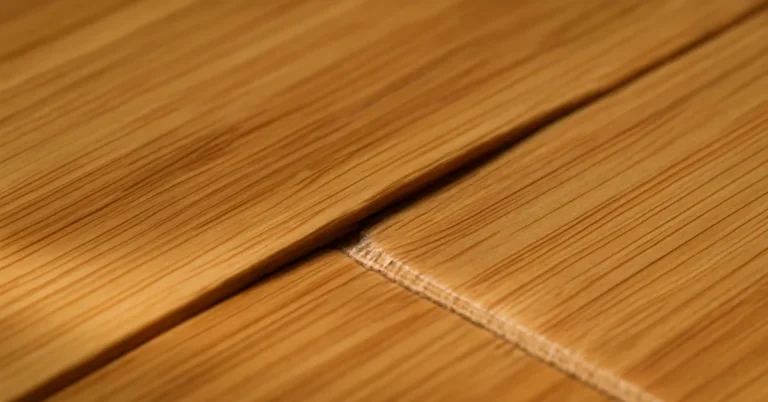
Because each board carries bamboo’s natural grain variation, no two planks look identical – a detail that reads as a premium, natural-material look rather than the repeating pattern common in budget laminate.
“The failures I’ve seen with bamboo floors almost always trace back to water, not the material itself – a leaking dishwasher or an unwiped spill left overnight will swell bamboo just like it would oak. Strand-woven holds up better under normal foot traffic than most people expect, including from dogs with untrimmed nails.”
For a broader look at how bamboo stacks up against solid and engineered hardwood, laminate, and vinyl plank, see the site’s full wood flooring guide. And if hardness numbers surprised you, the deeper technical breakdown in Is Bamboo a Type of Wood? covers why bamboo (botanically a grass) can out-rate true hardwoods on the Janka scale.
Frequently Asked Questions on Pros of Bamboo Flooring
What Are the Benefits of Bamboo Floors?
Bamboo floors are hard (strand-woven rates 3,000–4,000 on the Janka scale), fast-growing and sustainable, low-maintenance, and refinishable one to three times over a 20 to 30-year lifespan. They also resist termites once milled and finished.
What Are the Negatives of Bamboo Flooring?
Bamboo is vulnerable to water damage and high humidity, which can cause swelling, warping, or buckling. Cheaper flat-grain or carbonized bamboo is also softer than strand-woven bamboo and can dent, scratch, or fade faster, especially in direct sunlight.
How Long Do Bamboo Floors Last?
A well-installed, properly maintained strand-woven bamboo floor typically lasts 20 to 30 years, and refinishing one to three times over that span can extend its life further, similar to solid hardwood.
What Is Better, Vinyl or Bamboo Flooring?
Vinyl is softer, more water-resistant, and better suited to bathrooms or basements. Bamboo is harder, more eco-friendly, and refinishable, making it a better fit for living rooms, bedrooms, and other moderate-moisture areas where durability and appearance matter more than waterproofing.
Is Bamboo Flooring Good for Kitchens?
Yes, as long as spills are wiped up promptly. Bamboo’s dimensional stability means it resists the expansion and contraction that solid hardwood shows in humid kitchens, but standing water from a dishwasher or sink leak can still cause swelling, so it’s not recommended for areas with frequent standing water.
Can You Refinish Bamboo Flooring?
Solid and strand-woven bamboo can usually be sanded and refinished one to three times, the same as hardwood. Engineered bamboo with a thin wear layer often can’t be sanded more than once, so check the wear-layer specs before buying if long-term refinishing matters to you.
Conclusion
Bamboo flooring’s real advantage is the combination of hardness, speed of regrowth, and refinishing potential – but only when you buy strand-woven bamboo and keep standing water off it. Choose it for living rooms, bedrooms, and most kitchens; skip it for bathrooms or basements prone to moisture.
Sponsored / affiliate links. As an Amazon Associate I earn from qualifying purchases. I may earn additional commission from eligible campaigns.
 East West Furniture SP-7HH02 Sango Premier Engineered Hardwood Flooring - European Oak - 1/2 in x 7 in x Random Length Handscraped, 26.24 sqft/box, Special Walnut
 East West Furniture SP-5HH05 Sango Premier Engineered Hardwood Flooring - European Oak - 1/2 in x 7 in x Random Length Handscraped, 26.24 sqft/box, Shadow Grey