Reclaimed White Oak Flooring: Real Cost, Grades & Where to Buy
Reclaimed white oak flooring is milled from oak salvaged out of old barns, factories, and warehouses rather than freshly cut timber — and it typically runs $8 to $25 per square foot in material alone, well above new white oak. The wood’s old-growth density often makes it measurably harder than new-cut boards, but supply is inconsistent and every batch varies. This guide covers real cost ranges, how grading works (or doesn’t) for reclaimed stock, solid versus engineered options, and where to actually buy it.
Affiliate disclosure: this article contains Amazon affiliate links. We earn a commission on qualifying purchases at no extra cost to you.
Quick Answer
Reclaimed white oak flooring costs $8–$25 per square foot for material, plus $3–$7 per square foot for installation. It comes only as solid or engineered planks — there’s no industry-standard grading system for reclaimed stock the way there is for new oak, so quality varies by supplier and you should always request physical samples before ordering.
What Is Reclaimed White Oak Flooring?
Best Moisture Meter Pick for Reclaimed Flooring
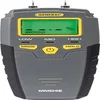
General Tools MMD4E Pin/Pinless Moisture Meter
Switches between pin and pinless modes so you can scan reclaimed boards without marking the finished face, then confirm with a pin reading if needed.
- Best for: Checking reclaimed plank moisture before install without damaging patina
- Why we picked it: Dual pin/pinless mode covers both a quick scan and a precise spot check
- Main drawback: Pinless readings are less precise on very thick or dense old-growth boards
Compare more moisture meter options
 Option 1 Klein Tools ET140 Pinless Moisture Meter
|
 Option 2 General Tools MMD7NP Digital Moisture Meter
|
 Option 3 Mecurate Digital Pin Type Wood Moisture Meter
|
As an Amazon Associate we earn from qualifying purchases.
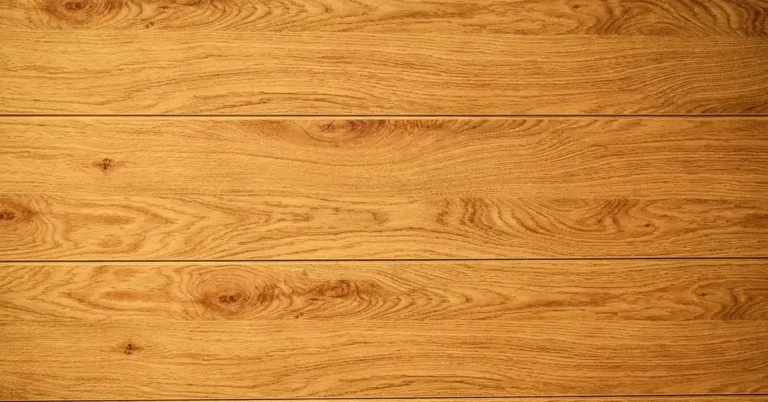
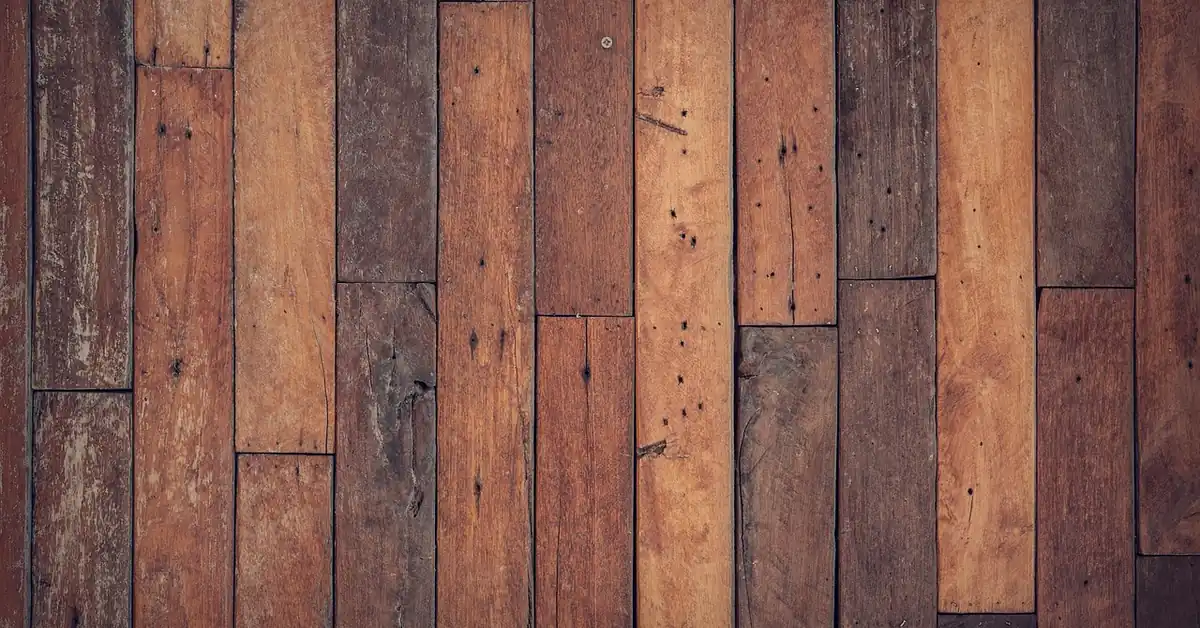
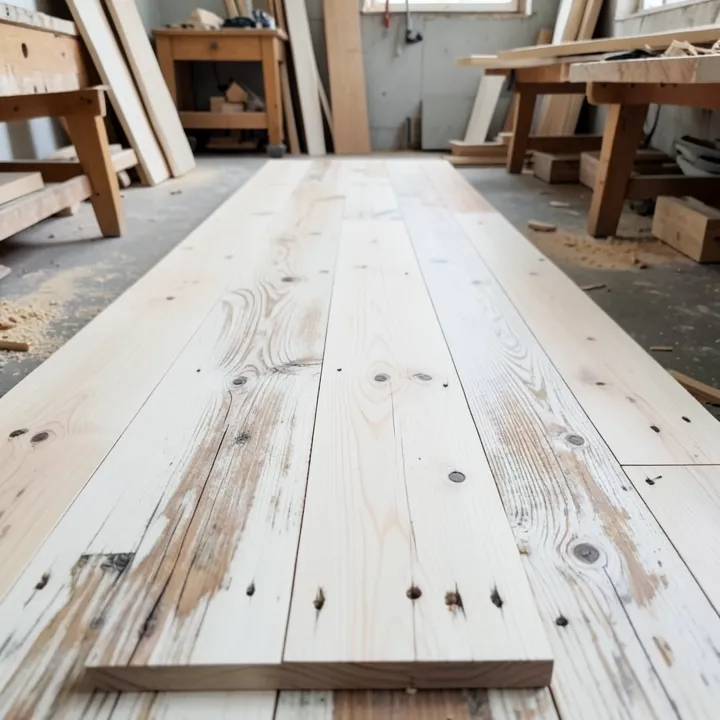
Reclaimed white oak flooring is a hardwood floor product milled from oak lumber recovered from demolished or dismantled structures — barns, factories, warehouses, and old houses — rather than from trees cut specifically for flooring. The boards keep the patina, nail holes, saw marks, and color shifts the wood picked up over decades of prior use. Reclaimed wood is frequently harder than new-cut lumber of the same species: salvaged stock is commonly reported as up to 40 Janka points denser than fresh white oak, a result of the slow growth rings in old-growth timber that isn’t being cut today.
That extra density is real information most product pages don’t spell out, but it’s not a guarantee — density depends on the original tree and how the wood was stored, so two reclaimed lots from different suppliers can differ. If you’re weighing white oak against other options first, our maple vs. oak flooring comparison covers how the species stack up before you commit to reclaimed sourcing.
Reclaimed White Oak Flooring Cost
Material alone runs $8 to $25 per square foot, and installation labor adds another $3 to $7 per square foot depending on region and subfloor prep. New white oak, by comparison, typically runs $4 to $10 per square foot for material — reclaimed costs more because every board has to be de-nailed, kiln-dried, inspected, and re-milled by hand before it can go down as a floor.
📊 Reclaimed white oak material costs $8–$25 per sq ft vs. $4–$10 per sq ft for new white oak — Source: American Reclaimed Wood Floors flooring cost data, 2026
Four factors move the price inside that range:
- Source and condition — wood from a well-documented barn with minimal rot or insect damage costs more to source but needs less rework.
- Plank width — wide-plank reclaimed oak (6″+ ) commands a premium over standard 2.25″–3.25″ strip flooring.
- Finish — unfinished boards you finish on-site cost less upfront than prefinished, factory-oiled planks.
- Supply — reclaimed white oak isn’t stocked like new oak; limited lot sizes and long lead times (4–8 weeks is common) push price up.
Solid vs. Engineered Reclaimed White Oak
Reclaimed white oak comes in two constructions, and most cost guides skip this distinction entirely. Solid reclaimed flooring is a single piece of salvaged oak, usually 3/4″ thick, that can be sanded and refinished multiple times over its life. Engineered reclaimed flooring uses a thin veneer of the same salvaged oak bonded over a plywood or HDF core — it’s more dimensionally stable in humidity swings and is the only option safe to install over concrete slabs or below grade, which solid wood generally isn’t.
| Construction | Refinishable | Below-grade / on concrete | Typical premium |
|---|---|---|---|
| Solid reclaimed | Yes, multiple times | Not recommended | Baseline |
| Engineered reclaimed | Limited (veneer thickness) | Yes | ~$2.00/sq ft more |
If you’re installing over a basement slab or in a humid climate, engineered reclaimed is the safer call even at the higher price. For a main-floor room over a wood subfloor, solid reclaimed gives you more refinishing life over the decades.
Reclaimed White Oak Doesn’t Have a Standard Grading System
New white oak flooring is sold under standardized grades — Clear, Select & Better, #1 Common, #2 Common — that predict how much color variation and character marking you’ll get. Reclaimed white oak has no equivalent industry standard. Each supplier grades its own reclaimed stock by its own internal system, so “select” from one mill and “select” from another can look different in the same box.
Because of that, always request physical samples — not just photos — before ordering enough reclaimed white oak to cover a full room. Ask the supplier directly what percentage of the lot will show heavy character (old nail holes, insect trails, mineral streaks) versus cleaner boards, since that ratio is set by hand at the mill, not by a published grade.
Durability: Reclaimed White Oak vs. Red Oak vs. Hickory
White oak carries a Janka hardness rating of 1,360, ahead of red oak’s 1,290 but well behind hickory’s 1,820. Reclaimed white oak often tests harder than that baseline — sometimes up to 40 points higher — because old-growth trees grew slower and packed tighter growth rings than the faster-grown oak harvested today. That still doesn’t put it ahead of hickory in a high-traffic household with dogs or heavy furniture traffic.
| Wood | Janka rating | Best for |
|---|---|---|
| Reclaimed white oak | ~1,360–1,400 | Character-driven main living areas, moderate traffic |
| New red oak | 1,290 | Budget-conscious new installs |
| Hickory | 1,820 | High-traffic homes with kids or large dogs |
Where to Buy Reclaimed White Oak Flooring
Reclaimed white oak isn’t sold at most big-box stores — it comes from specialty reclaimed-lumber mills that source, de-nail, and re-mill salvaged wood themselves. Suppliers like Modern Timber Craft and American Reclaimed Wood Floors sell resawn reclaimed white oak directly, usually with minimum order sizes (100 sq ft is common) and 4–8 week lead times since stock is milled to order rather than kept on a shelf. Regional reclaimed-lumber yards and salvage architectural stores are also worth checking, especially if you want to see and handle actual boards before committing to a full room’s worth.
Before you commit to a supplier, confirm the reclaimed wood has been properly kiln-dried and de-nailed — old nails and staples missed during milling are a real safety and tool-damage risk during installation, which is also why a moisture check before laying any reclaimed floor matters more than it does with new lumber (see the moisture meter note below). If red oak is also on your shortlist, our red oak flooring at Home Depot guide covers the new-lumber alternative for comparison.
Check Moisture Before You Install
Reclaimed boards have already lived through decades of humidity swings in their original structure, so they need to acclimate to your home’s conditions and be checked with a moisture meter before installation — skipping this step is one of the most common reasons reclaimed floors cup or gap within the first year. A pinless meter lets you scan boards without marking the face, which matters more on reclaimed stock where the surface patina is part of what you paid for.
Challenges of Using Reclaimed White Oak
Reclaimed white oak isn’t a drop-in replacement for new flooring in every situation. Boards can be uneven or slightly warped from decades in a structure that wasn’t climate-controlled, so expect more waste during installation than with new lumber — budget 10–15% extra material for cutting around defects. Because the wood mixes species and lots depending on what the original structure yielded, don’t assume every plank in an order will match a sample perfectly.
And while reclaimed white oak is often harder than new-cut boards, its baseline Janka rating still trails hickory, so a household with large dogs or heavy foot traffic should weigh that trade-off against the character reclaimed wood offers. Once installed, matching a stain color to the mixed tones in a reclaimed floor takes extra care — see our oak floor stain colors guide when you get to that stage.
Frequently Asked Questions
Is reclaimed white oak flooring more expensive than new oak?
Yes. Reclaimed white oak material typically runs $8–$25 per square foot versus $4–$10 per square foot for new white oak, because every reclaimed board has to be de-nailed, dried, inspected, and re-milled by hand before it can be sold as flooring.
What is the disadvantage of white oak in flooring?
White oak’s main disadvantage is a lower Janka hardness rating (1,360) than harder species like hickory (1,820), so it dents and wears faster under heavy traffic. Reclaimed white oak sometimes tests harder than new-cut boards due to old-growth density, but it doesn’t reliably close that gap with hickory.
Solid or engineered: which reclaimed white oak should I buy?
Choose solid reclaimed white oak for a main floor over a wood subfloor, since it can be sanded and refinished many times. Choose engineered reclaimed white oak if you’re installing over a concrete slab or below grade, where solid wood generally isn’t recommended.
What is reclaimed white oak?
Reclaimed white oak is oak lumber salvaged from old structures like barns, factories, and houses, then de-nailed, dried, and re-milled into flooring instead of being cut from freshly harvested trees.
Does reclaimed white oak flooring have a standard grade like new oak?
No. New white oak uses standardized grades like Select & Better and #1 Common, but reclaimed white oak has no industry-wide grading system — each supplier grades its own stock, so always request physical samples before ordering.
Conclusion
Reclaimed white oak flooring costs more than new oak — $8–$25 per square foot in material versus $4–$10 — but it delivers old-growth density, real history, and a look no fresh-cut board can replicate. Buy from a specialty reclaimed-lumber supplier, request physical samples since there’s no standard grading to rely on, choose solid or engineered based on your subfloor, and check moisture before you install. For a related option in the same family, see our guide to wide plank white oak floors.
Sponsored / affiliate links. As an Amazon Associate I earn from qualifying purchases. I may earn additional commission from eligible campaigns.