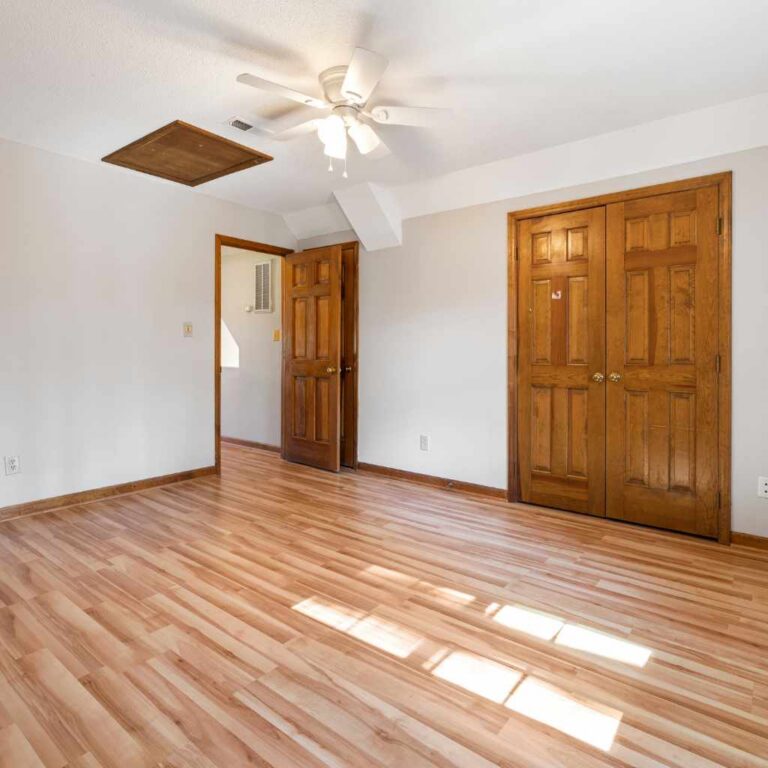
Refinishing Wood Door: Transform Your Entryway!
Refinishing a wood door involves sanding, staining, and sealing the surface to restore its original beauty. This process enhances durability and protects against wear and tear.
Wood doors can elevate the aesthetic of any home. Over time, they may suffer from scratches, fading, or water damage. Refinishing offers a cost-effective solution to rejuvenate your door without needing a full replacement. By carefully removing the old finish, you can apply fresh stain and sealer that matches your style.
This not only enhances the door’s appearance but also extends its lifespan. Regular maintenance through refinishing helps preserve the wood and maintain its natural charm. Understanding the refinishing process can empower homeowners to take on this rewarding project with confidence.
Introduction To Refinishing Wood Doors
Refinishing wood doors can greatly enhance your home’s appearance. A revamped door adds charm and elegance. It can also increase your property value significantly. When done correctly, it attracts more buyers.
DIY door refinishing offers several benefits. First, it saves money compared to hiring professionals. Second, you gain satisfaction from completing the project yourself. Third, it allows for personalization to match your home’s style.
Finally, refinishing wood doors is an eco-friendly choice. It reduces waste by reusing materials. This practice supports a sustainable lifestyle while improving your living space.
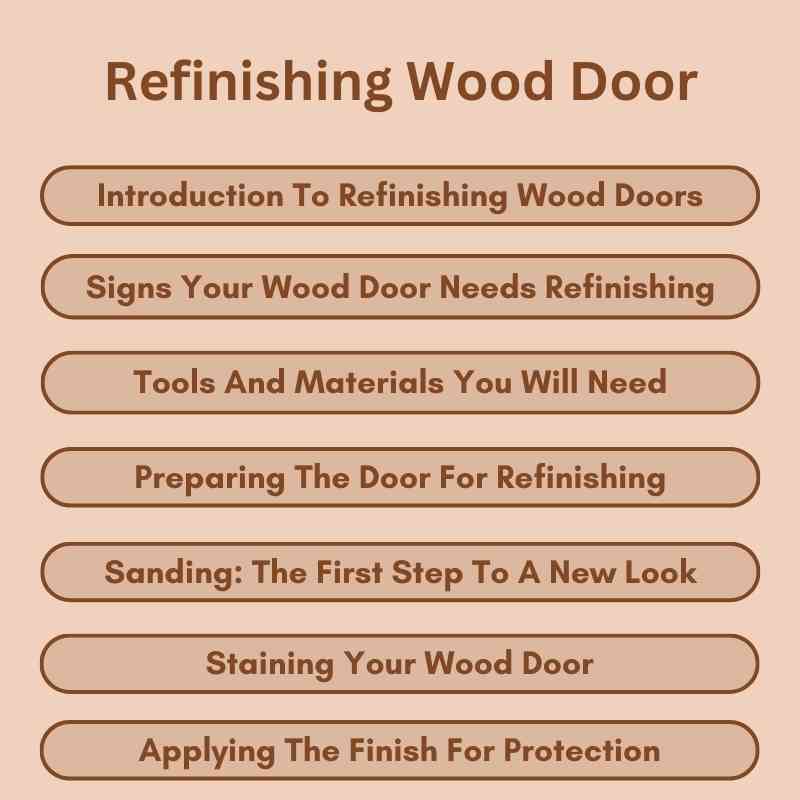
Signs Your Wood Door Needs Refinishing
Fading and discoloration on your wood door are clear signs of damage. Sunlight can cause the finish to fade. This makes your door look old and worn. Regular maintenance helps prevent this issue.
Surface scratches and dents are also signs that refinishing is needed. These marks can occur from daily use. They not only affect appearance but also protectiveness. A refinished door can restore its beauty and strength.
Tools And Materials You Will Need
To refinish a wood door, gather essential supplies. These include:
- Sandpaper (various grits)
- Wood stain of your choice
- Paintbrush or foam applicator
- Wood sealer or topcoat
- Rags for cleaning and wiping
- Protective gear like gloves and goggles
Choosing the right sandpaper is important. Start with a coarse grit for rough spots. Move to a finer grit for a smooth finish. Stain selection also matters. Test different colors on a scrap piece first. This helps ensure the final look matches your vision.
Preparing The Door For Refinishing
Start by cleaning the surface of the door. Use a mild soap and water solution. A soft cloth works best for this task. Make sure to remove any dirt or grime.
Next, remove hardware like knobs and hinges. This helps to avoid damage during refinishing. Don’t forget to take off the weather stripping as well. It protects your door but needs to be removed for a smooth finish.
Label all parts to make reassembly easier. Keep screws and small parts in a container. This will save time later on. Ensure the surface is completely dry before moving on.
Sanding: The First Step To A New Look
Sanding is the first step to a beautiful wood door. Use medium-grit sandpaper for initial sanding. This removes old finishes and smooths the surface. Follow up with fine-grit sandpaper for a polished look. Always sand in the direction of the grain. This prevents scratches and gives a better finish.
For tough stains, consider using a stain remover. Apply it with a cloth and let it sit. Afterward, sand the area lightly. For scratches, try using a wood filler. Fill in the scratch and sand it smooth. This helps maintain a uniform appearance on the door.
Staining Your Wood Door
Choosing the right stain color is key to enhancing your wood door’s beauty. Consider the wood type and its natural grain. Lighter stains show more grain details, while darker ones add depth. Test a small area before applying the final color.
For an even finish, prepare the door well. Start by cleaning the surface thoroughly. Sand the door gently to remove any old finish. Apply the stain using a brush or a rag. Work in the direction of the wood grain. Allow the stain to sit for a few minutes, then wipe off excess. This ensures a consistent look.
Always use a topcoat after staining. It protects the wood and enhances its color. Choose a water-based or an oil-based topcoat based on your preference.
Applying The Finish For Protection
Choosing the right finish is key for your wood door. Varnish offers a durable layer that resists scratches. Polyurethane provides excellent protection against moisture. Other finishes, like oil-based or water-based, have unique benefits.
For a smooth application, follow these best practices:
- Clean the surface well before applying any finish.
- Use a high-quality brush to avoid streaks.
- Apply thin, even coats for better results.
- Sand between coats for a smooth surface.
- Allow sufficient drying time between applications.
Reassembling And Maintenance Tips
Start by carefully reattaching hardware. Use the original screws to secure hinges and handles. Ensure everything is aligned properly. Check that the door opens and closes smoothly.
Apply weather stripping around the edges. This helps keep out drafts and moisture. Choose a material that suits your climate.
Regular maintenance is essential for prolonging the door’s life. Clean the surface often to avoid dirt buildup. Inspect for any signs of damage or wear.
Consider applying a new coat of finish every few years. This protects the wood and keeps it looking fresh. Always follow the manufacturer’s instructions for best results.
Before And After: The Transformation
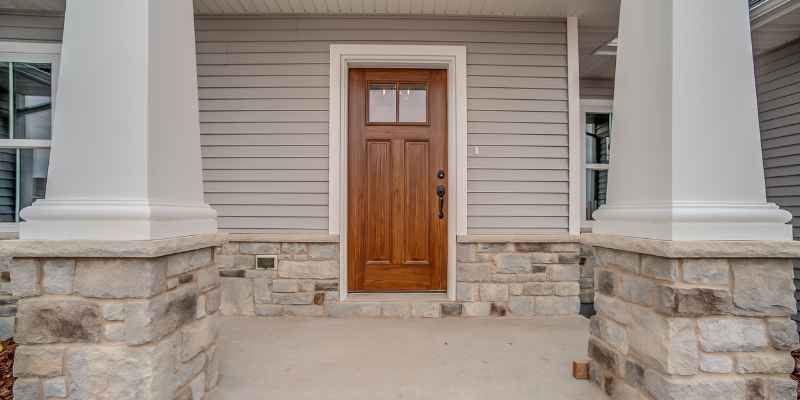
Refinishing a wood door can bring back its beauty. The transformation is often stunning. A fresh finish highlights the natural grain and color of the wood. It makes the door look new and inviting.
Showcasing your refinished door is important. Take before and after photos to show the change. Friends and family will be amazed at the results. Display the door proudly in your home.
The refinishing process involves several steps. Start by cleaning the door thoroughly. Next, sand the surface to remove old finish. Apply a primer for better adhesion. Finally, use a high-quality stain or paint to finish the look.
| Step | Description |
|---|---|
| Clean | Remove dirt and grime from the door. |
| Sand | Smooth the surface and remove old finish. |
| Prime | Apply primer for better paint adhesion. |
| Finish | Use stain or paint to enhance the wood. |
Frequently Asked Questions
How Do I Start Refinishing A Wood Door?
To begin refinishing a wood door, first, remove it from its hinges. Clean the surface thoroughly to eliminate dust and grime. Next, strip the old finish using a suitable chemical or sanding method. Prepare your workspace with protective gear, and gather all necessary tools for a smooth process.
What Materials Do I Need For Refinishing?
You’ll need several materials for refinishing a wood door. Essential items include sandpaper, a paint stripper, a clean cloth, wood stain, and a sealant. Additionally, consider using a brush or roller for application. Ensure you have safety gear like gloves and goggles to protect yourself during the process.
How Long Does The Refinishing Process Take?
The refinishing process can take anywhere from a few hours to a couple of days. This duration depends on the door’s condition and the drying times of the products used. Allow ample time for sanding, staining, and sealing. Patience ensures a professional finish and lasting results.
Can I Refinish My Wood Door Without Stripping?
Yes, you can refinish a wood door without stripping if the existing finish is in good condition. Light sanding can prepare the surface for a new coat of stain or paint. This method saves time and effort while providing a refreshed appearance.
However, ensure proper adhesion for the best results.
Conclusion
Refinishing a wood door can breathe new life into your home. It enhances aesthetics and boosts durability. With the right tools and techniques, anyone can achieve professional results. Embrace this DIY project to elevate your space. Start your refinishing journey today and enjoy the transformation of your wood door.