Satin Vs Semi-Gloss Polyurethane Finish (Plus Mixing Sheens)
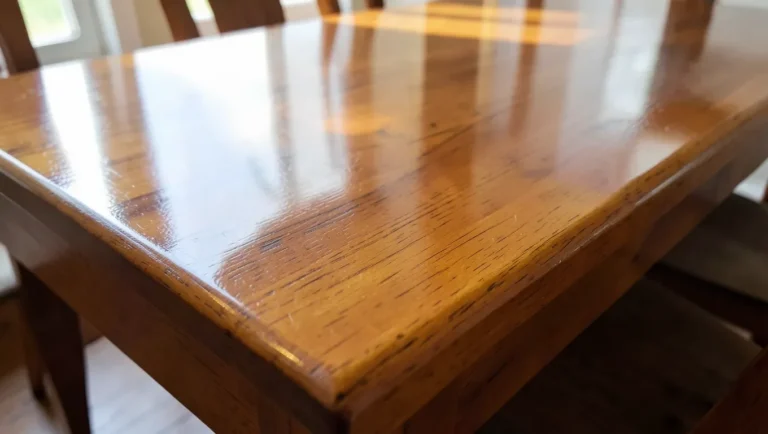
Satin and semi-gloss polyurethane finishes are two common options used to protect and enhance the look of wood surfaces. Satin finishes offer a smooth and subtle sheen, while semi-gloss finishes provide a higher level of shine and reflectivity.
These finishes have their own unique characteristics and can be chosen based on personal preference and the desired look for the project.
What Is Satin Polyurethane Finish?
Best Everyday Pick
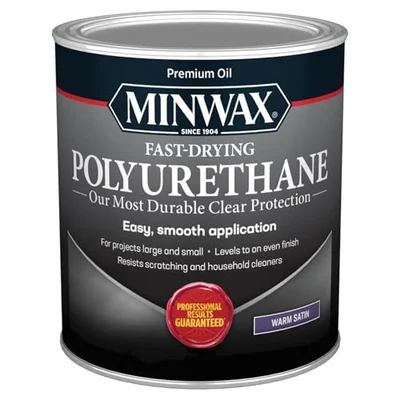
Minwax Fast-Drying Polyurethane, Satin
The everyday choice for tables and dressers this guide recommends — satin’s lower reflectivity hides fingerprints and dust better than semi-gloss. See our satin clear coat comparison for specific products, real prices and VOC.
- Best for: furniture that gets handled daily and shows fingerprints easily
- Why we picked it: oil-based formula deepens wood grain with a warm amber tone
- Main drawback: will amber lighter woods over time, not ideal if you want to preserve a pale finish
Round out your finishing options
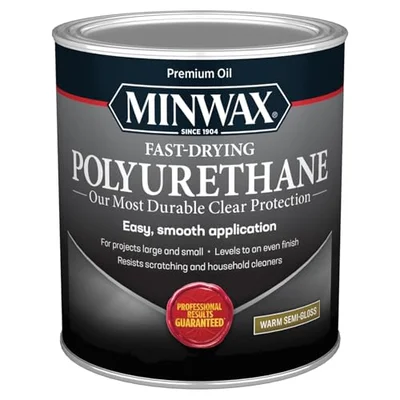 Option 1 Minwax Semi-Gloss Polyurethane
|
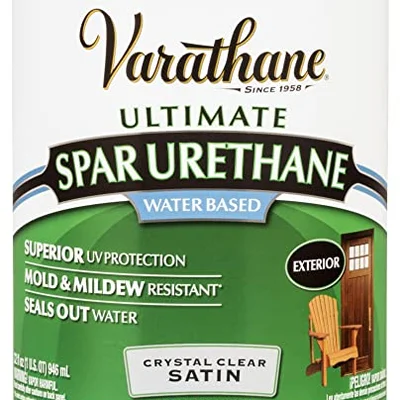 Option 2 Varathane Spar Urethane (Satin)
|
 Option 3 Foam Brush Applicators (Multi-Pack)
|
As an Amazon Associate we earn from qualifying purchases.
Satin polyurethane finish is a popular choice for its subtle sheen and durability. It offers a smooth, low-luster appearance that is less shiny than semi-gloss, making it ideal for areas where a more subdued look is desired. Whether you’re refinishing furniture or adding a protective coat to your hardwood floors, satin polyurethane finish provides a beautiful, long-lasting result.
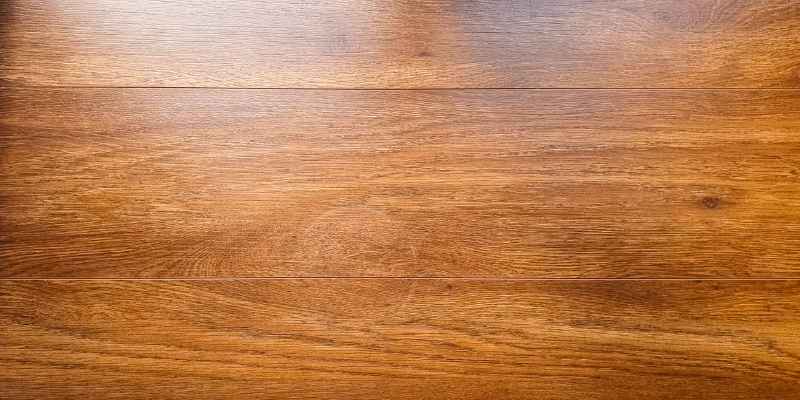
Satin polyurethane finish is a popular choice for enhancing and protecting wooden surfaces. It falls between a glossy and matte finish, providing a subtle sheen that adds depth and warmth to furniture, flooring, cabinets, and other woodwork. This versatile finish has become increasingly favored for its ability to resist wear, moisture, and chemicals, while also offering a more forgiving touch regarding upkeep and maintenance.
Characteristics Of Satin Polyurethane Finish
Satin polyurethane finish exhibits several unique characteristics that set it apart from other finishes.
- Durable Protection: Satin polyurethane offers excellent durability, protecting wood surfaces from scratches, stains, and general wear and tear.
- Subtle Sheen: This finish provides a gentle and appealing sheen that is less reflective than a high gloss finish, giving the wood a natural and inviting appearance.
- Enhanced Grain and Texture: Satin polyurethane often enhances the wood grain and texture, emphasizing its natural beauty and providing a more organic look.
- Easy Application: With its moderate drying time and forgiving nature, satin polyurethane is relatively easy to apply, even for those without extensive experience.
Pros And Cons Of Satin Polyurethane Finish
Like any finish, satin polyurethane has its own set of advantages and disadvantages that should be considered before making a choice.
| Pros | Cons |
|---|---|
|
|
What Is Semi Gloss Polyurethane Finish?
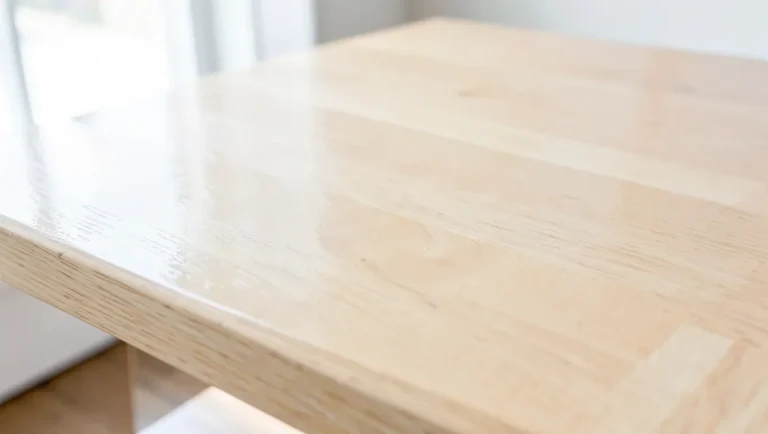
Semi gloss polyurethane finish is a popular choice for wooden surfaces. It offers a subtle sheen, striking a balance between the glossy shine of high gloss and the matte finish of satin. Great for adding durability and protection to furniture or flooring.
Semi Gloss Polyurethane Finish is a popular choice when it comes to adding a smooth and glossy sheen to your wooden surfaces. It is a clear, liquid coating that provides protection and enhances the beauty of the underlying wood. Semi Gloss Polyurethane Finish is often used for wood flooring, furniture, cabinets, and other woodworking projects.
Characteristics Of Semi Gloss Polyurethane Finish
Semi Gloss Polyurethane Finish has several key characteristics that make it a desirable option for many woodworkers. Here are some important features to consider:
- 1. Provides a glossy and reflective finish that adds depth and elegance to wood surfaces.
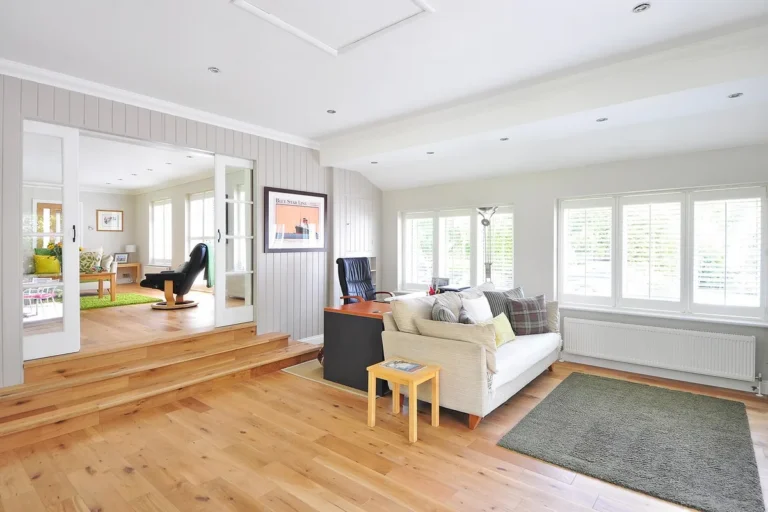
- 2. Resistant to stains, scratches, and water damage, making it ideal for high-traffic areas.
- 3. Dries quickly and cures to a hard, durable finish.
- 4. Offers excellent UV protection, preventing the wood from fading or yellowing over time.
Pros And Cons Of Semi Gloss Polyurethane Finish
Like any other finish, Semi Gloss Polyurethane Finish has its own set of pros and cons. Let’s take a closer look:
| Pros | Cons |
|---|---|
|
|
Comparison Of Satin And Semi Gloss Polyurethane Finishes
When it comes to choosing the right finish for your wooden furniture or flooring, two popular options are satin and semi-gloss polyurethane. While both these finishes offer protection and enhance the beauty of your wood, they have some key differences that make them suitable for different applications. In this article, we will compare satin and semi-gloss polyurethane finishes in terms of their appearance and shine, durability, and application and maintenance.
Appearance And Shine
One of the main factors to consider when choosing between satin and semi-gloss polyurethane finishes is the desired appearance and level of shine. Satin finishes have a more muted and less reflective look compared to semi-gloss finishes. They offer a subtle sheen that adds a touch of elegance to wooden surfaces without being overly glossy. On the other hand, semi-gloss finishes provide a higher level of shine and reflect more light, giving the wood a vibrant and glossy appearance. The choice between satin and semi-gloss largely depends on the aesthetic you want to achieve.
Here is a comparison of the appearance and shine of satin and semi-gloss polyurethane finishes:
| Satin Polyurethane Finish | Semi-Gloss Polyurethane Finish |
|---|---|
| Subtle sheen | High shine |
| Muted and less reflective | Vibrant and glossy |
Durability
Another important aspect to consider when choosing a polyurethane finish is durability. Both satin and semi-gloss finishes offer a protective layer that helps prevent scratches, stains, and damage to the wood. However, semi-gloss finishes tend to be slightly more durable than satin finishes. The higher gloss in semi-gloss finishes provides an added layer of protection and makes the surface more resistant to wear and tear. If you are looking for a finish that can withstand heavy foot traffic or frequent use, a semi-gloss polyurethane finish may be a better choice.
Application And Maintenance
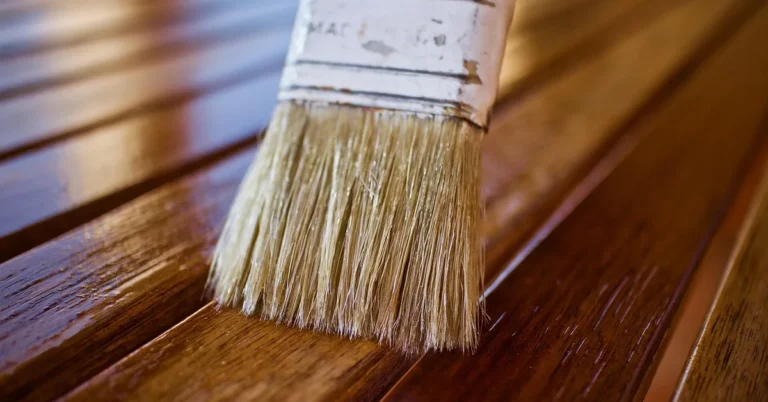
The application and maintenance of satin and semi-gloss polyurethane finishes are similar. Both finishes can be applied using a brush, roller, or sprayer, and they typically require multiple coats for optimal results. It is important to sand the wood surface between coats to ensure proper adhesion and a smooth finish. In terms of maintenance, regular cleaning with a mild detergent and avoiding harsh chemicals is recommended for both finishes. In case of any damage or wear, a light sanding and reapplication of the finish may be necessary.
To summarize, satin and semi-gloss polyurethane finishes offer different aesthetic and practical benefits. Satin finishes provide a subtle sheen and are ideal for those who prefer a more understated look. On the other hand, semi-gloss finishes offer a high level of shine and durability, making them suitable for high traffic areas or surfaces that require extra protection. Both finishes require proper application and maintenance to ensure their longevity and beauty.
Choosing The Right Finish For Your Wood Furniture
Choosing between a satin and semi-gloss polyurethane finish for your wood furniture is essential for achieving the desired look. Satin offers a smooth and low sheen finish, while semi-gloss provides a higher level of shine. Consider the overall aesthetic you want to achieve before making your decision.
Considerations For Your Desired Look
When it comes to choosing the right finish for your wood furniture, one of the most important decisions you’ll need to make is whether to go with a satin or semi-gloss polyurethane finish. Both options have their advantages and drawbacks, so it’s essential to understand the factors that can influence your decision. Whether you’re aiming for a more natural and subtle look or a glossy and vibrant appearance, considering the following aspects will help you make an informed choice.
Considerations For Practical Use
Aside from the aesthetics, it’s crucial to take into account the practical use of your wood furniture when deciding on the right finish. The level of durability and maintenance required can vary between satin and semi-gloss polyurethane finishes. To ensure your furniture stands the test of time and fits your lifestyle, keep the following practical considerations in mind:
- Scratch Resistance: Both satin and semi-gloss finishes provide some level of scratch resistance, but semi-gloss tends to be slightly more durable in this aspect. If you have kids or pets at home, a semi-gloss finish might be more suitable to withstand potential scratches.
- Ease of Cleaning: Cleaning your wood furniture is a regular task, so it’s important to consider how easy it is to maintain the finish. Satin finishes are often more forgiving when it comes to hiding fingerprints, smudges, and dust, while semi-gloss finishes may require more frequent cleaning to maintain their shine.
- Moisture and Stain Resistance: If you anticipate that your wood furniture will be exposed to moisture or potential stains, such as in the case of kitchen countertops or bathroom cabinets, a semi-gloss finish can offer better protection. Its smooth surface is less likely to absorb liquids compared to satin finishes.
By carefully considering the desired look and practical use of your wood furniture, you’ll be able to make a choice between satin and semi-gloss polyurethane finishes that aligns with your preferences and lifestyle. Remember, each option has its own unique characteristics, and understanding them will guide you towards achieving the perfect finish for your much-loved furniture pieces.
Oil-Based Vs. Water-Based, And Getting A Custom Sheen
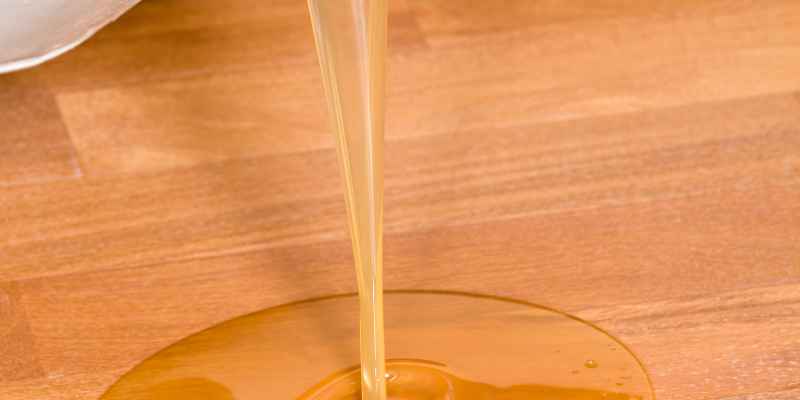
Satin and semi-gloss both come in oil-based and water-based formulas, and the base matters as much as the sheen. Oil-based polyurethane penetrates the wood and develops a warm amber tint over time, which deepens the look of darker woods but will noticeably shift the color of lighter woods like maple or ash. Water-based polyurethane goes on and stays clear, making it the better choice when the wood’s natural color needs to stay true, though it typically doesn’t last quite as long as oil-based on high-wear surfaces.
For anything going outdoors, standard polyurethane isn’t the right product regardless of sheen — spar urethane is formulated specifically for exterior use, with added UV stabilizers and enough flexibility to move with the wood as it expands and contracts in the weather. Standard indoor polyurethane will break down and fail under direct sun exposure much faster.
Can You Mix Satin And Semi-Gloss Polyurethane?
Yes, and it’s a legitimate way to dial in a sheen between the two standard options. Stir each can thoroughly first so no flattening agent is settled at the bottom, then combine them in the ratio that matches your target look: roughly 1:1 stays close to satin with barely a hint of extra shine, while closer to 1:2 (satin to gloss) pushes toward a noticeably shinier result. Always test the mixed ratio on a scrap piece of the same wood and let it dry fully before committing, since sheen can look different wet than cured.
Data point: Woodworking finishing communities put satin’s reflectivity at roughly 35-40% luster versus semi-gloss at 45-55% — both are chemically identical polyurethane with a different amount of flattening paste added, which is also why mixing the two in different ratios reliably produces a sheen in between.
Frequently Asked Questions Of Satin Vs Semi Gloss Polyurethane Finish
Should I Use Satin Or Gloss Polyurethane?
For a smooth and shiny finish, choose gloss polyurethane. If you prefer a softer sheen and more subtle look, satin polyurethane is the way to go.
Is Satin Or Semi-gloss Better For Wood?
Both satin and semi-gloss finishes work well on wood, but the best choice depends on personal preference and the desired look. Satin offers a smooth, low-sheen appearance and hides imperfections better, while semi-gloss provides a shiny finish with more durability.
What Sheen Of Polyurethane For Furniture?
For most furniture, satin or semi-gloss is the practical choice. Satin (roughly 35-40% luster) hides fingerprints, dust, and minor imperfections better, making it the better pick for everyday tables and dressers. Semi-gloss (roughly 45-55% luster) shows more wear but adds a noticeably more polished look and slightly better moisture resistance, which suits kitchen furniture, bathroom cabinets, or pieces with heavy handling like banisters and railings.
What Is The Most Popular Polyurethane Finish?
The most popular polyurethane finish is water-based polyurethane. It provides a durable and protective coating for various surfaces.
Can You Mix Satin And Semi-Gloss Polyurethane To Get A Custom Sheen?
Yes. Stir each can thoroughly, then combine them in the ratio that matches your target sheen — roughly 1:1 stays close to satin, while closer to 1:2 (satin to gloss) pushes toward noticeably more shine. Always test on a scrap piece and let it dry fully, since sheen can look different wet than cured.
Should I Use Oil-Based Or Water-Based Polyurethane?
Oil-based polyurethane develops a warm amber tint over time, which deepens darker woods but shifts the color of lighter woods like maple. Water-based polyurethane stays clear and is the better choice when you need the wood’s natural color to stay true, though it’s typically slightly less durable on high-wear surfaces.
Conclusion
To recap, both satin and semi-gloss polyurethane finishes offer their own unique advantages. Satin provides a soft, low-luster look, perfect for hiding imperfections and creating a warm ambiance. On the other hand, semi-gloss offers a more durable and shiny finish, ideal for high-traffic areas.
Ultimately, the choice between the two depends on your personal preference and the desired aesthetic of your project. So, consider the pros and cons of each finish before making your decision.
Sponsored / affiliate links. As an Amazon Associate I earn from qualifying purchases. I may earn additional commission from eligible campaigns.