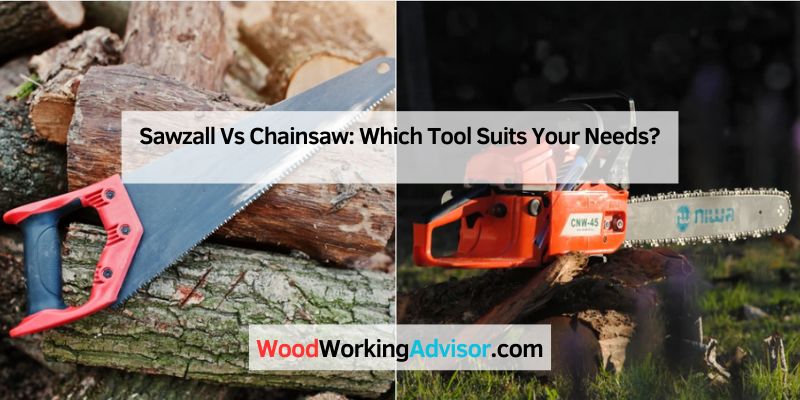
Sawzall Vs Chainsaw: Which Tool Suits Your Needs?
Are you standing in the tool aisle, scratching your head, trying to decide between a Sawzall and a chainsaw? You’re not alone.
Choosing the right tool can feel overwhelming, especially when both have their unique strengths. But don’t worry; we’ve got you covered. Imagine the satisfaction of slicing through wood with precision and ease, knowing you’ve picked the perfect tool for your needs.
Whether you’re tackling a DIY project or gearing up for some serious yard work, understanding the differences between a Sawzall and a chainsaw can make all the difference. Stick around, and you’ll discover which tool will make your tasks easier and more efficient.
Credit: www.pinkbike.com
Sawzall Basics
The Sawzall has a simple design. It’s a hand-held tool. It uses a back-and-forth motion. This motion helps cut through many materials. The tool is easy to handle. Blades can be changed quickly. This makes it versatile for different tasks.
People use the Sawzall for home repairs. It’s also used for construction work. It cuts wood, metal, and plastic. It’s great for demolition projects. The tool is handy for tight spaces. It’s also useful for pruning trees.
The Sawzall is very versatile. It’s lightweight and easy to carry. The tool works in hard-to-reach areas. It cuts through many materials. Changing blades is fast. This saves time during tasks. It’s a great tool for many projects.

Credit: www.youtube.com
Chainsaw Essentials
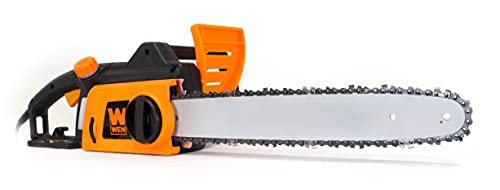
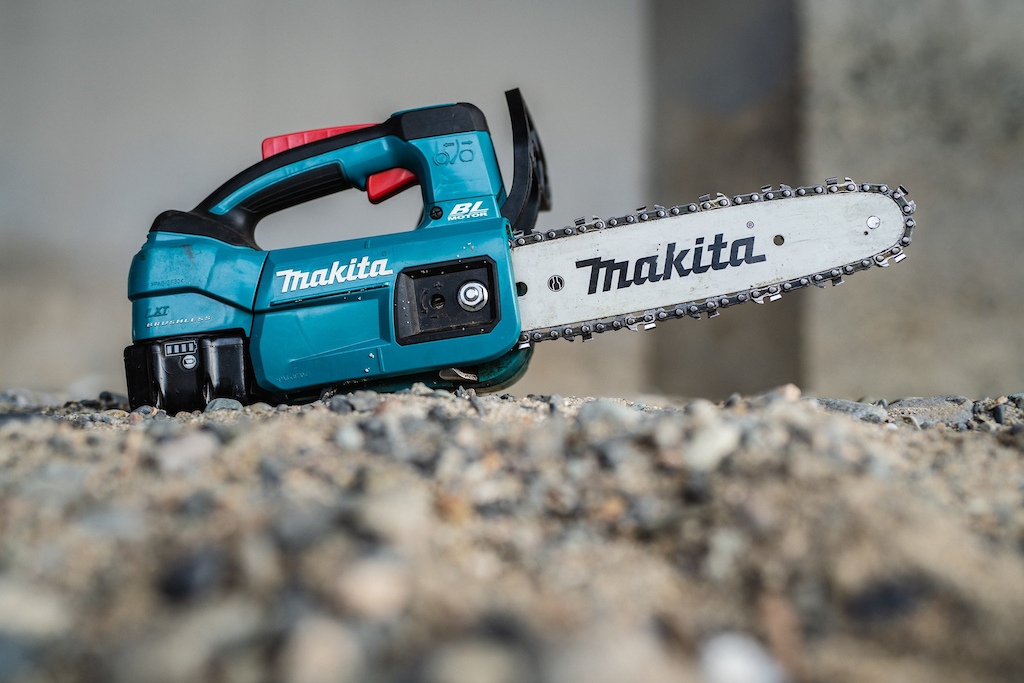
Chainsaws come in different types. Gas-powered chainsaws are strong and good for big jobs. Electric chainsaws are lighter and quieter. Battery-powered chainsaws are easy to move. Each type has special features. Some have safety brakes to stop the chain fast. Others have anti-vibration handles for easy use. These features help make work safer and simpler.
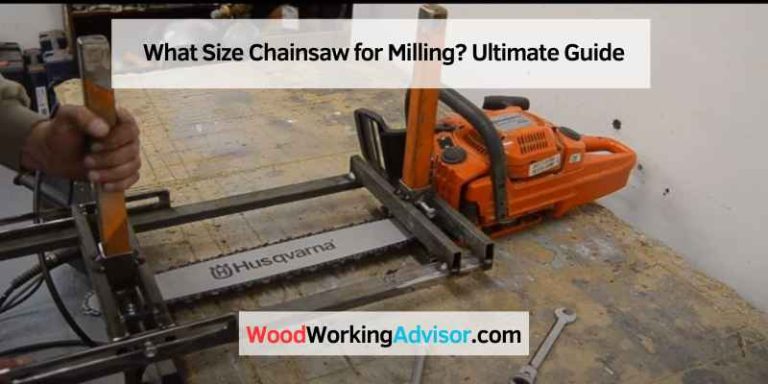
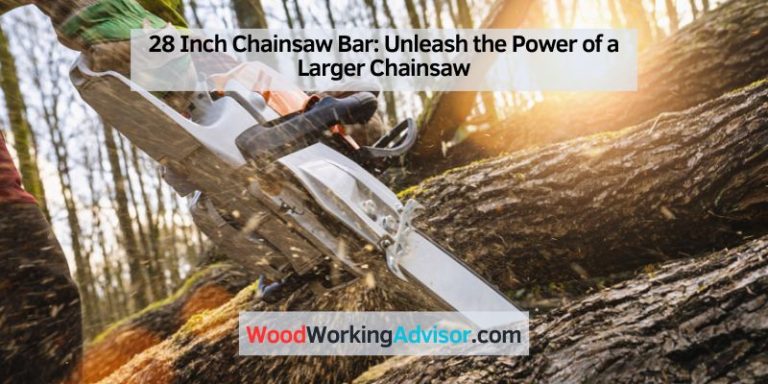
Chainsaws are great for cutting trees and branches. They help in forestry work and woodcutting. People use them for landscaping and clearing bushes. Chainsaws are also used in emergencies to remove fallen trees. They are good for many tasks, big or small.
Chainsaws save time by cutting wood quickly. They are powerful and can handle tough jobs. Using a chainsaw makes heavy work easier. They are good tools for both professionals and homeowners. Chainsaws help keep your garden and yard neat. They are essential for anyone who needs to cut wood often.
Comparative Analysis
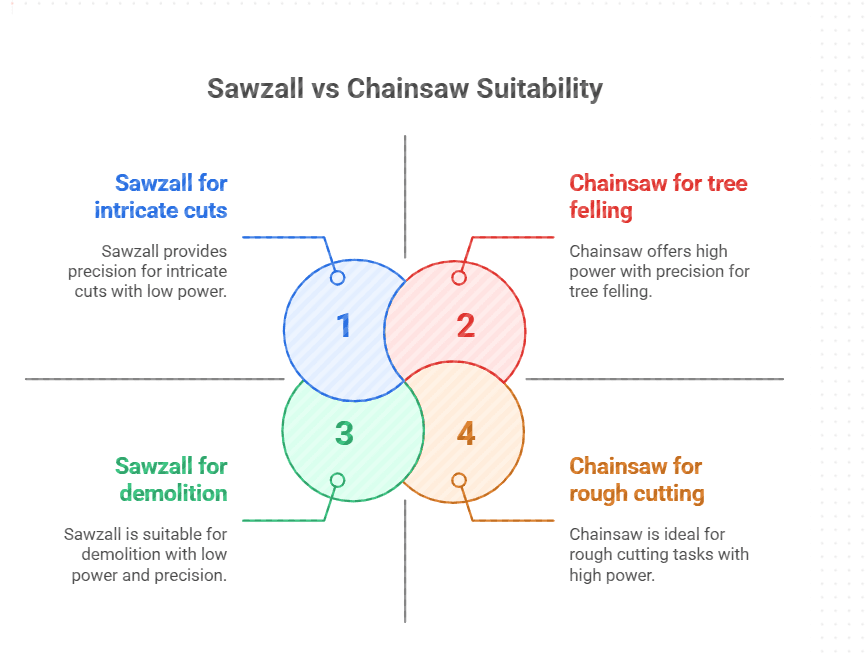
Sawzall is best for smaller cuts. It works well on wood and metal. Chainsaw is ideal for cutting thick trees. It handles big tasks easily. Sawzall cuts faster in tight spots. Chainsaw cuts quickly on open areas. Both tools have strong motors. But chainsaw has more power.
Using a sawzall requires care. Its blade moves fast. Wear gloves and goggles for safety. The chainsaw is more dangerous. It needs extra protection. Use helmets and boots. Keep your hands steady. Both tools require focus. Safety is important with these tools.
A sawzall is simple to handle. It is lightweight. Easy to carry around. The chainsaw is heavier. It needs strength to manage. Chainsaw is harder for beginners. Sawzall is user-friendly. Both tools need practice. Learn the basics first.

Credit: www.youtube.com
Choosing The Right Tool
Sawzalls are great for small projects inside the house. They can cut pipes, wood, and metal. Chainsaws are better for big trees and thick branches. They handle heavy-duty tasks outdoors. Think about what you need to cut. Pick the tool that fits your project best.
Sawzalls work well with thin materials. They are good for plastic, small wood, and metal. Chainsaws are strong and cut thick wood easily. They are perfect for logs and large branches. Choose the tool that matches your material type.
Sawzalls are often cheaper than chainsaws. They are a good choice for smaller budgets. Chainsaws can be more expensive. Think about how much you want to spend. Choose wisely based on your budget and needs.
Maintenance Tips
Keep your Sawzall clean after each use. Dust and debris can damage it. Use a soft cloth to wipe it down. Check the blades regularly. Dull blades make it work harder. Replace blades when they are worn. Store it in a dry place to prevent rust. Lubricate moving parts. This helps it run smoothly. Follow the user manual for specific care tips.
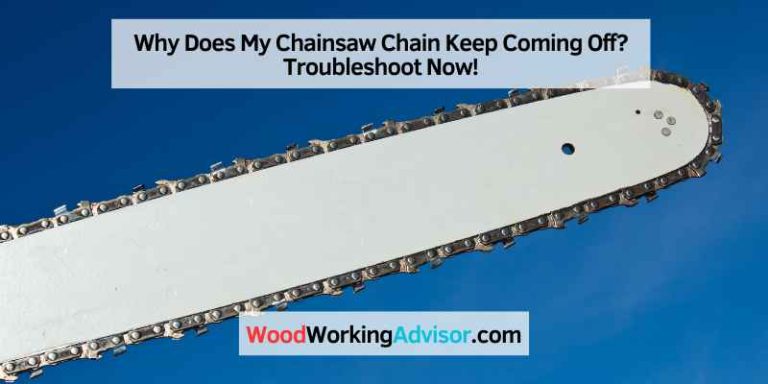
Clean the chainsaw after using. Sawdust can clog it. Check the chain tension before using. Loose chains are dangerous. Sharpen the chain often. A sharp chain cuts better. Add oil to the chain. This keeps it from overheating. Check the air filter. A dirty filter reduces power. Store safely. Keep it away from children. Follow the manual instructions for detailed care.
Expert Recommendations
Experts like Sawzall for small jobs. It is light and easy to use. Chainsaws are great for cutting big trees. They are powerful and fast. Safety is important for both tools. Always wear gloves and goggles. Sawzall is safer for beginners. It is less likely to bounce back. Chainsaws need more skill and care. Choose the right tool for the job.
Many users praise the Sawzall for its versatility. It cuts through metal, wood, and pipes. Chainsaw lovers enjoy its strength. It slices through thick logs with ease. Some users find the chainsaw noisy. Others say it is too heavy. Sawzall is quieter and lighter. But it may take longer to cut large pieces. Both tools have fans and critics. Each has its own strengths.
Frequently Asked Questions
Is A Chainsaw Or Reciprocating Saw Better?
Choose a chainsaw for heavy-duty cutting of trees and thick branches. Opt for a reciprocating saw for versatile tasks like cutting pipes, wood, or metal in tight spaces. Your choice depends on the specific job requirements. Consider safety, power, and portability when deciding between the two.
Can A Sawzall Cut Tree Branches?
Yes, a Sawzall can cut tree branches. Use a pruning blade for best results. Ensure safety measures are taken. It’s effective for medium-sized branches. Ideal for quick cuts and hard-to-reach areas. Always check the blade type before cutting.
What Are The Disadvantages Of A Reciprocating Saw?
Reciprocating saws can be difficult to control and cause fatigue due to their vibration. They offer less precision compared to other saws, leading to rough cuts. Blade replacement can be frequent, adding to costs. Noise levels are high, requiring hearing protection.
Their bulkiness can limit use in tight spaces.
When Should You Not Use A Reciprocating Saw?
Avoid using a reciprocating saw near electrical lines or gas pipes to prevent accidents. Do not use it for precision cuts, as it’s not designed for accuracy. Steer clear when working with delicate materials to avoid damage. Refrain in tight spaces where control is limited.
Conclusion
Choosing between a Sawzall and a chainsaw depends on your needs. Sawzalls offer versatility for indoor projects. They cut through wood, metal, and plastic easily. Chainsaws handle tougher, outdoor tasks. Cutting logs and trees is their specialty. Safety is crucial with both tools.
Always wear protective gear. Consider the task and environment before deciding. Maintenance is important for both. Keep blades sharp and tools clean. Each tool has its strengths and weaknesses. Knowing your project helps make the right choice. Take time to assess your requirements.
This ensures efficient and safe tool use.