What Chainsaw Do Professionals Use? Stihl vs Husqvarna Specs
Most professional loggers and arborists run gas chainsaws from Stihl or Husqvarna at 50cc to 92cc, not battery models — except for pruning and light storm cleanup, where 14–16 inch battery saws now hold up. An underpowered saw stalls in hardwood and burns through bar oil faster than it should. This guide covers the specs that separate a pro-grade saw from a homeowner model, the safety features required for daily use, and how to match bar length to tree diameter.
What Chainsaw Do Professionals Use?
Best Professional Chainsaw Pick
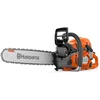
Husqvarna 555 Professional Gas Chainsaw
A dedicated commercial-line saw with Smart Start and AutoTune, built for felling, limbing, and bucking small-to-midsize trees all day.
- Best for: daily commercial felling and limbing on mid-size trees
- Why we picked it: it’s Husqvarna’s actual “Professional” line, not a rebadged consumer saw
- Main drawback: at nearly $800 and full-size, it’s more saw than an occasional homeowner needs
Compare more professional chainsaw options
 Option 1 Echo CS-590-20AA Gas Chainsaw
|
 Option 2 Husqvarna 545 Mark II Professional
|
 Option 3 Husqvarna 460 Rancher, 24 Inch
|
As an Amazon Associate we earn from qualifying purchases.
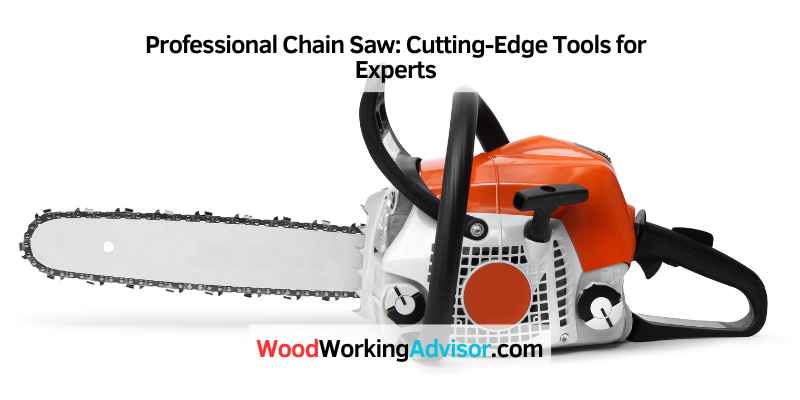
Stihl and Husqvarna are the two brands professional loggers, arborists, and tree services reach for most, with Echo a common third choice — all three build a dedicated commercial line that’s kept separate from their homeowner saws.
The giveaway isn’t the paint color, it’s the duty-cycle rating: a professional saw like the Husqvarna 555 or Stihl MS 661 C-M is built to run several hours a day, five or six days a week, for years, where a homeowner-grade saw is engineered for a few hours a month. That difference shows up in engine build quality, the air filtration system, and the price — not the color of the housing. For a closer model-by-model breakdown, see our Echo vs Stihl vs Husqvarna comparison.
Professional vs Homeowner Chainsaw: What’s Actually Different
A professional-grade chainsaw and a homeowner model can look nearly identical on a shelf, but the specs that determine whether a saw survives daily commercial use are hidden in the fine print, not the paint job.
| Spec | Professional-Grade | Homeowner-Grade |
|---|---|---|
| Engine displacement | 50cc – 92cc | 30cc – 45cc |
| Bar length | 16in – 36in+ | 14in – 18in |
| Duty cycle | Rated for daily, all-day commercial use | Built for occasional weekend use |
| Chain type | Full-chisel, faster but needs more skill | Low-kickback safety chain |
| Typical price | $500 – $1,500+ | $150 – $400 |
If you’re buying your first pro-grade saw, these three models cover the range from a lighter daily-use felling saw to a bigger saw for firewood and property clearing:
Types of Professional Chain Saws
Professional chain saws come in gas, electric, and battery formats, each suited to different jobs. Gas-powered saws (30cc–120cc) remain the standard for felling and heavy-duty forestry work since they aren’t limited by a cord or battery life, though they’re heavier and louder than the alternatives — see our picks for the best gas chainsaws for a full ranked lineup. Corded electric saws are quieter and easier to maintain but tethered to an outlet, making them a fit for shop or near-building work rather than the field.
Battery saws have closed the power gap fastest of the three: a 16-inch battery saw now handles pruning, limbing, and light storm cleanup that used to require gas, with far less noise and no mixed fuel to manage. They still fall short of a gas saw for a full day of felling or bucking large-diameter hardwood, where battery runtime becomes the limiting factor.
Key Specs That Actually Matter
Engine displacement (cc) is the single biggest driver of cutting power — more cc generally means faster cuts through thick or hard wood, but also more weight and vibration to manage over a full day. Bar length should match the wood you actually cut, not the biggest tree you might someday see: a longer bar adds reach but also weight, and running a bar too long for the saw’s power output slows the cut and stresses the engine. See our guide on how to measure bar length on a chainsaw before you buy.
In my own shop, the most common mistake I see beginners make when they move up to a professional-grade saw is buying more bar than they’ll ever use — a 24-inch bar on a saw you’ll mostly run through 12-inch firewood just adds weight and makes the saw harder to control. Match the bar to the wood, and keep the saw’s weight and ergonomics in mind too, since a lighter saw with well-placed handles reduces fatigue and lowers the risk of an accident late in a long day.
| Model | Engine (cc) | Power (HP) | Max Bar | Weight |
|---|---|---|---|---|
| Stihl MS 661 C-M | 91.1 | 7.2 | 36in | 16.8 lbs |
| Husqvarna 592 XP | 92.7 | 7.6 | 36in | 16.3 lbs |
These two sit at the top of each brand’s commercial lineup for large-diameter felling; most professionals doing day-to-day limbing and mid-size tree work use a lighter saw in the 50–60cc range, like the Husqvarna 555 or 545 Mark II above.
Safety Features and Innovations
Three safety systems matter most on a professional-grade saw. A chain brake stops the chain within a fraction of a second when the front hand guard is triggered, whether by the operator’s hand or by kickback itself. Kickback protection — a combination of chain design and bar-nose guarding — reduces how often the saw’s nose contacts wood in a way that throws the bar back toward the operator in the first place. Vibration dampening, built into the handle mounts, cuts operator fatigue and the long-term risk of hand-arm vibration syndrome from repeated daily use.
Maintenance Tips for Longevity
A professional saw earns its price tag only if it’s maintained like one. A few habits keep it running:
- Clean the saw and inspect the chain for dullness after every use; sharpen with the correct file size for that chain’s pitch rather than letting it go dull.
- Check and clean the air filter regularly — a clogged filter is one of the most common reasons a gas saw loses power or won’t start.
- Use bar and chain oil rated for the season (thinner in cold weather) and check the oil level before every tank of fuel, not just when it runs dry.
- Store the saw dry, with the bar covered and the fuel either drained or treated with stabilizer for any storage longer than a few weeks.
Accessories and Attachments
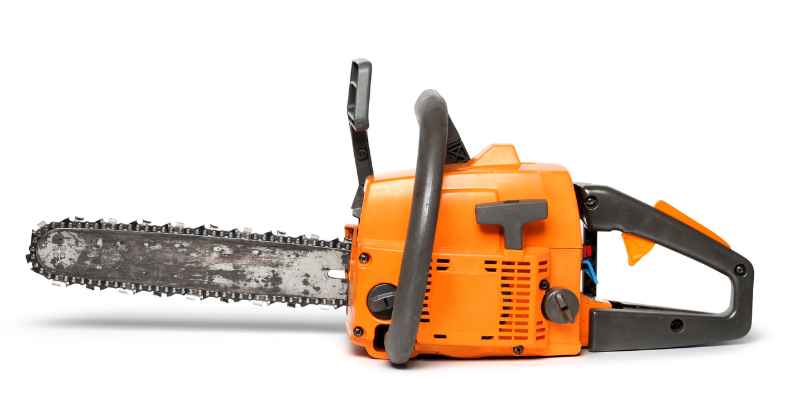
The right accessories protect both the saw and the operator. Chainsaw chaps, a helmet with face and hearing protection, and cut-resistant gloves are standard for anyone running a saw regularly, not optional extras. A spare chain and guide bar sized to your saw let you swap out a dull or damaged chain mid-job instead of losing the rest of the day, and a hard case or scabbard protects the bar during transport between job sites.
Top Brands and Reputation
Stihl, a German company founded in 1926, and Husqvarna, a Swedish company with roots dating back to 1689, remain the two brands most associated with professional forestry and arborist work, backed by wide dealer networks for parts and service. Echo has built a solid commercial reputation as a lower-cost third option, particularly for outfits that don’t need the top of either flagship lineup.
Purchasing Guide for Professionals
Buying from an authorized dealer gets you in-person demonstrations, expert fit-for-purpose advice, and a local service center for warranty work — worth the extra cost for a saw you’ll depend on daily. Browse our full chainsaw buying guides and reviews before deciding. Buying online is cheaper and gives access to a wider range of models, but only pays off if the seller is authorized and the manufacturer’s warranty transfers with the sale. Either way, weigh cost against duty cycle rather than price alone: a cheaper saw that can’t handle daily use will cost more in downtime and repairs than the pricier model built for the job.
Frequently Asked Questions
What chainsaw do professionals use?
Most professionals use Stihl or Husqvarna gas chainsaws from each brand’s dedicated commercial line, with Echo as a common lower-cost third choice. The deciding factor is duty-cycle rating, not brand loyalty alone.
What chainsaw chain do professionals use?
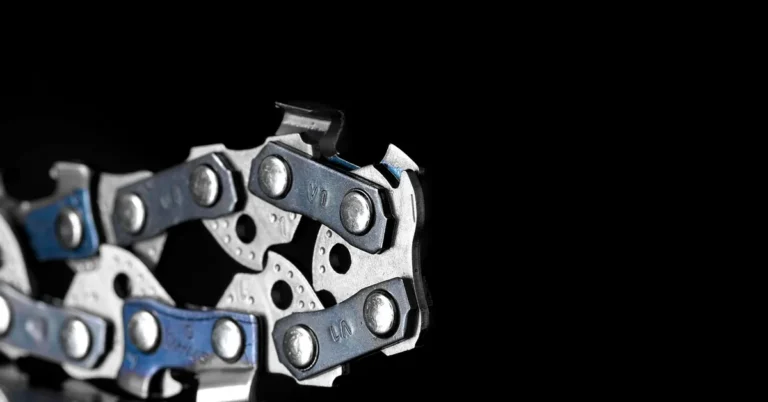
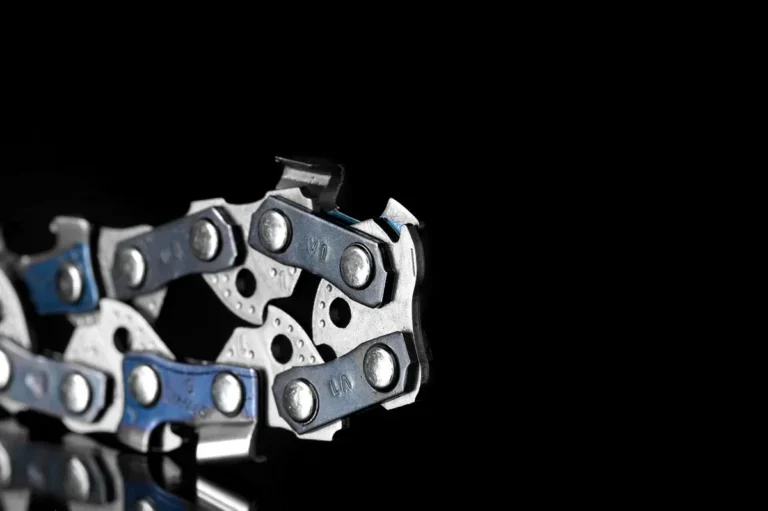
Professional chains are cut from hardened, chrome-plated steel, not carbide or titanium — carbide-tipped chains exist but are a specialty option for cutting dirty or reclaimed wood, not standard felling chains. Most working saws run full-chisel or semi-chisel chain in 3/8-inch or .404-inch pitch, chosen for cutting speed rather than the low-kickback safety chain found on homeowner saws.
What is the highest quality chainsaw?
There’s no single “best” chainsaw — Stihl, Husqvarna, and Echo all build genuinely high-quality professional saws, and the right one depends on the bar length and power you need plus which brand has a service dealer near you. Regular maintenance affects a saw’s real-world lifespan more than the badge on the housing.
How long does a professional-grade chainsaw last?
A commercial-line gas saw that’s maintained on schedule — clean air filter, sharp chain, correct bar oil — commonly stays in daily rotation for years before it needs a major engine rebuild. Skipping air filter and chain maintenance is the single biggest reason a professional saw fails early.
Conclusion
A professional-grade chainsaw earns its price through duty-cycle rating, not marketing: 50–92cc of engine displacement, a bar matched to the wood you actually cut, and daily maintenance on the air filter, chain, and bar oil. Stihl and Husqvarna’s commercial lines lead for a reason, but Echo is a legitimate lower-cost option for outfits that don’t need the flagship models.
Sponsored / affiliate links. As an Amazon Associate I earn from qualifying purchases. I may earn additional commission from eligible campaigns.