Signs of Termites in Floor: How to Detect and Prevent Damage
Termites can cause serious damage to your home. They often go unnoticed until it’s too late.
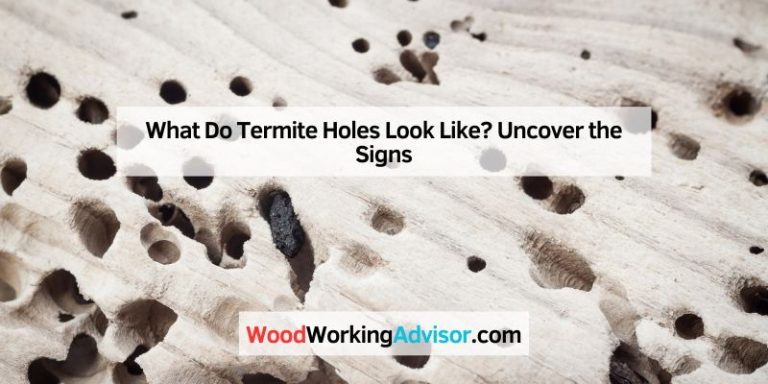
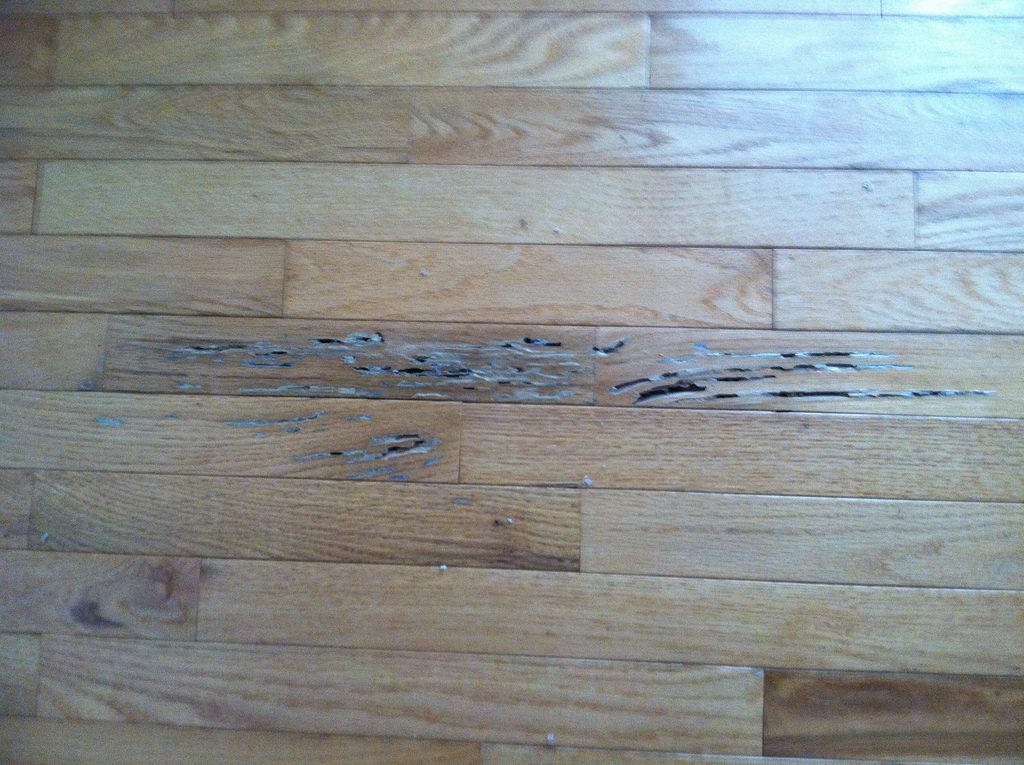
Identifying signs of termites in your floor early can save you from expensive repairs. These small pests chew through wood, weakening your floors and structures. You might spot telltale signs like hollow-sounding wood or tiny holes. Recognizing these indicators can help you take swift action.
Termites thrive in hidden places, making regular checks crucial. In this post, we will explore common signs of termites in your floor. Understanding these signs will help you protect your home. Stay informed, and keep your home safe from these destructive pests.
Signs Of Termite Infestation
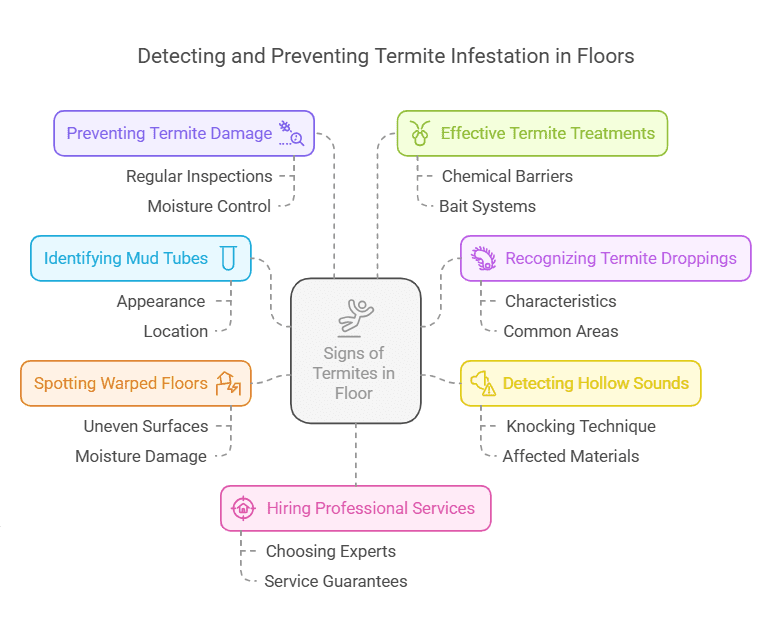
Termite infestations can cause serious damage to your home, especially floors. Knowing the signs of termite presence helps in early detection and prevention. Here are some common signs of termite infestation in floors.
Mud Tubes
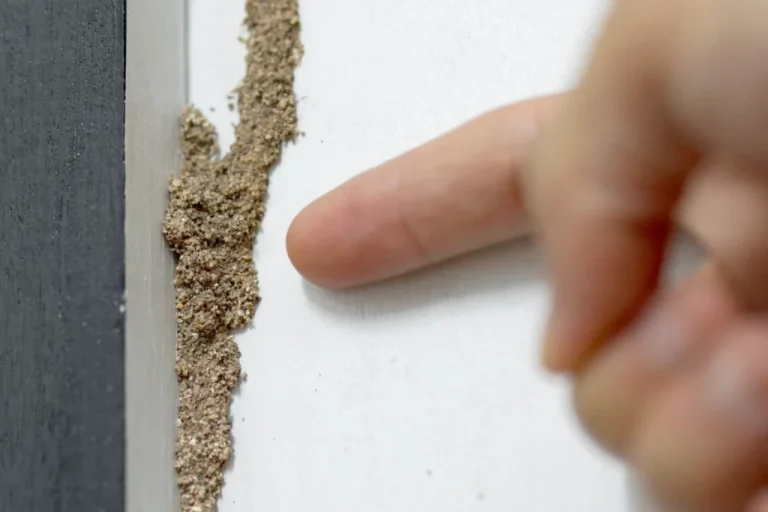
Mud tubes are narrow, tunnel-like structures. Termites build these to travel between their colony and food source. Check for mud tubes on your floorboards or walls. Their presence often means termites are active nearby.
Droppings
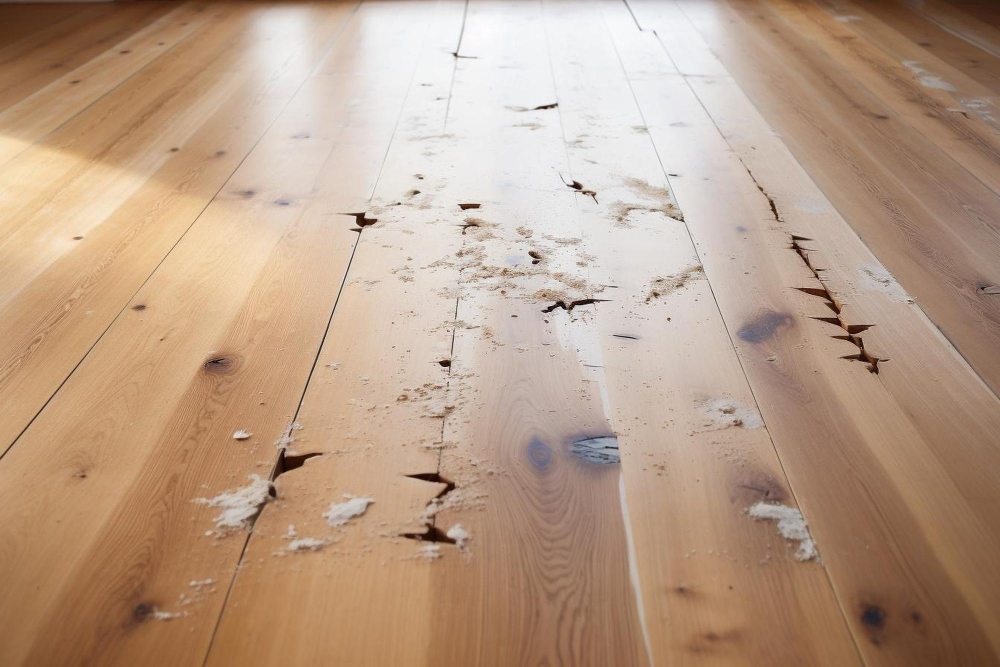
Termite droppings, also known as frass, are another sign. These tiny, wood-colored pellets appear near infested areas. If you notice small piles of what looks like sawdust, it could be termite droppings.
Hollow Sounds
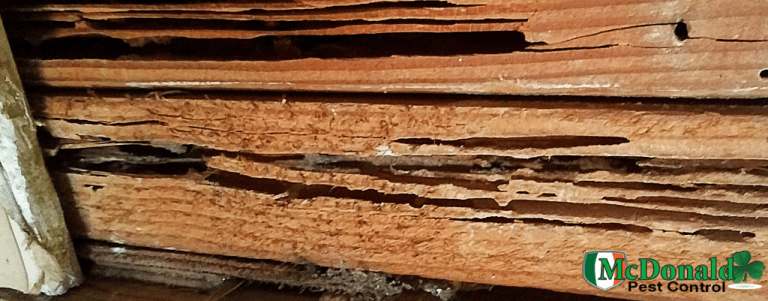
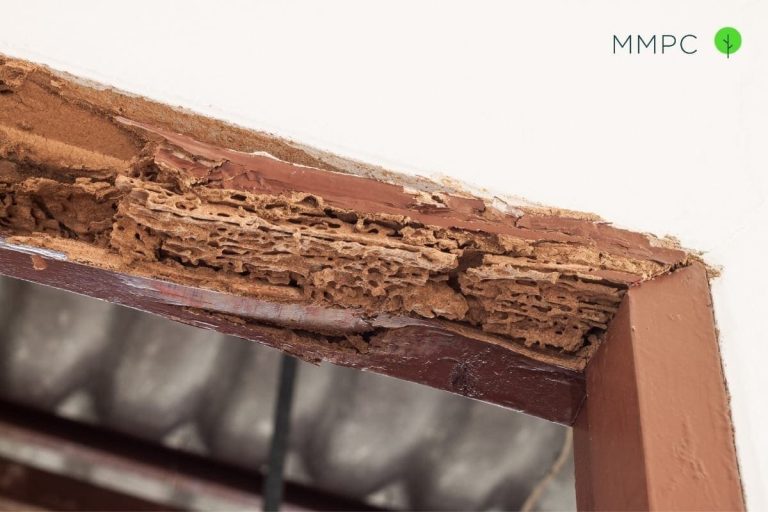
Tap your floor with a hard object. If it sounds hollow, termites might be inside. They eat wood from the inside out, leaving a thin shell. This makes the wood sound empty.
Warped Floors
Warped floors can indicate moisture buildup from termite activity. Termites need moisture to survive. Their presence can make your floors buckle and warp. Look for uneven or sagging floorboards as a warning sign.
Credit: www.hi-techtermitecontrol.com
Identifying Mud Tubes
Hey friends, today we will talk about a very important topic: identifying mud tubes. If you suspect termites in your floor, one of the first things to check for are mud tubes. But what are they? And where do you find them? Let’s explore together.
Appearance
Mud tubes are small tunnels made of soil and wood. They look like little dirt straws. Termites use them to travel from their nest to their food source. These tubes are thin, about the width of a pencil. They can be brown, tan, or even dark gray. If you see something like this in your home, it’s time to take action.
Location
So, where should you look for these mud tubes? Here are a few common places:
- Along the edges of walls and floors
- Underneath wooden furniture
- Near foundations and support beams
Basically, check any place where wood touches the ground. I remember finding mud tubes under an old bookshelf in my basement. If you see them, it’s a sign that termites are nearby.
Identifying mud tubes early can save you a lot of trouble. So, take a few minutes to inspect your home. It could make a big difference.
Recognizing Termite Droppings
Hey friends, today we’re diving into a topic that might make your skin crawl – termites! Specifically, we’re going to talk about Recognizing Termite Droppings. Knowing how to spot these tiny clues can save your home from a lot of damage. Let’s break it down simply, so everyone can understand.
Characteristics
Termite droppings, also called frass, are small, wood-colored pellets. They look like sawdust or coffee grounds. The good news? They’re easy to spot if you know what to look for. Here’s a quick list of their main features:
- Size: Tiny, about 1mm long
- Shape: Oval with rounded ends
- Color: Varies from light beige to dark brown, depending on the wood they’re eating
Common Areas
Termites can be sneaky, but their droppings give them away. These little pellets are often found in places you might not expect. Let’s look at some common areas:
- Along baseboards: Check where the floor meets the wall. Termites often leave droppings here.
- Near wooden furniture: If you have wooden chairs or tables, look under and around them.
- Underneath flooring: Lift up carpets or rugs. You might find droppings hiding underneath.
A personal tip from my own experience: I recently found termite droppings in my closet. I thought it was just dust at first. But on closer inspection, it was termite frass. So, keep an eye out in unexpected places!
Remember, spotting termite droppings early can help you take action quickly. Don’t wait until the damage is done. Look around your home and be vigilant. Your floors will thank you!
Detecting Hollow Sounds
Hey friends, today we’ll talk about how to detect hollow sounds in your floors. This simple trick can help you find termites. Termites love to eat wood from the inside out. This leaves the outer surface thin and weak. So, how do you find these sneaky pests? Let’s dive in!
Knocking Technique
Here’s a quick and easy way to check for termites. Use the knocking technique. It’s like tapping on a watermelon to see if it’s ripe. Just follow these steps:
- Find a small tool. A screwdriver or the handle of a hammer works well.
- Gently tap on the wooden floor. Listen for the sound.
- If it sounds solid, you’re safe. If it sounds hollow, you might have termites.
Remember, a hollow sound is like an empty drum. It’s a clear sign that termites might be inside. When I first tried this, I was shocked by how easy it was. You can do it too!
Affected Materials
Not all materials sound the same. Some are more likely to be affected by termites. Here are a few common ones:
- Wood: The most common target for termites. Check wooden floors, beams, and furniture.
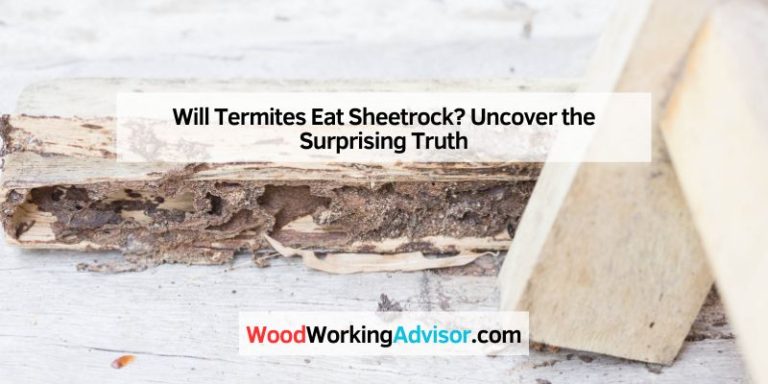
- Drywall: Termites can also damage drywall. Tap on walls to check for hollow sounds.
- Plaster: Sometimes, termites get behind plaster. Listen carefully to the sound.
Knowing where to look is half the battle. So, keep an eye on these materials. Trust me, it’s worth the effort.
In conclusion, detecting hollow sounds is an easy way to find termites. Use the knocking technique and check affected materials. It’s simple, quick, and effective. Happy termite hunting!
Spotting Warped Floors
Hey there! Ever walked into a room and felt like something was off with the floor? Warped floors might be a sign that termites are lurking. They can cause serious damage if not taken care of. Let’s dive into how you can spot these warped floors and what might be causing them.
Uneven Surfaces
One of the easiest ways to spot warped floors is by checking for uneven surfaces. Walk around and feel for any bumps or dips. If the floor feels wavy, it could be a sign of trouble.
- Notice any slanted areas?
- Feel like you’re walking on a mini roller coaster?
- Do objects roll off on their own?
If you answered “yes” to any of these, your floor might be uneven due to termite damage. They chew through wood, causing it to weaken and warp.
Moisture Damage
Termites love moist environments. Moisture damage is another big clue. Look for signs like:
- Discoloration – Dark spots or stains on the floor.
- Buckling – Parts of the floor seem to lift or bubble up.
- Soft Spots – Areas feel spongy or soft when you step on them.
These signs often mean that there’s been water damage, which termites thrive on. When wood gets wet, it becomes softer and easier for termites to munch through.
So, keep an eye out for these signs. Catching them early can save you a lot of hassle. Trust me, I once ignored the signs and ended up with a hefty repair bill. Don’t let that be you!
Preventing Termite Damage
Preventing termite damage is crucial for maintaining the integrity of your home. Termites can cause severe structural issues. By taking proactive steps, you can safeguard your floors and foundation. Let’s explore some effective methods.
Regular Inspections
Regular inspections are vital in detecting termites early. Hire a professional to check your home at least once a year. They can identify signs of termite activity. Early detection prevents extensive damage and costly repairs. Look for mud tubes and discarded wings. These are common indicators of termites.
Moisture Control
Termites thrive in moist environments. Control moisture to make your home less inviting to them. Fix any leaks in pipes and faucets promptly. Ensure your home has proper ventilation. Use dehumidifiers in damp areas like basements. Keep gutters clean and ensure water drains away from your house. These measures help maintain a dry environment, deterring termites.
Effective Termite Treatments
Effective termite treatments are essential for protecting your home from damage. Knowing how to handle an infestation can save you money and stress. This section will explore two popular methods: chemical barriers and bait systems.
Chemical Barriers
Chemical barriers involve applying a liquid pesticide around your home. This creates a protective zone that termites cannot cross. Professionals often use this method for its effectiveness. The chemicals kill termites on contact. It also prevents future infestations.
These barriers are usually applied to the soil around your foundation. They can last for several years. Regular inspections ensure the barrier remains intact. These treatments are safe when used correctly. Always hire licensed professionals for the best results.
Bait Systems
Bait systems offer a different approach. They use poisoned bait to lure and kill termites. The bait stations are placed around your home. Termites take the bait back to their colony. This method targets the entire colony, not just individual termites.
Bait systems are less intrusive than chemical barriers. They are easy to monitor and maintain. Regular checks ensure the bait remains effective. This method can be slower but offers long-term control. It is a good option for sensitive environments.
Both methods have their advantages. Choosing the right one depends on your situation. Consult with a pest control expert to determine the best approach for your home.

Credit: www.innovativepest.com
Hiring Professional Services
Hey friends, today we’re diving into a common household problem: termites in your floor. Not fun, right? But don’t worry, we’ve got you covered. When you notice signs of termites, it’s crucial to act fast. One of the best steps you can take is hiring professional services. Let’s break down why this is important and what to look for when choosing the right experts.
Choosing Experts
So, how do you choose the right termite expert? It’s like picking a doctor. You want someone who knows their stuff. Here are some tips:
- Experience: Look for companies with a solid track record. More years in business usually means more expertise.
- Certifications: Make sure they are certified. This ensures they follow the best practices.
- Reviews: Check online reviews. Happy customers often mean good service.
- Local Knowledge: Choose a company familiar with your area. They understand local termite issues better.
Think of it like this: If you were sick, you’d want a doctor who has treated many patients like you. The same goes for termite experts.
Service Guarantees
Now, let’s talk about service guarantees. Why are they important? Because they offer peace of mind. Here’s what to look for:
- Clear Terms: Ensure the guarantee terms are clear. You don’t want surprises later.
- Duration: Check how long the guarantee lasts. Longer guarantees are better.
- Coverage: Understand what the guarantee covers. Does it include follow-up treatments?
Think of a guarantee like a safety net. It’s there to catch you if things go wrong. For example, I once had a termite issue at home. The company I hired offered a one-year guarantee. Guess what? They came back three months later for a free follow-up check. That’s the kind of service you want.
In conclusion, hiring professionals for termite problems is a smart move. Choose experts wisely and pay attention to their service guarantees. Doing this will save you time, money, and a lot of stress.

Credit: www.ledfordspestcontrol.com
Frequently Asked Questions
How Do You Tell If You Have Termites In Your Floor?
Look for hollow-sounding wood, visible tunnels, or droppings. Notice any buckling floors, squeaky boards, or discarded wings.
How Do I Get Rid Of Termites In My Floor?
To get rid of termites in your floor, use termite bait stations, apply liquid termiticides, or hire a professional pest control service. Ensure regular inspections and maintain a dry environment to prevent future infestations.
Is It Safe To Live In A House With Termites?
Living in a house with termites can be unsafe. Termites weaken structural integrity, potentially causing serious damage over time. It’s essential to address termite infestations promptly to ensure safety. Consult a professional exterminator for an inspection and treatment plan to protect your home.
How Do You Notice Termites?
Notice termites by observing discarded wings, mud tubes, hollow wood, and frass (termite droppings). Look for damaged wood.
Conclusion
Spotting termites early can save your home from serious damage. Look for hollow-sounding floors. Watch for tiny holes and frass. Notice any buckling wood. Listen for faint clicking noises. These are signs of termites. Acting fast is crucial. Contact a professional if you suspect an infestation.
Regular inspections help keep your home safe. Don’t ignore the signs. Early detection makes a difference. Stay vigilant. Protect your home from termites.