Signs of Termites in Soil: Protect Your Home Today
Imagine stepping out into your garden, ready to enjoy a sunny afternoon, only to discover mysterious signs that something unwanted might be lurking beneath the surface. Termites, those silent invaders, often go unnoticed until they’ve caused significant damage.
But did you know they leave telltale signs in the soil? If you’re a homeowner or gardener, understanding these signs is crucial. It’s not just about protecting your property; it’s about ensuring peace of mind. By the end of this article, you’ll know exactly what to look for, helping you safeguard your home from these stealthy pests.
Don’t let termites turn your sanctuary into their next feast. Dive in and arm yourself with the knowledge you need to keep them at bay.
Termite Behavior And Habitat
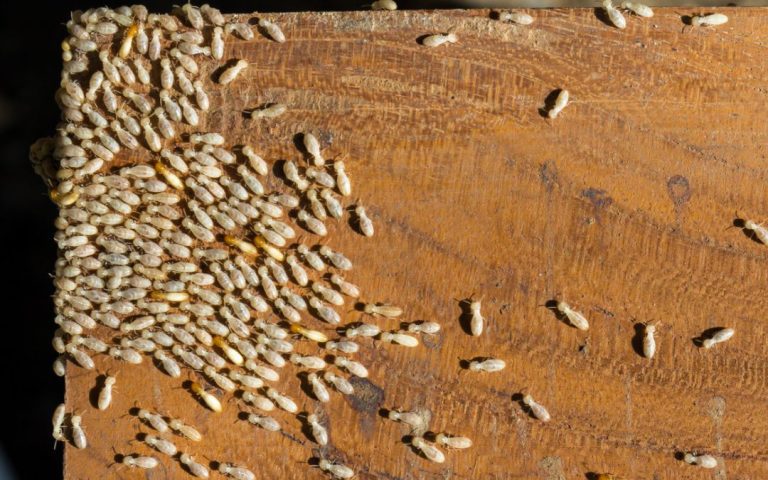
Termites are small insects. They love to hide in the soil. They make tunnels underground. These tunnels are their homes. Soil gives them a safe place. They stay away from light. Termites eat wood and dead plants. They help break down plants in the wild.
In the soil, termites build mud tubes. These tubes are their paths. They connect their nests to food. Mud tubes protect them from sun and air. When soil is wet, termites are happy. They like places with lots of moisture. Dry places are not good for them.
Ants and termites do not like each other. If you see ants, termites are not near. Termites are quiet but work hard. They can destroy wood fast. Always check your garden for signs.
Identifying Termite Mounds
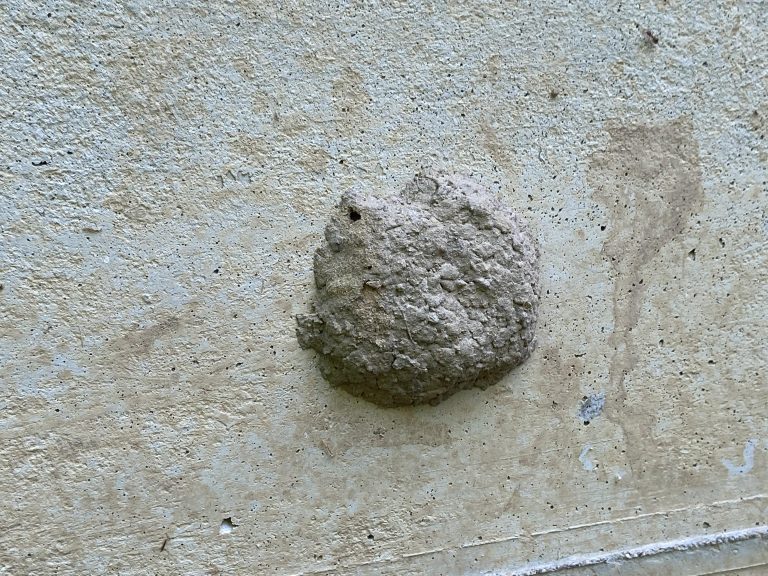
Termite mounds are clay-like structures on the ground. They are often cone-shaped or round. These mounds are hard when touched. They can be tall or short. They are built by worker termites using soil and saliva. Mounds protect termites from predators. They keep them safe from rain and sun.
Sometimes, mounds have holes. These are for air flow and movement. Termites use these holes to travel. Mounds can be large or small, depending on the termite type. They are often found in gardens. You might see many mounds in one area. This means there are many termites. Termite mounds are signs of a termite colony nearby.
Soil Tunnels And Mud Tubes
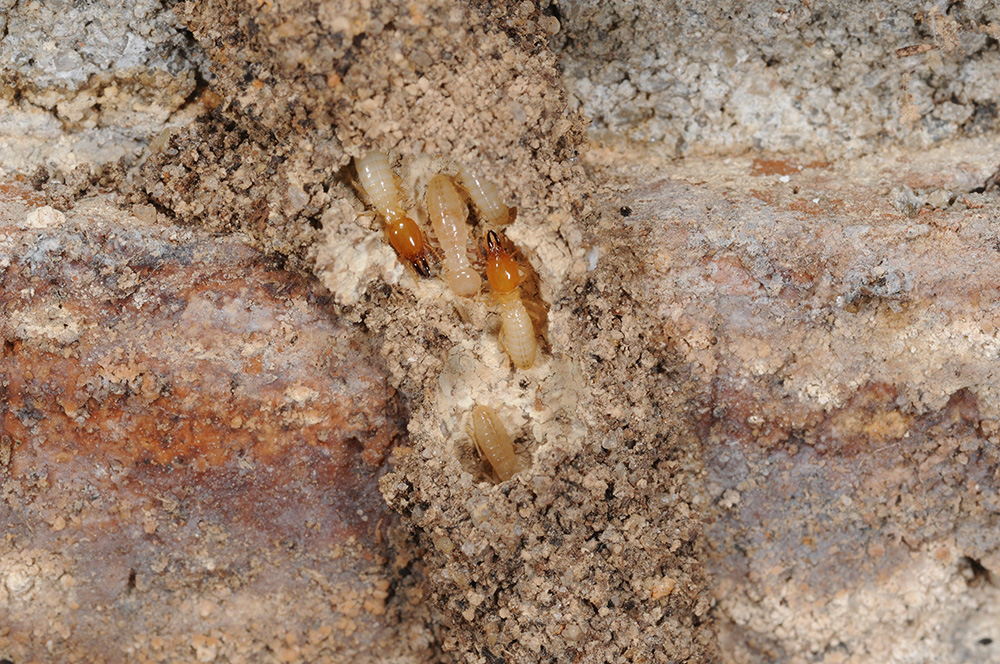
Termites build soil tunnels. These tunnels are small and narrow. They use these tunnels to move safely. Termites also create mud tubes. Mud tubes are made from dirt and saliva. They protect termites from air and light. These tubes are often found near homes. Look for them on walls and foundations. Mud tubes are usually brown and dirty. Finding these tubes means termites are present.
Presence Of Hollow Wood
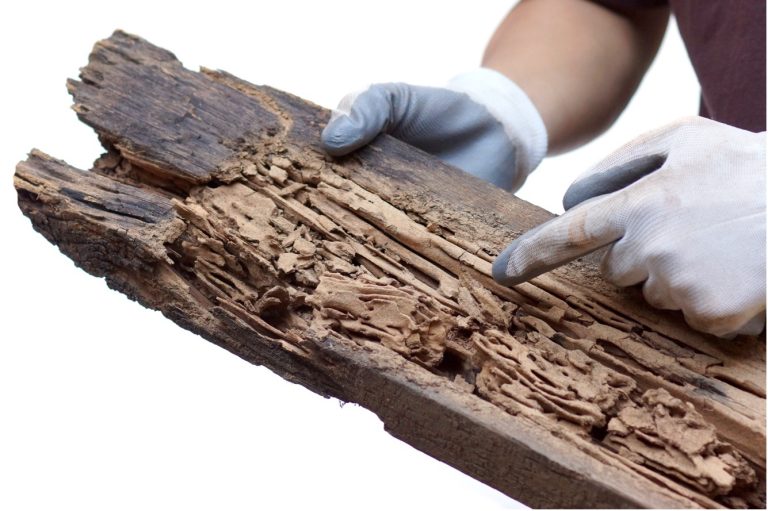
Termites eat wood from the inside out. This leaves wood hollow. Tap on wood surfaces. A hollow sound may mean termites. They create small tunnels inside. This makes the wood weak. Feel the wood surface. It may seem thin or soft.
Termites love damp environments. Check wood near the ground. This is where they often hide. Look for tiny holes in wood. These are signs of termite entry. Wood might look fine outside. Inside, it could be damaged.
Discarded Wings Near Soil
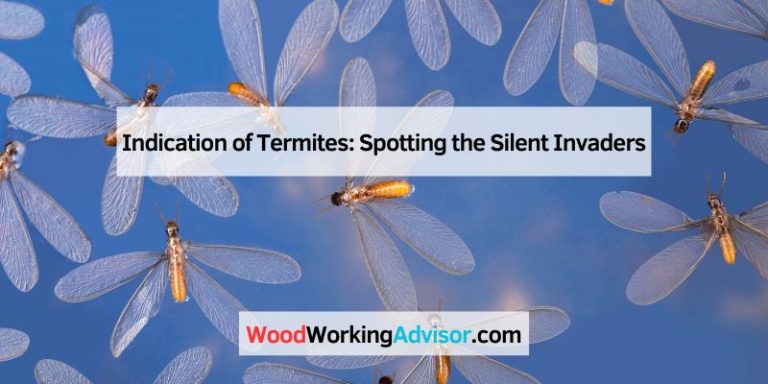
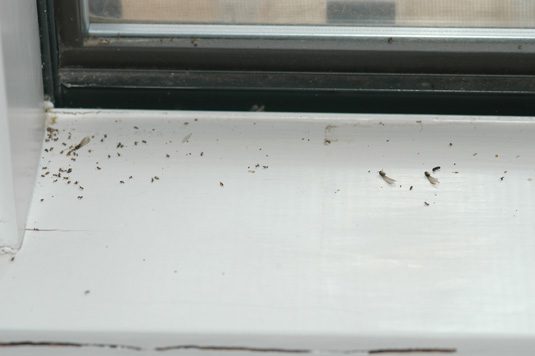
Discarded wings can be a sign of termites. Termites shed their wings after finding a new home. These wings are often found near soil. They are small and look like fish scales. Look for them around your house foundation. They might be hidden in corners. Wings can pile up in large numbers. They are usually a sign of a termite swarm. Swarms happen in warm months. It’s a natural event for termites. They search for new places to live.
The wings are transparent and fragile. They can break easily. Termite wings are longer than ant wings. They also have a distinct vein pattern. This pattern is unique to termites. If you see these wings, check for other signs. It could mean there is a termite problem. Early detection is key.
Signs Of Frass In Soil
Frass is termite poop. It looks like tiny wood bits. Termites leave frass near their homes. Finding frass means termites are close. It is often seen in piles. Frass may look like sawdust. It can be brown or tan. Soil with frass might feel loose. Frass can mix with dirt. It can cover small holes. Check soil for frass regularly. Look for frass near wooden fences. Gardens can hide frass too. Frass can damage plants. Termites eat wood roots. Finding frass means quick action is needed. Act fast to stop termites. Protect your home and garden.
Damage To Garden Structures
Termites often hide in garden soil. These tiny insects can cause big problems. Wooden fences may break easily. They eat through wood quickly. Plants might start to lean. This is due to weak supports. Watch for mud tubes. Termites build these for moving. Look for hollow sounds in wood. Tap with a stick to check. Visible holes appear in wooden objects. Termites can make them. Garden sheds may collapse. Termites weaken the structure. Check for loose boards. They might have termite damage.
Termites love moisture. Wet spots attract them. Soil near water is at risk. Protect wooden items. Use termite-resistant materials. Inspect regularly. Early detection is key. Seal cracks in structures. This keeps termites out. Trim plants away from wood. This reduces their pathways. Use barriers in soil. It prevents termite entry.
Credit: www.chemfreepestandlawn.com
Preventive Measures Against Termites
Termites can damage homes and gardens. To prevent them, keep soil dry. Termites like moist soil. Fix any leaking pipes quickly. Use sand around your house instead of mulch. Sand is less appealing to termites. Seal all cracks in your home’s foundation. This stops termites from entering.
Regular inspections are important. Look for mud tubes and discarded wings. These are signs of termites. Remove any wood debris near your house. Termites love wood. Store firewood away from your home. Elevate wood off the ground if possible.
Natural predators can help. Birds and ants eat termites. Encourage them in your garden. Plant flowers that attract birds. Keep your garden clean. This helps natural predators thrive. Avoid using too many chemicals. Chemicals can harm these helpful creatures.
Professional Inspection And Treatment
Termites can damage your home. They hide in the soil. Professional inspection is important. Experts know how to find them. They look for signs like mud tubes. These tubes protect termites from light. Wood damage is another sign. Professionals use special tools. They check every corner.
Treating termites needs care. Experts use safe chemicals. These chemicals stop termites. They protect your home. Regular checks are good. They make sure termites don’t return. Calling a professional is smart. They know what to do. They keep your home safe from termites.
Credit: extension.msstate.edu
Frequently Asked Questions
Can You See Termites In Soil?
Termites in soil are often hidden, but signs like mud tubes and damaged wood might indicate their presence. They usually stay underground, making direct observation difficult. Regular inspections can help detect termite activity early and protect your property from damage.
How Do You Tell If You Have Termites?
Spot termites by checking for hollow wood, mud tubes, or discarded wings. Listen for clicking sounds inside walls. Inspect for small piles of wood shavings or droppings resembling sawdust. Look for warped doors or windows. Termite-infested areas might show bubbling or peeling paint.
Regular inspections can prevent serious damage.
What Do Termites Look Like In The Ground?
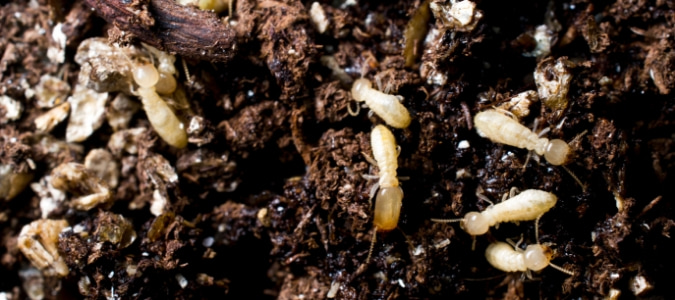
Termites in the ground appear as small, pale insects with soft bodies. They have straight antennae and are often white or light brown. Termites are usually found in tunnels and mud tubes within the soil, indicating their presence. Their presence can signal potential damage to wooden structures.
How Do You Treat Termites In Soil?
Treat termites in soil by applying termiticide around the affected area. Use bait stations to attract termites. Ensure proper soil drainage to prevent infestations. Regularly inspect and maintain your property to avoid future problems. Hiring a pest control professional can provide effective treatment and prevention strategies.
Conclusion
Spotting termites early saves your home from damage. Check your soil regularly. Look for mud tubes or tiny holes. Notice any wood shavings? That’s a sign too. Listen for clicking sounds. Termites make them while eating. Soil near trees and damp areas are key spots.
Regular inspections are vital. They help catch problems early. Think you see signs? Contact a pest professional. Protect your home and peace of mind. Stay alert. Stay termite-free.