Sliding Doors on Wheels: Barn Door and Track Systems Explained
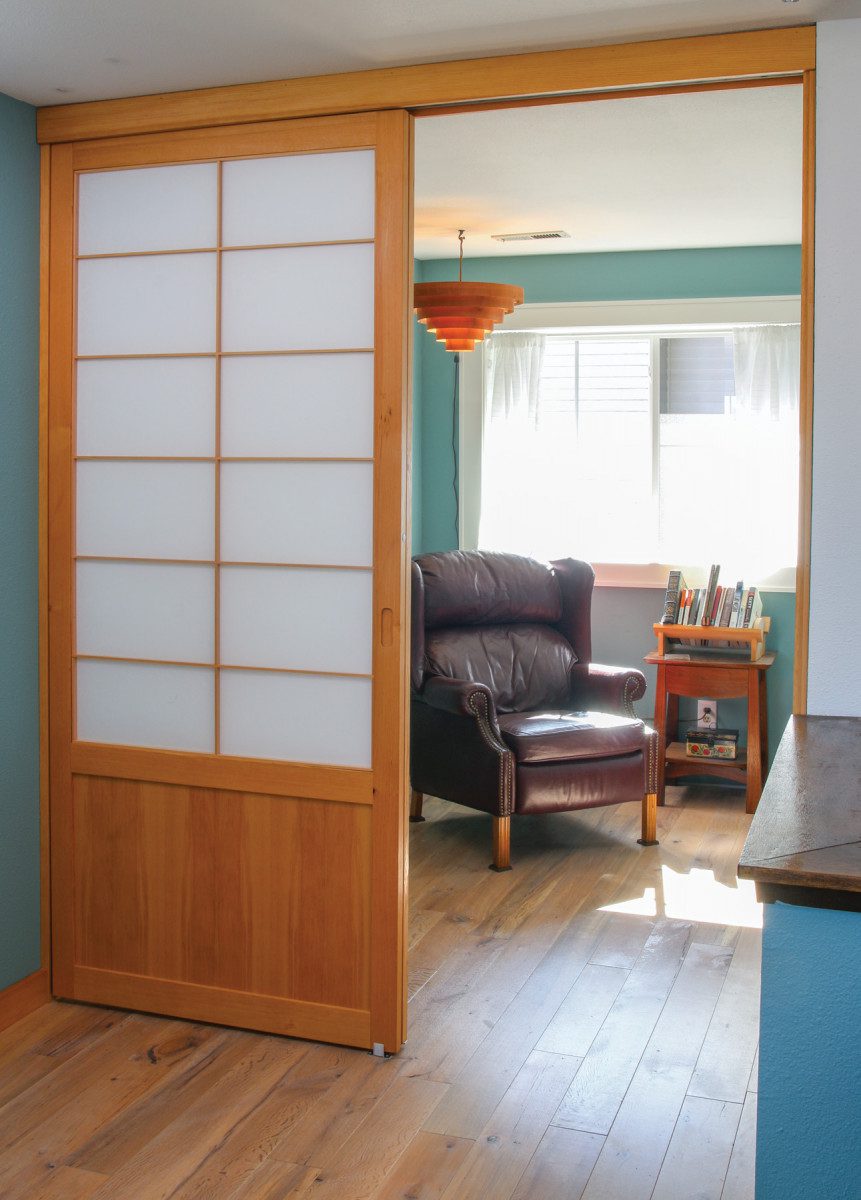
Sliding doors on wheels run on a wall-mounted track and rollers instead of hinges — most residential kits support 200 to 260 lbs and fit door panels 36″ to 40″ wide. Choosing an undersized track or a hollow-aluminum rail is the top reason a barn door starts to bind or sag within a year. This guide covers hardware types and weight ratings, installation steps, and the maintenance that keeps the door gliding smoothly.
Hardware Types, Weight Capacity, and What to Check Before You Buy
Best Barn Door Hardware Kit Pick
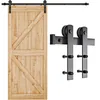 |
SMARTSTANDARD 6.6 FT Sliding Barn Door Hardware Kit – $39.99 A solid-steel (non-hollow) rail kit rated for doors up to 260 lbs and 36-40" wide – the weight class this guide’s hardware-selection section recommends checking before you buy.
|
As an Amazon Associate we earn from qualifying purchases.
Barn-door track kits are sold by weight capacity and rail material, not by door style. A solid carbon-steel rail resists bending under a heavy door; a hollow or thin-gauge aluminum rail is lighter to ship but can flex over a 6–8 ft span. Ball-bearing or nylon/Delrin rollers run quieter than plain steel wheels and hold up longer under daily use.
📊 Most single-door residential kits are rated between 200 and 360 lbs, and manufacturers recommend at least a ¼-inch-thick steel rail for doors heavier than 200 lbs. — Source: The Barn Door Hardware Store Guide, 2026
Features to Look for in Track Hardware
Beyond weight rating, three things separate a hardware kit that lasts from one that loosens within a year: roller material, rail thickness, and whether soft-close damping is included.
| Feature | Standard Kit | Heavy-Duty Kit | Best For |
|---|---|---|---|
| Rail material | Aluminum or thin steel | ¼″+ solid carbon or stainless steel | Heavy-duty: doors over 150 lbs |
| Weight capacity | 150–200 lbs | 260–360 lbs | Solid wood or glass barn doors |
| Roller type | Steel ball bearing | Nylon/Delrin, sealed bearing | Quiet operation near bedrooms |
| Soft-close | Rarely included | Common on premium kits | Preventing slam damage |
Corrosion resistance matters most in bathrooms, laundry rooms, or humid climates — stainless steel or a powder-coated finish outlasts bare galvanized steel in those spots.
Ideal Applications for Sliding Doors on Wheels
Sliding doors on wheels work best where a swinging door would eat up usable floor space or can’t clear furniture.
Residential Spaces
- Closet doors: free up the floor space a swinging closet door needs to clear.
- Interior room dividers: separate a home office or bedroom nook without a wall.
- Patio or deck entrances: connect indoor and outdoor space — see our guide on installing a sliding glass patio door for the glass-track version of this hardware.
Commercial Spaces
- Retail entrances: keep foot traffic moving without a swing-door footprint.
- Office meeting rooms: reconfigure a room’s layout without construction.
- Restaurant partitions: create adjustable private dining areas on demand.
How to Install Sliding Doors on Wheels
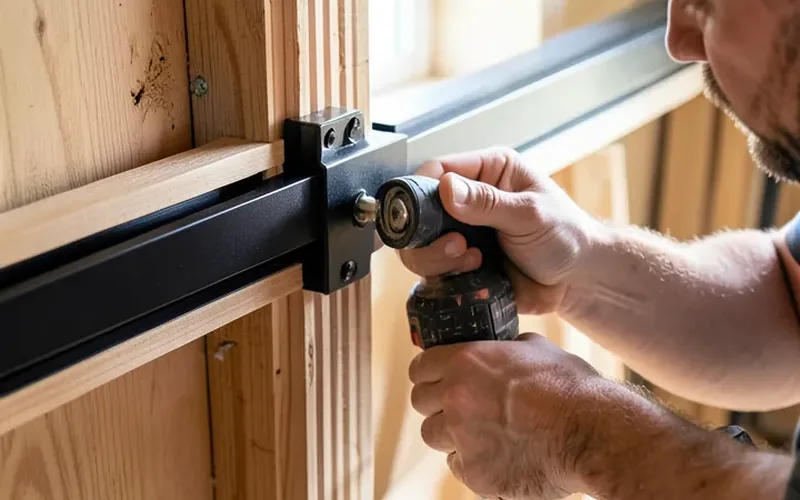
A wall-mounted barn-door track has to be anchored into framing, not just drywall — that’s the step most DIY installs get wrong. If you’d rather not do this yourself, a pro who regularly does sliding door installations can usually finish the job in under two hours.
- Locate the studs: use a stud finder to mark every wall stud across the track’s full length — the rail must be lag-bolted into framing, not drywall anchors alone.
- Measure the door and clearance: measure the doorway’s height and width, and confirm at least 1.5× the door’s width in clear wall space for the door to slide fully open.
- Mount the header board (if required): most kits ship a mounting board that spreads the load across studs when they don’t align with the kit’s bolt spacing.
- Attach the rail: level the rail with a 4-foot level before driving lag bolts — even a ¼-inch tilt over 6 feet will make the door drift open or closed on its own.
- Hang the door and test the rollers: lift the door onto the rollers, then slide it fully open and closed to confirm smooth movement before installing the floor guide.
Maintenance and Care
Most sliding-door problems trace back to a dirty track or a loose bolt, not a defective roller.
“The most common install mistake I see is a rail bolted level to the floor instead of level to true — if the floor itself has even a slight slope, a door that looks level on install will slowly roll open or closed on its own months later. Always check the rail with a level, not against the floor line.”
- Vacuum the track weekly in high-traffic doorways to keep grit from grinding down the rollers.
- Wipe the rail with a mild detergent solution and dry it — don’t spray lubricant directly into a dirty track, it just traps grit.
- Apply a silicone-based (not petroleum-based) lubricant to the rollers every few months — petroleum grease attracts more dust.
Inspection of Hardware
- Check the track for debris or obstructions and clear anything blocking the rollers.
- Examine the rollers for flat spots or wear; replace them before they damage the rail.
- Re-torque the rail’s lag bolts once a year — wall framing shrinks slightly as it dries out, which can loosen bolts over time.
- Check floor-guide alignment; a bent guide is a common cause of a door that rattles at the bottom.
Frequently Asked Questions
What are sliding doors on wheels?
This type of door hangs from a wall-mounted track on rollers instead of swinging on hinges. They’re commonly used for closets, room dividers, and larger openings where a traditional swinging door would need extra floor clearance.
How much weight can a sliding barn door track hold?
Most residential kits are rated between 150 and 260 lbs, with heavy-duty kits rated up to 360 lbs. Check the kit’s specific rating against your door’s actual weight, including any glass panels — solid wood and glass doors are usually heavier than hollow-core doors.
Do sliding doors on wheels need a header board?
Only if your wall studs don’t line up with the track kit’s mounting-bolt spacing. A header board (a mounting board installed across the studs) spreads the load evenly so the rail doesn’t rely on hitting every stud exactly.
How do sliding doors on wheels work?
The mechanism is simple: a track and rollers. The door panel rides on rollers along a wall-mounted track, letting it slide open and closed smoothly instead of swinging on hinges.
Are sliding doors on wheels suitable for all spaces?
They work in most residential and commercial spaces, but they need enough clear wall space beside the doorway (about 1.5× the door’s width) for the door to slide fully open. Very tight hallways or walls with switches/outlets in the slide path aren’t good candidates.
Conclusion
Sliding doors on wheels save floor space and work well for closets, dividers, and patio entrances — as long as the hardware is rated for the door’s actual weight and the rail is anchored into studs, not drywall alone. Match the kit’s weight rating to your door before you buy, and the rest of the install is straightforward.
Sponsored / affiliate links. As an Amazon Associate I earn from qualifying purchases. I may earn additional commission from eligible campaigns.