Swiffer Wet Jet on Laminate Floors: A Woodworker’s Guide to Safe Cleaning
Hey there! If you’re like me, you’ve probably spent hours sanding, staining, and sealing your laminate floors to make them look stunning. So, when it’s time to clean them, you want to make sure you’re doing it right. I’ve been down this road, experimenting with different cleaning tools, and one question keeps popping up: Is the Swiffer Wet Jet safe for laminate floors? Let me share my journey with you. I’ve used the Swiffer Wet Jet on my own laminate floors, and I’ve learned what works, what doesn’t, and how to keep those floors sparkling without causing damage.
In this guide, I’ll walk you through everything you need to know about using the Swiffer Wet Jet on laminate floors, from its pros and cons to tips for safe cleaning. Let’s dive in and keep your floors looking as good as the day you installed them!
What Is the Swiffer Wet Jet, and Why Is It Popular?
Let’s start with the basics. The Swiffer Wet Jet is an all-in-one mopping system that’s designed to make floor cleaning quick and easy. It’s got a lightweight handle, a sprayer that shoots out cleaning solution, and disposable pads that soak up dirt. I first picked one up because I was tired of lugging around a heavy mop and bucket. The Wet Jet felt like a game-changer—no messy water to deal with, and it promised to clean my floors in half the time.
Why do so many people love it? For one, it’s super convenient. You pop in some batteries, snap on a cleaning pad, fill the solution bottle, and you’re ready to go. It’s great for quick cleanups, especially in homes with kids or pets (trust me, my dog tracks in more dirt than I’d like to admit). The Wet Jet also comes with different cleaning solutions, including one specifically for wood and laminate floors, which made me curious about whether it’s a good fit for my laminate.
But here’s the thing: laminate floors are tricky. They’re not like tile or vinyl—they’re sensitive to water and harsh chemicals. So, I had to figure out if the Swiffer Wet Jet was a friend or foe to my floors. Let’s break it down.
Understanding Laminate Floors: Why Cleaning Matters
Before we get into the nitty-gritty of the Swiffer Wet Jet, let’s talk about laminate floors. If you’ve installed laminate in your home, you know it’s a fantastic option. It’s durable, affordable, and can mimic the look of real wood (which, as a woodworker, I appreciate). But laminate has a layered structure—a core of fiberboard topped with a decorative layer and a protective wear layer. That wear layer is what makes it shine, but it’s also what makes laminate sensitive to moisture.
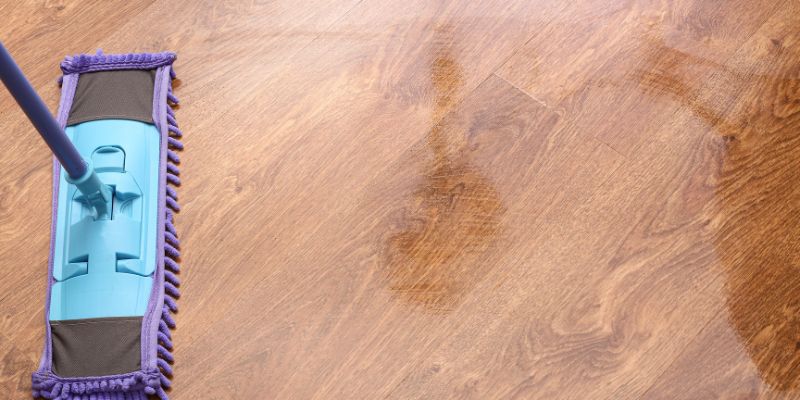
Too much water can seep into the seams of laminate planks, causing them to swell or warp. I learned this the hard way when I once over-mopped a corner of my kitchen floor and noticed a slight buckling. Harsh chemicals can also damage the protective layer, leaving your floors dull or streaky. So, cleaning laminate is all about balance—using just enough moisture and the right cleaner to keep it sparkling without causing harm.
That’s why I was drawn to the Swiffer Wet Jet. It sprays a controlled amount of cleaning solution, which seemed like a safer bet than a sopping-wet mop. But does it really live up to the hype? Let’s explore.
Is the Swiffer Wet Jet Safe for Laminate Floors?
This is the big question, right? When I first started using the Swiffer Wet Jet, I was nervous. I’d heard mixed reviews—some folks swore by it, while others said it ruined their floors. Here’s what I found after testing it out.
The Swiffer Wet Jet is generally safe for sealed laminate floors, but there are some caveats. The key is to use the right cleaning solution and technique. Swiffer offers a specific “Vinyl, Tile & Laminate Solution” that’s formulated to be gentle on laminate. I tried it, and it worked well for light cleaning. It dissolves dirt and grime without leaving a sticky residue, and it dries pretty fast, which is crucial for laminate.
However, not all laminate floors are created equal. If your floors are unsealed or have a waxed finish, the Wet Jet is a no-go. The moisture from the spray can seep into unsealed laminate and cause damage. I also noticed that if I sprayed too much solution, the floor stayed wet longer than I’d like, which made me worry about water sneaking into the seams. So, my rule of thumb is to spray lightly and wipe immediately with the pad.
Another thing to watch out for is the cleaning pads. The Wet Jet’s disposable pads are great for trapping dirt, but if you’re dealing with gritty messes (like sand from my dog’s paws), those pads can sometimes drag the grit across the floor, risking scratches. I always sweep or vacuum first to avoid this.
In short, the Swiffer Wet Jet can be safe for laminate floors if you use it carefully. But it’s not perfect, and there are some pros and cons to weigh.
Pros and Cons of Using the Swiffer Wet Jet on Laminate Floors
Let’s get real about what the Swiffer Wet Jet brings to the table. I’ve put together a quick table to summarize the good and the bad, based on my experience.
| Pros | Cons |
|---|---|
| Lightweight and easy to use | Disposable pads can get expensive |
| Controlled spray reduces excess moisture | May leave streaks if too much solution is used |
| Fast-drying solution is laminate-friendly | Not suitable for unsealed or waxed laminate |
| Great for quick cleanups | Pads can drag grit and cause scratches |
| Multiple solution options for different floors | Battery-powered sprayer needs occasional replacement |
The Good Stuff
The Swiffer Wet Jet is a lifesaver for busy days. It’s lightweight, so I don’t feel like I’m wrestling with a mop. The dual-nozzle sprayer lets me control how much solution I use, which is great for laminate since too much water is a disaster. I also love that the pads lock in dirt instead of pushing it around like a traditional mop. For small spills or daily touch-ups, it’s hard to beat.
The cleaning solutions are another plus. I stick to the Vinyl, Tile & Laminate Solution because it’s designed for my floors. It has a pleasant scent (I’m partial to the Fresh scent), and it dries quickly, so I don’t have to tiptoe around my kitchen for hours.
The Not-So-Good Stuff
On the flip side, the Wet Jet isn’t perfect. The disposable pads are convenient, but they add up cost-wise. I go through them pretty fast, especially in high-traffic areas like my entryway. If you’re eco-conscious, you might cringe at tossing pads after every use.
I’ve also noticed that if I get trigger-happy with the sprayer, the floor can end up streaky. It’s not a dealbreaker, but it means I have to be mindful about how much solution I’m using. And while the Wet Jet is great for light cleaning, it struggles with tough, stuck-on messes. For those, I usually need to bust out a microfiber cloth and some elbow grease.
The biggest concern for laminate owners is the potential for scratches. The pads are soft, but if there’s grit on the floor, they can act like sandpaper. I learned to always vacuum first to avoid any mishaps.
How to Use the Swiffer Wet Jet on Laminate Floors Safely
After some trial and error, I’ve nailed down a routine that keeps my laminate floors clean and safe. Here’s my step-by-step guide for using the Swiffer Wet Jet like a pro.
Step 1: Prep Your Floor
Before you even touch the Wet Jet, give your floor a quick sweep or vacuum. I use a soft-bristle broom or my vacuum’s hardwood setting to pick up dust, dirt, and grit. This step is crucial because any debris left on the floor can scratch your laminate when you mop.
Step 2: Set Up the Wet Jet
Make sure your Wet Jet is ready to go. Pop in fresh AA batteries if the sprayer’s acting sluggish. Attach a new cleaning pad (I prefer the ones labeled for wood or laminate—they’re softer). Fill the solution bottle with Swiffer’s Vinyl, Tile & Laminate Solution. If you’re using a different cleaner, make sure it’s laminate-safe (more on that later).
Step 3: Spray Sparingly
Here’s where you need to be careful. Hold the Wet Jet at an angle and press the spray button lightly to mist the floor. You don’t want a puddle—just a light sheen of solution. I usually spray a small area (about 2×2 feet) at a time.
Step 4: Wipe Immediately
Use the Wet Jet to wipe the sprayed area right away. The pad will soak up the solution and dirt. Move in the direction of the laminate planks to avoid streaking. If you notice any excess moisture, go over it again with a dry microfiber cloth.
Step 5: Check for Streaks
After you’re done, take a step back and look at your floor. If you see streaks, you might have used too much solution. Grab a dry microfiber cloth and buff them out. I keep a stack of these cloths handy—they’re a lifesaver.
Step 6: Clean the Wet Jet
When you’re done, toss the used pad (or wash it if you’re using reusable ones). Rinse the solution bottle if you’re switching cleaners. Store the Wet Jet in a dry place so it’s ready for next time.
Alternatives to the Swiffer Wet Jet for Laminate Floors
While I like the Wet Jet for quick cleanups, it’s not the only tool in my arsenal. Sometimes, I want a deeper clean or a more eco-friendly option. Here are a few alternatives I’ve tried that work well for laminate floors.
Microfiber Mop with a Spray Bottle
A microfiber mop with a reusable pad is a great alternative. I pair it with a spray bottle filled with a mix of one part vinegar to two parts warm water. It’s cheap, effective, and doesn’t leave residue. Just spray lightly and mop immediately to avoid soaking the floor.
Dry Swiffer Sweeper
For daily maintenance, I sometimes use a dry Swiffer Sweeper with a disposable or reusable cloth. It’s perfect for picking up dust and pet hair without any moisture. I find it’s gentler on my laminate than the Wet Jet for routine cleaning.
Bona Floor Cleaner
Bona makes a laminate-specific cleaner that I’ve had great results with. It’s pH-neutral and designed not to damage the protective layer. I spray it lightly and use a microfiber mop to clean. It’s a bit more work than the Wet Jet, but it leaves my floors gleaming.
Steam Mops: A Word of Caution
I’ve seen some folks recommend steam mops for laminate, but I steer clear. The heat and moisture can warp laminate, and many manufacturers warn against them. I once tried a steam mop on a small test area, and it left the planks looking dull. Stick to damp mopping instead.
Choosing the Right Cleaning Solution for Laminate Floors
The cleaning solution you use with your Swiffer Wet Jet is just as important as the mop itself. Swiffer’s Vinyl, Tile & Laminate Solution is a solid choice, but I’ve also experimented with other options. Here’s what I’ve learned.
- Swiffer’s Solution: It’s convenient and formulated for laminate, but it’s not the cheapest option. I like that it dries fast and doesn’t leave a sticky film.
- Vinegar and Water: A mix of one part vinegar to two parts water is my go-to for a budget-friendly cleaner. It cuts through grease and leaves no residue. Just don’t overdo it—too much liquid can harm laminate.
- Commercial Laminate Cleaners: Brands like Bona and Weiman make cleaners specifically for laminate. They’re pricier but effective for deep cleaning. I use these once a month for a thorough scrub.
- What to Avoid: Steer clear of harsh chemicals like bleach, ammonia, or anything abrasive. I once tried a generic all-purpose cleaner, and it left my floors looking cloudy. Also, avoid anything with wax or polish—it can build up and dull your laminate.
Always test a cleaner in a small, hidden area first. I learned this after a bad experience with a cleaner that stripped some shine off my floor. Better safe than sorry!
Tips for Maintaining Laminate Floors Long-Term
Cleaning is just one part of keeping your laminate floors looking great. As a woodworker, I’m a bit obsessive about floor care, so here are some tips I’ve picked up over the years.
- Sweep or Vacuum Daily: Dust and grit are laminate’s worst enemies. I sweep or vacuum every day to keep debris from scratching the surface.
- Wipe Spills Immediately: If my dog knocks over his water bowl or I spill coffee, I grab a microfiber cloth and clean it up right away. Standing water is a laminate killer.
- Use Mats and Rugs: I’ve got mats at every entrance and under my kitchen sink. They catch dirt and spills before they hit the laminate.
- Trim Pet Nails: My dog’s claws were scratching my floors until I started keeping them trimmed. It’s made a huge difference.
- Add Felt Pads to Furniture: I put felt pads under all my chairs and tables. It prevents scratches when I move them around.
- Avoid Over-Wetting: Whether you’re using the Wet Jet or another mop, less water is better. I always aim for a damp, not wet, surface.
My Final Thoughts on the Swiffer Wet Jet for Laminate Floors
After months of using the Swiffer Wet Jet on my laminate floors, I can say it’s a solid tool for quick, everyday cleaning. It’s convenient, easy to use, and does a great job on light dirt and spills. But it’s not a one-size-fits-all solution. You need to be careful with how much solution you spray, and it’s not the best for deep cleaning or tough messes. I’ve found that combining the Wet Jet with other tools, like a microfiber mop or dry Swiffer, gives me the best results.
As someone who loves the look of a well-maintained floor, I appreciate how the Wet Jet fits into my routine. It’s like having a trusty sidekick for small jobs, but I still rely on other methods for a deep clean. If you’re considering the Swiffer Wet Jet for your laminate floors, go for it—just use it wisely and pair it with good maintenance habits.
Your laminate floors deserve to shine, and with the right approach, the Swiffer Wet Jet can help you get there. So, grab your mop, follow my tips, and let’s keep those floors looking like a woodworker’s masterpiece!
FAQs About Using the Swiffer Wet Jet on Laminate Floors
Can I Use the Swiffer Wet Jet on Unsealed Laminate Floors?
No, you shouldn’t. Unsealed laminate is super sensitive to water, and the Wet Jet’s spray can seep into the seams and cause swelling or warping. Stick to dry cleaning methods, like a Swiffer Sweeper or a microfiber cloth, for unsealed floors.
Will the Swiffer Wet Jet Scratch My Laminate Floors?
It can if you’re not careful. The pads are soft, but grit or debris on the floor can get caught in them and cause scratches. Always sweep or vacuum first to remove loose dirt before using the Wet Jet.
Can I Use a Different Cleaning Solution in the Swiffer Wet Jet?
Yes, but make sure it’s safe for laminate. I’ve used a mix of vinegar and water in the Wet Jet’s bottle, and it works fine. Just avoid harsh chemicals like bleach or ammonia, and don’t overfill the bottle to prevent leaks.
How Often Should I Clean My Laminate Floors with the Swiffer Wet Jet?
For light cleaning, I use the Wet Jet once or twice a week. For deeper cleaning, I switch to a microfiber mop with a laminate-specific cleaner about once a month. It depends on how much traffic your floors get.
Are the Swiffer Wet Jet Pads Reusable?
The standard pads are designed to be disposable, but you can find reusable pads online that work with the Wet Jet. I’ve tried them, and they’re a good eco-friendly option, but you’ll need to wash them after each use.
What’s the Best Way to Avoid Streaks with the Swiffer Wet Jet?
Spray lightly and wipe immediately. If you use too much solution, it can leave streaks. I also keep a dry microfiber cloth handy to buff out any streaks after mopping.