Termite Infested Wood: How to Identify and Treat It Effectively
Termite-infested wood is a common problem in many homes. These tiny pests can cause significant damage if not addressed quickly.
Termites can silently destroy wood structures, causing costly repairs. Understanding termite-infested wood helps you recognize early signs and take action. Termites thrive in dark, damp environments, making wooden structures in homes prime targets. Early detection is key to preventing severe damage.
This post will guide you through identifying termite-infested wood and steps to protect your home. Stay ahead of these destructive pests and keep your property safe.
Credit: www.callnorthwest.com
Signs Of Termite Infestation
Termites can cause severe damage to your property. Knowing the signs of termite infestation can save you time and money. Spotting these signs early can prevent extensive damage. Here are the key indicators of termite activity.
Visible Damage
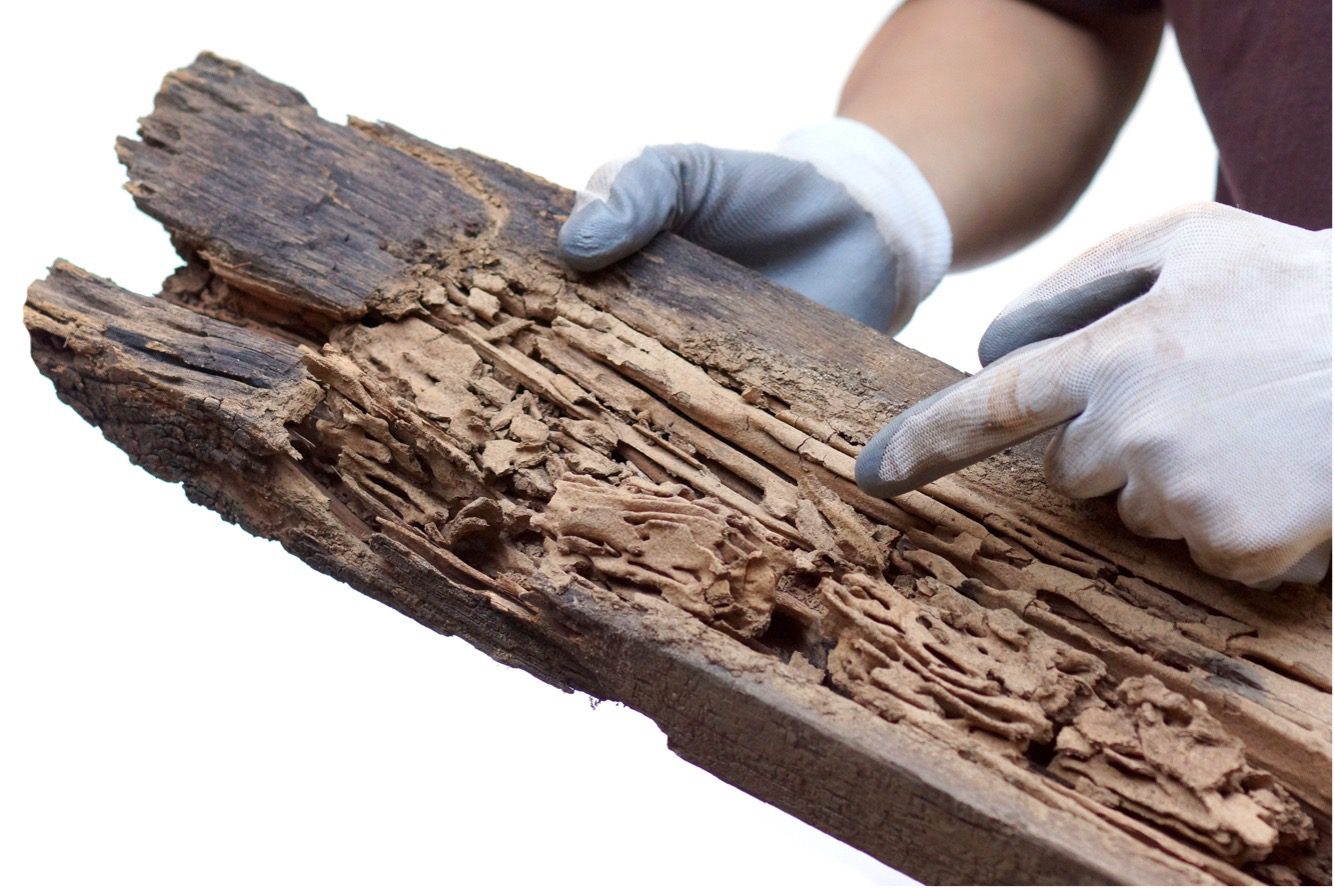
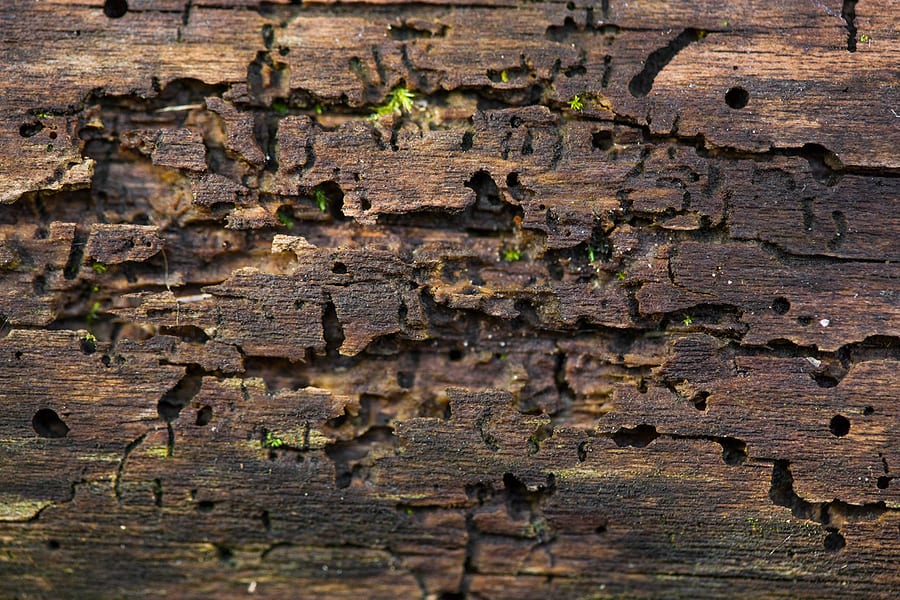
Look for visible damage to wood structures. Termites eat wood from the inside out. This can make the wood look hollow. Tap on wood surfaces. If you hear a hollow sound, termites may be inside. Check for small holes or blistered wood. These are also signs of termite damage.
Mud Tubes
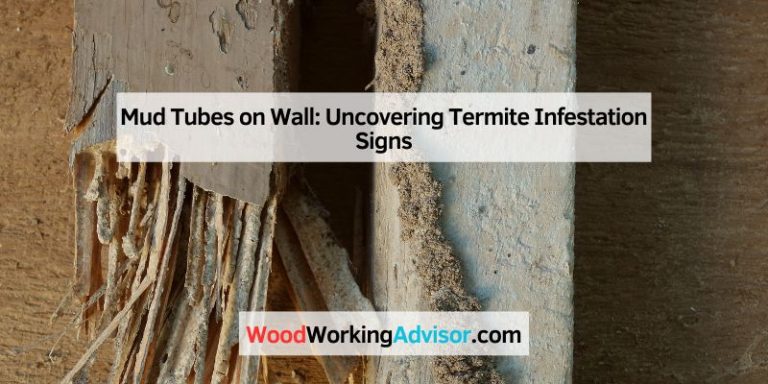
Termites build mud tubes for protection. These tubes connect their nests to food sources. Look for mud tubes along walls or foundations. They are usually brown and pencil-thin. Breaking a mud tube can reveal termites inside. If you see these tubes, act quickly. It means termites are nearby.
Discarded Wings
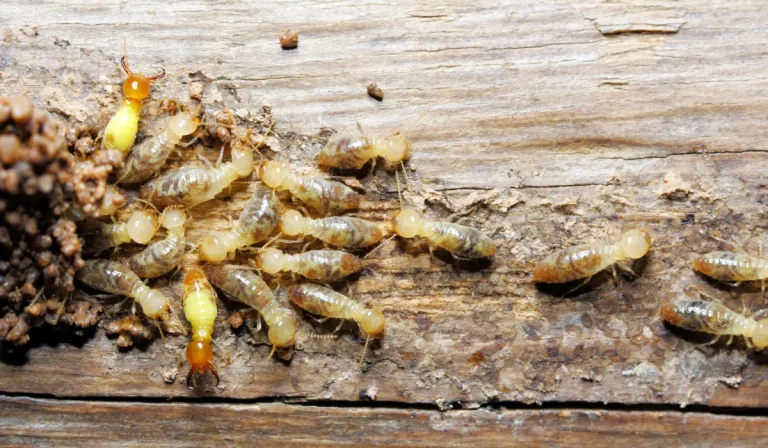
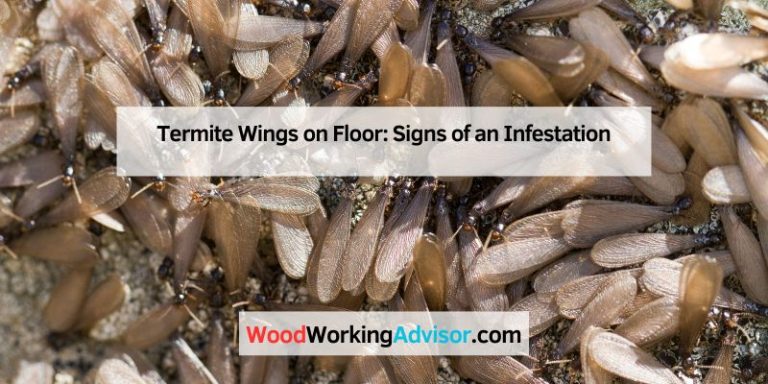
Termites shed their wings after finding a new nesting site. Look for discarded wings near windows, doors, or light sources. These wings are small and light-colored. Finding them indoors is a strong sign of termite infestation. It means termites are trying to establish a new colony in your home.
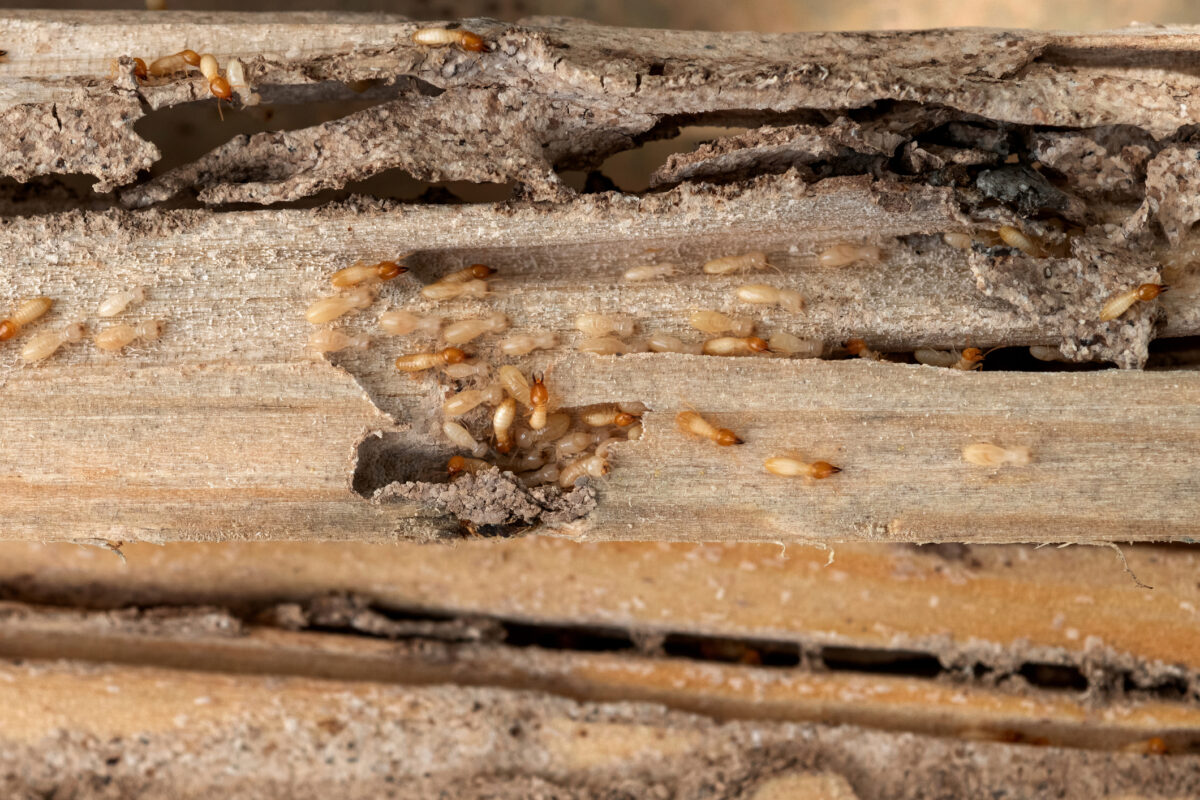
Credit: www.bugs.com
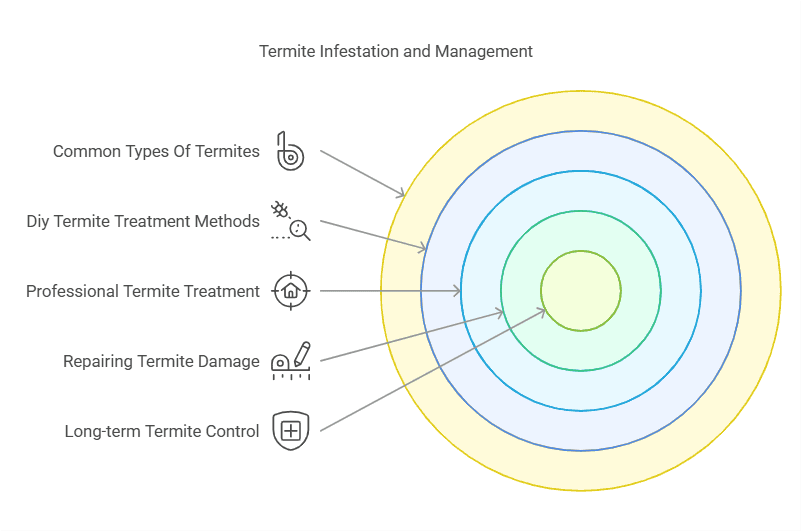
Common Types Of Termites
Termites are a major concern for homeowners. They can cause extensive damage to wooden structures. Understanding the types of termites can help in prevention and control. Let’s explore the common types of termites that infest wood.
Subterranean Termites
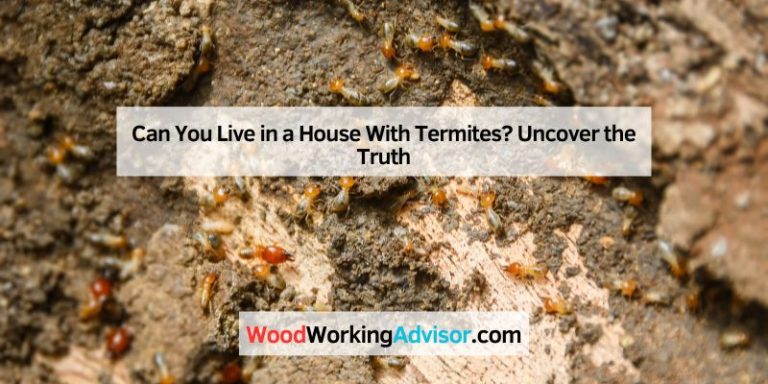
Subterranean termites live in the soil. They build mud tubes to reach wood above ground. They are the most destructive type of termite. They need moisture to survive. Their nests can be large, housing millions of termites. They eat wood 24/7, leading to quick damage.
Drywood Termites
Drywood termites do not need soil contact. They infest dry wood. They can live in furniture, walls, and even picture frames. They create small, dry pellets of feces. These pellets are often the first sign of an infestation. They work slowly but can cause significant damage over time.
Dampwood Termites
Dampwood termites thrive in moist wood. They are often found in decaying wood or areas with water leaks. These termites are larger than other types. They do not need soil contact. Their presence often indicates moisture problems in the home. Fixing water issues can help control dampwood termites.
How Termites Damage Wood
Hey friends, today we’re going to talk about something not-so-fun but super important: termites and how they damage wood. If you’ve ever found mysterious holes or hollow-sounding beams in your home, you might have a termite problem. Let’s break down how these tiny creatures can cause big problems.
Feeding Patterns
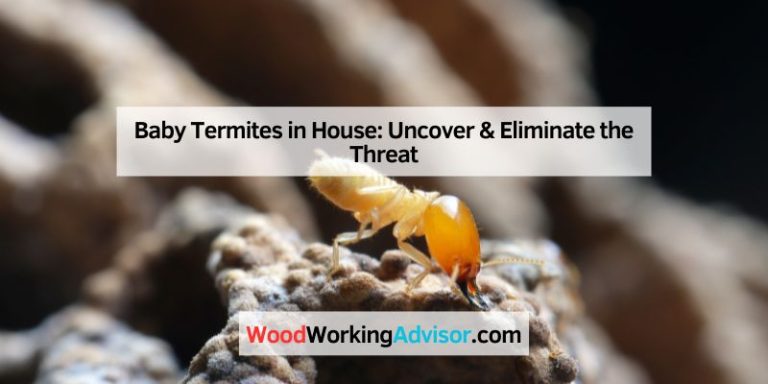
Termites eat wood. Simple, right? But their eating habits are more complex than you might think. They don’t just nibble on the surface. They burrow deep inside the wood to get their food. Here’s how they do it:
- Subterranean termites build mud tubes to reach wood.
- Drywood termites live inside the wood they eat.
- Dampwood termites prefer moist wood like fallen logs.
Imagine termites as tiny miners. They create tunnels and chambers inside the wood, which weakens the structure over time. The worst part? You often can’t see this damage until it’s too late.
Structural Impact
The real danger of termite damage is how it affects the structure of your home. Here’s what can happen:
- Weakening of beams and supports: Termites can make them brittle.
- Sagging floors and ceilings: Damage can cause them to bend or collapse.
- Hollow wood: Tap on wood and it sounds empty, a sign of internal damage.
Think of your home like a body. If the bones are weak, the whole body suffers. That’s what termites do to your house – they weaken its ‘bones’. And then… you enter the room. Your heart drops. The pressure is on. You realize the extent of the damage, and it’s overwhelming.
So, there you have it. Termites might be small, but their impact is huge. If you suspect any termite activity, it’s best to act fast. Better safe than sorry!
Next time, we’ll discuss how to spot termite damage before it gets too bad. Stay tuned!
Preventing Termite Infestation
Hey friends, dealing with termites is no joke. These tiny pests can cause big problems. They love wood, and if you’re not careful, they can turn your home into their own buffet. But don’t worry, I’m here to help. Let’s talk about how you can prevent termite infestation. It’s easier than you might think!
Regular Inspections
First things first. Regular inspections are your best defense. Think of it like going to the doctor for a check-up. You want to catch any problems early. So, make it a habit to inspect your home for signs of termites. Look for things like:
- Hollow-sounding wood
- Small piles of sawdust
- Cracked or bubbling paint
- Discarded wings
If you see any of these signs, it’s time to call in the pros. Better safe than sorry!
Moisture Control
Did you know termites love moisture? It’s true. They need it to survive. So, controlling moisture around your home is crucial. Here are some simple tips:
- Fix leaky pipes and faucets.
- Keep gutters clean and free of debris.
- Ensure proper drainage around your home.
- Use a dehumidifier in damp areas like basements.
Keeping things dry can make your home less inviting to termites. Think of it as rolling out the “No Vacancy” sign for these pests.
Proper Wood Storage
Storing wood properly is another great way to keep termites at bay. Here are a few pointers:
- Store firewood at least 20 feet away from your home.
- Keep wood off the ground by using a raised platform.
- Avoid storing wood in damp or shaded areas.
I remember last summer, I stacked firewood right next to the house. Big mistake! Luckily, I caught it in time before the termites did. Learn from my mistake and store your wood the right way.
So, there you have it. Regular inspections, moisture control, and proper wood storage can go a long way in preventing termite infestations. It’s all about being proactive. Trust me, a little effort now can save you a lot of trouble later. Stay termite-free, my friends!
DIY Termite Treatment Methods
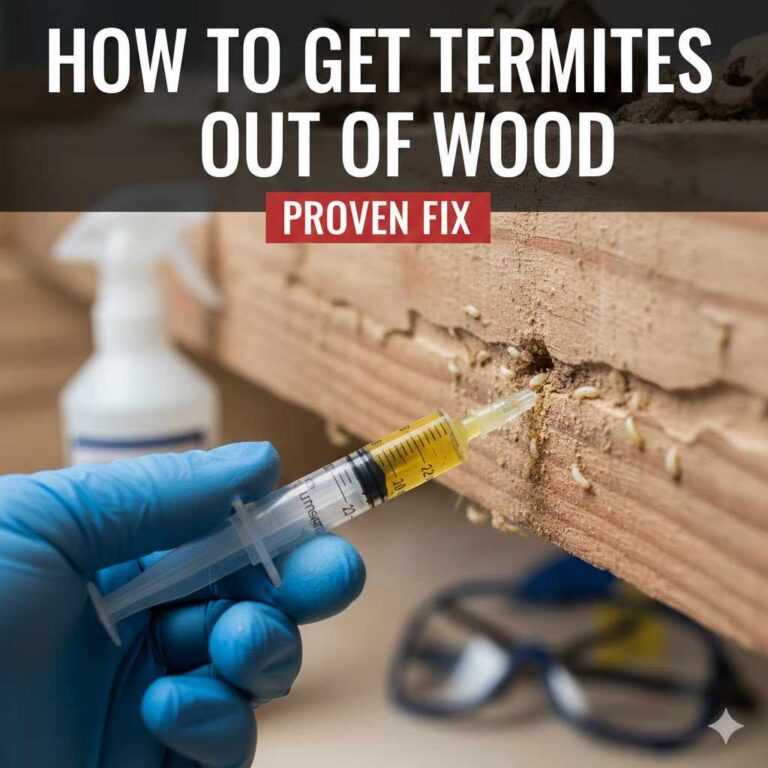
Hey there! Are you battling with termites in your wood? Don’t worry, you’re not alone. Many homeowners face this annoying problem. But the good news? You can deal with termites yourself. Here are some simple DIY methods to help you get rid of those pesky critters.
Boric Acid
Boric acid is a common termite killer. It’s easy to use and very effective. Here’s how to do it:
- Mix: Combine boric acid with water.
- Spray: Use a spray bottle to apply the solution to the infested wood.
- Repeat: Do this every few days until you see no more termites.
Boric acid is safe for humans but deadly for termites. Just make sure to keep it out of reach of kids and pets.
Nematodes
Another natural method is using nematodes. These are tiny worms that eat termites. Sounds strange, right? But it works! Here’s what you need to do:
- Buy: Get nematodes from a garden store or online.
- Release: Spread them in the termite-infested area.
- Wait: Let them do their job. They will hunt and kill termites.
Nematodes are safe for plants and pets. Plus, they are a natural way to deal with termites.
Cardboard Traps
Cardboard traps are another simple method. Termites love cardboard. It’s like a feast for them. Here’s how you can use it:
- Set up: Wet some cardboard and place it near the infested area.
- Trap: Termites will be attracted to the cardboard.
- Dispose: Once the cardboard is full of termites, take it away and burn it.
This method is easy and cheap. Just remember to replace the traps regularly for the best results.
So, there you have it. Three simple methods to fight termites yourself. You don’t need fancy tools or chemicals. Just some patience and a bit of effort. Good luck!
Professional Termite Treatment
Termite infested wood needs professional treatment to prevent further damage. Experts identify and eliminate termites effectively, protecting your home.
Termite infestations can cause serious damage to wooden structures. Professional termite treatment is essential. This ensures complete eradication and prevents future infestations. Experts use different methods to treat termite-infested wood. Each method has its own benefits.
Chemical Treatments
Chemical treatments are a common solution. They involve applying termiticides to affected areas. These chemicals kill termites on contact. They also create a barrier to stop new infestations. Professionals use safe and approved chemicals. This ensures the safety of humans and pets.
Fumigation
Fumigation is another effective method. It involves sealing the infested area and filling it with gas. The gas penetrates the wood and kills termites. This method is thorough. It reaches termites hidden deep within the wood. Fumigation requires professional handling. Safety measures must be followed strictly.
Heat Treatment
Heat treatment is a non-chemical option. Professionals raise the temperature of the infested area. High temperatures kill termites. This method is eco-friendly. It leaves no chemical residue. Heat treatment is effective for large infestations. It requires specialized equipment and expertise.
Repairing Termite Damage
Termite damage can wreak havoc on the structural integrity of your home. Repairing termite-infested wood is crucial to maintaining a safe and stable living environment. This section will guide you through essential steps to restore your property. Let’s explore wood replacement and structural reinforcement.
Wood Replacement
Identify the extent of termite damage. Thoroughly inspect affected areas. Remove all damaged wood using a saw or chisel. Replace it with treated, termite-resistant wood. Ensure new wood matches the existing structure. This prevents further infestation and maintains the appearance.
Structural Reinforcement
Assess the stability of your home’s structure. Look for weakened beams and supports. Reinforce these areas with steel brackets or additional wood. Consider consulting a professional for severe damage. Structural reinforcement ensures long-term safety and stability. Regular inspections will help prevent future termite issues.

Credit: www.terminix.com
Long-term Termite Control
Hey there! Today, let’s talk about long-term termite control. If you’ve ever discovered termites in your wood, you know how stressful it can be. But don’t worry. There are ways to keep these pesky insects away for good. It’s all about keeping an eye on things and using the right treatments.
Ongoing Monitoring
First off, let’s discuss ongoing monitoring. This is like having regular check-ups at the doctor. You need to keep an eye on your home to make sure the termites don’t come back. How do you do that? Here are a few tips:
- Check for signs of termites every few months. Look for things like small holes in wood, sawdust-like material, or wings.
- Use termite detection systems. These are tools you can place around your home to catch termites early.
- Hire a professional. Sometimes, it’s best to have an expert come in and inspect your home regularly.
By keeping up with these checks, you can catch any new infestations early and deal with them before they become a big problem.
Barrier Treatments
Next, let’s talk about barrier treatments. Think of these as a protective shield for your home. They create a barrier that termites can’t cross. Here’s how they work:
- Soil Treatments: Chemicals are applied to the soil around your home. This stops termites from getting to your wood.
- Bait Stations: These are placed around your home and attract termites. When termites eat the bait, they carry it back to their colony, which helps eliminate the problem at its source.
- Wood Treatments: Special chemicals are applied directly to the wood in your home. This makes the wood unappetizing to termites.
Barrier treatments are very effective. They make sure termites can’t even get close to your home.
So, there you have it. Long-term termite control is all about staying vigilant with ongoing monitoring and using barrier treatments to protect your home. Trust me, it’s worth the effort to keep your home safe and sound. I remember when I had to deal with termites in my own home. Following these steps gave me peace of mind. And it will for you too.
Frequently Asked Questions
What To Do With Termite-infested Wood?
Dispose of termite-infested wood promptly. Seal it in plastic bags and take it to a local landfill. Treat surrounding areas with termite control solutions.
How To Tell If Wood Is Infested With Termites?
Check for hollow-sounding wood, mud tubes, discarded wings, and tiny droppings. Look for visible damage and small holes.
Can A Termite-infested House Be Saved?
Yes, a termite-infested house can be saved. Professional termite treatment and repairs can restore structural integrity.
How Do You Fix Termite Damaged Wood?
Remove damaged wood. Apply a termite treatment. Replace with new wood or wood filler. Seal and paint the area.
Conclusion
Battling termite-infested wood demands swift action. Spotting the signs early is crucial. Regular inspections help prevent major damage. Contact a professional if you suspect an infestation. Professional treatment ensures safety and thoroughness. Don’t ignore the problem. Protect your home and peace of mind.
Taking steps now saves you future headaches. Stay vigilant. Keep your wood structures safe from termites.