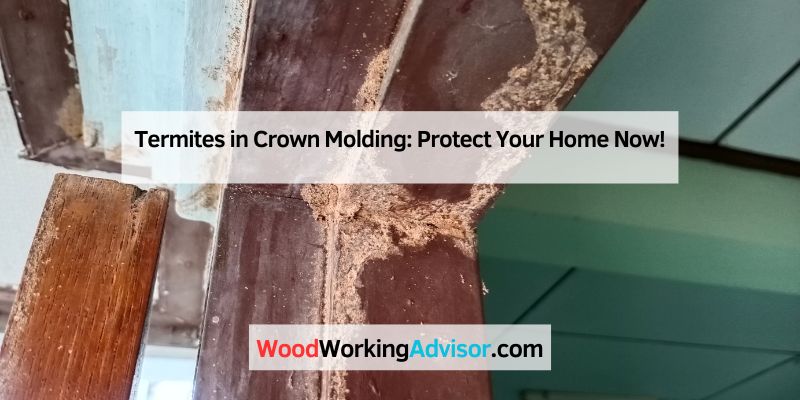
Termites in Crown Molding: Protect Your Home Now!
Imagine walking into your living room, admiring the elegant crown molding that adds a touch of sophistication to your home. But suddenly, you notice something unsettling—a small pile of what looks like sawdust on the floor.
Could it be termites? Termites in crown molding are more than just a nuisance; they can cause serious damage to your home, threatening its structural integrity and your peace of mind. You might think your home is safe and secure, but these tiny invaders work silently, often going unnoticed until significant damage has already been done.
The thought of termites munching through your beautiful crown molding may be worrying, but don’t panic. You deserve to know how to identify, prevent, and tackle this problem before it escalates. You’ll discover essential tips on spotting signs of termites, effective prevention strategies, and actionable steps to protect your home. Your crown molding can remain a stunning feature without becoming a feast for these destructive pests. Keep reading to arm yourself with knowledge and ensure your home stays safe and termite-free.
Termite Threats To Crown Molding
Termites are tiny but dangerous pests. They love to eat wood. Crown molding is a prime target. It is made of wood. Termites can hide inside it.
They eat the wood slowly. Holes and damage appear over time. The molding can become weak. Decorative beauty is lost. Termites can cause big problems.
Fixing damage is not easy. It can cost a lot of money. Early detection is important. Keep an eye out for signs. Look for small holes or dust.
Regular checks can help. Professional help may be needed. Protect your home with care. Stop termites before they destroy your molding.
Signs Of Termite Infestation
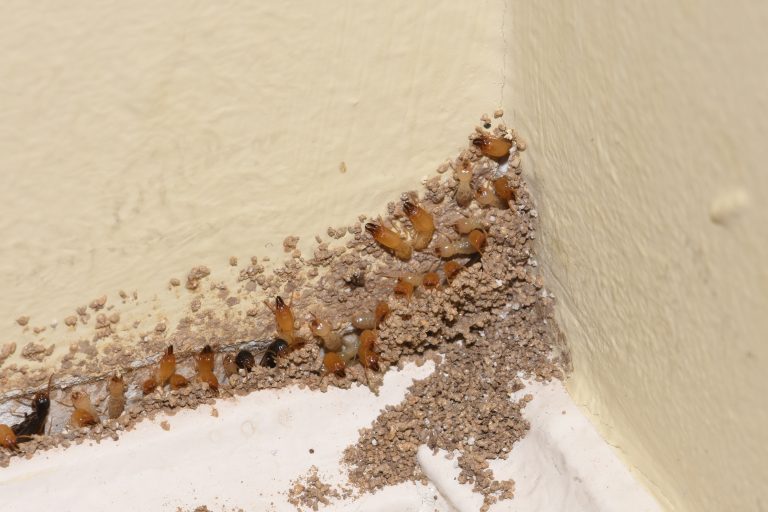
Termites can cause cracks in crown molding. Holes might appear in the wood. Paint can peel off. Wood might look swollen. Termites leave mud tubes behind. These tubes are small and dirty. Dust from wood might be present. You might see tiny wings on the floor. These wings are from termites. Droppings are also signs. They look like wood dust.
Strange sounds can be heard. Termites make clicking noises. A hollow sound when tapping wood is bad. Uneven floors may mean termites. Stuck doors can be a sign too. Walls may show bubbles under paint. Weak spots on molding can appear. Smell of mold is a warning. Termites love moist places.
Common Types Of Termites
Subterranean termites live in the soil. They build tunnels to find food. These termites need moisture to survive. They create mud tubes for travel. This protects them from dryness. They eat wood from the inside out. Damage is often hidden. They are the most destructive type.
Drywood termites do not need soil. They live in dry wood. They can be found in furniture and walls. These termites create colonies in wood. They do not need moisture. Their droppings look like tiny pellets. They are less common than subterranean termites but still cause damage.
Causes Of Infestation
Termites love warm and humid places. They find wood easily in these areas. Rainy seasons make the wood moist. Moisture attracts termites. They also prefer dark places. Lack of sunlight helps them survive. Dead plants near homes can be a home for termites too. They live there and then move inside.
Some homes have gaps in their structure. These gaps let termites enter easily. Cracks in walls or floors are gateways too. Poorly treated wood is another problem. It makes the wood weak and easy for termites to eat. Wood touching soil is risky. It creates a bridge for termites to travel. Fixing these issues can help keep them away.
Preventive Measures
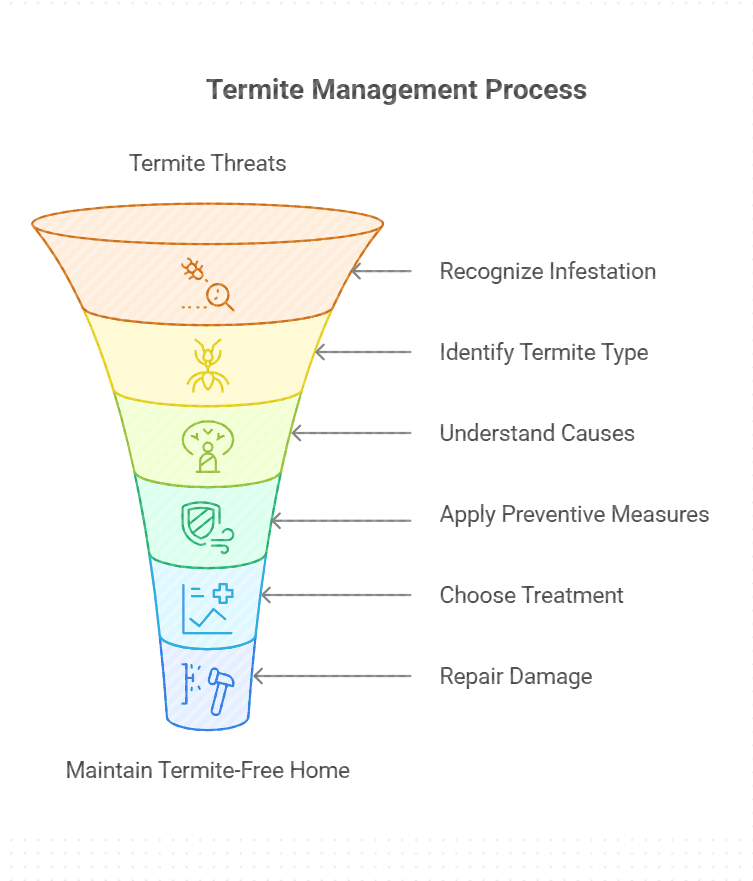
Inspect crown molding often to catch termites early. Check for signs like mud tubes. Look for damaged wood. Early detection helps in quick action. Regular checks keep your home safe. Prevent costly repairs.
Termites love wet places. Reduce moisture near crown molding. Fix leaks quickly. Use dehumidifiers to keep air dry. Dry environments repel termites. Protect your home from damage.
Choose materials that termites dislike. Use treated wood for crown molding. These materials last longer. Termites find them hard to chew. Keep your crown molding safe and strong.
Effective Treatment Options
Termites in crown molding need effective treatments to protect your home. Regular inspections help spot early infestations. Use professional pest control services to ensure thorough removal and prevent future damage.
Chemical Treatments
Termites can be a big problem. They love wood. Chemical treatments are a way to stop them. These treatments are strong. They can kill termites fast. Termite sprays are common. They go on the wood. Another option is termite bait. This is placed near the termites. They eat it and die.
Some treatments go deep. They get into the wood. This makes sure termites cannot hide. Always read the labels. Follow the instructions. Safety is important. Professional help can be useful. They know how to use chemicals safely.
Natural Remedies
There are ways to treat termites without chemicals. Orange oil is one. It is safe for kids and pets. Another option is neem oil. It stops termites from eating. Borax is another choice. It can kill termites.
Sunlight can be helpful too. Termites hate light. Placing wood in sunlight can drive them away. Wet cardboard traps are simple. Termites eat the cardboard. Then, you throw it away. Natural remedies are good for small problems.
Professional Pest Control
Termites can damage your home. They eat the wood. Little holes and dust might appear. This is a sign of termites. Call experts if you see these signs. They know how to handle termites. Experts use special tools and sprays. They are safe for homes and families. Early action stops big problems.
Picking a good pest service is important. Check their experience and reviews. Ask if they have a license. This means they know their work. Find out about their methods. Some use chemicals; others use traps. Ask for a quote before they start. Compare prices and services. This helps you choose the best one.

Credit: www.reddit.com
Repairing Damaged Crown Molding
Start by checking the crown molding. Look for small holes or wood dust. These signs mean termites may be present. Carefully inspect all parts of the molding. Check corners and joints, too. Use a flashlight to see better. It’s important to find all the damage. Hidden damage can cause bigger problems later. Document the damage you see. This helps in planning repairs.
Damaged pieces may need replacement. Choose new wood that matches the old style. This keeps the look the same. Cut the new pieces to fit. Use strong glue or nails to attach them. Restoration can also include painting. Match the paint color to the rest of the room. This makes the repair less noticeable. It’s important to act quickly. Termites can cause more harm fast.
Maintaining A Termite-free Home
Keep your home safe from termites. Start with regular inspections. Check wood for damage. Seal cracks in walls and floors. Moist wood attracts termites. Fix leaks to keep wood dry.
Store firewood away from the house. Use termite-resistant materials for construction. Keep bushes and trees trimmed. They should not touch the house. A clean yard helps keep termites away.
Hire a professional for termite control. They know what to look for. Do not ignore signs of termites. Mud tubes and hollow wood are warnings. Act quickly to stop damage.
Keep an eye on your home’s condition. Stay informed about termite habits. This helps keep them away. Protect your home from these tiny invaders.

Credit: www.reddit.com

Credit: www.sureshotok.com
Frequently Asked Questions
How Do You Tell If Termites Are Behind Drywall?
Listen for faint clicking sounds inside walls, indicating termite activity. Check for hollow-sounding drywall when tapped. Look for visible mud tubes or small pinholes on surfaces. Find discarded wings near windows or doors. Inspect for peeling paint or bubbling wallpaper, suggesting moisture damage from termites.
How To Treat Termites In Baseboards?
To treat termites in baseboards, apply a liquid termiticide directly to the affected area. Consider bait stations for long-term control. Seal cracks and maintain moisture control to prevent future infestations. Regularly inspect and act promptly to keep your home termite-free.
What Can I Do About Termites In My Ceiling?
Contact a pest control professional to inspect and treat your ceiling for termites. Seal any cracks and leaks. Consider using termite-resistant materials for repairs. Regularly check for signs of infestation and maintain a dry environment to deter termites.
Is It Safe To Sleep In A House With Termites?
Sleeping in a house with termites is generally safe for humans. Termites do not bite or spread diseases. However, they can cause structural damage over time. Regular inspections and treatments are essential to prevent significant issues. Consult a pest control professional for safety and peace of mind.
Conclusion
Termites in crown molding can cause serious damage. They silently eat away at your home’s structure. Regular inspections help catch them early. Fixing the problem quickly saves money and stress. Use professional pest control services for best results. They have the tools and expertise.
Protect your home by staying informed. Keep an eye out for any signs of termites. Early action is key. Don’t let these pests destroy your peace. Always be proactive in maintaining your home’s health. Your vigilance keeps your living space safe and secure.