How to Kill Termites in Wood: Which Method Fits Your Situation
How you kill termites in wood depends on which termite you have and what the wood is. A single infested chair leg calls for different tools than a damaged joist, and soil-dwelling subterranean termites need a licensed professional either way. This guide gives a method-by-situation table, an identification chart, the Tim-Bor borate label rules, and clear lines for when DIY stops. Pesticide labels are legally binding, so read yours fully before starting.
How to Kill Termites in Wood: Match the Method to the Situation
Best Borate Wood Treatment Pick | |
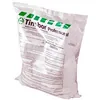 |
Nisus Tim-Bor Professional Borate Powder (1.5 lb): $24.12 The product label describes it as a treatment for wood against termites, drywood termites, wood-destroying beetles, decay fungi and carpenter ants. Its label rates and bare-wood rule are broken down in the borate section below.
As an Amazon Associate we earn from qualifying purchases. |
Most pages on this topic list methods as if they were interchangeable. They are not. A borate that protects bare lumber does nothing for a colony living in the soil, and heat that works on a drawer front is not a plan for a floor joist. This table pairs each common situation with the approach the university sources support.
| Situation | Likely termite | Approach the sources support | DIY or pro |
|---|---|---|---|
| Small furniture or a loose wooden item with pellets | Drywood | Move it away from other wood. Heat, cold or vault fumigation by a professional, or remove the piece (extension.org, UF/IFAS) | Pro for heat, cold, fumigation |
| Door or window trim, limited area | Drywood | Replace the wood, or spot treat with a product labeled for drywood termites (UF/IFAS) | DIY replacement; spot treat per label |
| Bare, accessible lumber such as shop stock, a shed frame or exposed framing | Any wood-destroying insect on the label | Borate by brush, spray, dust or injection, strictly per label | DIY on label terms; check state rules |
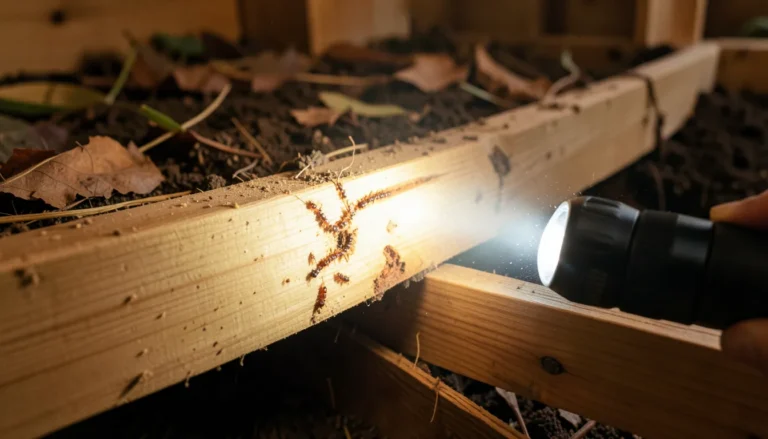
| Mud tubes on a foundation, sill or wall | Subterranean | Liquid soil termiticide or bait system | Licensed pro |
| Wet wood in a cool, humid climate, large open galleries | Dampwood | Correct the moisture, replace damaged wood, have a pro confirm the species | Pro assessment |
| Pellets or kickout holes in several rooms | Drywood, widespread | Whole-structure fumigation or heat | Licensed pro only |
| Fine talc-like powder and tiny round exit holes, no six-sided pellets | Probably a wood-boring beetle | Different pest; see the look-alike section | Depends on species |
If your situation sits in the last three rows, the rest of this guide is background for talking to a professional, not a DIY plan. For the confirm-it-first step, see our guide to the signs of termites in wood.
Which Termite Is It? Identify the Type Before You Treat
Treatment choice follows the species. UC IPM separates the three groups by where they live and what they leave behind.
| Type | Where it lives | What you see | Typical control path |
|---|---|---|---|
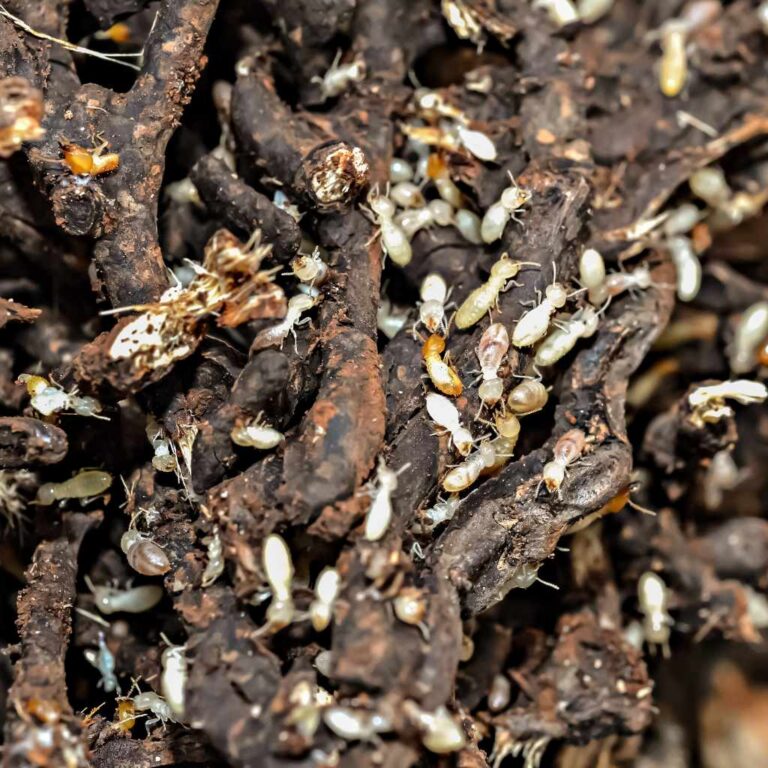
| Subterranean | In soil, sometimes many feet below the surface | Shelter (mud) tubes, the only type that builds them; damage follows the grain, eating softer springwood and leaving summerwood | Professional liquid barrier or bait stations (UC IPM, UF/IFAS) |
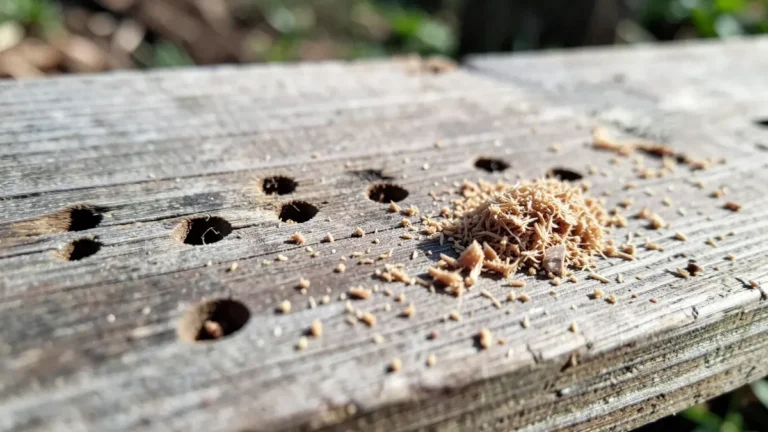
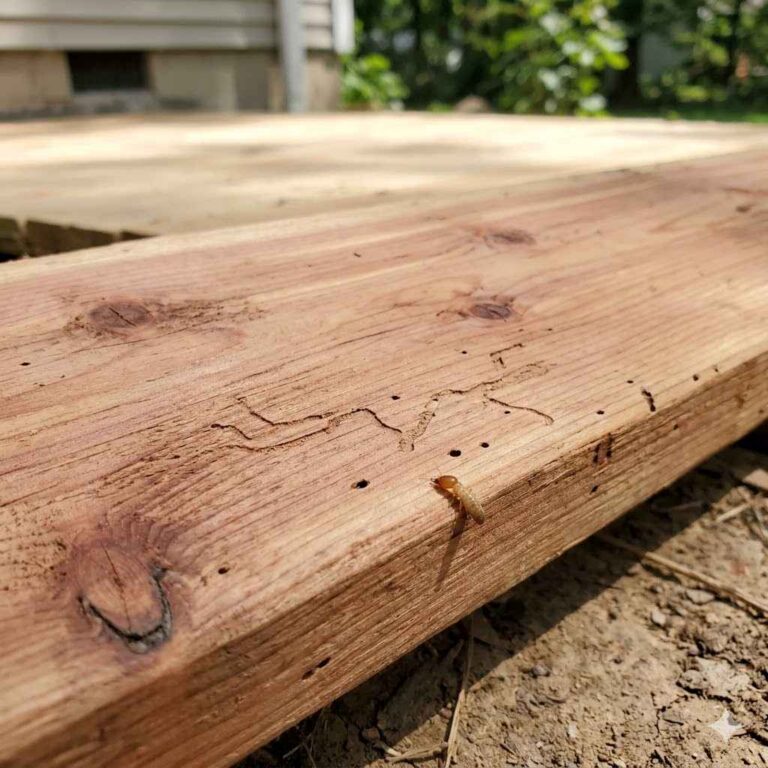
| Drywood | Relatively dry wood such as lumber, utility poles, fences | Fecal pellets with six flattened sides; kickout holes under 2 mm | Spot treatment, heat, fumigation (UC IPM) |
| Dampwood | Wood high in moisture, cool humid areas, most often along the coast | Large open galleries; football-shaped pellets without clear ridges | Fix moisture, replace wood, pro assessment |
One correction worth knowing: UC IPM says it is not possible to tell from pellets alone whether an infestation is active or how far it extends. Sweeping up the pellets under a kickout hole and checking a few days later for fresh ones is the suggested test, because building vibration can also shake pellets out. That is why a single pile of pellets on a shelf is a reason to inspect, not a reason to spray. Sources: UC IPM drywood termites and UC IPM subterranean and other termites.
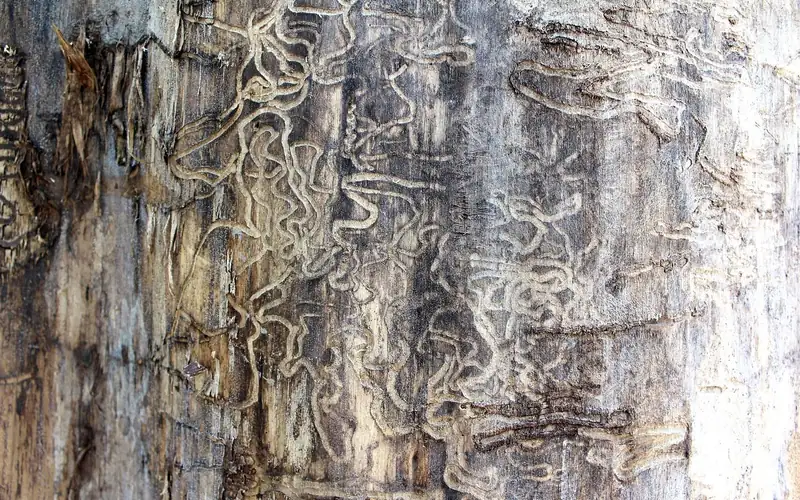
How fast the damage progresses also changes how urgent this is; our piece on how fast termites eat wood covers that, and whether termites eat dry wood explains why drywood species can live in furniture at all.
Termites, Carpenter Ants or Powderpost Beetles?
A termite product bought for the wrong insect wastes money and delays the right fix. Three look-alike problems account for most mix-ups.
| Pest | Does it eat the wood? | Debris and holes | What the sources say about control |
|---|---|---|---|
| Termites | Yes | Drywood pellets, six-sided; kickout holes under 2 mm | Species-specific; see tables above |
| Carpenter ants | No, they excavate it to nest | Fibrous sawdust, not pellets | Often start where wood is wet or decayed; find the nest, use slow-acting baits so workers carry it back (UC IPM) |
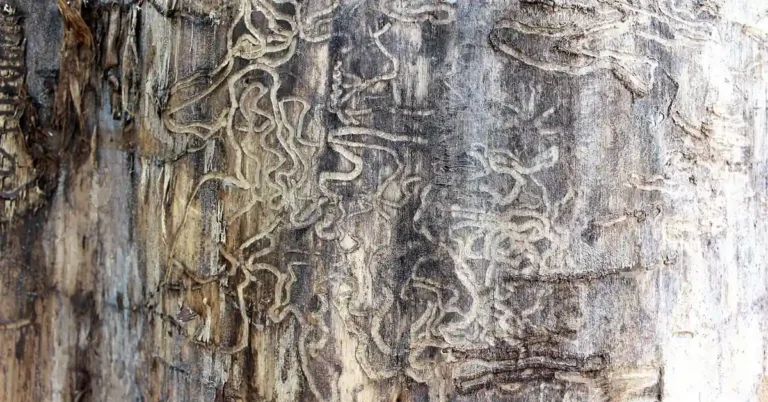
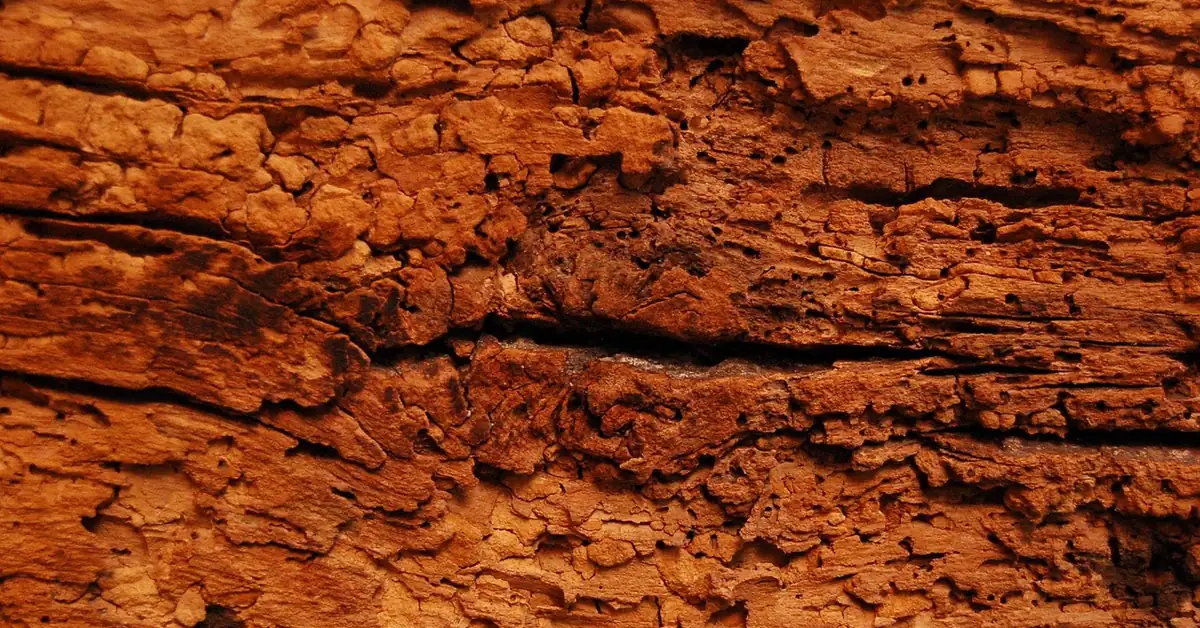
| Powderpost beetles | Larvae feed inside the wood | Powdery frass that feels like talcum; round exit holes where adults emerged | Kiln drying destroys an infestation but does not prevent reinfestation; replace infested structural wood where possible (UC IPM) |
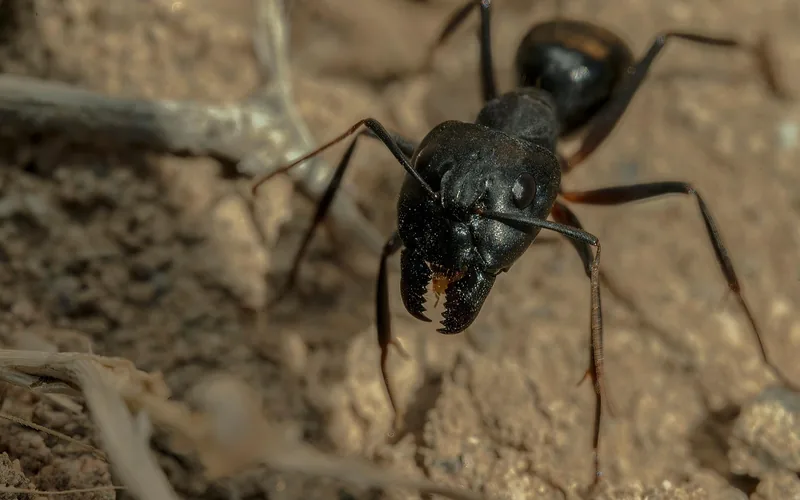
Winged termites and winged ants are easily confused; UC IPM says to compare antennae, wings and waist, and our guide to flying termites goes into it. If the holes are round and the powder is fine, the wrong-pest check matters even more: UC IPM lists deathwatch frass as gritty and false powderpost frass as a coarse powder that is hard to dislodge from the hole. For hole-by-hole identification see what insect drills holes in wood, and for large, neat holes in cedar or pine trim, carpenter bees and treated wood and how to repair cedar siding. Sources: UC IPM carpenter ants and UC IPM wood-boring beetles.
Killing Termites in Furniture and Small Wooden Items
Isolate the piece first
Move the item out of the house, away from other wood, before anything else. UF/IFAS lists removing infested furniture as a control step in its own right, and it stops pellets and any swarmers from reaching nearby wood while you decide what to do.
What professionals can do to one piece
- Heat: extension.org says the wood interior where the termites live must reach at least 120 F for a period of time, higher temperatures kill faster, and specialized heaters, fans and temperature probes are used. If the interior does not get hot enough, termites survive.
- Cold: liquid nitrogen can be injected directly into galleries; extension.org gives about 20 F as the temperature needed for a kill after very short exposure, and warns that operators must be protected from asphyxiation and burns.
- Vault fumigation: infested furniture and pianos can be fumigated in a vault at a pest control business, which extension.org says is much cheaper than whole-house fumigation. Fumigation is heavily regulated and uses restricted-use products (UF/IFAS), so it is a professional service.
Be careful with home oven and freezer advice. UC IPM does publish a small-item schedule (an oven at 120 to 140 F for 6 hours, or a deep freezer at 0 F for 72 hours), but it appears in its page on wood-boring beetles, not termites. I did not find a university source applying a home schedule to termites, so this guide does not offer one. Sources: extension.org drywood termite page, UF/IFAS termite prevention and control and UC IPM wood-boring beetles.
When the piece is not worth saving
UF/IFAS lists replacing infested wood when the damage is limited to trim, and removing infested furniture. A chair leg hollowed through its core is a structural failure waiting to happen, so replace the part or the piece. Once the cause is dealt with, our reclaimed wood termite guide covers heat and borate for salvaged lumber, and termite holes in wood covers repair.
Borate Wood Treatment: What the Tim-Bor Label Actually Says
Borates work as a stomach poison: per the extension.org page, when termites try to eat borate-treated wood, the boric acid stops their digestive system working and they starve. Tim-Bor Professional is disodium octaborate tetrahydrate (98%, EPA Reg. No. 64405-8). Its label lists subterranean, drywood and dampwood termites, powderpost beetles, deathwatch and furniture beetles, old house borers, longhorned beetles and carpenter ants among the target pests, for prevention and for remedial treatment of infested wood in existing structures. The rates and PPE below come from the Nisus Tim-Bor Professional label as published; the label on your bag controls.
| Label item | What it says |
|---|---|
| Liquid, 10% | Add 1.0 lb of product per gallon of solution. Two applications are required, brushed or sprayed at 5 gallons per 1,000 sq ft of wood surface, thoroughly wetting it |
| Liquid, 15% | Add 1.5 lb per gallon. One application may be used. Use it soon after mixing and do not store it long |
| Injection | Drill and inject the solution under pressure into sound wood, or until run-off is seen at entry and exit holes of infested wood |
| Powder in voids | Inject or dust at 0.5 ounce (12 to 14 grams) per square foot into galleries or wall voids |
| Surface condition | Do not apply to painted, varnished or sealed wood; best results on bare wood |
| Where it works | Interior and exterior wood protected from excessive rain and not in direct contact with soil |
Woodworkers should note one more label line: spraying water on some wood species can mobilize natural extractives, raise the grain and leave calcium or other deposits, so treat a small test area before doing a visible piece.
Safety first, and this is the part people skip. The label’s signal word is CAUTION: harmful if swallowed or inhaled, causes moderate eye irritation, and it must be kept out of reach of children. Handlers must wear a long-sleeved shirt, long pants, socks, shoes, chemical-resistant gloves and protective eyewear, with ventilation or a NIOSH-approved respirator in confined spaces. It is toxic to fish and wildlife, so keep it out of water. The label itself states it is a violation of Federal law to use the product in a manner inconsistent with its labeling (EPA: pesticide labeling Q&A), so do not improvise rates or surfaces. First aid per the label: if swallowed, call a poison control center or doctor right away; if inhaled, move to fresh air; if in eyes, rinse slowly and gently for 15 to 20 minutes. The label gives no re-entry rule for pets or children, so keeping them out of the work area while you mix and apply is our own common-sense precaution, not label wording.
Check your state, and read this before buying. The Tim-Bor Professional label we read does not say the product is restricted to licensed applicators. But UC IPM, discussing wood-boring beetles, says sodium borate products such as Tim-Bor and Bora-Care are materials a licensed pest control operator must apply, and its drywood termite page says the products needed to control drywood termites are not available for homeowner use and that do-it-yourself treatments are not recommended. Licensing rules differ by state and by whether you are treating your own property or working for hire, so confirm with your state pesticide regulator before buying or applying. We do not recommend DIY borate on a structure with an active infestation.
Borate also has hard limits. It protects wood, it does not reach a colony in the soil, and UF/IFAS says termite colonies of the subterranean kind generally require a pest management professional, with liquid soil termiticides and baits the established methods.
Heat, Fumigation and Other Treatments That Need a License
Whole-structure options are not a homeowner choice. Per UC IPM, whole-structure heat means raising all wood in the structure to a minimum of 120 F and holding it for at least 33 minutes, with the structure vacated for hours rather than days. Fumigation with sulfuryl fluoride kills drywood termites within several days and requires occupants, pets and plants to leave for several days. EPA lists sulfuryl fluoride as a restricted use pesticide and requires chloropicrin as a warning agent in residential structural fumigations (EPA), and the Florida agriculture department says a certified applicator must post warning signs and verify nobody remains inside (FDACS). Spot treatments by professionals include liquids, dusts, microwave devices and electrocution. Our page on how to fumigate wood explains why fumigation is licensed-only and what safer options exist.
Whole-structure heat needs wood held at 120 F or higher for at least 33 minutes | Source: UC IPM, drywood termites
Home Remedies and Myths: What the Evidence Supports
- Orange or neem oil: UC IPM says lab and field tests from two universities question the efficacy of at least d-limonene.
- Spraying the surface: extension.org describes spot treatment as injecting a product directly into the galleries, and says the product must be non-repellent so termites actually contact it. A surface spray does not do that job.
- Pellets mean active termites: not necessarily; see the sweep-and-recheck test above.
- Borate wipes out the whole colony: it protects and treats wood. Soil-dwelling colonies need a soil termiticide or bait, applied professionally.
When DIY Stops: Call a Licensed Pest Professional
- You find mud tubes anywhere on a foundation, sill or wall: subterranean termites.
- Pellets or kickout holes show up in more than one room or in structural framing.
- You cannot tell which pest you have. A wrong guess means the wrong treatment.
- The infested item is large or valuable and needs heat, cold or vault fumigation.
- Anything involving fumigant gas. UF/IFAS calls fumigation heavily regulated and restricted use, and EPA and Florida FDACS describe it as done by certified applicators.
UC IPM says the products needed to control drywood termites are not available for homeowner use and that do-it-yourself treatments are not recommended. Ask for a written inspection that names the species and the proposed treatment, and compare it with the tables above. Once treated, the guide to protecting wood from termites and how to get termites out of wood cover prevention and removal in more detail, treating wood for termites safely covers handling, and whether damaged wood must be removed helps decide what stays.
Frequently Asked Questions
Can I kill termites in wood myself?
Sometimes, for a limited job. University extension sources describe replacing a small infested trim piece, removing infested furniture, or spot treating with products labeled for drywood termites. Subterranean termites generally need a pest management professional, and UC IPM says do-it-yourself treatments for drywood termites are not recommended. If you see mud tubes or pellets in several places, call a licensed professional.
Does freezing or heating furniture kill termites?
Heat and cold both work in principle when they reach the wood interior where the termites live. extension.org says the interior must reach at least 120 F, and that liquid nitrogen injected into galleries must reach about 20 F. Both are professional services. I did not find a university source giving a safe home-oven or home-freezer schedule for termites, so none is given here.
Does borate kill termites that are already inside the wood?
The Tim-Bor Professional label says it can be used for remedial treatment of infested wood in existing structures, by brush or spray, or by drilling and injecting until run-off appears at entry and exit holes. It must go onto bare wood, not painted, varnished or sealed wood, and it does not treat a colony living in the soil. UC IPM also says licensed applicators handle this class of product, so check your state rules first.
Is Tim-Bor safe around kids and pets?
The label carries a CAUTION signal word: harmful if swallowed or inhaled, and it causes moderate eye irritation. It says to keep it out of reach of children and to store it where children or animals cannot get to it. Handlers need long sleeves, long pants, chemical-resistant gloves and eye protection, plus ventilation or a respirator in confined spaces. The label gives no re-entry rule for pets or children, so keeping them out of the work area while you mix and apply is our own precaution.
Bottom Line
Identify first, then match: bare accessible wood can take a labeled borate, a small drywood problem in trim can be handled by replacing the wood, and everything with mud tubes, widespread pellets or fumigant gas belongs to a licensed professional. Whatever you apply, the label is the law, and wearing the listed protective gear is not optional.
Sources: UC IPM: Drywood Termites; UC IPM: Subterranean and Other Termites; UC IPM: Wood-Boring Beetles in Homes; UC IPM: Carpenter Ants; UF/IFAS: Termite Prevention and Control; extension.org: Drywood Termites; Nisus Tim-Bor Professional label; EPA: Sulfuryl Fluoride; EPA: Pesticide Labeling Q&A.
Sponsored / affiliate links. As an Amazon Associate I earn from qualifying purchases. I may earn additional commission from eligible campaigns.