Exploring Used Wood Burning Fireplace Inserts: A Comprehensive Guide for Homeowners
Hey there! If you’re cozying up to the idea of adding warmth and charm to your home with a wood burning fireplace insert, you’re in for a treat. I’ve spent years diving into the world of woodworking and home heating, and let me tell you, a used wood burning fireplace insert can be a game-changer. It’s not just about saving money—it’s about finding a quality piece that fits your home, your budget, and your lifestyle. Whether you’re a seasoned woodworker or a homeowner looking to upgrade your fireplace, this guide is for you. I’ll walk you through everything I’ve learned about buying, installing, and maintaining a used wood burning fireplace insert. Let’s get started!
What Is a Wood Burning Fireplace Insert?
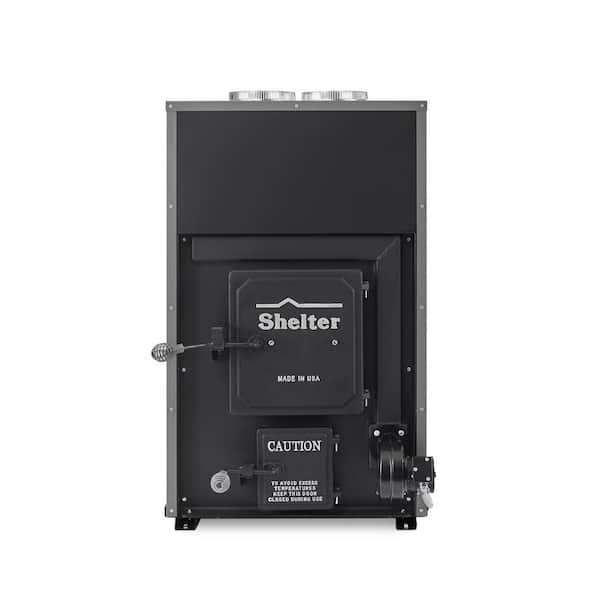
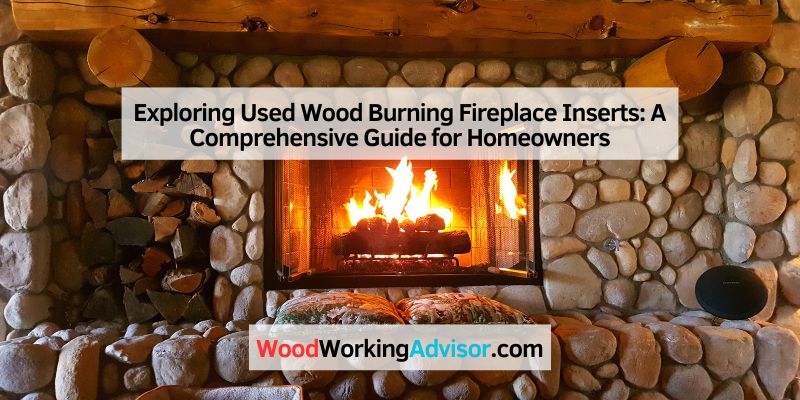
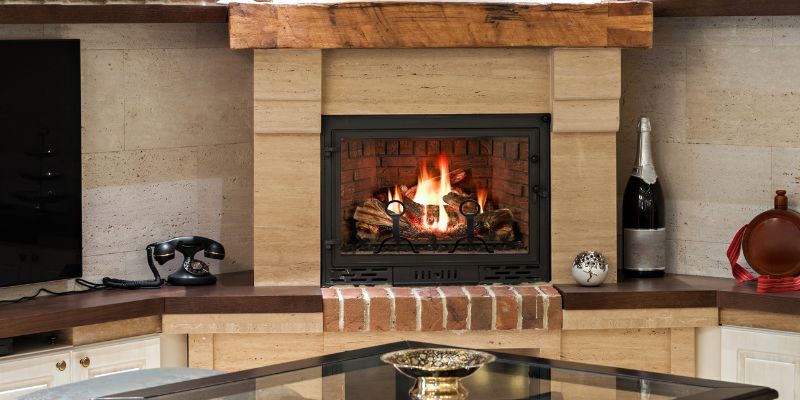
Picture this: you’ve got an old, drafty fireplace that’s more decorative than functional. It looks great, but it’s not heating your home efficiently. That’s where a wood burning fireplace insert comes in. It’s a specially designed unit that slides right into your existing fireplace, turning it into a powerhouse of heat. Unlike a traditional open fireplace, an insert is a closed system with a firebox, glass door, and blower to circulate warm air. It’s like giving your fireplace a major upgrade without tearing down your chimney.
When I first explored fireplace inserts, I was amazed at how they transform an inefficient hearth into something practical. A used insert can be just as effective as a new one if you know what to look for. These units burn wood to produce heat, and they’re built to maximize efficiency while keeping emissions low. They’re perfect for anyone who loves the crackle of a real fire but wants to save on energy costs.
Why Choose a Used Wood Burning Fireplace Insert?
You might be wondering, “Why go for a used insert instead of a shiny new one?” I get it—buying used can feel like a gamble. But hear me out. A used wood burning fireplace insert can save you hundreds, sometimes thousands, of dollars. When I was hunting for my own insert, I found that high-quality models from reputable brands like Vermont Castings or Buck Stove often hold up for decades. A used one in good condition can work just as well as a new one at a fraction of the price.
Another reason? It’s eco-friendly. By reusing an existing insert, you’re keeping it out of a landfill and reducing the demand for new manufacturing. Plus, modern inserts are designed to burn cleaner than older open fireplaces, so you’re still doing your part for the environment. The trick is knowing how to spot a good deal and avoid a lemon, which I’ll cover later.
Benefits of Using a Wood Burning Fireplace Insert
Let’s talk about why these inserts are so popular. I’ve seen firsthand how they can transform a chilly living room into a warm, inviting space. Here are some key benefits:
- Efficiency: Inserts burn wood more completely than open fireplaces, so you get more heat from less fuel. My insert heats my entire downstairs, and I use way less wood than I did with my old fireplace.
- Cost Savings: If you’ve got access to free or cheap firewood, an insert can cut your heating bills. I’ve saved a ton on propane since I started using mine.
- Ambiance: There’s nothing like the glow and crackle of a real wood fire. It’s cozy and timeless.
- Environmentally Friendly: Modern inserts produce fewer emissions than traditional fireplaces. Even a used model from the last 10-15 years is likely to meet EPA standards.
- Safety: The closed design keeps sparks and embers contained, which gives me peace of mind, especially with kids or pets around.
Here’s a quick comparison to help you see the difference:
| Feature | Wood Burning Fireplace Insert | Traditional Open Fireplace |
|---|---|---|
| Heat Efficiency | High (up to 80%) | Low (10-20%) |
| Emissions | Lower, EPA-compliant | Higher, more smoke |
| Fuel Consumption | Uses less wood | Burns more wood |
| Safety | Enclosed, safer | Open, risk of sparks |
| Installation Cost | Moderate to high | Usually none |
Things to Consider Before Buying a Used Insert
Buying used isn’t like picking up a new gadget at the store. You’ve got to do your homework. When I bought my first used(insert, I learned a few lessons the hard way. Here’s what you need to keep in mind:
Condition of the Insert
Not all used inserts are created equal. Check for signs of wear like rust, cracks in the firebox, or damaged glass. I once looked at an insert with a warped door that wouldn’t seal properly—big red flag. A good insert should have a tight seal to control airflow and prevent smoke leaks. Ask the seller about the insert’s history: How old is it? How often was it used? Has it been serviced?
Size and Fit
Your fireplace isn’t one-size-fits-all. Measure the dimensions of your hearth—width, height, and depth—before shopping. My first mistake was assuming any insert would fit my fireplace. Nope! I had to return one because it was too deep. Most manufacturers provide specs online, so double-check that the insert matches your fireplace.
EPA Certification
The Environmental Protection Agency (EPA) sets standards for wood burning appliances to reduce emissions. Most inserts made after 1990 are EPA-certified, but older ones might not be. I always look for a metal tag on the back of the insert that confirms certification. It’s not just about being eco-friendly—some areas have laws against using non-certified inserts.
Installation Requirements
Installing an insert isn’t a DIY job for most people. You’ll need a chimney liner, which can cost $500-$2,000 depending on your setup. I hired a professional to install mine, and it was worth every penny for safety and peace of mind. Check if the seller includes the liner or other components, as that can save you money.
Brand and Model Reputation
Stick to trusted brands like Lopi, Jøtul, or Quadra-Fire. I’ve found that these brands hold up well over time, and parts are easier to find. Research the model online to see reviews and check for recalls. I once passed on a great deal because the model had a history of blower issues.
Where to Find Used Wood Burning Fireplace Inserts
Finding a used insert is like treasure hunting. Here are my go-to places:
- Online Marketplaces: Sites like Craigslist, Facebook Marketplace, and eBay often have listings. I scored my insert on Facebook Marketplace for $600—half the price of a new one.
- Local Fireplace Retailers: Some stores sell refurbished inserts or take trade-ins. Call around to see what’s available.
- Salvage Yards: Architectural salvage yards sometimes have inserts from home renovations. I found a gorgeous vintage model at a salvage yard, but it needed some TLC.
- Word of Mouth: Ask friends or neighbors. I got a tip about a great deal from a coworker whose uncle was upgrading his fireplace.
Always meet sellers in person to inspect the insert. If you’re buying online, ask for detailed photos and a video of the unit in action.
How to Inspect a Used Fireplace Insert
When I’m checking out a used insert, I bring a flashlight, a tape measure, and a checklist. Here’s what I look for:
- Firebox Condition: Look for cracks or warping. A damaged firebox can’t handle high temperatures safely.
- Door and Gasket: The door should close tightly, and the gasket (the rope-like seal) should be intact. A worn gasket is an easy fix, but it’s a bargaining chip.
- Glass: Check for cracks or heavy soot buildup. Minor scratches are okay, but cracked glass is a safety hazard.
- Blower and Fans: If the insert has a blower, test it. A faulty blower isn’t a dealbreaker, but it’ll cost $100-$200 to replace.
- Exterior: Some rust or scratches are cosmetic, but heavy corrosion means the insert wasn’t maintained.
I always ask to see the insert running if possible. Watching it burn gives you a sense of how it performs and whether it smokes excessively.
Installation Tips for Your Used Insert
Installing a used insert can be tricky, but it’s doable with the right approach. Here’s what I’ve learned:
- Hire a Professional: Unless you’re a chimney expert, get a certified installer. They’ll ensure the insert is level, the chimney liner is properly fitted, and everything meets local codes.
- Chimney Inspection: Before installation, have your chimney inspected. Mine had creosote buildup that needed cleaning to prevent fires.
- Ventilation: Inserts need proper airflow. Make sure your home has adequate ventilation to avoid backdrafts.
- Permits: Check with your local building department. Some areas require permits for fireplace installations.
My installation took about a day, and the installer walked me through how to use the insert safely. It was a learning curve, but now I’m a pro at loading wood and adjusting the damper.
Maintaining Your Used Wood Burning Fireplace Insert
Once you’ve got your insert, keeping it in top shape is key. Here’s how I maintain mine:
- Regular Cleaning: I clean out ash weekly and scrub the glass with a damp cloth and ash paste. It keeps the view clear and the insert looking sharp.
- Chimney Sweeping: Have your chimney cleaned annually to remove creosote. I learned the hard way that skipping this can lead to chimney fires.
- Gasket Replacement: If the door gasket starts to fray, replace it. It’s a $20 fix that keeps your insert efficient.
- Inspect Components: Check the blower and firebricks yearly. I had to replace a cracked firebrick once, but it was an easy swap.
A well-maintained insert can last 20 years or more. Mine’s been going strong for a decade with just basic upkeep.
Safety Tips for Using a Wood Burning Insert
Safety is huge with wood burning inserts. Here’s what I do to keep things safe:
- Use Dry Wood: Wet or “green” wood causes more smoke and creosote. I season my wood for at least six months before burning.
- Install Smoke and CO Detectors: I have detectors in every room near my fireplace. They’ve never gone off, but they’re there for peace of mind.
- Never Leave It Unattended: Even though inserts are safer than open fireplaces, I don’t leave mine burning overnight.
- Keep Flammables Away: I make sure curtains, furniture, and rugs are at least three feet from the insert.
Cost Breakdown of a Used Wood Burning Fireplace Insert
Here’s a rough idea of what you might spend, based on my experience:
| Item | Cost Range |
|---|---|
| Used Insert | $300-$1,500 |
| Chimney Liner | $500-$2,000 |
| Installation | $500-$1,500 |
| Annual Maintenance | $100-$300 |
Buying used saved me about $2,000 compared to a new insert. Your costs will depend on the insert’s condition, your location, and your chimney setup.
Common Mistakes to Avoid
I’ve made a few blunders with my insert, so let me save you some trouble:
- Skipping the Inspection: Don’t trust the seller’s word that the insert is “like new.” Inspect it yourself or hire a pro.
- Ignoring Size: An insert that’s too big or small for your fireplace won’t work efficiently.
- Buying Without a Warranty: Some sellers offer a short warranty. It’s worth paying a bit more for that extra security.
- Neglecting Maintenance: Skipping chimney cleanings or ignoring small issues can lead to big problems.
Is a Used Wood Burning Fireplace Insert Right for You?
If you love the idea of a cozy fire, lower heating bills, and a touch of rustic charm, a used insert could be perfect. It’s ideal for homeowners who want to upgrade an old fireplace without breaking the bank. But it’s not for everyone. If you don’t have access to affordable firewood or you’re not up for regular maintenance, you might want to consider a gas or electric insert instead.
For me, the joy of chopping wood, building a fire, and feeling the warmth fill my home is worth the effort. Plus, the savings don’t hurt! If you’re ready to do some research and put in a little work, a used insert can be a fantastic addition to your home.
Conclusion
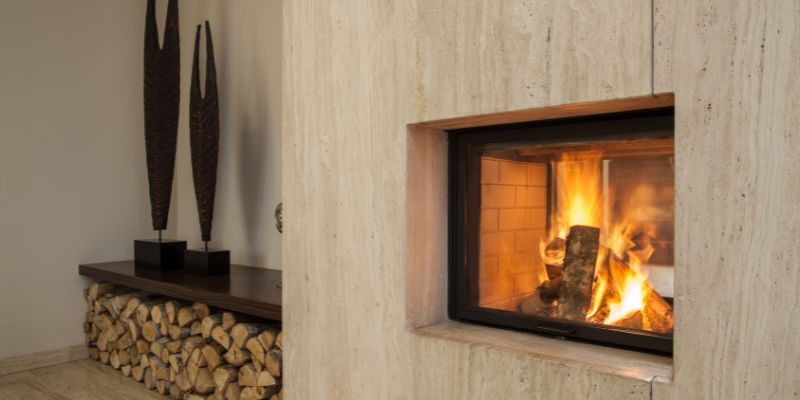
There’s something magical about a wood burning fireplace insert. It’s not just about the heat—it’s the way it brings people together, the soft glow of the fire, the crackle of the logs. Buying a used wood burning fireplace insert has been one of the best decisions I’ve made for my home. It’s saved me money, kept my family warm, and added a cozy vibe that you just can’t get from a thermostat. By doing your research, inspecting carefully, and maintaining your insert, you can enjoy all these benefits too. So, go hunt for that perfect used insert, and get ready to enjoy countless cozy nights by the fire. Trust me, you won’t regret it!
Frequently Asked Questions
Can I Install a Used Wood Burning Fireplace Insert Myself?
I wouldn’t recommend it unless you’re experienced with chimneys and fireplaces. Installing an insert involves fitting a chimney liner, ensuring proper ventilation, and meeting local codes. I tried doing some of the prep work myself and quickly realized it was a job for a pro. Hiring a certified installer ensures everything is safe and up to code.
How Do I Know If a Used Insert Is EPA-Certified?
Look for a metal tag on the back or side of the insert. It’ll say if it’s EPA-certified and list the emissions rating. If there’s no tag, ask the seller for the model number and check the manufacturer’s website. Most inserts made after 1990 are certified, but it’s worth confirming.
How Much Can I Save by Buying a Used Insert?
You can save anywhere from 50% to 75% compared to a new insert. I paid $600 for mine, while a similar new model would’ve cost $1,500-$2,000. Factor in installation and liner costs, and you’re still likely to save $1,000 or more.
Is It Safe to Buy a Used Fireplace Insert?
Yes, if you inspect it carefully. Check for cracks, rust, or damaged parts, and test the blower if it has one. I always ask to see the insert in action before buying. If you’re unsure, have a professional inspect it to ensure it’s safe and functional.
How Often Should I Clean My Wood Burning Insert?
I clean out ash weekly and do a deep clean of the glass and firebox monthly. Have your chimney swept at least once a year to remove creosote. Regular cleaning keeps your insert efficient and reduces the risk of chimney fires.