Walnut vs Maple Cutting Board Which Is Best
Choosing the right cutting board can feel tricky, especially when you see options like walnut and maple. People often wonder about the Walnut vs Maple Cutting Board: Which Is Best? because both are popular and look great. It’s not always clear which one is the better choice for your kitchen.
Don’t worry! We’ll break it down in a simple way, step by step. You’ll learn what makes each wood special and discover which one fits your needs perfectly.
Let’s get started so you can pick the best board for your cooking adventures.
Walnut Cutting Boards Explained
Walnut cutting boards are known for their beautiful, deep, dark color and rich grain patterns. This makes them a stylish addition to any kitchen. Beyond looks, walnut wood is moderately hard, which means it’s tough enough to withstand daily chopping and slicing without getting too many deep cuts.
It’s also less abrasive on your knives than some other hardwoods. This combination of durability and knife-friendliness is a big plus for home cooks.
What Makes Walnut Special
Walnut wood comes from trees that grow in North America and Europe. It’s often seen as a premium choice because of its attractive appearance. The dark color can hide stains better than lighter woods, and it doesn’t easily show knife marks.
-
Rich Color and Grain
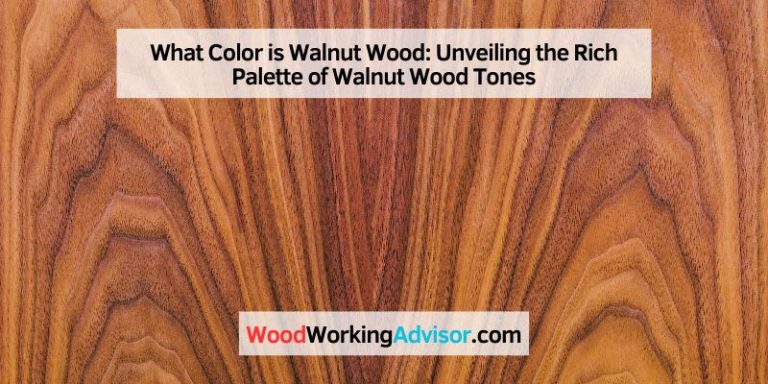
The natural dark brown to purplish-brown color of walnut is its most striking feature. The grain can be straight, wavy, or curly, adding visual interest. This makes each walnut cutting board unique.
It’s a wood that adds a touch of elegance to your kitchen counter.
-
Moderate Hardness
Walnut falls in the Janka hardness scale around 1010 lbf (pounds-force). This is a good middle ground. It’s hard enough to resist deep scratches from knives but not so hard that it will dull your knife edges quickly.
This balance is key for a functional cutting board.
-
Knife Friendliness
Because it’s not excessively hard, walnut is gentler on your knife blades. This means your good kitchen knives will stay sharper for longer. You won’t feel like you’re constantly needing to sharpen them after just a few uses.
-
Naturally Antimicrobial Properties
Like many hardwoods, walnut has natural oils that can help resist bacteria. While no wood is completely immune, these properties can contribute to a more hygienic surface over time, especially when properly cared for.
Caring for Your Walnut Board
To keep your walnut cutting board looking its best and performing well, regular care is important. You should clean it with warm water and mild soap after each use. Never put it in the dishwasher, as this can cause it to warp and crack.
-
Washing
Wash your walnut board with a soft sponge and a little dish soap. Rinse it thoroughly with clean water. This simple step removes food bits and bacteria.
-
Drying
Always dry your cutting board completely with a clean towel immediately after washing. Letting it air dry can cause uneven moisture absorption, leading to warping. Standing it on its edge helps both sides dry evenly.
-
Oiling
Apply a food-grade mineral oil or a beeswax conditioner to your board every month or so. This keeps the wood from drying out, prevents stains, and helps maintain its natural color. It also makes the surface more water-repellent.
Walnut Cutting Board Downsides
While walnut offers many advantages, there are a few things to consider. Its beauty can come at a higher price point compared to other woods like maple. Also, because it’s not the absolute hardest wood, very heavy or repeated use with exceptionally sharp knives might show more wear over many years compared to some extremely hard woods.
-
Cost
High-quality walnut cutting boards can be more expensive than those made from other woods. This is due to the wood’s desirability and sometimes its availability.
-
Durability Against Extreme Use
While great for most cooking, if you are a professional chef who chops for hours daily on the same spot, or use very aggressive chopping techniques, a harder wood might show less wear over extreme time periods. However, for the average home kitchen, walnut’s durability is more than sufficient.
Maple Cutting Boards Explained
Maple cutting boards are a classic choice, loved for their light color, fine grain, and excellent durability. Maple is a very hard wood, which makes it resistant to knife marks and stains. Its smooth, clean surface is ideal for preparing all sorts of foods, from vegetables to meats.
Maple is also readily available and often more budget-friendly than walnut.
What Makes Maple Special
Maple wood, especially from North America, is a popular choice for cutting boards due to its practical benefits and clean aesthetic. It’s a versatile material that performs well in busy kitchens.
-
Hardness and Durability
Maple wood is significantly harder than walnut. Sugar maple, a common type used for cutting boards, registers around 1450 lbf on the Janka hardness scale. This extreme hardness means it can withstand heavy use and resist deep cuts and gouges much better than softer woods.
-
Fine, Tight Grain
Maple has a very fine and tight grain structure. This makes the surface very smooth and less porous. A tighter grain helps to prevent liquids and bacteria from penetrating the wood, making it more hygienic and easier to clean.
-
Knife Edge Preservation
Despite its hardness, the fine grain structure of maple is still relatively kind to knife edges. While it’s harder than walnut, it doesn’t have the same tendency to chip or damage knives as some other very hard woods like exotic hardwoods. This means your knives should still maintain a good edge with proper care.
-
Appearance
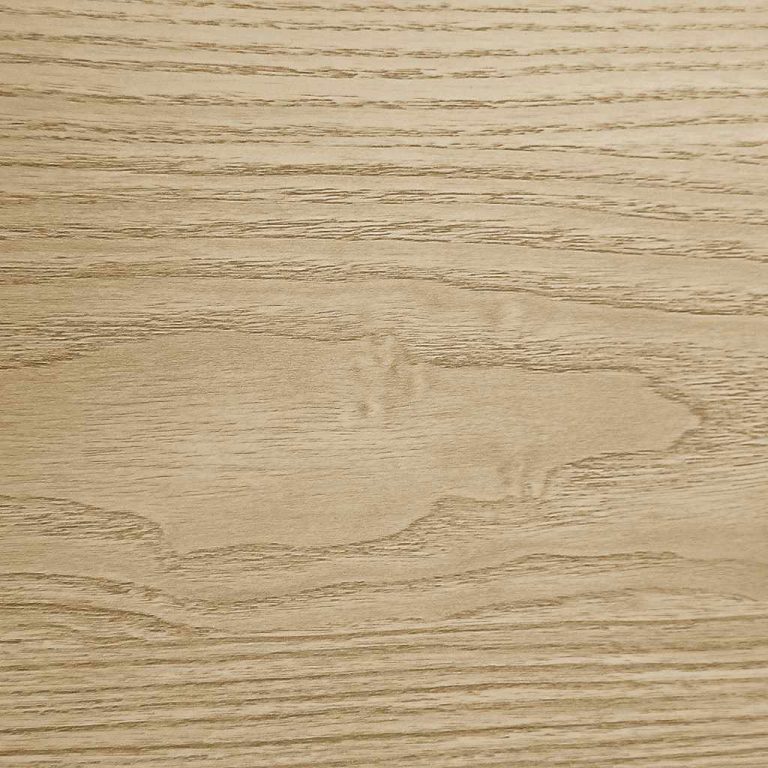
Maple’s light, creamy color offers a bright and clean look to any kitchen. Its subtle grain patterns are classic and versatile, fitting well with many kitchen decors.
Caring for Your Maple Board
Just like walnut boards, maple cutting boards require proper care to stay in good condition. The principles are largely the same, focusing on cleaning, drying, and conditioning.
-
Cleaning
Clean your maple board after every use with warm water and a mild soap. A quick wipe down with a damp cloth followed by drying is usually enough for light use.
-
Drying
Ensure the board is thoroughly dried with a towel right after washing. Proper drying prevents moisture from causing damage. Standing the board on its edge helps air circulate around it for faster and more even drying.
-
Conditioning
Regularly oil your maple cutting board with food-grade mineral oil or a cutting board conditioner. This is crucial for preventing the wood from drying out, cracking, or becoming too porous. Aim to oil it at least once a month, or more often if it starts to look dry.
Maple Cutting Board Downsides
While maple is a fantastic choice, its hardness can also be a minor drawback for some. Because it’s so hard, it can be tougher on your knife edges if you’re not careful with your sharpening routine. Also, lighter colors can show stains or discoloration more easily if not cleaned promptly.
-
Potential for Knife Dullness
The exceptional hardness of maple means it can dull your knife edges faster than softer woods. This is a consideration if you are particularly concerned about maintaining razor-sharp edges with minimal effort between sharpenings.
-
Stain Visibility
Maple’s light color means that pigments from berries, beets, or other strongly colored foods can sometimes leave a visible stain if not cleaned up immediately. This is more of an aesthetic issue, as stains don’t typically affect the board’s function.
Walnut vs Maple Cutting Board: Which Is Best?
Deciding between a walnut and a maple cutting board often comes down to personal preference and cooking style. Both woods offer excellent durability and function, but they have distinct characteristics that make one potentially better suited for certain users. Understanding these differences helps clarify the Walnut vs Maple Cutting Board: Which Is Best? question.
Let’s explore how they stack up against each other in key areas.
Durability and Knife Wear
When it comes to durability, both walnut and maple are excellent choices, but they achieve it differently. Maple is significantly harder, meaning it will resist deep scratches and nicks from knife blades more effectively over time. This makes it ideal for cooks who chop heavily or use very sharp knives regularly.
Walnut, while softer than maple, is still a very durable wood. Its moderate hardness means it’s gentler on your knife edges. This is a significant advantage if you value keeping your knives sharp with less frequent sharpening.
You’ll see knife marks on walnut eventually, but they are usually shallower and less impactful on your blade’s edge compared to a board made from a much harder wood.
A common statistic is that maple sits around 1450 lbf on the Janka scale, while walnut is closer to 1010 lbf. This difference is noticeable in how they interact with knives.
Aesthetics and Kitchen Style
The visual appeal of a cutting board can play a big role in your kitchen. Walnut cutting boards are prized for their rich, dark color and often dramatic grain patterns. They can add a warm, sophisticated look to your kitchen and are great for hiding minor stains or scratches that might be more visible on a lighter board.
Maple cutting boards offer a bright, clean, and classic aesthetic. Their light, creamy color and fine grain create a fresh appearance that complements a wide range of kitchen decors, from modern to traditional. They can make your workspace feel more open and airy.
Hygiene and Maintenance
Both walnut and maple are hardwoods with tight grains that naturally resist bacterial growth better than softer woods. However, maple’s exceptionally fine and tight grain structure makes it slightly less porous and potentially easier to clean and sanitize.
Proper care, including regular washing, thorough drying, and periodic oiling with food-grade mineral oil or a cutting board conditioner, is essential for maintaining the hygiene and longevity of both types of boards. Neglecting this can lead to issues with either wood.
Cost and Value
Generally, walnut cutting boards tend to be more expensive than maple cutting boards. This is often due to the desirability of walnut’s dark color and unique grain, as well as its sometimes higher cost in the lumber market. Maple is more abundant and widely available, which often translates to a more accessible price point for consumers.
When considering value, think about your priorities. If the look of dark, rich wood is paramount and you want something slightly gentler on your knives, walnut is a great investment. If you prioritize extreme durability, a clean light look, and a more budget-friendly option, maple is an excellent choice.
Comparison Table
Here’s a quick look at how walnut and maple cutting boards compare side-by-side:
| Feature | Walnut Cutting Board | Maple Cutting Board |
|---|---|---|
| Color | Dark brown to purplish-brown | Light, creamy white |
| Grain | Can be straight, wavy, or curly; moderate | Fine, tight, and straight |
| Hardness (Janka) | Approx. 1010 lbf | Approx. 1450 lbf |
| Knife Edge Friendliness | Very good; gentler on blades | Good; slightly harder on edges than walnut |
| Durability | Good, moderate resistance to wear | Excellent, highly resistant to cuts and wear |
| Stain Visibility | Lower; hides minor stains | Higher; stains can be more visible |
| Price | Generally Higher | Generally Lower |
| Maintenance | Regular oiling and cleaning | Regular oiling and cleaning |
Choosing the Right Board for You
The best cutting board depends entirely on your personal cooking habits, your knife collection, and your kitchen’s aesthetic. There’s no single “winner” in the Walnut vs Maple Cutting Board: Which Is Best? debate. Instead, consider what matters most to you.
For the Home Chef Who Cares for Knives
If you have a prized collection of sharp knives and want to keep them in top condition with minimal fuss, a walnut cutting board is likely your best bet. Its moderate hardness is excellent for preserving knife edges. You’ll enjoy its beautiful dark tones as you prepare meals.
-
Knife Enthusiast
If you invest in high-quality knives and want to extend their lifespan, walnut is a great choice. It offers a good balance of usability and durability without being overly harsh on your blades.
-
Aesthetic Preference
If you love the look of dark, rich wood in your kitchen and appreciate unique grain patterns, walnut will impress. It adds a touch of natural elegance to your countertop.
-
Stain Hiding
For those who may occasionally forget to clean up a spill immediately, walnut’s darker color can help conceal minor marks or faint stains, maintaining a cleaner appearance between deep cleans.
For the Heavy-Duty Kitchen Warrior
If you’re someone who chops vegetables vigorously, slices meats regularly, or simply wants a board that can withstand years of heavy use with very little visible wear, a maple cutting board is the superior option. Its incredible hardness makes it incredibly resilient.
-
Durability Champion
For kitchens that see a lot of action, maple’s supreme hardness means it will resist nicks and scratches better than almost any other wood commonly used for cutting boards.
-
Clean and Bright Look
If you prefer a bright, clean workspace and a classic look, maple provides that pristine aesthetic. It can make a kitchen feel more open and inviting.
-
Budget-Conscious Choice
Maple often provides excellent value for money. You get a highly durable and functional cutting board at a more accessible price point than many walnut options.
When Both Woods Shine
It’s worth noting that both walnut and maple are top-tier woods for cutting boards. If you can manage the maintenance for both, owning one of each could be ideal. You could use maple for heavy chopping tasks and walnut for tasks where preserving knife edge is paramount or simply for its stunning appearance.
-
Versatile Cooking
If your cooking involves a wide range of tasks, from delicate herb chopping to butchering smaller cuts of meat, having two boards might offer the best of both worlds.
-
Aesthetic Variety
Why choose one when you can have two? Different woods can bring different moods and styles to your kitchen. A dark walnut board might be perfect for serving cheese, while a bright maple board is ideal for prepping ingredients.
-
Longevity Through Rotation
Using multiple boards and rotating them allows each one to dry out fully between uses, which significantly extends their lifespan and prevents issues like warping or cracking.
Frequently Asked Questions
Question: Is walnut or maple better for antibacterial properties
Answer: Both walnut and maple are hardwoods with tight grains that naturally resist bacteria better than softer woods. Maple’s extremely fine and tight grain might offer a slight edge in being less porous, but proper cleaning and maintenance are more critical for antibacterial performance than the specific wood type.
Question: Which wood will keep my knives sharper longer
Answer: Walnut is generally considered better for preserving knife sharpness because it is a softer wood compared to maple. Its moderate hardness is less abrasive on knife edges, meaning your knives will stay sharper for longer with a walnut board.
Question: Can I use dish soap on my walnut or maple cutting board
Answer: Yes, you can use a mild dish soap and warm water to clean both walnut and maple cutting boards. It’s important to avoid harsh detergents or abrasive cleaners. Always rinse thoroughly and dry completely.
Question: How often should I oil my cutting board
Answer: You should oil your cutting board at least once a month. If you notice the wood looks dry or starts to lose its color, oil it more frequently. This is crucial for both walnut and maple boards to prevent drying and cracking.
Question: Are walnut cutting boards expensive
Answer: Walnut cutting boards are typically more expensive than maple cutting boards. This is due to the desirability of walnut’s dark, rich color and unique grain patterns, as well as its market value.
Summary
Choosing between walnut and maple cutting boards is about balancing durability, knife care, and kitchen style. Walnut offers a rich aesthetic and is kinder to your knives. Maple provides superior hardness for heavy use and a clean, bright look.
Both require regular cleaning and oiling. Pick the wood that best suits your cooking habits and kitchen decor.