Waterlox vs Tung Oil: Which Wood Finish Actually Fits Your Project
Waterlox isn’t a competing category to tung oil — it’s a resin-and-solvent-fortified tung oil blend, while “pure tung oil” is the unmodified nut oil on its own. That’s the detail most comparisons skip, and it’s the reason they behave so differently: Waterlox cures faster and builds a tougher surface film because the added resins do real work, while pure tung oil penetrates deeper and stays closer to a true in-the-wood finish because there’s nothing else in the can.
What Each One Actually Is
Best Pure Tung Oil Pick
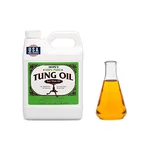 |
Hope’s 100% Pure Tung Oil, Food Safe, 32 Fl Oz – $29.99 No varnish or metallic driers cut into the oil, unlike most “tung oil finish” products on the shelf that are actually a wiping varnish blend.
|
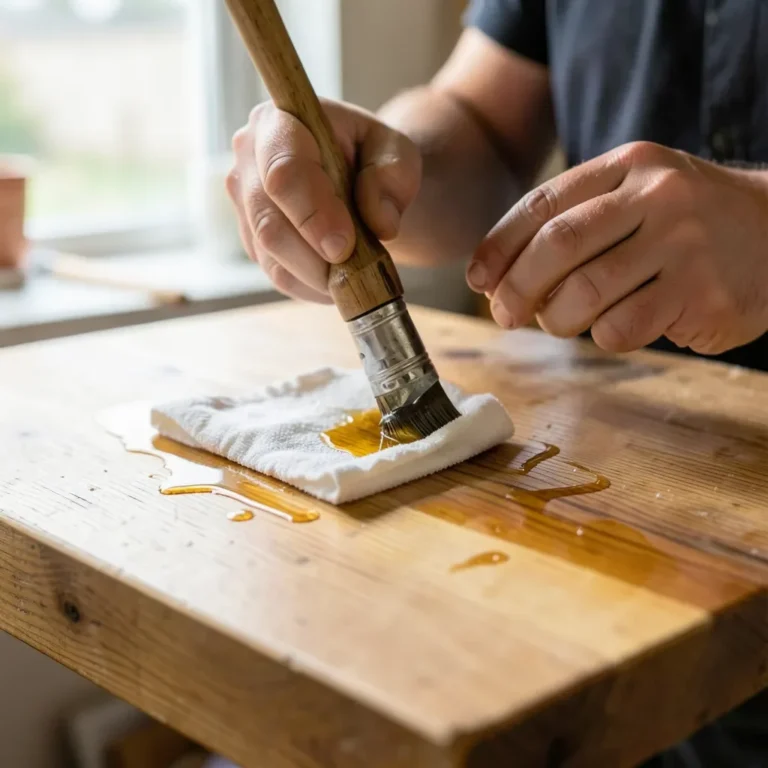
Pure tung oil comes from the seed of the tung tree and cures through polymerization — the oil molecules cross-link as they’re exposed to oxygen, hardening within the wood’s pores rather than sitting on top of it. There’s no plastic-like film; the wood’s own texture and grain stay tactile under your hand.
Waterlox’s flagship “Original Sealer/Finish” is tung oil cut with phenolic resin and mineral spirits. The resin is what lets it build a harder, more scratch-resistant surface layer and cure in roughly a day instead of several. You’re trading some of tung oil’s deep, all-natural penetration for speed and toughness — not getting a completely different chemistry.
Drying Time and Application Effort
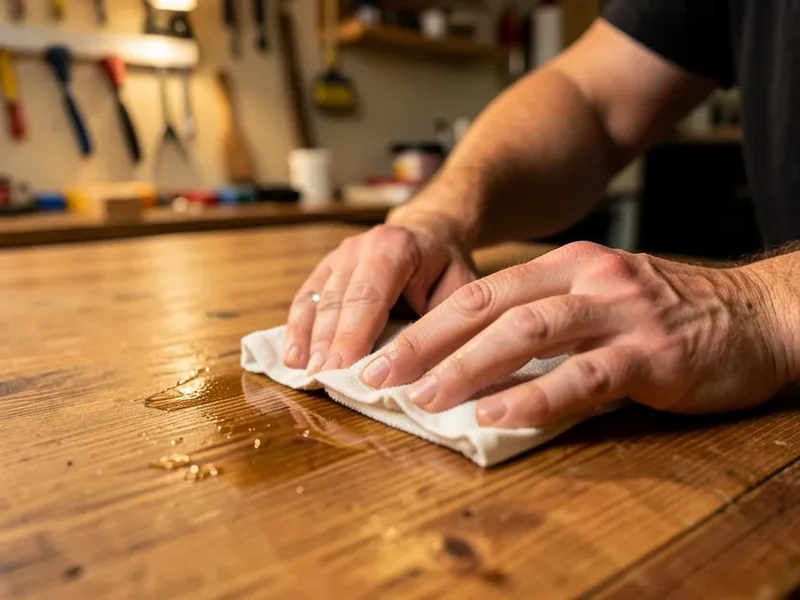
This is the biggest practical difference. Pure tung oil needs 24–72 hours between coats and typically wants 3 to 10 thin coats for real protection — a full project can run one to two weeks. Waterlox recoats in roughly 12–24 hours and usually reaches a finished look in 3 to 4 coats, so the same project wraps up in days rather than weeks.
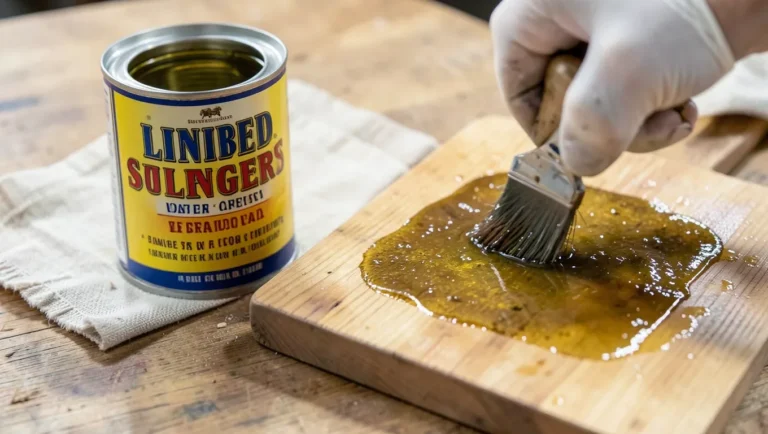
Pure tung oil also punishes a sloppy application more: any oil left unwiped on the surface stays gummy and tacky for a long time, since there’s no solvent helping it flash off. Waterlox’s mineral spirits content makes it more forgiving of a slightly heavy coat.
Durability, Look, and Feel
Waterlox’s resin content builds a real surface film after enough coats, which resists scratches and abrasion better — it’s the better call for a dining table, desk, or bar top that takes daily wear. Pure tung oil stays lower-build and matte, so the wood keeps its raw, tactile grain feel, which is why it’s the traditional choice for cutting boards, bowls, and pieces where you want the material to still feel and look like wood, not a coated surface.
Both are genuinely water-resistant once fully cured, and both are considered food-safe at full cure — check the specific product’s label, since not every “tung oil” product on a shelf is 100% pure (many are a varnish blend marketed under the same name, which is its own source of confusion in this comparison).
Which One for Which Project
| Project | Better Pick | Why |
|---|---|---|
| Cutting boards, bowls, utensils | Pure tung oil | Food-safe once cured, no surface film to chip into food |
| Dining table, desk, high-traffic furniture | Waterlox | Resin film resists daily scratches and spills better |
| Antique or heirloom piece | Pure tung oil | Preserves a natural, unfilmed look and original character |
| First finishing project / limited time | Waterlox | Faster recoat time, more forgiving of application mistakes |
| Outdoor furniture | Either, with caveats | Neither is a dedicated marine spar finish — check UV-rated exterior products for heavy sun exposure |
Maintenance and Repair
Pure tung oil is the easier long-term repair: a worn spot just gets a fresh thin coat rubbed in, and it blends invisibly because there’s no distinct film layer to feather in. Waterlox can also be spot-repaired by light sanding and a fresh coat, but because it’s built up as a surface film, a deeper scratch may telegraph through a spot repair in a way it wouldn’t with tung oil — a full-panel recoat gives the more even result on visible damage.
Frequently Asked Questions
Is Waterlox or tung oil better for outdoor furniture?
Both hold up reasonably well, but neither is a dedicated marine or UV-rated exterior finish. For furniture with heavy sun exposure, a spar varnish or a product specifically rated for UV resistance will outlast either one.
Can I use Waterlox on a butcher block countertop?
Yes. Waterlox Original Sealer/Finish is commonly used on butcher block and is food-safe once fully cured, provided you apply the recommended number of thin coats and let each cure fully.
How many coats of tung oil do I actually need?
Anywhere from 3-4 coats for a basic finish up to 8-10 for maximum sheen and protection. More thin coats beat fewer thick ones — a thick coat traps oil underneath that won’t cure properly.
Does tung oil make wood look glossy?
No, pure tung oil dries to a matte-to-satin sheen since it penetrates rather than building a surface film. If you want a glossier look, Waterlox or a film-forming varnish gets you there.
Can I mix Waterlox and pure tung oil?
It’s not recommended. Waterlox’s resin and solvent content changes its cure chemistry, and mixing products with different additives can produce unpredictable drying and adhesion. Stick to one product line through a full project.
Bottom Line
Pick pure tung oil for food-contact pieces and anything where you want the wood to still feel like wood. Pick Waterlox when you want that same tung-oil base but faster turnaround and a tougher surface for furniture that takes daily abuse. They’re closer relatives than the “vs” in most headlines suggests.
Sponsored / affiliate links. As an Amazon Associate I earn from qualifying purchases. I may earn additional commission from eligible campaigns.