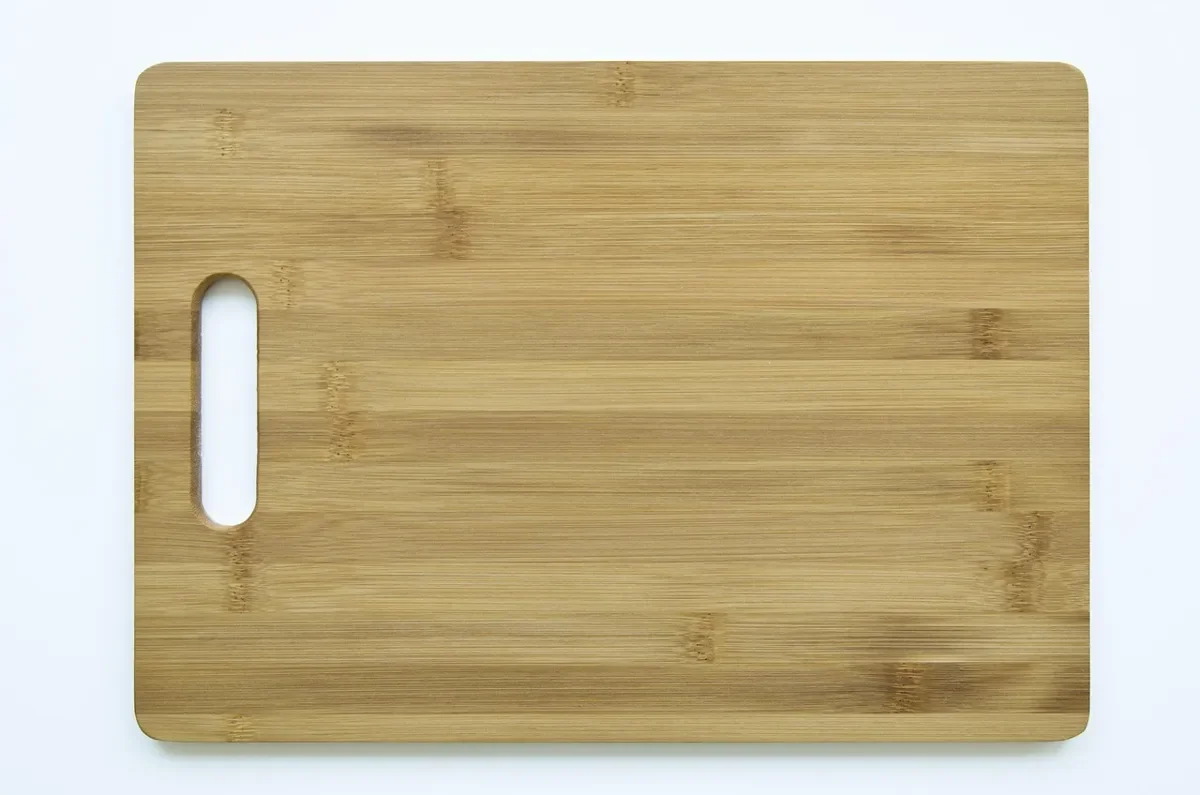
Acacia vs Bamboo: Which Is Harder and Which Lasts Longer?
Acacia vs bamboo comes down to construction, not species: solid acacia (about 1,100 to 1,700 lbf depending on the tree) is harder than or similar to standard vertical and horizontal bamboo (roughly 1,200 to 1,400 lbf), but strand-woven bamboo (3,000+ lbf) is roughly twice as hard as any acacia. Bamboo is a grass, acacia is a true hardwood, and the right pick depends on whether you need dent resistance, seasonal stability, or an outdoor-friendly surface.
Most comparison articles quote one hardness number for each material and stop there. That hides the real story: “bamboo” covers three very different products, “acacia” covers hundreds of tree species, and hardness is only one of five things that decide how a floor, tabletop, or shelf holds up. Below you will find real Janka numbers with their sources, a plain-language guide to what each material does badly, and a project-by-project pick.
Acacia vs Bamboo: The Short Answer (and the Blade You Need for Either)
Best Blade For Bamboo And Acacia
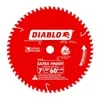 |
Freud Diablo D0760 7-1/4 Inch 60-Tooth Ultra Finish Blade A carbide-tipped, high tooth count finishing blade. Dense acacia and glue-laminated bamboo both chip less with a sharp fine-tooth blade than with a rough framing blade.
|
If you want the verdict without the detail, use this:
- Floors in a busy home: strand-woven bamboo has the highest dent resistance, but only if it is a reputable brand; acacia is the warmer, more traditional look.
- Furniture and tabletops: acacia, mainly for the grain and the way it takes oil and stain.
- Wide shelves and panels that must stay flat: laminated bamboo panels are engineered for flatness and are hard to beat here.
- Anything outdoors: neither is a set-and-forget choice. Both need a finish that you maintain.
- Cutting boards: a separate question with its own trade-offs, covered in our acacia vs bamboo cutting boards guide.
What You Are Actually Comparing
Acacia Is a Genus, Not One Wood
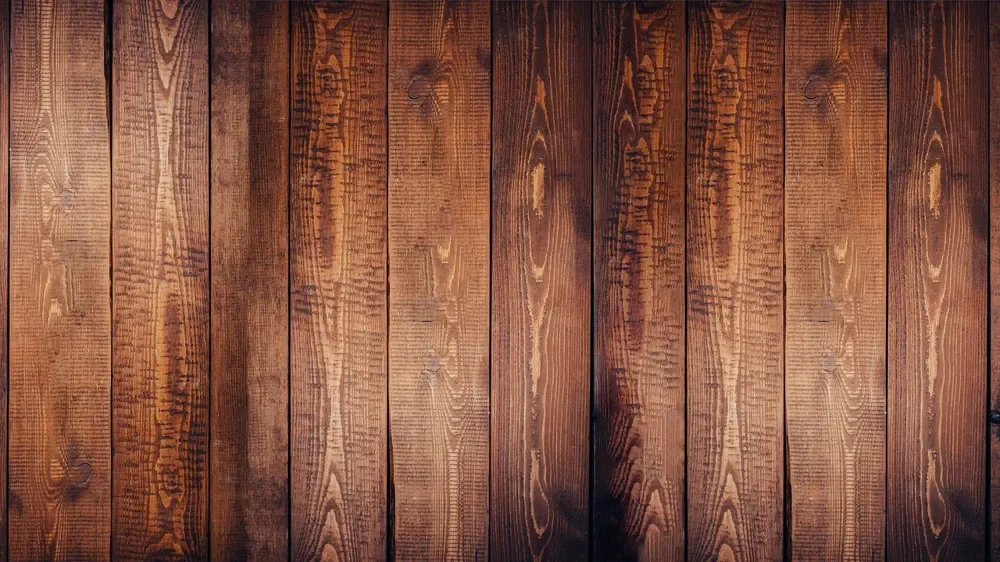
Acacia is a large genus of trees and shrubs, and the wood sold under that name varies by species. The Wood Database, for example, lists mangium (Acacia mangium, a common plantation species) at 1,430 lbf and koa (Acacia koa, the Hawaiian species) at 1,170 lbf. That is a real spread, so a single “acacia is 2,300 lbf” figure, which you will see repeated online, should be treated with suspicion. When a seller does not name the species, assume something between roughly 1,100 and 1,700 lbf.
Bamboo Is a Grass Turned Into Three Different Materials
Bamboo is not wood. It is a fast-growing grass, and it becomes lumber-like material only after the culms are split into strips and laminated with adhesive. How that is done changes everything:
- Vertical grain: strips stood on edge and glued side by side. The surface shows the narrow edge of each strip.
- Horizontal grain: strips laid flat and glued, showing the classic bamboo “knuckles.” Flooring sources typically report about 1,180 to 1,380 lbf for traditional bamboo, with darker carbonized bamboo at the softer end because the heating process weakens the fibers.
- Strand-woven: shredded fibers soaked in resin and compressed into a dense block. Manufacturers report 3,000 to 4,000 lbf as typical, and some claim 5,000+.
Hardness Compared: Real Janka Numbers
The Janka test measures the force needed to push a steel ball half its diameter into the surface. It is a good proxy for dent resistance, and a poor proxy for almost everything else.
| Material | Janka hardness (lbf) | Source and caveat |
|---|---|---|
| Koa (Acacia koa) | 1,170 | Wood Database |
| Mangium (Acacia mangium) | 1,430 | Wood Database |
| Hard maple (for reference) | About 1,450 | Commonly cited value; see our hard maple hardness guide |
| Vertical / horizontal bamboo | About 1,180 to 1,380 | Flooring trade sources; varies by brand and carbonization |
| Strand-woven bamboo | 3,000 to 4,000 (some claim 5,000+) | Bamboo manufacturers; the very high figures are marketing claims and vary by lot |
The Myth That Bamboo Is Always Harder
The most common claim in this comparison is that bamboo beats acacia. That is only true for strand-woven bamboo. A standard horizontal bamboo board sits in the same range as, or slightly below, mangium. So a cheap “bamboo” shelf is not automatically more dent resistant than an acacia one, and the bamboo floor that costs a premium is the strand-woven kind. Also remember that extreme hardness cuts both ways: it dulls blades faster and can chip edges if you cut without a sharp, fine-tooth blade.
Stability, Moisture, and What Goes Wrong
Hardness gets the attention, but the way each material fails is what you live with.
Acacia
- Solid wood moves with humidity, so wide boards can cup or open gaps at joints across seasons. Kiln-dried, properly acclimated stock helps.
- Outdoor durability depends heavily on species. The Wood Database rates koa as non-durable to perishable and susceptible to termites, so “acacia outdoor furniture” only lasts when it is sealed or oiled and that finish is kept up. See our acacia outdoor furniture care guide.
- Colour varies board to board, which is a feature for some buyers and a problem for matched runs.
Bamboo
- It is very flat and consistent out of the box, which is why laminated panels are popular for shelves and desktops.
- Its weak point is the adhesive: prolonged standing moisture can eventually attack glue lines, and cheap products with poor lamination can delaminate. Our bamboo flooring problems guide covers what is avoidable and what is permanent.
- Resin and adhesive content varies by maker. If indoor air quality matters to you, ask for a formaldehyde emission statement and prefer products that publish one, rather than assuming.
Which Is Better for Each Project
| Project | Better pick | Why |
|---|---|---|
| Busy-household flooring | Strand-woven bamboo | Highest dent resistance, if from a reputable maker; see our wood flooring guide for how it compares with hardwood |
| Dining or desk tabletop | Acacia | Richer grain, easy to refinish, and a solid top can be sanded back |
| Long floating shelves | Laminated bamboo | Consistent, flat panels sag and warp less than wide solid boards |
| Cabinet doors and faces | Acacia | Takes stain and oil well and looks like traditional hardwood |
| Patio furniture | Neither by default | Both need regular finish; buy on species and construction, not on the material name |
| Kitchen boards | See dedicated guide | Food contact and knife wear change the answer: acacia vs bamboo cutting boards |
Working With Each Material
Both materials are tough on tooling. Use a sharp carbide blade with a high tooth count (60 teeth or more for a 7-1/4 inch saw), support the cut so the underside does not splinter, and clamp a sacrificial board on the exit side of crosscuts. Pre-drill for screws in both, especially near ends and edges. Sanding bamboo is different from sanding wood: the glue lines and the very hard surface mean you should work through the grits steadily and check for glue-line shadows before you finish.
Dust and Safety
Treat the dust from both as a respiratory hazard. The Wood Database notes that some acacia species have been reported to cause eye, skin, and respiratory irritation, and that no specific health risk is tied to koa itself beyond standard wood dust precautions. Either way, wear a properly fitted respirator and use dust collection. For bamboo, the dust also contains cured resin, so the same precautions apply, plus eye protection. Do not assume “natural grass” means harmless dust.
Finishing Both
Acacia takes penetrating oils and film finishes well. If you are oiling it, see how oil changes colour in our mineral oil darkening guide. Bamboo is dense and less absorbent, so a film finish like polyurethane usually gives more predictable protection than oil alone, and a light scuff sand before each coat improves adhesion. Always test the finish on an offcut first because acacia colour varies between boards.
Cost and Where to Buy
Prices swing by species, grade, and region, so use current listings rather than a fixed figure. As a rule, standard bamboo is usually the lower-cost option per square foot, strand-woven bamboo sits in the mid range, and solid acacia depends on how much of it is plantation stock versus figured lumber. Always compare per-square-foot pricing for the same thickness and check the warranty, since finish wear layers are where cheap products fail first. If you are also weighing acacia against a premium alternative, see our acacia vs teak comparison.
Frequently Asked Questions
Is acacia harder than bamboo?
Solid acacia (about 1,100 to 1,700 lbf depending on species) is harder than or similar to standard vertical and horizontal bamboo (about 1,200 to 1,400 lbf). Strand-woven bamboo, at 3,000 lbf and up, is harder than any acacia.
Is bamboo actually wood?
No. Bamboo is a grass. It is turned into planks by laminating strips or compressing fibers with adhesive, which is why it behaves differently from timber.
Which is better for furniture, acacia or bamboo?
Acacia is usually the better pick for furniture because of its grain and how easily it is refinished. Bamboo panels suit modern designs and long, flat shelves.
Which lasts longer outdoors?
Neither is dependable without upkeep. Acacia durability varies by species, and some are rated non-durable, while bamboo depends on its adhesive holding. Whichever you choose needs a maintained finish.
Is acacia or bamboo easier to clean?
Both are easy to wipe when properly finished. The real difference is the finish: a sealed film surface cleans easily, while oiled surfaces need re-oiling over time.
Final Thoughts
Choose by construction first and material name second. Ask which acacia species and which bamboo style (vertical, horizontal, or strand-woven) you are buying, check the finish and warranty, and match the material to the job using the table above. If you are cutting either, a sharp fine-tooth blade matters more than which material you picked.
Sponsored / affiliate links. As an Amazon Associate I earn from qualifying purchases. I may earn additional commission from eligible campaigns.