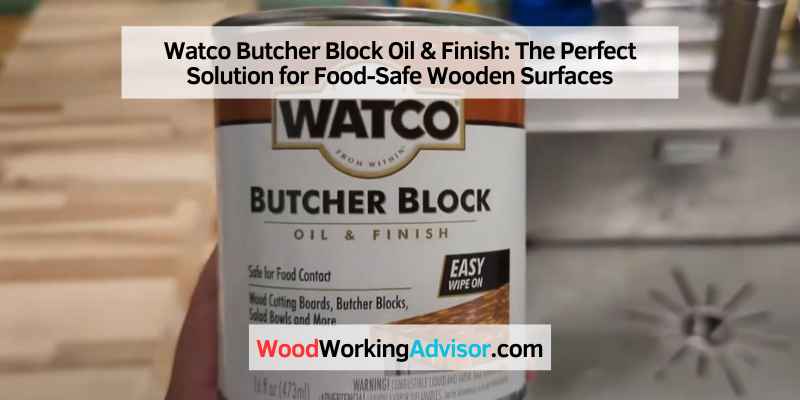
Watco Butcher Block Oil & Finish: Tung Oil-Alkyd, Not Mineral Oil
Watco Butcher Block Oil & Finish is a tung oil-alkyd wiping varnish, not straight mineral oil — it wipes on like an oil but cures into a thin, sealed film. That film needs 72 hours to fully cure before a cutting board is food-safe under FDA rule 21 CFR 175.300, so using it too soon can leave residue on food. This guide covers application, how it differs from mineral oil and butcher block conditioner, and when to reapply.
How To Apply Watco Butcher Block Oil & Finish?
Best Watco Butcher Block Oil Pick
Watco 16 Oz. Butcher Block Oil & Finish
The clear, unpigmented tung oil-alkyd formula this article covers — the standard pick for butcher blocks, cutting boards, and salad bowls.
- Best for: a durable, food-safe wiping-varnish finish on new or refinished butcher block
- Why we picked it: it’s the exact tung oil-alkyd product this guide is about, with a documented 72-hour cure to FDA 21 CFR 175.300
- Main drawback: 72-hour cure time means the surface is out of use for 3 days after each application
Compare more butcher block finishing options
 Option 1 Watco Butcher Block Oil + Stain (Hazelnut)
|
 Option 2 Peachtree Wood Finish Applicator Bundle
|
 Option 3 John Boos 3-Piece Care & Maintenance Set
|
As an Amazon Associate we earn from qualifying purchases.
To apply Watco Butcher Block Oil & Finish, sand the wood surface smooth, wipe away the dust, then apply the oil with a lint-free cloth in circular motions, covering the entire surface. Because it’s a tung oil-alkyd finish rather than a plain penetrating oil, it forms a light film as it dries, so wipe off any excess before it starts to set up.
Preparing The Surface
Before you begin applying Watco Butcher Block Oil & Finish, prepare the surface of your wooden item thoroughly. For best results, follow these steps:
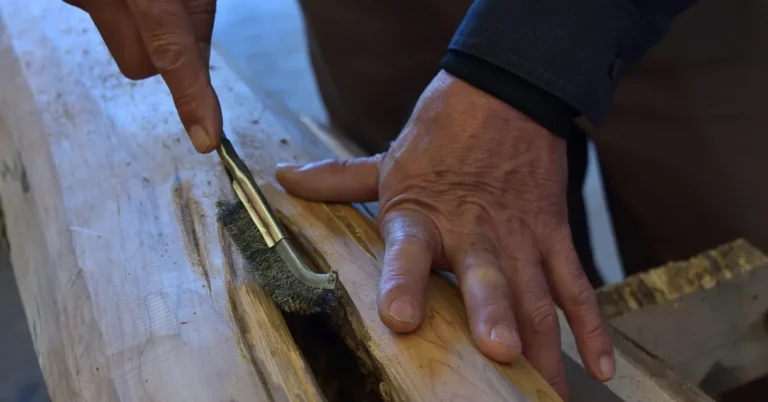
- Clear the surface of any dirt, dust, or debris using a soft-bristled brush or cloth.
- Sand the surface down to a smooth finish, starting from a coarse grit and working your way to a finer grit until you achieve the desired smoothness.
- Remove the sanding dust by wiping the surface with a tack cloth or a clean, dry cloth.
Applying The Oil
Once you have prepped the surface, apply Watco Butcher Block Oil & Finish following these steps:
- Shake the can well before using it to make sure the oil and resin are fully mixed.
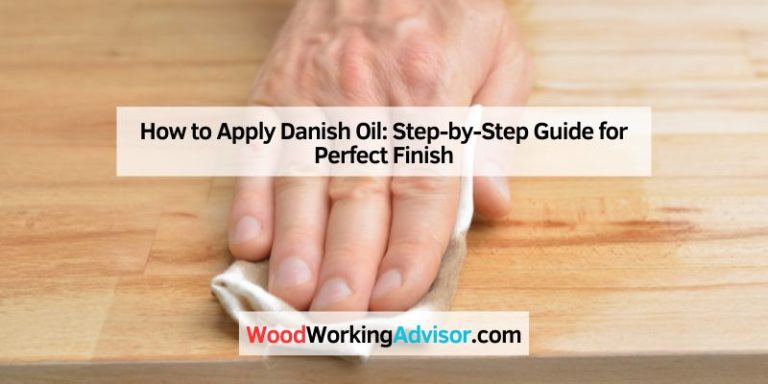
- Apply a moderate amount to the surface with a foam brush or lint-free cloth, covering the entire surface evenly.
- Let it soak in for 30 minutes, then apply a second coat if you want a deeper sheen.
- Wipe off any excess oil or finish that hasn’t absorbed into the wood — this is a wiping varnish, so a pooled film will stay tacky.
Drying And Curing
Because Watco Butcher Block Oil & Finish is a tung oil-alkyd blend rather than a pure oil, it has a separate dry-to-recoat time and a longer full-cure time before it’s food-safe:
- Dry-to-touch: about 2 hours.
- Recoat time: 6 hours between coats (lightly scuff-sand with #400 grit before recoating).
- Full cure / food-safe: 72 hours. Don’t place food on the surface, and don’t wash it, until the full 72 hours have passed.
Once cured, hand-wash the surface before it touches food and skip the dishwasher — that’s true for any wood finish, not just this one.
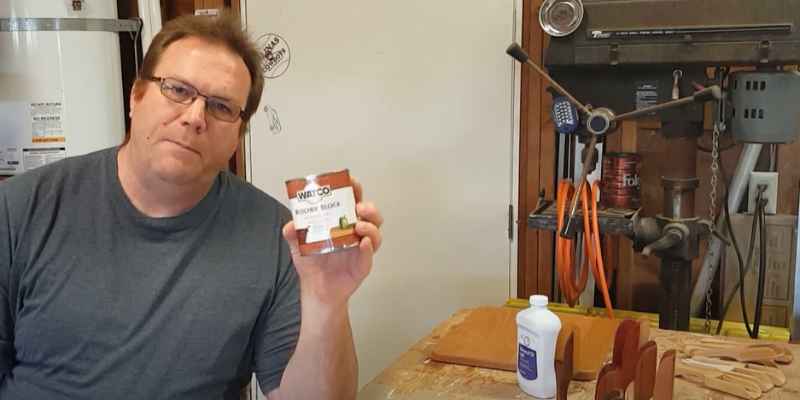
Comparing Watco Butcher Block Oil & Finish With Other Finishing Products
Watco Butcher Block Oil & Finish is formulated for wooden butcher blocks, cutting boards, salad bowls, and other food-safe items. Because it’s a tung oil-alkyd blend and not a pure oil, it behaves differently from mineral oil, butcher block conditioner, and pure tung oil — the sections below compare each. For a full side-by-side of finish types, see our butcher block finish options guide.
Mineral Oil vs Watco Butcher Block Oil & Finish
Mineral oil is a pure petroleum-derived oil — it never fully cures or hardens, it just sits in the wood grain and needs frequent reapplication (often monthly). Watco Butcher Block Oil & Finish is a different category of product: a tung oil-alkyd resin blend that actually cures into a light protective film over 72 hours. That means it lasts longer between coats than mineral oil, but it also means it needs real cure time before the surface is food-safe — mineral oil, by contrast, is food-safe as soon as it’s wiped dry since it never forms a film.
Butcher Block Conditioner vs Watco Butcher Block Oil & Finish
Butcher block conditioner is typically a mineral oil and beeswax blend — like mineral oil, it doesn’t cure, so it’s easy to reapply but wears off within weeks of regular use. Watco Butcher Block Oil & Finish’s cured film holds up longer between applications, though it takes 72 hours to reach full cure versus conditioner’s near-instant food-safe use.
Watco vs Waterlox
Waterlox is also a tung oil and phenolic resin varnish, so it’s a closer match to Watco’s chemistry than mineral oil is. Waterlox typically needs more coats and a longer recoat schedule to build its finish, while Watco’s alkyd resin is formulated to reach a usable, food-safe cure faster (72 hours versus Waterlox’s multi-day schedule per coat).
Tips And Tricks For Maintaining Wooden Surfaces
Once your surface is finished with Watco Butcher Block Oil & Finish, upkeep is straightforward — clean it correctly, reapply oil before the film wears thin, and watch for the signs it’s time to recoat.
Cleaning Wooden Surfaces
Clean with a mild soap and water solution, then dry with a clean cloth. Avoid soaking the wood or putting it in the dishwasher — standing water and dishwasher heat both damage the wood grain and can crack the surface. Skip harsh chemicals or abrasive cleaners that can scratch the finish.
Oiling The Surfaces For Long-lasting Protection
Apply the oil with a lint-free cloth or sponge, covering the entire surface evenly. Depending on use, plan to reapply every 3 to 6 months for a kitchen island or countertop that sees daily use, and less often for lower-use items like salad bowls.
When To Reapply Watco Butcher Block Oil & Finish
It’s time to reapply when the surface looks dry, faded, or stained. A quick test: drip a few drops of water on the surface — if it doesn’t bead up and soaks in quickly, the film has worn through and it’s time for another coat. Clean and dry the wood with mild soap and water before reapplying, and allow the full 72-hour cure again before using the surface for food.
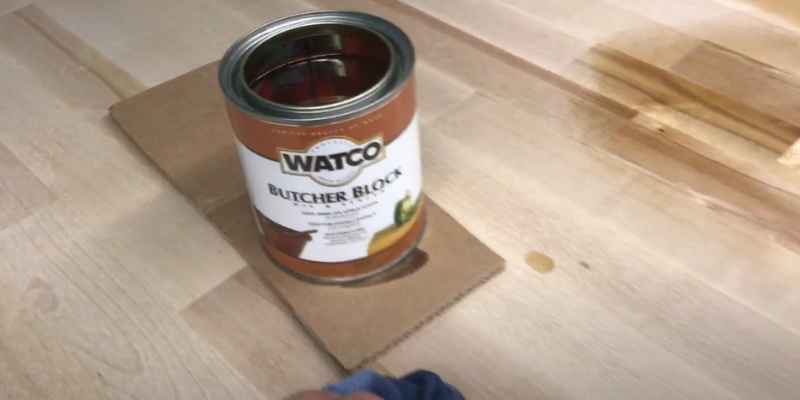
Frequently Asked Questions About Watco Butcher Block Oil & Finish
Is Watco Butcher Block Oil & Finish the Same As Mineral Oil?
No. Watco Butcher Block Oil & Finish is a tung oil-alkyd wiping varnish that cures into a thin protective film over 72 hours. Mineral oil is a pure petroleum oil that never cures — it just soaks into the wood and needs reapplying far more often. Both are food-safe once dry or cured, but they’re chemically different products with different maintenance schedules.
What Is The Best Oil Finish For Butcher Block?
For a durable, low-maintenance finish, Watco Butcher Block Oil & Finish or pure tung oil are both solid food-safe choices. Watco’s tung oil-alkyd blend cures faster (72 hours) than building up several coats of pure tung oil, which typically needs multiple applications over a few days. Mineral oil is the easiest to apply but needs monthly reapplication since it never cures into a film.
How Long Does Watco Butcher Block Oil & Finish Take To Dry?
It’s dry to the touch in about 2 hours and ready for a recoat after 6 hours, but it needs the full 72 hours to cure before the surface is food-safe under FDA rule 21 CFR 175.300. Don’t use the surface for food prep until that 72-hour window has passed.
What Is The Difference Between Watco And Waterlox?
Both are tung oil-based varnishes, so they’re chemically closer to each other than either is to mineral oil. Waterlox uses a phenolic resin and typically needs more coats and a longer build schedule, while Watco’s alkyd resin is formulated to reach a usable, food-safe cure in 72 hours.
What Is The Difference Between Butcher Block Conditioner And Butcher Block Oil?
Butcher block conditioner is usually a mineral oil and beeswax blend that never cures — easy to reapply, but it wears off within weeks. Watco Butcher Block Oil & Finish is a tung oil-alkyd blend that cures into a longer-lasting film, at the cost of a 72-hour wait before the surface is food-safe again.
Conclusion
Watco Butcher Block Oil & Finish is a solid choice for maintaining butcher blocks, cutting boards, salad bowls, and other food-safe wood items — but it’s worth knowing it’s a tung oil-alkyd wiping varnish rather than a mineral oil, because that changes both the durability and the cure time you should plan around.
If you want a longer-lasting film finish and don’t mind a 72-hour cure between coats, it’s a reliable pick. If you’d rather reapply more often with zero wait time, mineral oil or a conditioner blend may suit your routine better.
Sponsored / affiliate links. As an Amazon Associate I earn from qualifying purchases. I may earn additional commission from eligible campaigns.