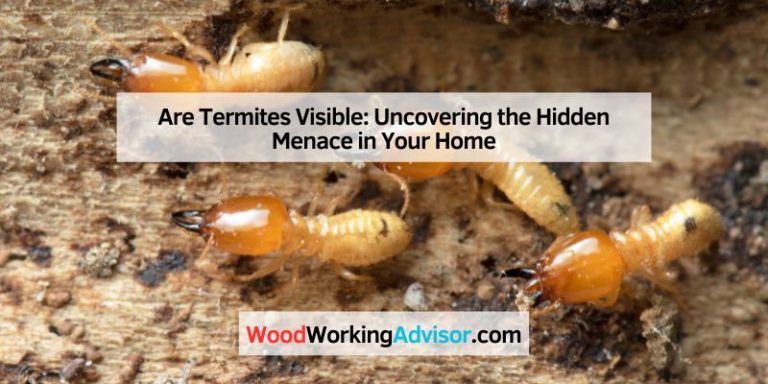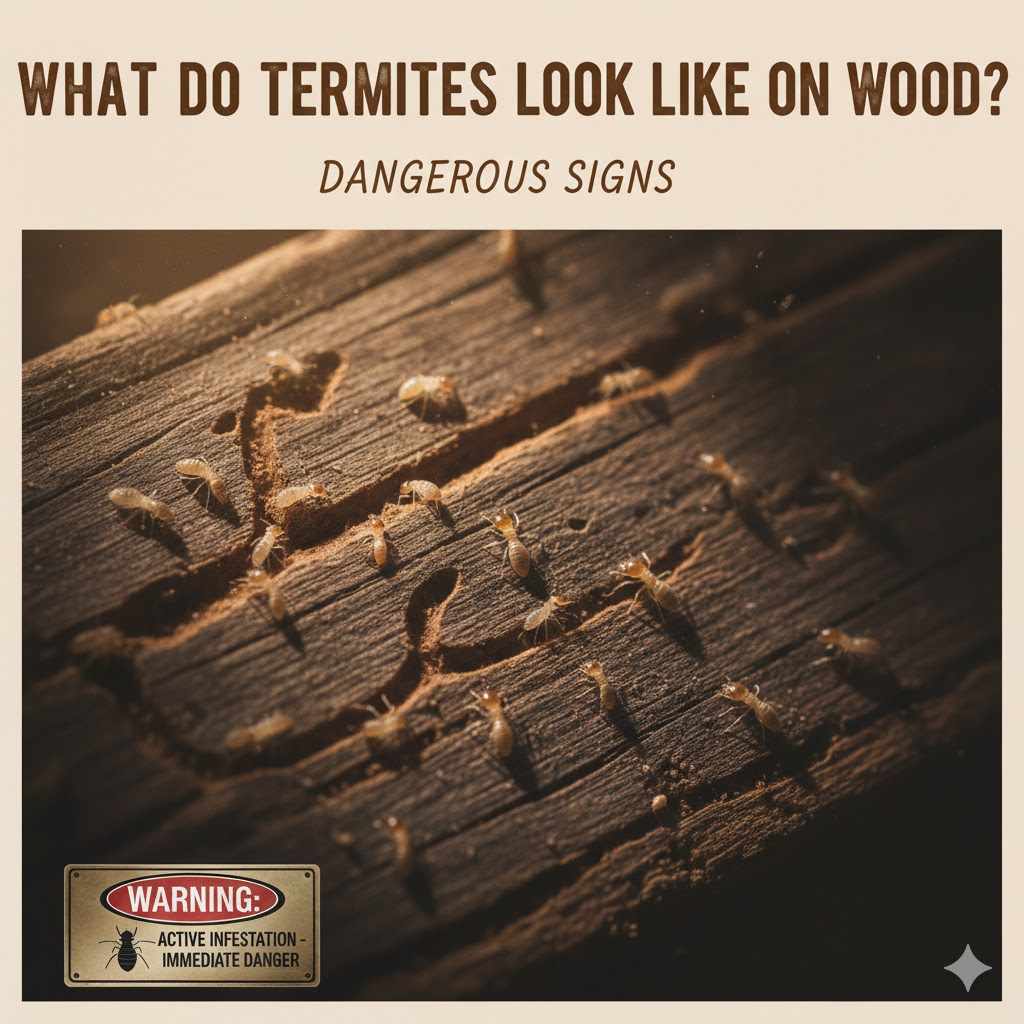
What Do Termites Look Like On Wood: Dangerous Signs
Termite damage on wood often looks like thin, grooved lines or hollowed-out channels running along the grain. The wood may appear blistered, papery, or sound hollow when tapped. You might also find tiny holes, sawdust-like droppings called frass, or muddy tubes on foundation walls leading to the wood, all signaling a dangerous infestation.
Hello, fellow wood enthusiasts! Md Meraj here, your friend in the workshop. There’s nothing better than the smell of sawdust and the satisfaction of a finished project. But there’s one thing that can turn our passion into a nightmare: termites. These tiny pests can silently destroy our beautiful work and even the structure of our homes.
It’s a frustrating problem, but don’t worry. Knowing what to look for is the first and most important step. Today, I’ll walk you through how to spot the signs of termites on wood, simply and clearly. Together, we’ll learn how to protect our craft and our homes.
Before we dive into the damage they cause, let’s quickly get to know the culprits. Termites are small, insect pests that feed on cellulose, the main component of wood and plant fiber. They are often called “silent destroyers” because they can chew through wood, flooring, and even wallpaper undetected for years. As woodworkers and homeowners, understanding what we’re up against is crucial for protecting our precious lumber and our homes.
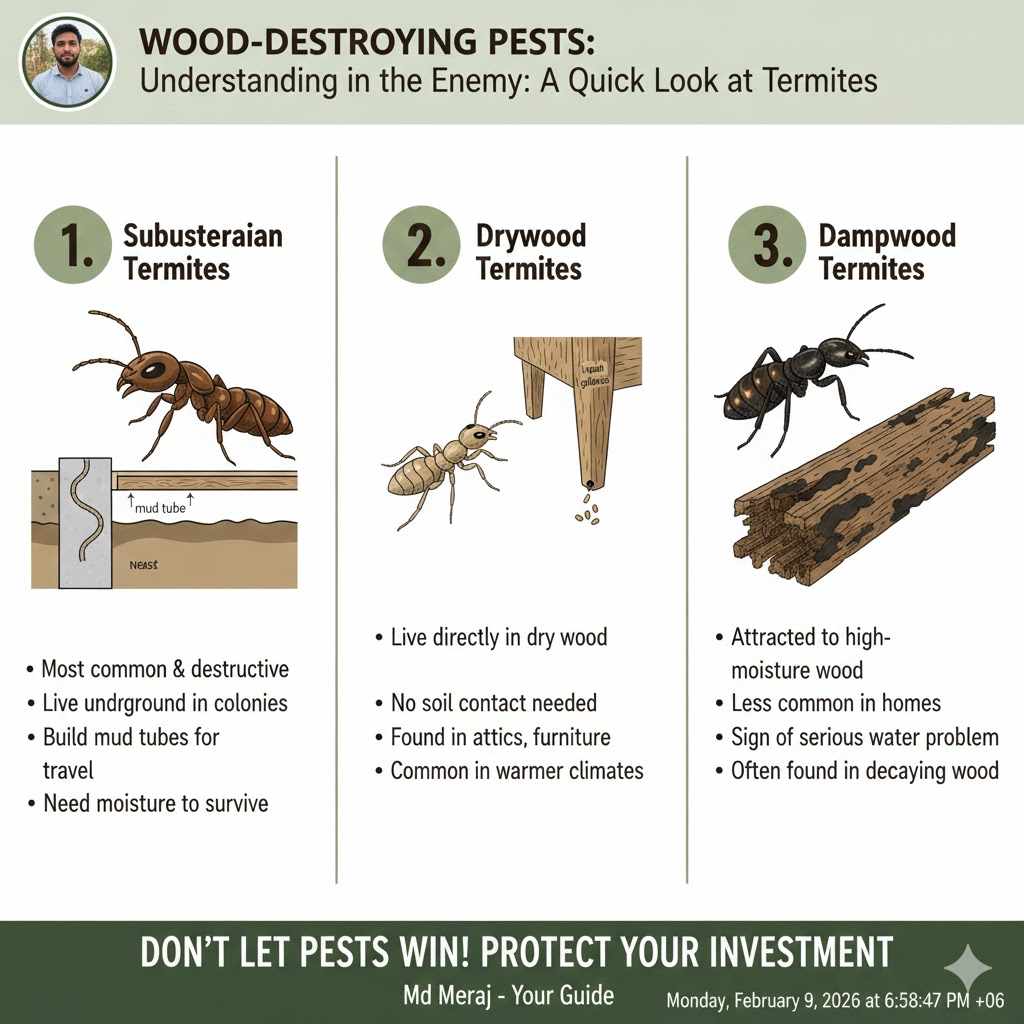
Understanding the Enemy: A Quick Look at Termites
Not all termites are the same. Knowing the basic types helps you understand the signs they leave behind. Think of it like knowing the difference between a handsaw and a miter saw—different tools for different jobs, and different pests with different habits.
- Subterranean Termites: These are the most common and most destructive type. They live underground in massive colonies and build mud tubes to travel from the soil to their food source (your house or workshop). They need moisture to survive.
- Drywood Termites: These termites live directly inside the dry wood they consume. They don’t need contact with soil or much moisture. You’ll often find them in attics, furniture, and structural timbers in warmer climates.
- Dampwood Termites: As their name suggests, these termites are attracted to wood with high moisture content, often wood that is decaying or has water damage. They are less common invaders of homes unless there is a serious moisture problem.
The Telltale Signs: What Termite Damage Looks Like on Wood
Okay, let’s get to the heart of it. How do you know if these unwelcome guests are making a meal out of your wood? Here are the most common signs you’ll see. Keep your eyes peeled for these clues in your workshop, garage, and home.
1. Hollow or Papery Wood
One of the most classic signs of termite damage is wood that looks fine on the outside but is weak on the inside. Termites eat wood from the inside out, leaving a very thin veneer of wood or just the paint.
- How to check: Gently tap or press on a wooden surface with the handle of a screwdriver. If it sounds hollow or papery, or if the screwdriver easily breaks through the surface, you likely have termites.
- What’s happening: Termites follow the grain of the wood, chewing through the softer springwood and leaving the harder summerwood grain behind. This creates a layered, hollowed-out effect that weakens the wood significantly.
2. Mud Tubes: The Termite Superhighway
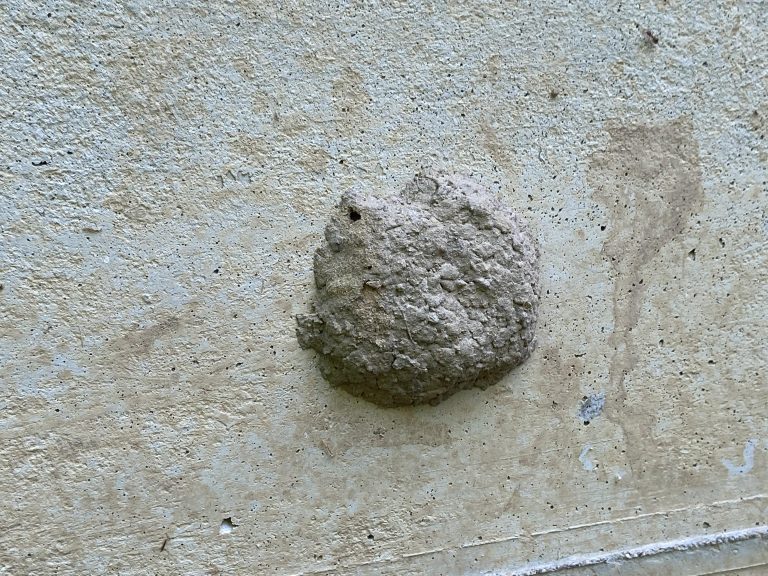
Mud tubes are a giveaway sign of subterranean termites. These are pencil-sized tunnels made of soil, wood, and termite saliva. Termites build them to protect themselves from predators and dry air as they travel between their underground colony and your wood supply.
- Where to look: Check the foundation of your house, both inside and out. Look along crawl spaces, support piers, sill plates, and floor joists. You might also see them coming up through cracks in concrete floors.
- What they mean: Seeing mud tubes is a definitive sign of an active subterranean termite infestation. Even old, dried-out tubes indicate that termites have been there before and could return. For more detailed images and information, the University of Maryland Extension provides excellent resources on termite identification.
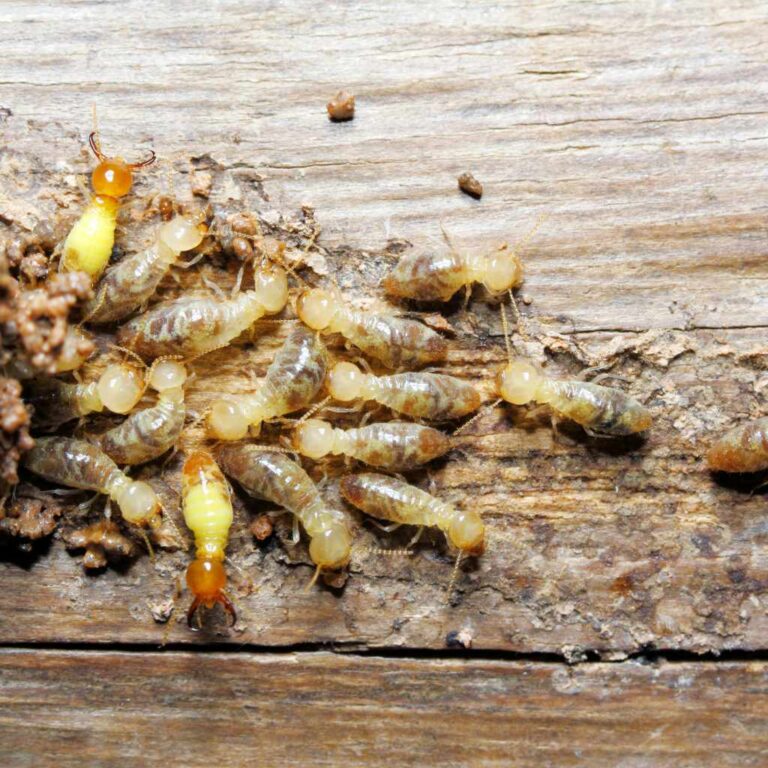
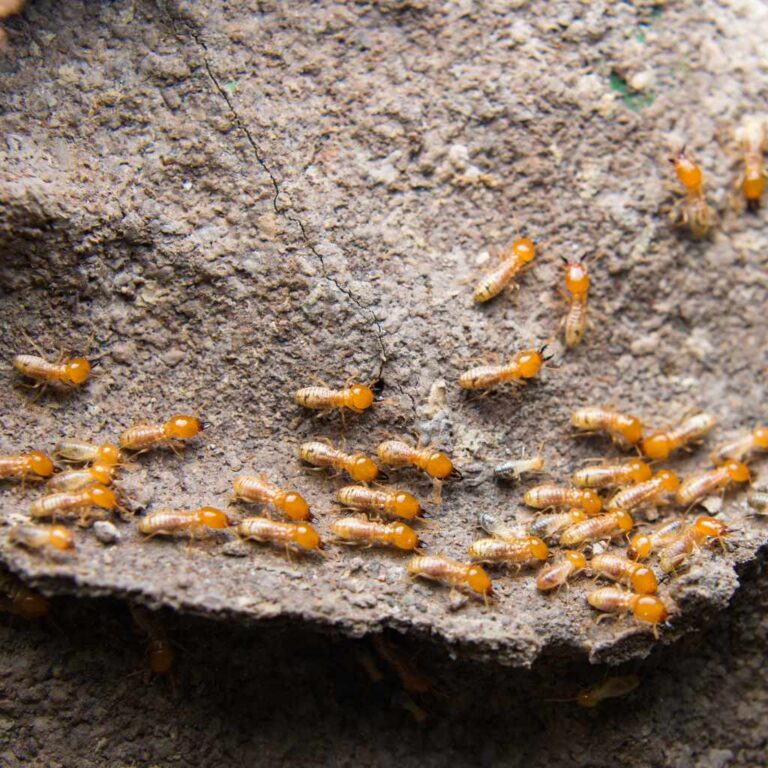
Breaking open a small section of a tube can tell you if it’s active. If you see small, creamy-white worker termites scrambling inside, you have a live infestation that needs immediate attention.
3. Tiny Holes and Tunnels (Galleries)
If you break open a piece of damaged wood, you’ll see the intricate network of tunnels, also known as “galleries,” that termites have carved out. These are not random paths; they typically follow the grain of the wood.
- What they look like: The galleries will be packed with soil, wood debris, and other materials subterranean termites use to maintain a humid environment. In contrast, drywood termite galleries are generally smooth and clean, with no soil inside.
- Exit holes: Drywood termites will create small, round “kick-out” holes to push their droppings (frass) out of the nest. These holes are tiny, about 1-2 mm in diameter, and can be hard to spot.
4. Frass (Termite Droppings)
This is a polite term for termite poop, and it’s a huge clue, especially for drywood termites. Unlike subterranean termites that use their feces to build tunnels, drywood termites like to keep their nests clean. They push their droppings out through those small kick-out holes.
- What to look for: Look for small piles of tiny, six-sided pellets. They might look like coarse sand, salt, or pepper. The color can vary depending on the wood they’ve been eating, from light tan to dark brown.
- Where to find it: Check on windowsills, baseboards, floors, or any flat surface directly below infested wood. Finding frass is a sure sign that drywood termites are busy working above.
5. Blistered or Bubbling Wood Surfaces
Sometimes, termite damage can resemble water damage. As termites tunnel just below the surface of the wood or behind drywall, their activity can cause the surface to bubble, blister, or even peel. The paint might look uneven or cracked for no apparent reason.
- Why it happens: The moisture termites produce and the thinness of the remaining surface cause the outer layer to distort. This sign is often found on baseboards, window frames, door frames, and wall surfaces.
- Distinguishing from water damage: Termite damage may feel soft in spots but will often have the hollowed-out galleries beneath the surface. Water damage tends to be more widespread, feel spongy, and may be accompanied by mold or a musty smell.
6. Discarded Wings
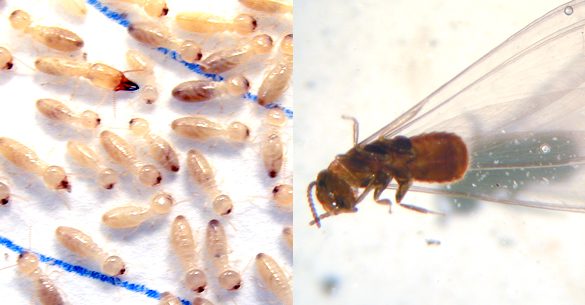
You might not see the termites themselves, but you may see evidence of their reproductive cycle. Once a year, mature termite colonies produce winged swarmers (alates) that fly off to start new colonies. After a short flight, they land, twist off their wings, and find a mate.
- What they look like: You’ll find piles of identical wings, all the same size and shape. They look like tiny fish scales and are often found on windowsills, in spiderwebs, or on decks and patios.
- What it means: Finding a swarm of insects or their discarded wings indoors is a sure sign of a nearby, mature termite colony. It’s a serious warning that an infestation is well-established.
Is It Termites or Something Else? Comparing Common Wood Pests
It’s easy to confuse termite damage with damage from other wood-boring pests. As a woodworker, knowing the difference is key to taking the right action. Here’s a quick comparison table to help you out.
| Pest | Sign on Wood | Droppings (Frass) | Other Clues |
|---|---|---|---|
| Subterranean Termites | Hollowed-out wood with tunnels containing mud/soil. Follows the grain. Wood looks wavy or rippled. | Not visible; used to build mud tubes. | Mud tubes on foundation walls or joists. |
| Drywood Termites | Smooth, clean tunnels inside wood, often cutting across the grain. Small “kick-out” holes. | Small, hard, six-sided pellets in piles. Color varies with wood. | Piles of discarded wings, all the same size. |
| Carpenter Ants | Smooth, clean tunnels with a “sandpapered” feel. No mud. Often have small slit-like openings. | Coarse sawdust-like shavings (frass) mixed with insect parts. Piles are found below nests. | Forage for food in kitchens. Large, black ants are often visible. |
| Powderpost Beetles | Many tiny, round “shot holes” on the wood surface (1/16 to 1/8 inch). | Very fine, flour-like powder (frass) found in small piles near holes. Feels gritty. | Primarily attack unfinished hardwoods like oak, ash, and walnut. |
| Carpenter Bees | Perfectly round, large entrance holes (about 1/2 inch) in unfinished wood, like eaves or decks. | Coarse sawdust pushed out of the hole; may have yellow staining around the entrance. | Large bees hovering near the holes, especially in spring. |
Your Action Plan: What to Do If You Suspect Termites
Finding signs of termites can be alarming, but acting quickly and methodically is your best defense. Don’t try to handle a full-blown infestation yourself; this is a job for professionals. Here’s a simple plan to follow.
- Don’t Panic, Investigate Further: Your first instinct might be to spray a can of bug killer, but that won’t solve the problem and may even make it harder for a professional to assess the situation. Take a deep breath and start by confirming your suspicions. Look for multiple signs.
- Document Everything: Grab your phone and take clear pictures of any suspicious signs—the damaged wood, mud tubes, frass, or wings. Write down where you found them. This information will be incredibly valuable when you call for professional help.
- Perform a “Screwdriver Test”: Carefully take a screwdriver and gently tap along baseboards, window frames, and structural beams you suspect are damaged. Listen for a hollow sound. You can also gently probe any soft or discolored spots to see if the wood gives way easily.
- Identify the Termite Type (If Possible): Based on the signs, try to make a preliminary identification. Are you seeing mud tubes (subterranean) or frass pellets (drywood)? This will help you communicate the problem more clearly to a pest control expert.
- Call a Licensed Professional: Termite colonies are complex and hidden, and consumer-grade products are not effective for eliminating them. You need to contact a reputable, licensed pest control company. They have the training, equipment, and materials to properly diagnose the extent of the infestation and recommend an effective treatment plan. The Environmental Protection Agency (EPA) offers excellent guidance on how to choose a pest control professional.
Protecting Your Workshop and Wood Supply: Prevention is Key
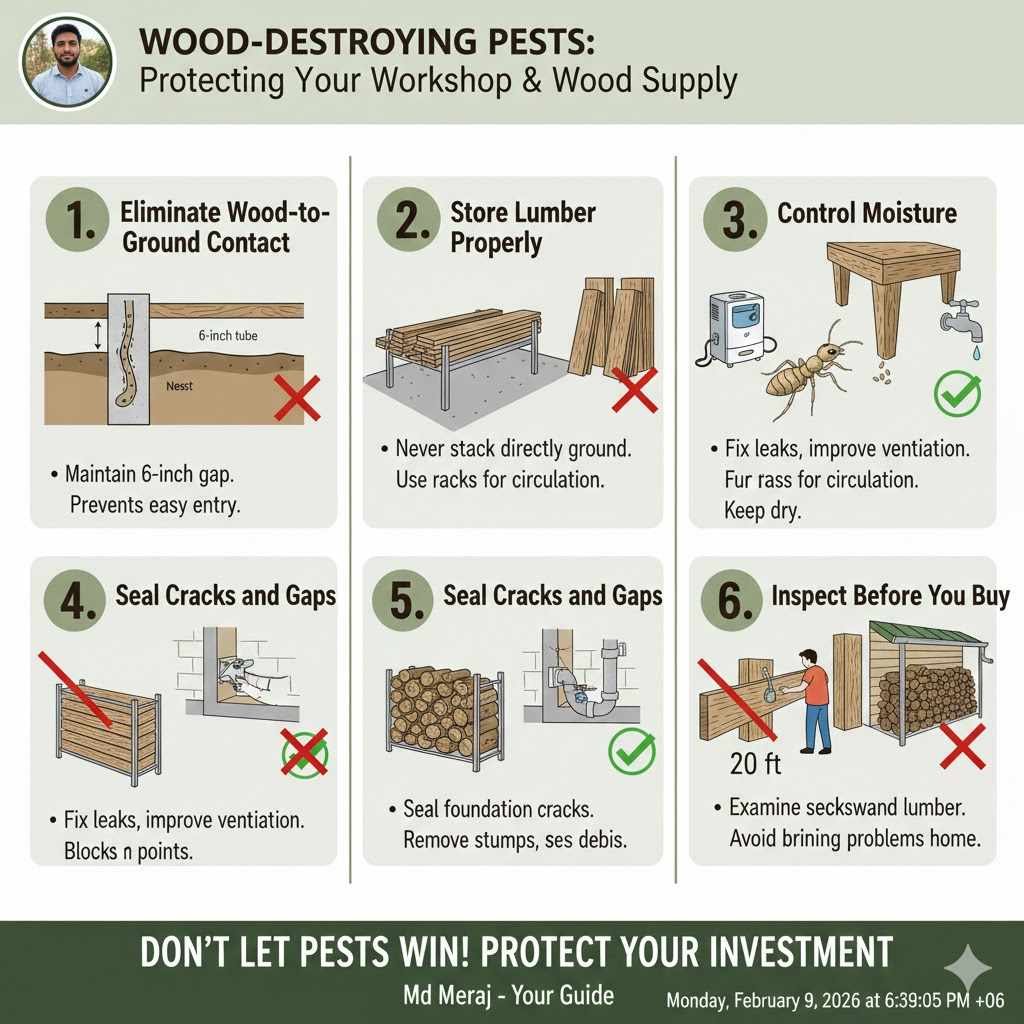
As the old saying goes, an ounce of prevention is worth a pound of cure. This is especially true with termites. Protecting your home and your precious wood supply is an ongoing effort. Here are some simple, practical steps every woodworker should take.
- Eliminate Wood-to-Ground Contact: Any wood touching the ground is a direct invitation for subterranean termites. Ensure there is at least a 6-inch gap between any wood siding or structural members and the soil.
- Store Lumber Properly: Never stack your project wood directly on the ground, especially in a garage or shed with a concrete slab floor. Use racks to keep it elevated and allow for air circulation.
- Control Moisture: Termites need moisture. Regularly check for and fix any leaks in your roof, plumbing, or gutters. Ensure your workshop and crawl spaces are dry and well-ventilated. A simple dehumidifier can make a huge difference in damp basements.
- Seal Cracks and Gaps: Seal any cracks in your home’s foundation and around utility pipes or lines where they enter the house. This closes off potential entry points for termites.
- Keep Firewood and Debris Away: Stack firewood at least 20 feet away from your house and raise it off the ground. Remove any dead stumps, old construction lumber, or other wood debris from your yard.
- Inspect Before You Buy: When buying reclaimed or secondhand lumber, inspect it carefully for any of the signs we’ve discussed before bringing it into your workshop. You don’t want to bring home a problem.
Frequently Asked Questions About Termite Damage
1. Can I treat a termite problem myself?
For a very small, isolated issue (like a single piece of infested furniture), you might be able to handle it. However, for termites in the structure of your home or workshop, DIY treatments are rarely successful. Colonies can contain hundreds of thousands of termites, and if you don’t eliminate the queen, they will come back. It is always best to call a licensed professional.
2. What’s the difference between termite damage and water damage?
Termite damage often consists of tunnels and galleries inside the wood, making it sound hollow. You might also find mud tubes or frass. Water damage typically causes wood to swell, feel spongy, and darken uniformly. It is also often accompanied by mold, mildew, and a musty smell.
3. Do termites make any noise?
Surprisingly, yes! If you have a large infestation and the area is very quiet, you might hear a faint clicking or rustling sound coming from inside the walls. This is the sound of soldier termites tapping their heads to warn the colony of danger or the munching sound of worker termites eating.
4. How fast can termites destroy wood?
The speed depends on the size of the colony, the type of termite, and environmental conditions. A large, mature subterranean termite colony can eat through a 2×4 stud in a matter of months under ideal conditions. While they won’t destroy a house overnight, the damage is progressive and can become severe if left untreated for years.
5. Will termites eat pressure-treated wood?
Pressure-treated wood is infused with chemicals that make it resistant to termites and rot. While termites are far less likely to attack it, they may still chew through it to get to untreated wood behind or above it. Also, the chemical protection can weaken over time, especially if the wood is cut or damaged, exposing the untreated interior.
6. Are flying ants and termite swarmers the same thing?
No, they are different, but they look similar. Termite swarmers have two pairs of wings that are equal in length and straight antennae. Flying ants have two pairs of wings of unequal length (front wings are longer than back wings) and bent or “elbowed” antennae. Termites also have a broad waist, while ants have a pinched waist.
7. Can you save wood that has termite damage?
It depends on the extent of the damage. If the damage is purely cosmetic and the wood’s structural integrity is still intact, you may be able to repair it with wood hardeners and fillers after the termite infestation has been professionally eliminated. However, if the wood is part of your home’s structure (like a floor joist or support beam) and is heavily damaged, it must be replaced by a qualified contractor.
Your Woodworking Ally: Knowledge and Action
Spotting the signs of termites on wood can be disheartening, but I hope this guide gives you the confidence to know exactly what to look for. Your keen eye is the first line of defense in protecting your home, your workshop, and the beautiful projects you pour your heart into. Remember, the key is early detection and swift action.
Don’t let the fear of these tiny destroyers take away from your love of woodworking. By being observant, knowing the signs, and understanding when to call in the experts, you can ensure your creations and your space remain safe, sound, and ready for your next project. Keep your tools sharp, your workshop clean, and your eyes open. Happy building!