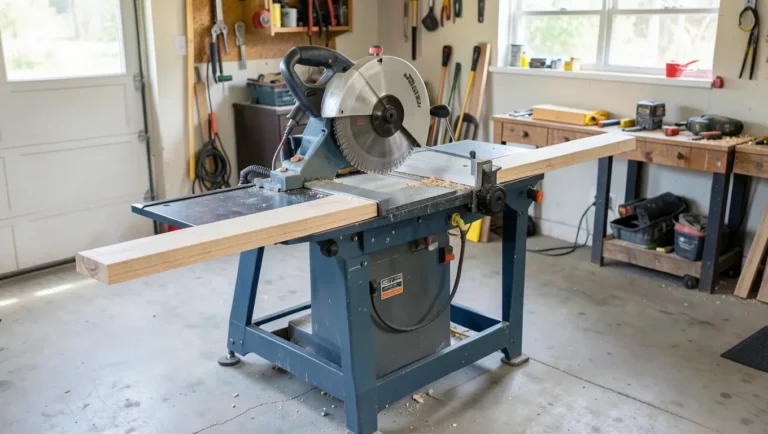
Two Tyrannosaurus Table Saw: The Meme Explained (It’s Not Real)
“Two Tyrannosaurus Table Saw” is not a real tool, brand, or woodworking term — it comes from a 2019 viral image that some viewers swore showed two T-Rexes fighting over a table saw, while others saw a peaceful Nativity manger scene. No manufacturer has ever made a saw shaped like or named after a dinosaur. This guide explains where the phrase actually comes from, then covers something genuinely useful: why table saws lose cutting power, and how to fix it.
Where “Two Tyrannosaurus Table Saw” Actually Comes From
Best Table Saw Blade Pick
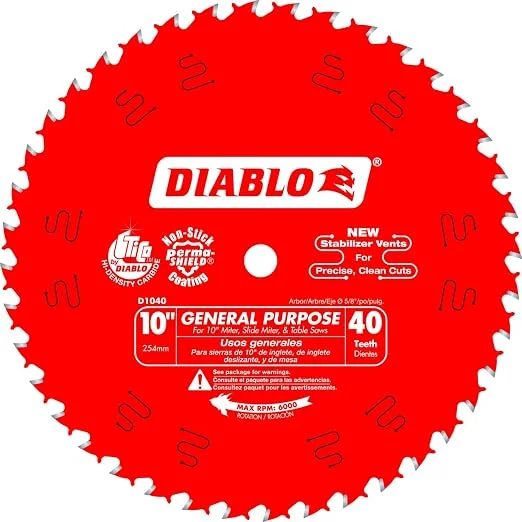 |
Diablo D1040X 10" 40-Tooth General Purpose Blade – $31.47 A sharp, fresh combination blade is the fastest fix for a saw that suddenly feels underpowered or bogs down mid-cut — the exact issue this guide walks through below.
|
In mid-2019, an ambiguous carved or illustrated image spread across Reddit and Twitter with a caption asking viewers what they saw: a calm Nativity manger scene, or two Tyrannosaurus rexes locked in a fight over what looked like a circular saw or table saw sitting between them. It’s a classic pareidolia illusion — the same effect behind seeing faces in clouds — where ambiguous shapes get interpreted two completely different ways depending on what your brain latches onto first.
The joke traveled far enough that “two T-Rex fighting over a table saw” became its own small meme format, referenced on sites like Know Your Meme and in a handful of blog posts dissecting the illusion. Somewhere in that chain, the phrase got picked up by an automated content tool with no actual image or context attached to it, and “explained” as if it were a real woodworking concept — which is why a search for it sometimes turns up nonsense pages instead of the meme’s actual origin.
📊 There is no dinosaur-branded table saw and no established woodworking term matching this phrase — it traces to a 2019 optical-illusion meme, not a product or technique.
The Real Question Worth Answering: Why Table Saws Lose Power
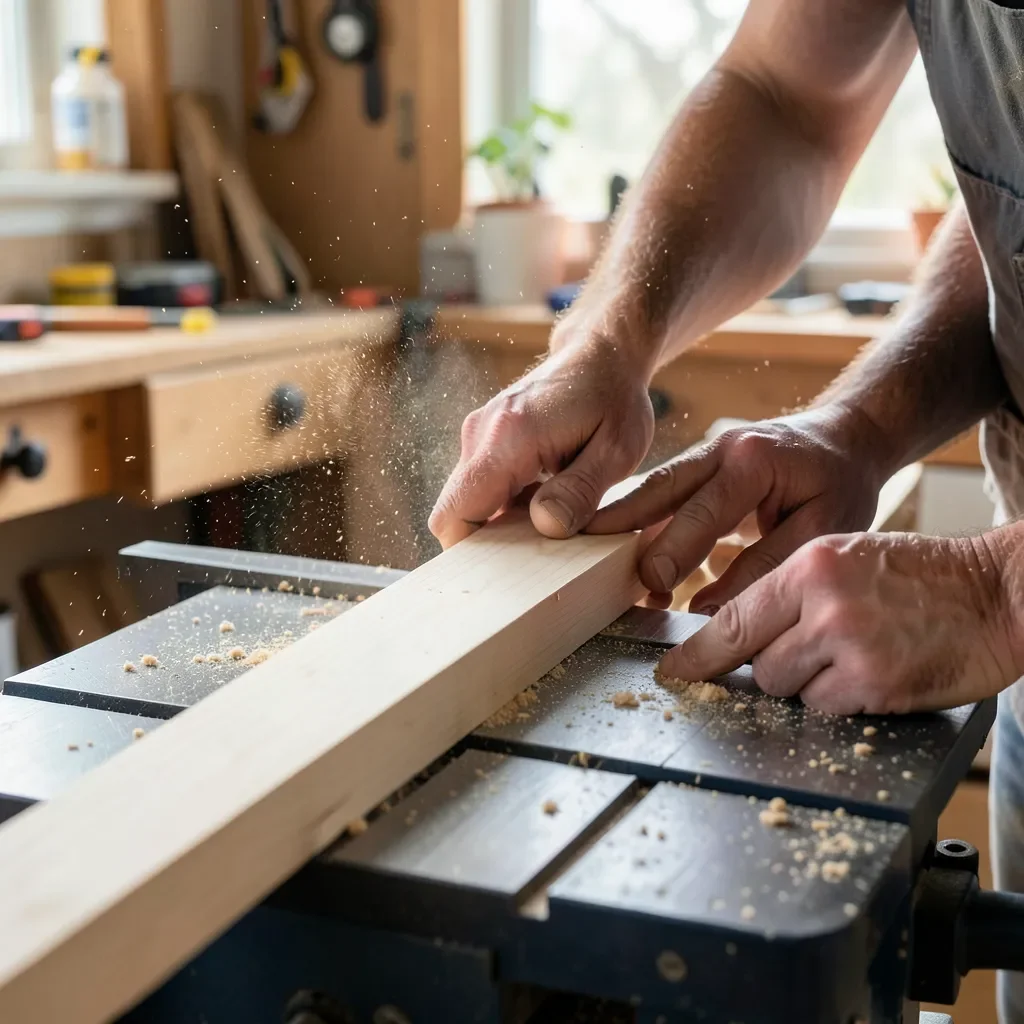
Since the meme’s whole joke rests on the idea of two enormous prehistoric predators overpowering a saw, there’s a genuinely useful woodworking question hiding underneath it: table saws really do get “overpowered” and bog down mid-cut, and it’s rarely the motor’s fault. If your saw stalls, slows noticeably, or trips its breaker partway through a rip cut, one of the following is almost always the cause.
A Dull or Wrong Blade Is the #1 Cause
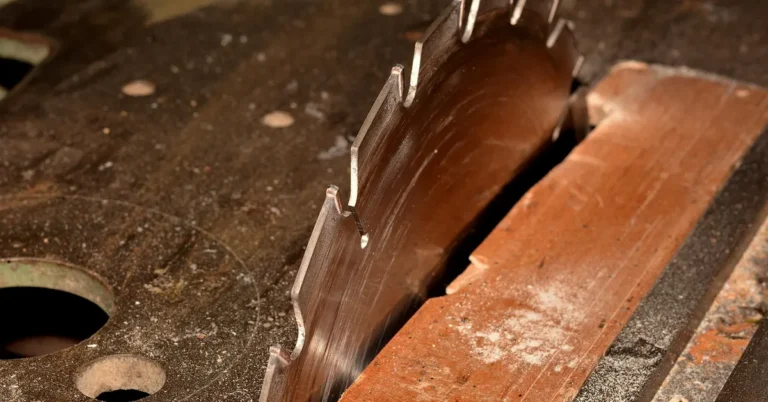
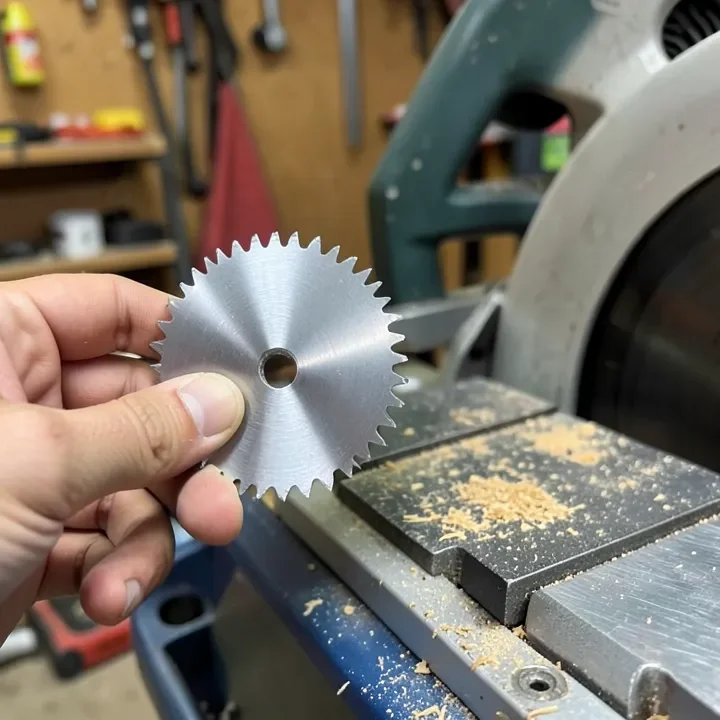
A dull blade doesn’t just cut worse — it forces the motor to work several times harder to push through the same wood, which is what causes bogging, burning, and stalling that looks like an underpowered motor. A blade with pitch and resin buildup behaves the same way as a dull one, even if the teeth are technically still sharp. Swapping in a clean, sharp combination blade is the single highest-return fix, and it’s usually cheaper than any motor or wiring troubleshooting.
Extension Cord Gauge and Voltage Drop
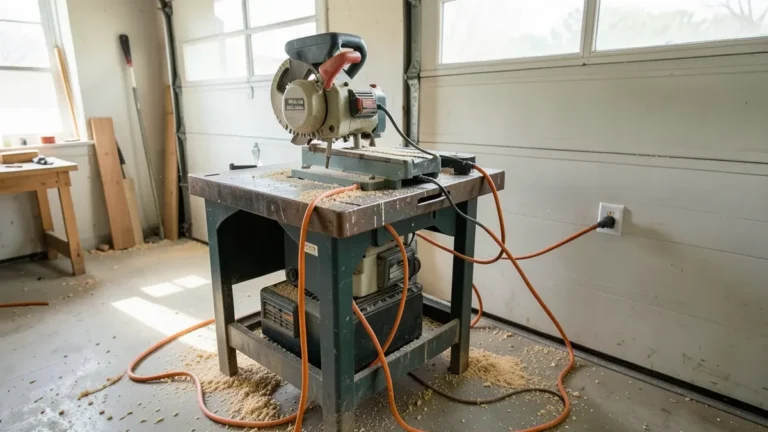
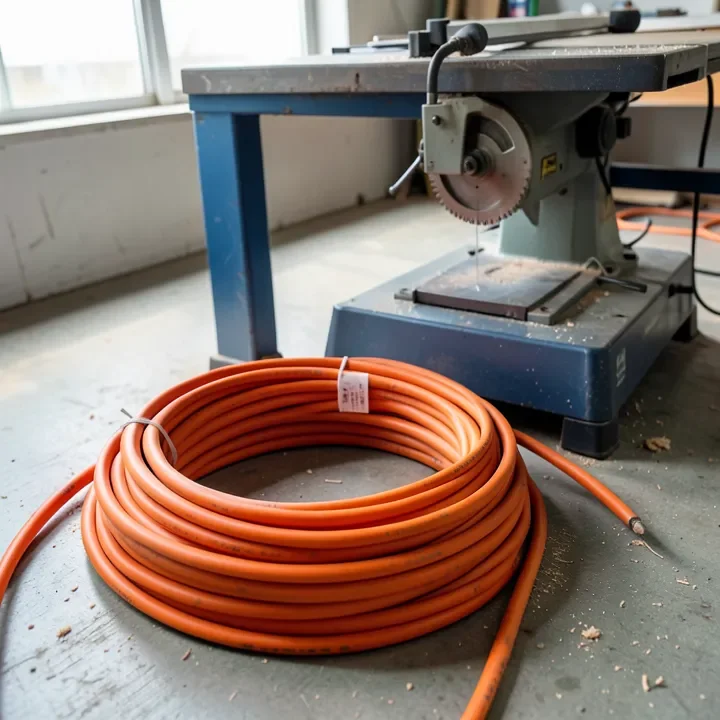
A long or thin extension cord causes voltage to drop before it reaches the saw’s motor, and a motor running on low voltage draws more amps to compensate — which is exactly what makes a saw feel weak and prone to stalling under load. As a rule of thumb: use at least a 12-gauge cord for runs up to 50 feet on a 15-amp table saw, and 10-gauge beyond that. A cheap 16-gauge cord from a hardware store bargain bin is a common, overlooked cause of a saw that “used to run fine.”
- Feeding too fast: Pushing wood faster than the blade can clear sawdust forces the motor to fight resistance instead of cutting cleanly.
- Blade set too high: A blade raised much higher than needed increases the amount of tooth-to-wood contact and friction per pass.
- Belt slippage (belt-drive saws): A worn or loose drive belt slips under load, which feels identical to a weak motor even though the motor itself is fine.
- Wrong blade for the material: A high-tooth-count finish blade struggles and bogs on thick rip cuts it wasn’t designed for; a low-tooth-count ripping blade tears rough on thin crosscuts.
Is 1.5 HP Actually Enough for a Table Saw?
Yes, for most hobbyist work — 1.5 HP jobsite saws handle plywood, standard lumber, and most crosscuts without issue. Where horsepower actually starts to matter is ripping thick hardwood (8/4 oak, hard maple) or running a stacked dado set, both of which demand sustained torque rather than a quick burst of power. For a detailed breakdown of when the extra motor size is worth it, see our 1.75 HP vs. 3 HP comparison.
Before assuming a saw is underpowered, though, rule out the cheaper culprits first: a fresh properly supported feed and a sharp blade solve the vast majority of “my saw feels weak” complaints without spending a dollar on a new motor. The same logic applies to bevel cuts, where the blade is already fighting more resistance at an angle — a dull blade makes that resistance far worse.
Frequently Asked Questions
Is there really a table saw named after a Tyrannosaurus?
No. No tool manufacturer has ever produced a dinosaur-branded or dinosaur-shaped table saw. The phrase comes from a 2019 viral optical-illusion image that different viewers interpreted as either a Nativity scene or two T-Rexes fighting over a saw-shaped object.
Why does my table saw bog down when cutting?
Almost always a dull or resin-coated blade, a thin extension cord causing voltage drop, or feeding the wood faster than the blade can clear sawdust. True motor failure is far less common than these three causes and is usually the last thing to check, not the first.
Can a dull blade cause a table saw to stall or trip a breaker?
Yes. A dull blade multiplies the force needed to push through wood, which spikes the motor’s amp draw well above its rated load. That spike is what trips a breaker or bogs the motor down, even on a saw with plenty of rated horsepower.
Is 1.5 HP enough for a table saw?
For plywood, standard lumber, and most crosscuts, yes. It becomes marginal for ripping thick hardwood or running a stacked dado set, both of which need sustained torque rather than brief bursts of power.
What gauge extension cord should I use with a table saw?
At least 12-gauge for runs up to 50 feet on a 15-amp table saw, and 10-gauge for longer runs. A thinner cord causes voltage drop that makes the motor draw more amps and feel underpowered, even when nothing is mechanically wrong with the saw.
Bottom Line
“Two Tyrannosaurus Table Saw” is internet folklore, not a woodworking term — there’s no product to buy and nothing to decode. But the underlying frustration behind a lot of searches like it is real: a table saw that suddenly feels weak almost always traces back to a dull blade, a thin extension cord, or an overly aggressive feed rate, not an underpowered motor.
Sponsored / affiliate links. As an Amazon Associate I earn from qualifying purchases. I may earn additional commission from eligible campaigns.