What Does Pecan Wood Look Like? (Color, Grain & Hardness)
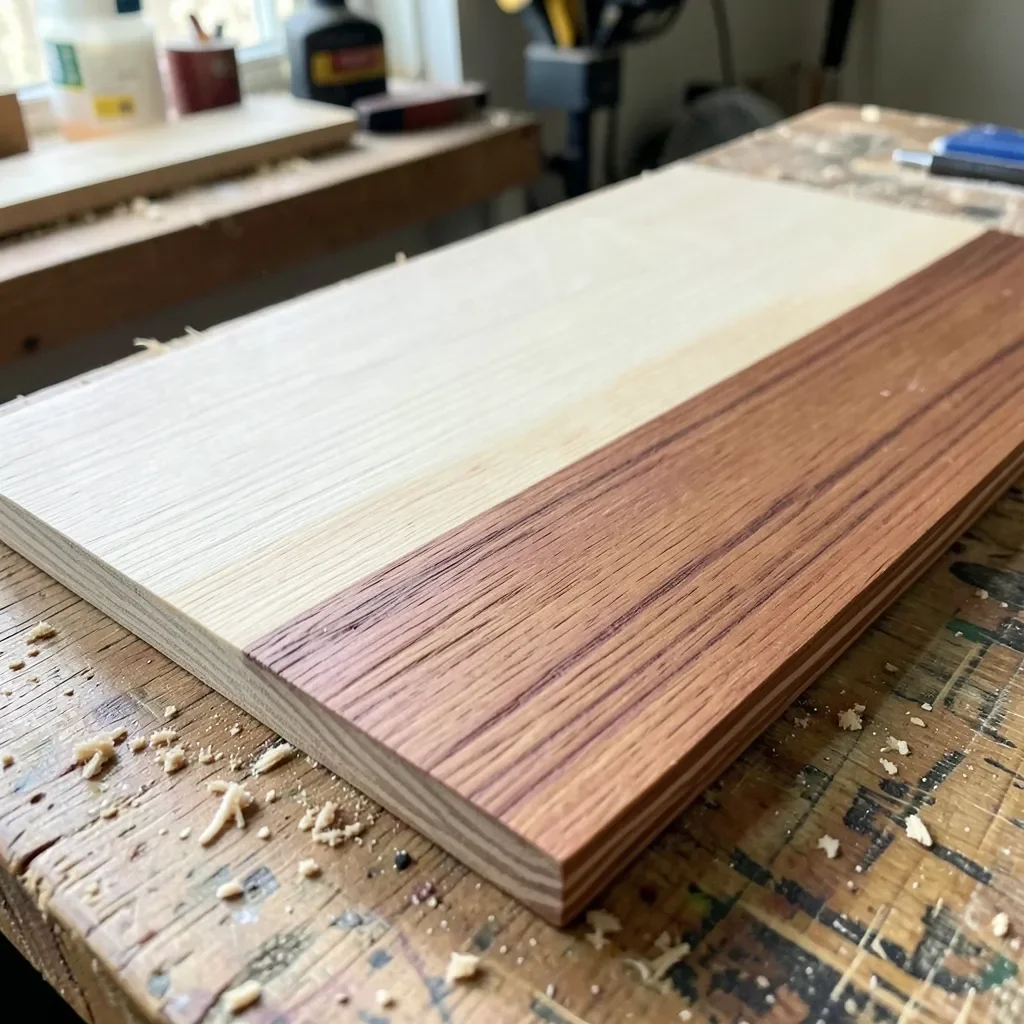
Pecan wood shows pale yellow-white sapwood right next to reddish-brown heartwood in the same board — normal, since pecan (Carya illinoinensis) is a true hickory, not its own species. That contrast turns blotchy under oil-based stain because pecan’s open grain absorbs finish unevenly, the same problem pine has. This guide covers pecan’s real color range, how it compares to hickory and walnut, its 1,820 lbf Janka hardness, and how to finish it for even color.
The Real Color of Pecan Wood: Heartwood vs. Sapwood
Best Pecan Finishing Pick
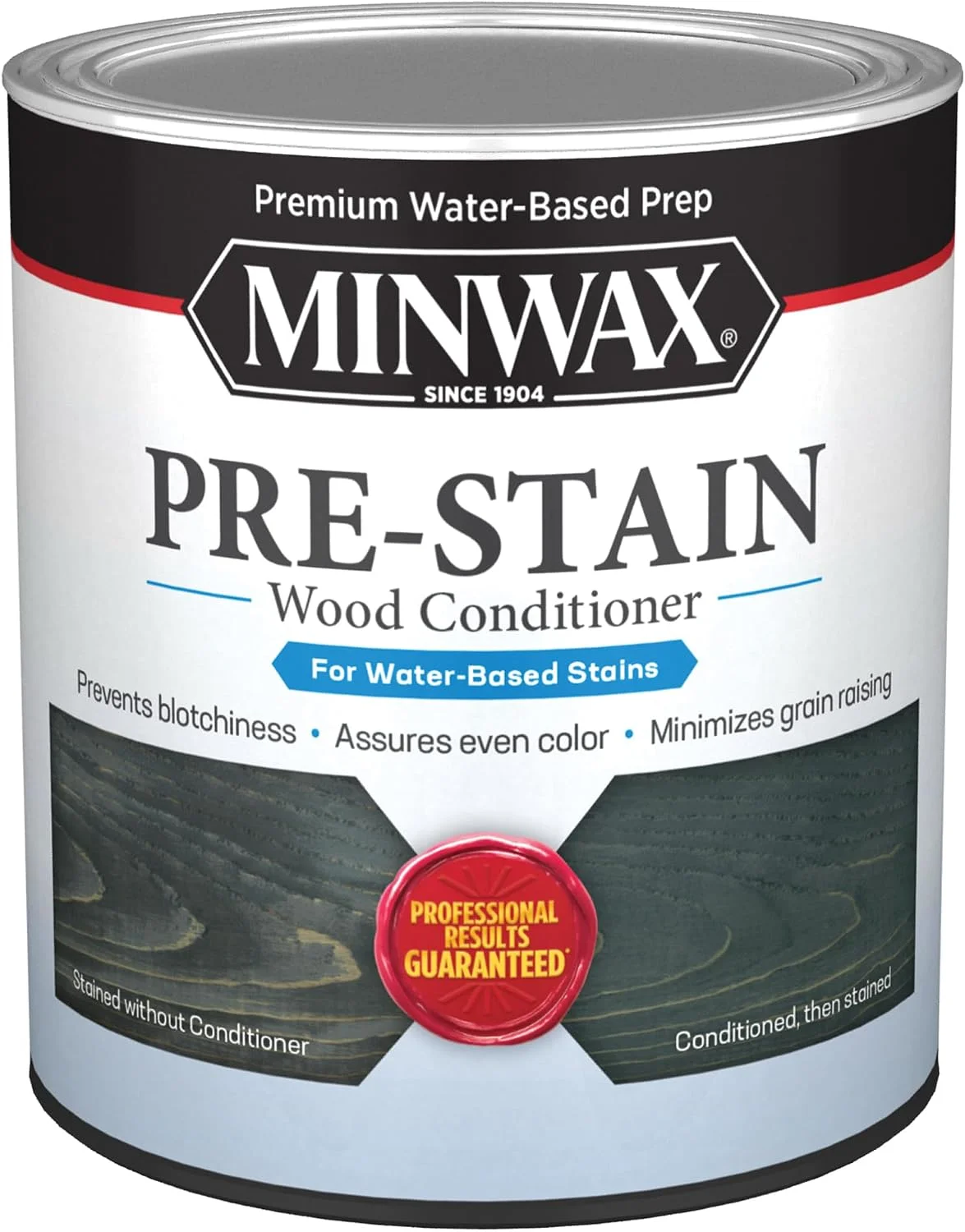 |
Minwax Water-Based Pre-Stain Wood Conditioner (1 Qt) – $18.48 Pecan’s open grain absorbs stain unevenly — the same blotching problem pine has. This water-based conditioner penetrates the grain first so color goes on even across both the pale sapwood and the reddish heartwood described above.
|
Pecan is a hardwood in the hickory genus (Carya) that grows pale cream-to-yellowish sapwood around a heartwood that runs light tan to reddish-brown, often streaked with gold or gray-brown. That two-tone contrast — not one single “pecan color” — is what actually gives the wood its rustic look.
How light or dark a board looks depends almost entirely on how much heartwood versus sapwood it contains. A board cut mostly from sapwood reads almost blonde; one cut deep into the heartwood reads warm reddish-brown. Mills don’t sort for this, so if you’re buying boards for one project, lay them out side by side first — grabbing pieces at random is the most common reason a finished pecan project looks patchy instead of intentional.
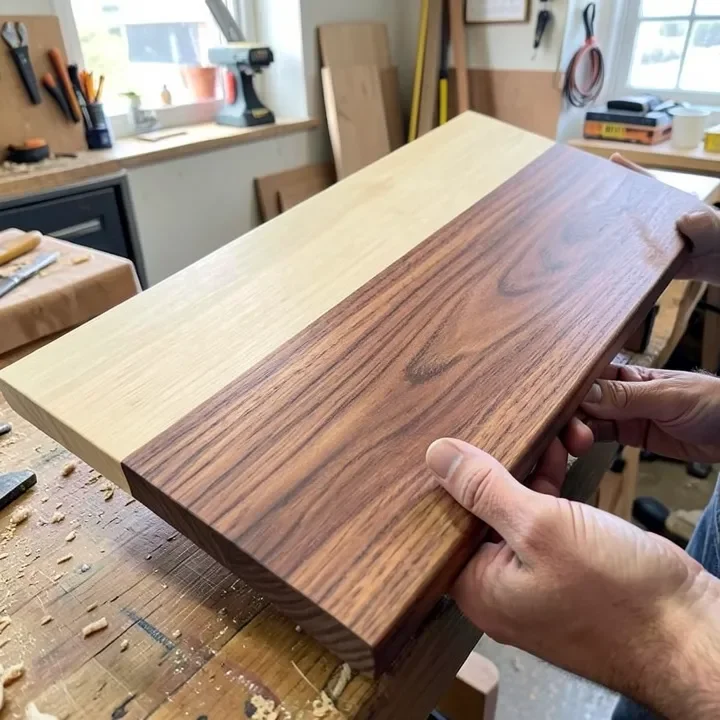
That sapwood/heartwood contrast is also the main reason finished pecan pieces can look uneven even when the boards themselves are fine — conditioning the wood before staining (below) helps close that gap.
Grain Pattern and Texture
Pecan’s grain runs mostly straight, with occasional waviness. It’s an open, porous wood with a medium texture and low natural luster — it doesn’t have the glassy sheen of a tight-grained wood like maple. Pin knots and small burls show up regularly, giving many boards a “pecky” character that some buyers pay a premium for and others sand out entirely.
Pecan Wood vs. Hickory and Walnut
Pecan technically is a hickory — it’s in the same Carya genus as shagbark and other true hickories, which is why it shares their toughness and shock resistance. What sets it apart visually is that two-tone heartwood/sapwood contrast described above. Walnut, by comparison, grows a much more uniform chocolate-brown heartwood with a tighter, closed grain and almost no sapwood contrast once it’s steamed. For a full side-by-side on color, hardness, and price, see our walnut vs. pecan comparison.
How Hard Is Pecan Wood? (Janka Rating and Workability)
Pecan has a Janka hardness rating of about 1,820 lbf, with a specific gravity around 0.60–0.66 and an average density near 46 lb/ft³. That makes it noticeably harder than red oak (1,290 lbf) and puts it solidly in the same range as other true hickories — hard enough for flooring and tool handles, but hard enough to dull blades faster than a softer wood too.
📊 Pecan’s Janka hardness rating is about 1,820 lbf — Source: The Wood Database, Pecan
Sharp carbide-tipped blades and bits matter more on pecan than on softer domestic hardwoods — dull tooling is the most common cause of the burning and tear-out woodworkers report when cutting it. Once machined, it glues and finishes normally.
Why Pecan Wood Blotches When Stained (and How to Prevent It)
Pecan’s open, porous grain absorbs oil-based stain the way pine does — unevenly, which shows up as gray, blotchy patches instead of a clean color. Boards that were dried too fast or stored green are especially prone to it. Woodworking forums consistently report two fixes: switch to a water-based dye stain instead of an oil-based pigment stain, or condition the wood first so it accepts color evenly.
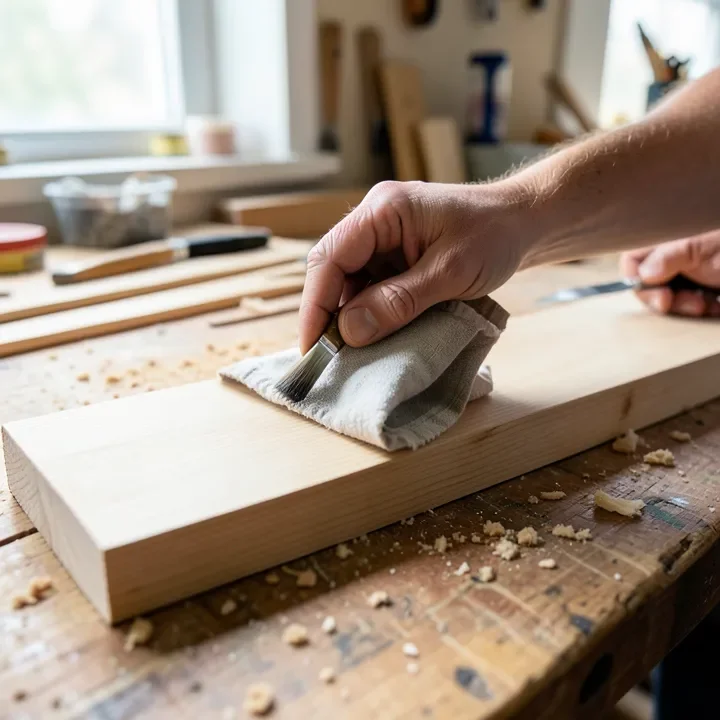
“Water popping” — wiping the bare, sanded surface with a damp (not soaking) cloth of hot water before staining — is another technique finishers use on pecan specifically to open the grain evenly ahead of a water-based dye. Whichever method you choose, always test on an offcut from the same board first, since color absorption varies with how much heartwood is in that particular piece.
Common Uses for Pecan Wood
- Furniture: dining tables, chairs, and cabinetry, where the heartwood/sapwood contrast reads as intentional rustic character rather than a defect.
- Flooring: pecan’s 1,820 lbf hardness holds up to daily foot traffic about as well as hickory flooring does.
- Tool handles and butcher blocks: its shock resistance (shared with other hickories) suits parts that take repeated impact.
- Turned items and cutting boards: the open grain takes food-safe mineral oil finishes well once sanded smooth.
Pecan is also a well-known smoking wood in its own right — if that’s what brought you here rather than woodworking, see our guide on using pecan wood for smoking.
Frequently Asked Questions
How can you tell if wood is pecan?
Look for pale cream sapwood sitting right next to light tan-to-reddish-brown heartwood in the same board, with mostly straight grain and occasional pin knots. That sharp two-tone contrast, combined with a moderately heavy, dense feel, is the clearest giveaway that a board is pecan rather than a single-tone hardwood like walnut or cherry.
What does pecan lumber look like?
Milled pecan lumber shows the same pale sapwood/reddish-brown heartwood contrast as the standing tree, plus a visible open grain and occasional knots. Kiln-dried boards sold for furniture are usually selected to show more heartwood, since that’s the tone most buyers expect from “pecan” pieces.
Is pecan wood good for anything?
Yes — pecan’s 1,820 lbf Janka hardness and shock resistance make it a solid choice for furniture, flooring, tool handles, and butcher blocks, and it’s also one of the most popular hardwoods for smoking meat. Its main downside is that it can blotch under oil-based stain if it isn’t conditioned first.
Is pecan wood expensive?
Pecan generally costs more than common softwoods and mid-tier hardwoods like poplar, though usually less than premium walnut or cherry. Limited regional supply (it’s mostly harvested in the South) and demand from both furniture makers and smokers keep prices firmer than you’d expect for a hickory-family wood.
Does pecan wood blotch when stained?
Yes, pecan can blotch under oil-based stain because its open grain absorbs pigment unevenly, the same issue pine has. Using a water-based dye stain, applying a pre-stain wood conditioner first, or “water popping” the surface before staining all help even out the color.
Conclusion
Pecan wood’s look comes down to how much reddish-brown heartwood versus pale sapwood a given board carries, set against a straight, open grain with a 1,820 lbf Janka hardness. Sort boards for color before you start a project, and condition the wood before staining, and pecan’s natural two-tone character works for you instead of looking accidental.
Sponsored / affiliate links. As an Amazon Associate I earn from qualifying purchases. I may earn additional commission from eligible campaigns.