What Nutrients are in Wood Ash: Unlock Soil Secrets
Have you ever wondered what lies within the remnants of your cozy fireplace? Wood ash is more than just the leftover bits from burning wood.
It’s a treasure trove of nutrients that can benefit your garden and enrich your soil. You might not realize it, but those gray particles are packed with essential minerals that plants love. Imagine turning waste into something valuable and watching your garden flourish as a result.
Curious about how you can harness the power of wood ash? Discover the hidden secrets and transformative benefits waiting to be unleashed in your own backyard. Keep reading to learn about the nutrients in wood ash that could revolutionize your approach to gardening.
Nutrient Composition Of Wood Ash
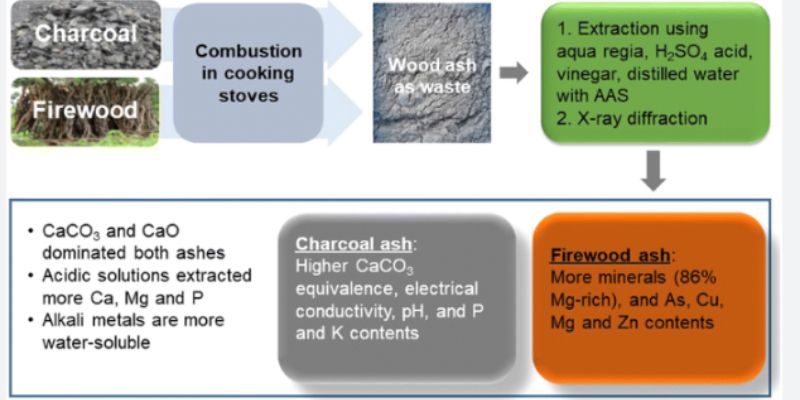
Wood ash is rich in several important nutrients. It contains calcium, which helps plants grow strong. Calcium is good for soil health too. Another key nutrient is potassium. Potassium makes plants healthy and strong. It helps flowers and fruits grow better. Phosphorus is also present in wood ash. Phosphorus helps roots and flowers develop well.
Wood ash has magnesium. Magnesium is important for leaf color and health. It also helps in making food for the plant. Trace elements like zinc and iron are in wood ash too. These help plants in small but important ways. Remember, wood ash is alkaline. It can change soil pH, so use it carefully.
Credit: extension.unh.edu
Primary Minerals In Wood Ash
Wood ash is rich in calcium. This mineral helps plants grow strong. Calcium keeps soil healthy. It makes plants sturdy. Calcium is important for roots. It aids in water movement. It helps plants resist diseases.
Wood ash contains potassium. This nutrient is vital for plants. It helps plants bloom. Potassium strengthens stems. It supports fruit production. It helps plants fight stress. Potassium is key for plant health.
Wood ash has magnesium. This mineral boosts growth. It aids in photosynthesis. Magnesium helps plants use sunlight. It is crucial for green leaves. It aids in nutrient absorption. Magnesium supports plant vitality.
Trace Elements Found In Wood Ash
Wood ash contains phosphorus. This element is important for plants. It helps them grow strong roots. Phosphorus also aids in flowering. It is vital for seed production. The amount of phosphorus varies. It depends on the type of wood burned. Hardwoods usually have more phosphorus.
Wood ash provides iron. Iron is essential for plant health. It helps in making chlorophyll. This keeps leaves green. Plants also need manganese. Manganese helps with photosynthesis. It aids nutrient absorption. Both elements are key for growth. Iron and manganese levels differ in ash. Different trees give different amounts.
Wood ash contains sodium. Sodium helps plants balance water. It also aids in nutrient movement. Sulfur is also present. Sulfur is good for protein creation. It helps make vitamins. Ash from different woods has varying sodium and sulfur. These elements support healthy plants.
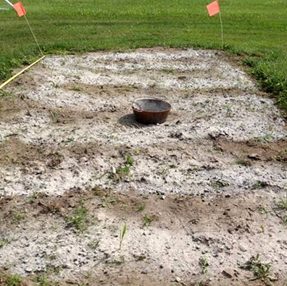
Credit: hort.extension.wisc.edu
Wood Ash And Soil Ph
Wood ash is very alkaline. This means it can make soil less acidic. It contains calcium carbonate, a compound that raises soil pH. Adding wood ash to soil can help plants grow better. Some plants like less acidic soil. For example, cabbage and broccoli.
Acidic soils can be hard for plants. Wood ash helps by neutralizing the acidity. This process makes the soil healthier. It adds nutrients like potassium and magnesium. These nutrients are good for plant growth. But, too much ash can harm the soil. It is important to use just a little. Always mix it well into the soil.
Benefits Of Using Wood Ash In Gardening
Wood ash is rich in essential nutrients like potassium and calcium. These nutrients help plants grow strong and healthy. Ash also contains small amounts of magnesium and phosphorus. These minerals boost soil fertility. Nutrient-rich soil makes plants thrive.
Wood ash acts as a natural pest deterrent. It keeps away slugs and snails. The ash creates a barrier they dislike. This keeps plants safe from damage. No chemicals needed. Just sprinkle ash around plant bases.
Using wood ash improves soil structure. Ash helps break up heavy clay soils. It makes soil loose and airy. Better soil structure aids root growth. This allows plants to absorb more nutrients and water.
Precautions When Using Wood Ash
Wood ash can be useful for plants, but be careful. Use a small amount. Too much ash can harm the soil. It makes the soil too alkaline. This is not good for most plants. Check your soil’s pH regularly.
Apply ash in small quantities. Spread it evenly. Do not pile it up in one spot. This helps avoid over-application. Water the area after spreading ash. This helps nutrients mix into the soil.
Wood ash can contain heavy metals. These can be harmful. Check the source of your ash. Ensure it is from untreated wood. Avoid ash from painted or treated wood. This can be toxic to plants and soil. Use ash sparingly to avoid risks.

Credit: www.researchgate.net
Frequently Asked Questions
What Plants Benefit Most From Wood Ash?
Wood ash benefits plants like tomatoes, roses, and carrots. These plants thrive in alkaline soil conditions. Wood ash provides potassium and raises soil pH. Avoid using on acid-loving plants like blueberries and azaleas. Apply sparingly to prevent nutrient imbalance. Ensure soil testing for best results.
What Are The Disadvantages Of Wood Ash?
Wood ash can alter soil pH, potentially harming plants. It may contain heavy metals, leading to environmental concerns. Overuse can cause nutrient imbalances, affecting plant growth. Always test soil before application to prevent negative effects.
Which Plants Do Not Like Wood Ash?
Plants like blueberries, rhododendrons, and azaleas dislike wood ash. They prefer acidic soil conditions. Wood ash raises soil pH, making it alkaline. Avoid using wood ash around these acid-loving plants to prevent nutrient imbalances.
What Is The Npk Content Of Wood Ash?
Wood ash contains 0-2% nitrogen (N), 1-3% phosphorus (P), and 5-7% potassium (K). It enriches soil nutrients.
Conclusion
Wood ash offers valuable nutrients for your garden. Calcium, potassium, and magnesium enrich the soil. These nutrients help plants grow strong and healthy. Using wood ash can improve soil structure. It is a natural way to enhance plant growth. Make sure not to overuse it.
Too much ash can harm plants. Always test your soil first. This ensures balanced nutrients. Wood ash is a simple and effective choice. It supports your garden’s health naturally. Consider adding wood ash to your gardening routine. It is an easy step towards vibrant plants.