How to Remove Polyurethane Without Removing the Stain
A 50/50 mix of lacquer thinner and denatured alcohol strips polyurethane without touching the stain underneath — but only if you wipe it off with #0000 steel wool within about 10 seconds. Wait too long and the solvent reaches the stain layer, pulling color with it. This guide covers that wipe-off method, a slower citrus-stripper alternative, and how to fix blotchy spots if the stain lightens anyway.
[Insert your Affiliate Disclosure reusable block here]
What You’ll Need
Best Stain-Safe Stripper Pick
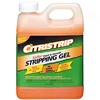
Citristrip Paint and Varnish Stripping Gel, 1-Quart
A citrus-based gel that clings to vertical surfaces and stays workable for up to 24 hours, giving you time to control the strip instead of racing a fast solvent.
- Best for: beginners and larger surfaces where a fast wipe-off isn’t realistic
- Why we picked it: a 30-minute to 24-hour working window means far less risk of over-stripping into the stain than a fast solvent
- Main drawback: the citrus smell lingers, and thick coats of polyurethane may need a second application
Compare more stain-safe stripping supplies
 Option 1 HOMAX #0000 Steel Wool Pad (12 Pads)
|
 Option 2 Sunnyside Denatured Alcohol, Quart
|
 Option 3 Sunnyside Lacquer Thinner, 1-Quart
|
As an Amazon Associate we earn from qualifying purchases.
Pick one primary stripping method before you start — switching mid-project is what usually leads to blotching. Either way, work in a ventilated area and keep everything within reach so you’re not hunting for a rag while solvent sits on the stain.
- Citrus-based stripping gel (safer, slower) or a 50/50 lacquer thinner/denatured alcohol mix (faster, less forgiving)
- #0000 steel wool pads
- Nitrile gloves and a solvent-rated respirator
- A plastic putty scraper (metal can dig into the stain)
- Clean cotton rags
- Wood conditioner or a matching toner, in case the stain needs touching up afterward
The 10-Second Wipe Method (Best for Keeping the Stain)
This is the method Hunker and several restoration forums point to when the goal is speed with minimal stain disturbance: the solvent dissolves the poly on contact, but it can’t soak into the wood and lift the stain if you remove it fast enough.
- Mix equal parts: Combine lacquer thinner and denatured alcohol 50/50 in a metal paint can and stir with a wooden stick.
- Test a hidden spot first: Brush a small patch on the underside or an inconspicuous edge and count how long the poly takes to soften.
- Brush it on: Apply with slightly overlapping strokes so the whole section gets even coverage in one pass.
- Wait about 10 seconds: That’s roughly how long the mix dissolves the finish before it starts reaching the stain layer underneath.
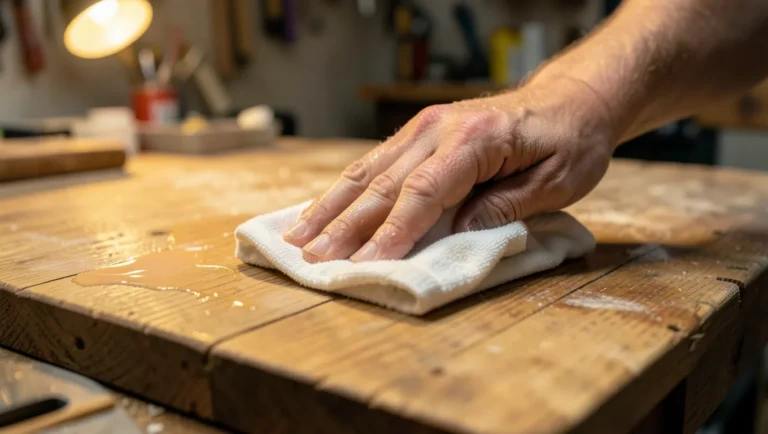
- Wipe immediately with #0000 steel wool: Use light pressure, working with the grain, to lift the dissolved poly and stripper together.
- Clean the residue: Wipe the section with a wood cleaner, rinse with warm water, and pat dry before moving to the next section.
Work in sections small enough to strip and wipe within that 10-second window — roughly a square foot at a time on a tabletop. Rushing a large area means the edges sit too long while you’re still brushing the middle.
Citrus Stripper Method (Slower, More Forgiving)
Citrus-based stripping gel is a plant-derived paint and varnish remover that stays wet and workable far longer than a fast solvent. That slower timeline is the whole appeal: there’s no 10-second window to race against, so it’s the better choice for a first attempt or a large surface.
- Apply a thick, even coat: Spread the gel with a natural-bristle brush, thick enough that you can’t see the finish through it.
- Wait 30 minutes to 24 hours: Check every 30 minutes on thin single-coat finishes; give multi-coat polyurethane the full 24 hours.
- Scrape test a corner: Drag a plastic scraper across a small area. If the poly rolls off in a rubbery sheet, it’s ready.
- Scrape with the grain: Work the whole surface with the plastic scraper, wiping the scraper clean between passes.
- Buff stubborn patches: Dip an abrasive stripping pad in a little more gel and work leftover spots by hand.
- Neutralize and rinse: Wipe with the manufacturer’s recommended cleanup solution, then a damp cloth, and let the wood dry fully before judging the stain.
Should You Try Baking Soda and Vinegar?
Baking soda is alkaline and vinegar is acidic; mixed together they form a mild paste that can soften thin polyurethane coats without harsh fumes. It’s a real option for light, single-coat finishes — but it’s the weakest method here and won’t touch a multi-coat floor finish.
📊 Baking soda reacts with tannins. High-tannin woods like oak and walnut can darken or discolor when baking soda sits on them, which defeats the purpose if you’re trying to keep the original stain color. Test a hidden spot first.
What to Do If the Stain Lightens Anyway
Even careful stripping sometimes leaves patchy or lightened spots, usually where solvent pooled too long. Let the wood dry fully first — some lightening is just surface haze from moisture and fades on its own within a few hours.
If a spot is genuinely lighter once dry, blend it with a gel stain or a matching wood toner applied with a foam brush, feathering the edges so the repair doesn’t read as a hard line. Test the toner on the same hidden spot you used earlier — gel stains often dry a shade darker than they look wet.
Common Mistakes That Strip the Stain by Accident
- Leaving fast solvent on too long: Past the 10-second mark, the lacquer thinner/alcohol mix starts dissolving the stain along with the poly.
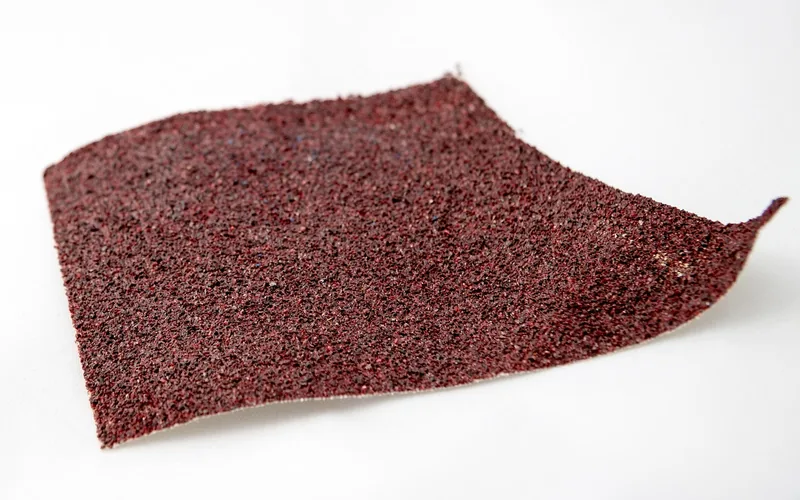
- Reaching for sandpaper above 220 grit: Coarser paper cuts through the stain layer, not just the topcoat — it’s the riskiest method on this list for color preservation.
- Scrubbing with steel wool grades coarser than #0000: Standard steel wool is abrasive enough to burnish or lighten stain, especially on softwoods.
- Using a metal scraper: A metal edge digs into softened wood fibers and stain far more easily than a plastic one.
- Skipping the hidden-spot test: Every wood species and stain combination reacts a little differently — the first test tells you your actual working window before you commit the whole surface.
Method Comparison
| Method | Speed | Risk to Stain | Best For |
|---|---|---|---|
| 50/50 lacquer thinner + alcohol wipe | Fast (10 sec/section) | High if you’re slow | Experienced refinishers, small areas |
| Citrus stripper gel | Slow (30 min-24 hr) | Low | Beginners, larger surfaces |
| Baking soda + vinegar | Slow, multiple applications | Low, except on high-tannin wood | Thin, single-coat finishes |
| Sanding (220 grit or finer) | Moderate | Very high | Only when you plan to re-stain anyway |
Reapplying a Protective Topcoat
Once the surface is stripped and the stain looks even, let it dry for at least 24 hours before recoating. A single fresh coat of oil-based polyurethane is usually enough to restore the sheen without changing the color underneath — there’s no need to strip all the way to bare wood just to refresh the topcoat.
If you’d rather skip sanding at any point in the process, our guide to removing polyurethane without sanding covers chemical-only methods in more depth. And if your goal is a full strip-and-refinish rather than keeping the current stain, see our complete breakdown of how to remove polyurethane without wrecking the wood. For every removal method side by side, including options for floors and metal hardware, check our main guide to removing polyurethane or browse the full polyurethane category.
Frequently Asked Questions
Can you remove polyurethane without removing the stain?
Yes. A citrus stripping gel or a fast-wiped 50/50 lacquer thinner and denatured alcohol mix both dissolve the polyurethane topcoat without soaking deep enough to lift the stain, as long as you don’t let the solvent sit for too long.
What household items can remove polyurethane without damaging the stain?
Baking soda mixed with vinegar into a paste will soften thin, single-coat polyurethane finishes. It’s gentler than solvent strippers but weaker, so it struggles with multi-coat floor finishes, and it can react with tannins in oak or walnut.
Is sanding necessary to remove polyurethane?
No. Chemical strippers and solvent wipe-off methods remove polyurethane without any sanding. Sanding is actually the riskiest option if you want to keep the stain, since grits above 220 cut through color along with the finish.
Can I use a heat gun to remove polyurethane?
You can, but it’s harder to control than a chemical method when the stain needs to survive. Heat softens poly unevenly, and scraping while it’s hot risks gouging into the stained wood underneath — chemical strippers give you more control over how deep the removal goes.
How long does citrus stripper take to remove polyurethane?
Anywhere from 30 minutes to 24 hours, depending on how many coats of polyurethane are on the surface. Thin single-coat finishes are often ready to scrape within an hour; multi-coat floor finishes can need the full 24 hours before the gel lifts the poly cleanly.
Keeping the stain intact comes down to working in small sections and testing a hidden spot before you commit the whole surface — a citrus gel gives you the most room for error, while the fast wipe-off method rewards a steady hand and a short attention window. Either way, a fresh coat of polyurethane over the preserved stain will look like the piece was never stripped at all.
Sponsored / affiliate links. As an Amazon Associate I earn from qualifying purchases. I may earn additional commission from eligible campaigns.