What Plants Like Wood Ash: Boost Growth with These Top Picks
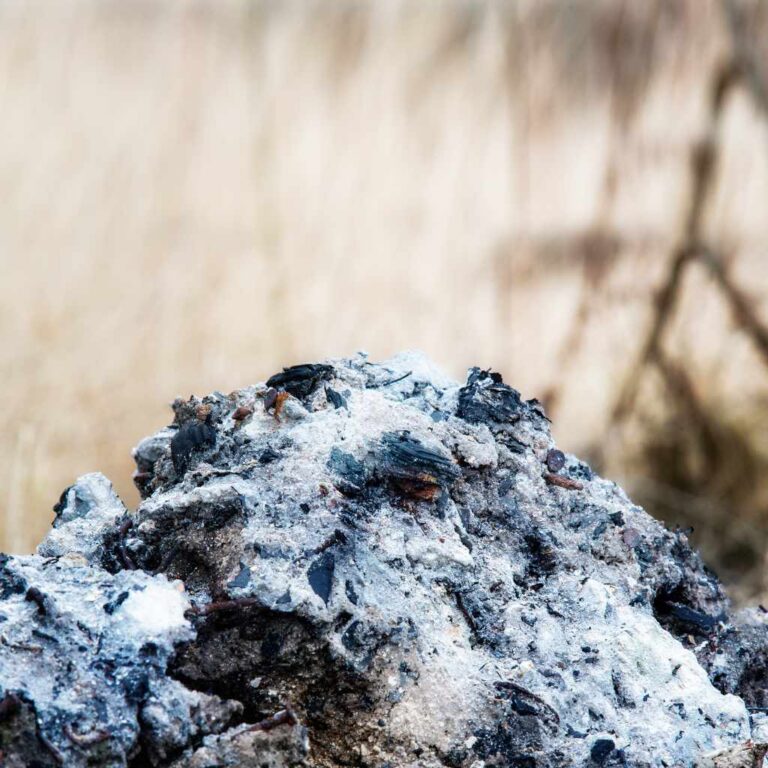
Have you ever wondered what to do with the leftover wood ash from your fireplace or fire pit? Instead of tossing it away, you can actually use it to boost the health of certain plants in your garden.
But which plants really like wood ash, and how can you use it safely to help them grow stronger? If you want to unlock the secret to turning wood ash into a natural fertilizer that benefits your garden, keep reading.
This guide will show you exactly which plants thrive with wood ash and how to make the most of it without harming your soil or plants. Your garden is about to get a powerful, natural boost!
Benefits Of Wood Ash In Gardening
Wood ash is a valuable resource in gardening. It helps plants grow stronger and healthier. Using wood ash in your garden improves soil quality and plant health naturally. Many gardeners use it to support different plants and improve soil balance.
Wood ash contains many useful elements. It can change soil acidity and improve soil texture. These benefits make it a popular choice for gardeners who want better plant growth without chemicals.
Nutrient Content In Wood Ash
Wood ash is rich in nutrients plants need. It contains potassium, calcium, and magnesium. These nutrients help plants build strong stems and leaves. Potassium supports flower and fruit development. Calcium improves root growth and plant strength. Magnesium helps in photosynthesis, the process plants use to make food. Using wood ash can supply these nutrients naturally.
Soil Ph And Wood Ash
Wood ash raises soil pH, making acidic soil more neutral. Many plants prefer neutral or slightly acidic soil. Acidic soil can stop plants from absorbing nutrients well. Adding wood ash can balance pH and improve nutrient uptake. This helps plants grow better and resist diseases. Use wood ash carefully to avoid making soil too alkaline.
Improving Soil Structure
Wood ash improves soil structure by loosening heavy soil. It helps clay soils drain better and sandy soils hold moisture. Better soil structure means roots grow easily and get more oxygen. This leads to healthier plants and higher yields. Wood ash also encourages beneficial microbes in the soil. These microbes help break down organic matter and release nutrients for plants.
Plants That Thrive With Wood Ash
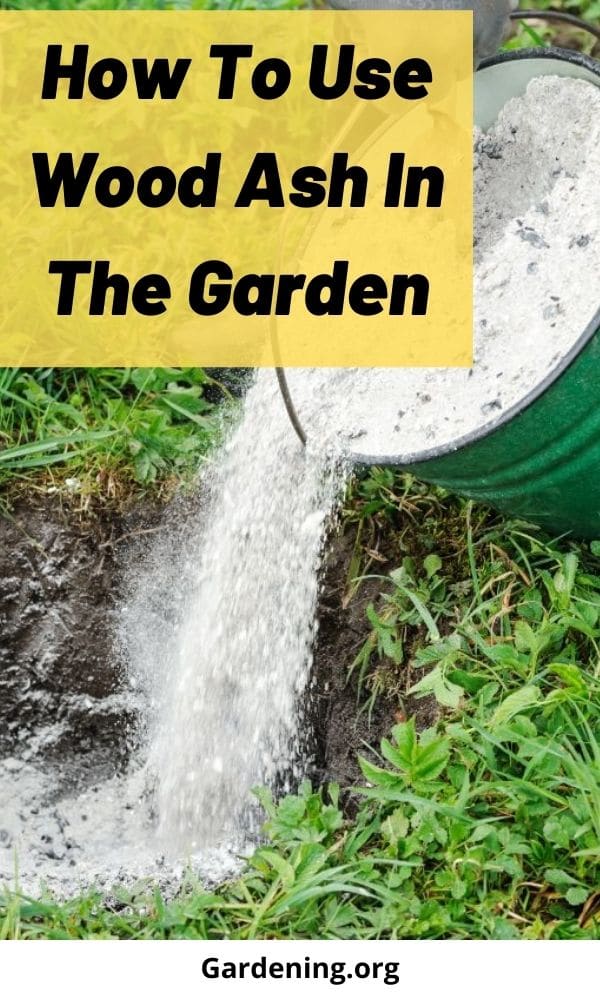
Wood ash can improve soil and help many plants grow better. It contains nutrients like potassium, calcium, and magnesium. These nutrients support plant health and boost growth. Some plants thrive well with wood ash added to their soil. Knowing which plants benefit helps gardeners use wood ash wisely.
Vegetables Boosted By Wood Ash
Vegetables like tomatoes, carrots, and cabbage grow better with wood ash. The potassium in ash helps fruits and roots develop strong. Carrots and potatoes get sweeter and bigger. Leafy greens such as spinach also enjoy the extra calcium from wood ash. It helps them stay healthy and green.
Fruit Trees And Wood Ash
Fruit trees like apple, pear, and cherry respond well to wood ash. It improves soil pH and adds nutrients. Trees produce more fruit and stronger branches. Wood ash can also help reduce some soil pests. Use it carefully to avoid over-alkalizing the soil.
Flowers That Benefit From Wood Ash
Many flowers like roses, dahlias, and marigolds thrive with wood ash. The nutrients help blooms become larger and more colorful. Wood ash also improves soil texture for better root growth. It helps flowers resist diseases and stay vibrant longer.
How To Apply Wood Ash Safely
Applying wood ash to plants can boost their growth and health. It adds nutrients like potassium and calcium to the soil. Using wood ash safely is important to avoid harming your plants or soil. Follow these simple steps to get the best results without problems.
Proper Dosage And Timing
Use wood ash in small amounts. A thin layer, about 1 to 2 pounds per 100 square feet, works well. Apply wood ash during the growing season, not in winter. Avoid using ash right after heavy rain. This helps prevent nutrient loss and soil damage.
Avoiding Overuse
Too much wood ash can raise soil pH too high. This makes it hard for plants to take nutrients. Spread ash evenly and do not pile it. Test your soil pH regularly to check levels. Stop using ash if pH goes above 7.5.
Application Methods
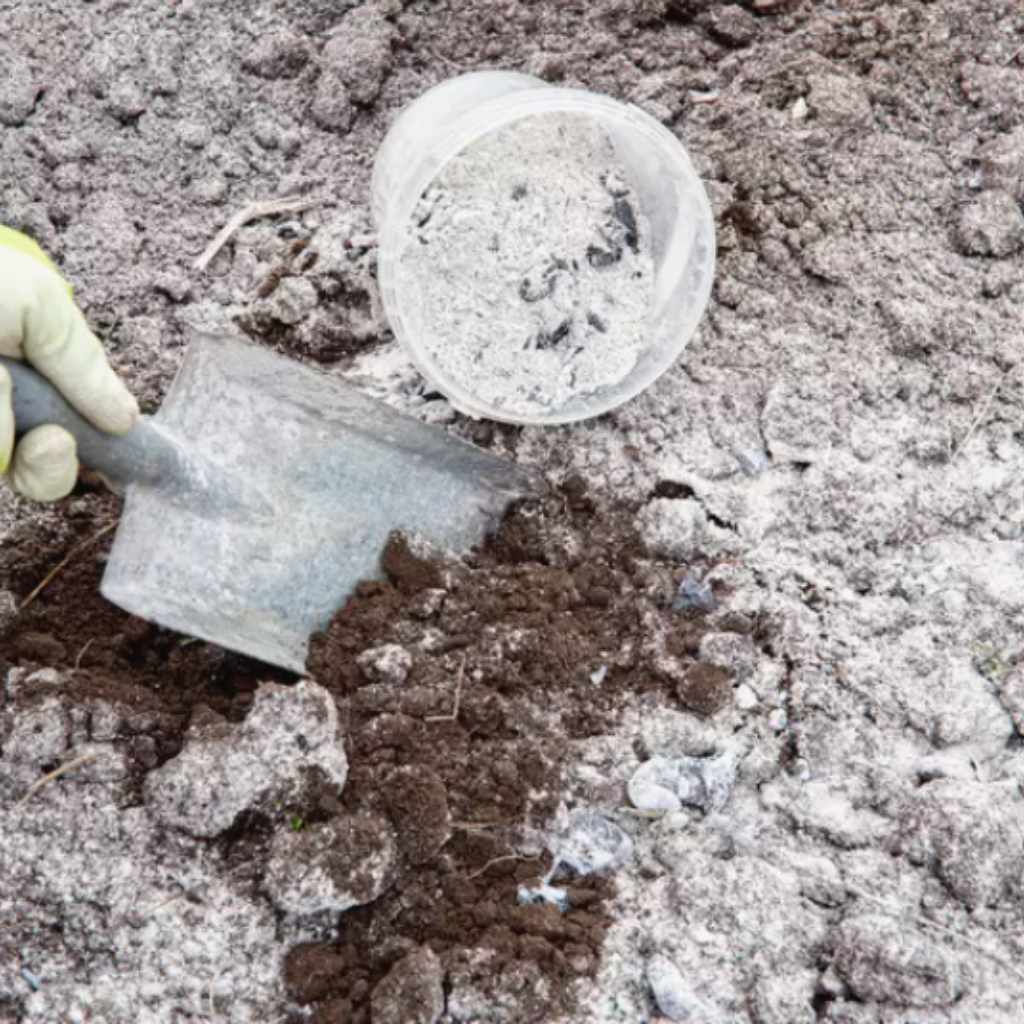
Sprinkle wood ash lightly over the soil surface. Work it into the top few inches of soil. Avoid letting ash touch plant leaves directly. Use a garden rake or hoe for mixing. Water the soil after applying ash to help nutrients soak in.
Plants To Avoid Using Wood Ash On
Wood ash can benefit many plants, but it is not safe for all. Some plants do not like wood ash because it changes the soil too much. Using wood ash on the wrong plants can harm them or slow their growth. Knowing which plants to avoid helps keep your garden healthy and strong.
Acid-loving Plants
Plants that need acidic soil do not do well with wood ash. Wood ash raises the soil’s pH, making it more alkaline. Blueberries, azaleas, and rhododendrons need low pH to absorb nutrients. Wood ash can block nutrient uptake and cause yellow leaves or poor growth. Avoid using wood ash near these plants to keep their soil healthy.
Sensitive Seedlings
Young plants and seedlings are very delicate. Wood ash contains salts that can burn tender roots and leaves. Applying wood ash on seedlings may stop them from growing well or even kill them. Use wood ash only on mature plants or mix it well into the soil before planting. This reduces the risk to young plants.
Potential Risks
Wood ash can cause problems if used too much or in the wrong place. It may raise soil pH too high, harming many plants. Excess ash can also add too much potassium or other minerals. This causes nutrient imbalance and weak plants. Always test your soil before adding wood ash. Use it carefully and sparingly to avoid these risks.
Wood Ash Alternatives For Gardeners
Wood ash adds nutrients and raises soil pH, but not all gardeners can use it. Some soils or plants do not react well to wood ash. Luckily, many other natural options improve soil health and supply minerals. These alternatives help keep gardens strong and thriving without wood ash.
Compost And Organic Matter
Compost enriches soil with nutrients and improves texture. It contains nitrogen, phosphorus, and potassium in balanced amounts. Organic matter helps soil hold water and air. It feeds beneficial microbes that support plant growth. Using compost regularly creates healthy soil for many plants. Gardeners can make compost at home from kitchen scraps and yard waste. This process recycles nutrients naturally and reduces waste.
Lime And Other Soil Amendments
Lime raises soil pH like wood ash but acts slower. It contains calcium, which strengthens plants and improves soil. Gardeners use lime to reduce soil acidity safely. Other amendments include gypsum, which improves soil structure without changing pH. Bone meal adds phosphorus, while greensand provides potassium and trace minerals. These options suit different garden needs and plant types. Testing soil first ensures the right amendment for healthy growth.
Frequently Asked Questions
What Types Of Plants Benefit From Wood Ash?
Wood ash benefits plants that prefer alkaline soil, like tomatoes, roses, and blueberries. It adds potassium and calcium, improving growth and fruit quality.
Can Wood Ash Improve Soil For Vegetable Gardens?
Yes, wood ash raises soil pH and adds nutrients like potassium and calcium, enhancing vegetable growth when used in moderation.
How Often Should Wood Ash Be Applied To Plants?
Apply wood ash once or twice a year in small amounts. Excess ash can raise soil pH too much and harm plants.
Are There Plants That Dislike Wood Ash?
Yes, acid-loving plants like azaleas, rhododendrons, and blueberries dislike wood ash because it increases soil alkalinity, which can stunt their growth.
Conclusion
Wood ash benefits many garden plants by adding nutrients. It works well with vegetables like tomatoes and peppers. Fruit trees and berry bushes also enjoy wood ash. Use it sparingly to avoid harming plants. Always test soil pH before applying wood ash.
This helps keep your garden healthy and balanced. Wood ash is a natural, simple way to improve soil. Try it carefully and watch your plants grow strong. Small steps make a big difference in gardening success.