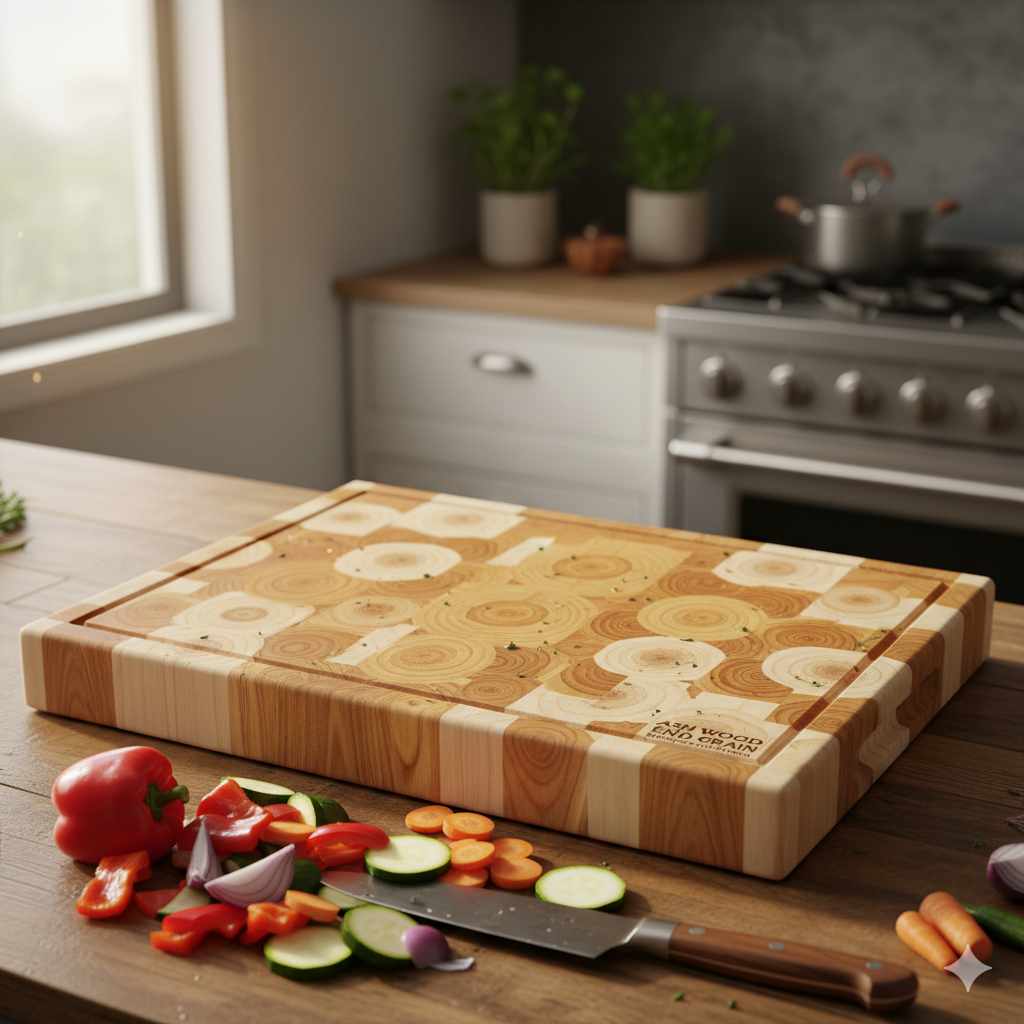
Ash Wood End Grain Cutting Boards: Pros, Cons & Janka Rating
Ash scores 1,320 lbf on the Janka scale and costs $3.50 to $7 a board foot, but its open, ring-porous grain absorbs moisture faster than closed-grain maple. Skip sealing it and an ash board can trap moisture or warp within a season of heavy use. This guide covers how ash compares to maple and walnut, how to close the open grain, and the exact steps for building your own board.
Insert your Affiliate Disclosure reusable block here.
Quick Answer
Yes — ash works well for end grain cutting boards if you commit to regular oiling and an occasional pore-sealing treatment. Its 1,320 lbf Janka rating beats walnut and cherry, and it typically costs less than half of hard maple. The tradeoff: ash’s open grain needs more consistent maintenance than maple’s tight, closed grain, so it suits cooks who won’t skip monthly oiling.
Understanding Ash Wood End Grain Construction
Best Cutting Board Conditioner Pick
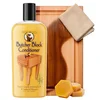
Howard Products Butcher Block Conditioner & Food Grade Mineral Oil
A mineral oil and beeswax blend built specifically for open-grain woods like ash — the wax adds a water-resistant layer the oil alone doesn’t provide.
- Best for: Ash and other open-grain end grain boards that need extra moisture resistance
- Why we picked it: Mineral oil plus beeswax addresses ash’s specific open-pore weakness better than plain oil
- Main drawback: The wax layer needs light buffing to avoid a tacky feel right after application
Compare more cutting board oil options
 Option 1 Thirteen Chefs Food Grade Mineral Oil, 8oz
|
 Option 2 Kate Naturals Mineral Oil, 8oz
|
 Option 3 CLARK’S Cutting Board Oil & Wax Kit (2-Pack)
|
As an Amazon Associate we earn from qualifying purchases.
When most people picture a cutting board, they imagine a flat slab with the grain running in long stripes. That’s edge grain. An end grain cutting board is built the opposite way: short blocks of wood are glued together so the cut ends of the grain face up, like a checkerboard or a butcher block. That construction method, not the wood species alone, is what makes these boards gentle on knives.
What End Grain Construction Actually Does
End grain construction is a cutting-board building method that orients the wood fibers vertically, so a knife blade slides between the fibers instead of slicing across them. The fibers momentarily part, then close back up once the blade lifts. That’s the entire mechanism behind why end grain boards feel “self-healing” and stay kinder to a knife edge than a flat-grain board over years of daily chopping.
What Makes Ash Different From Other Cutting Board Woods
Ash wood is a ring-porous hardwood, the same wood family used for baseball bats and tool handles because it takes repeated impact without shattering. For cutting boards, that translates to:
- Hardness: Ash lands at 1,320 lbf on the Janka scale, inside the 900–1,500 lbf range that woodworkers consider ideal for cutting boards — hard enough to resist dents, soft enough that it won’t dull a knife the way an extremely dense exotic hardwood can.
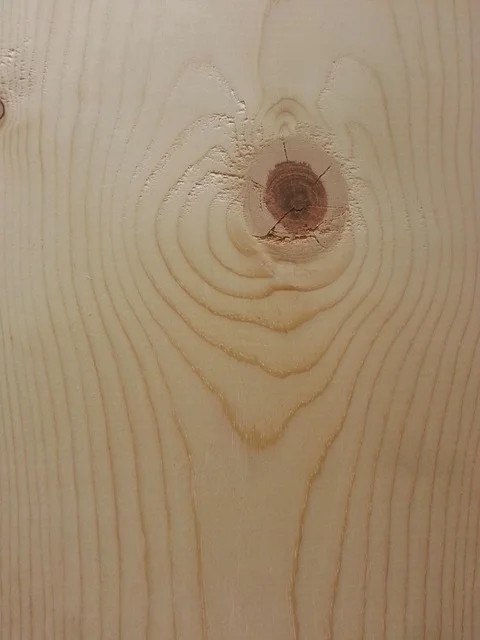
- Grain structure: Ash is ring-porous, meaning it has visible open pores running with the grain — similar in size to maple’s pores, but larger than a truly closed-grain wood like hard maple’s finest sections. This is the property that drives most of the debate about ash for end grain use, covered in detail below.
- Appearance: Ash runs from creamy white to light brown, often with straight “ray fleck” figure that reads as a clean, contemporary look next to darker woods like walnut.
- Workability: Ash cuts, glues, and sands predictably, which matters if you’re building your own board rather than buying one.
- Price: Ash typically runs $3.50 to $7 per board foot, well under hard maple and most exotic species, which is the main reason it shows up as a budget-friendly end grain option.
Is Ash Wood Actually Good for End Grain Cutting Boards?
This is the question most articles about ash cutting boards skip. Among woodworkers who build end grain boards for a living, there’s real disagreement about ash. Its open, ring-porous grain is the sticking point: those pores can absorb liquid and trap food particles more readily than a tight-grained wood like hard maple, which is part of why maple is the default recommendation from most professional board makers. Ash isn’t unsafe — it’s food safe and releases no toxins — but it asks for more consistent care than a closed-grain board does, especially if the board sees raw meat regularly.
Does Open Grain Actually Matter for Food Safety?
Somewhat, but less than the size of the debate suggests. Wood in general has natural antibacterial behavior — bacteria placed on a wood surface die off faster than on plastic, which is well documented in food-safety research. The concern with ash specifically is that its open pores give bacteria and moisture more places to sit between cleanings, not that the wood itself is unsafe. A well-sealed, well-oiled ash board that gets dried standing on edge after every wash performs close to a maple board in practice. An ash board that’s left wet, laid flat, or oiled twice a year is where the open-grain drawback actually shows up.
| Wood | Janka Hardness | Grain Type | Typical Price/bf | Best For |
|---|---|---|---|---|
| Ash | 1,320 lbf | Open, ring-porous | $3.50–$7 | Budget-conscious builders who’ll keep up with oiling |
| Hard Maple | 1,450 lbf | Closed, tight | $6–$10 | Daily heavy chopping, lowest maintenance |
| Walnut | 1,010 lbf | Closed, fine | $8–$14 | Gentler on knife edges, premium serving boards |
| Cherry | 995 lbf | Closed, fine | $7–$12 | Light-duty and display boards, darkens with age |
📊 Ash’s 1,320 lbf Janka rating sits above walnut (1,010 lbf) and cherry (995 lbf), and just under hard maple (1,450 lbf) — making it a genuinely competitive hardness for a cutting board, not just a cheap substitute.
Can You Seal Ash to Close the Grain?
Yes, and this is the fix that most beginner guides leave out. A food-safe finish like a salad-bowl-style varnish (a polymerized, hardening oil sold as butcher block or salad bowl finish) fills the open pores at the surface without leaving a plastic-feeling film. Apply several thin coats, let each cure fully, and lightly buff between coats. This won’t replace regular mineral oil maintenance, but it meaningfully cuts down how much liquid the end grain can absorb in the first place — the specific weakness that makes people hesitant about ash for daily raw-meat prep.
Benefits of an Ash Wood End Grain Cutting Board
None of the open-grain caveats above cancel out what makes ash a genuinely good end grain choice for most home cooks. Here’s what you actually get.
1. Superior Knife Edge Preservation
This is the core advantage of any end grain board, ash included. The surface is thousands of wood fibers standing on end; your knife glides between them instead of slicing across them. An edge grain board, by contrast, presents fibers running parallel to the cutting surface, closer to cutting across bristles, which dulls an edge faster. An ash end grain board keeps knives sharper for longer than either an edge grain board or a plastic one.
2. Exceptional Durability and Longevity
Ash is a robust hardwood, and end grain construction amplifies that toughness. All wood cutting boards show some wear over time, but end grain fibers have more capacity to absorb a knife’s impact and spring back, so scratches are less likely to become permanent gouges.
3. Self-Healing Properties
“Self-healing” doesn’t mean deep cuts vanish. It means light to moderate scoring largely disappears as the wood fibers realign after washing and drying, which keeps the board looking cleaner for longer.
4. Aesthetic Appeal
Ash’s natural color and grain pattern create a mosaic of light and dark tones once assembled into an end grain checkerboard pattern, making the board as much a countertop centerpiece as a work surface.
5. Reduced Risk of Warping and Cracking
A properly built end grain board, glued from well-seasoned strips with alternating grain direction, distributes moisture movement more evenly than an edge grain board. That construction, not the species, is the main reason a well-made ash board resists cupping and cracking when it’s cared for correctly.
6. Antibacterial Behavior, With a Real Caveat
Wood in general does have documented antibacterial behavior — bacteria placed on a clean wood surface tend to die off rather than multiply, unlike on a scratched plastic board. But this benefit assumes the board is properly dried and oiled. Because ash’s pores are more open than maple’s, a neglected ash board loses this advantage faster than a neglected maple one. Treat it as a reason to stay consistent with drying and oiling, not as a substitute for that routine.
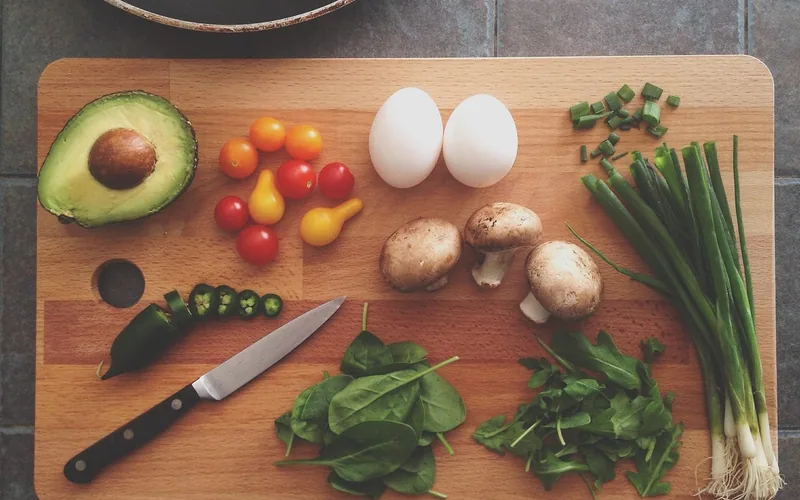
Making Your Own Ash Wood End Grain Cutting Board (Beginner’s Overview)
Building an end grain board is a rewarding project that’s achievable for a beginner with basic tools and patience. Here’s a simplified look at the process.
Essential Tools and Materials
Precision matters more in end grain construction than almost any other woodworking project, so having the right tools makes a real difference.
- Ash Wood: Several pieces of kiln-dried ash lumber, at least 3/4 inch thick per strip.
- Table Saw: For precise, straight cuts with a clean-cutting blade.
- Jointer (optional but recommended): For flat edges before gluing.
- Planer (optional but recommended): To keep every strip the same thickness.
- Clamps: Enough bar or pipe clamps to hold every piece tight while the glue cures.
- Wood Glue: A waterproof glue like Titebond III, standard for cutting boards.
- Sandpaper: Grits from 80 up through 220 or 320.
- Orbital Sander or Sanding Block: For efficient final sanding.
- Router (optional): For rounding edges or cutting a juice groove.
- Mineral Oil or Food-Grade Conditioner: For finishing.
- Safety Gear: Safety glasses are non-negotiable; a dust mask and hearing protection are strongly recommended.
Step-by-Step Process
This is a high-level overview — each step involves careful execution and attention to detail.
- Prepare the Wood Strips: Cut ash lumber into uniform strips. You’ll glue these on their long edges first to form a panel, then cut that panel into new strips to glue on their ends. Every strip needs identical width and thickness.
- First Glue-Up: Arrange strips side-by-side to your desired width, apply glue to the mating edges, and clamp tightly. Keep the surfaces flat and let the glue cure fully, usually 24 hours.
- Flatten and Cut: Flatten the cured panel with a planer, or with careful sanding or a router jig if you don’t have one. Then run it back through the table saw to cut thin strips — now cutting across the grain of the glued panel.
- Second Glue-Up: Arrange the new, thinner strips side-by-side with the cut ends facing up, glue their long edges, and clamp tightly. This is where the end grain pattern actually forms.
- Final Flattening and Sanding: Flatten the surface once the glue cures, then work through progressively finer grits (80, 120, 180, 220) for a smooth finish.
- Edge Finishing (optional): Round the edges and corners with a router and roundover bit for comfort, and add a juice groove if you want one.
- Conditioning and Finishing: Apply a generous coat of food-grade mineral oil, let it soak in, wipe off the excess, and repeat until the wood stops absorbing it. Finish with a mineral oil and beeswax conditioner for extra protection and sheen.
Caring for Your Ash Wood End Grain Cutting Board
Whether you built it or bought one, proper care is what determines whether an ash board lasts decades or warps within a year. Given ash’s more open grain, this routine matters more here than it would for a maple board.
Keeping It Clean
- Hand Wash Only: Never put a wood cutting board in the dishwasher — the heat and prolonged water exposure will warp, crack, and split it.
- Gentle Soap and Water: Warm water and mild dish soap, wiped clean with a soft sponge or cloth.
- Rinse Thoroughly: Remove all soap residue.
- Dry Immediately: Wipe off moisture with a clean towel, then stand the board on edge so air circulates around all sides. Never leave it lying flat to dry — that traps moisture exactly where ash’s open pores can absorb it.
- Sanitizing (optional): After raw meat, wipe with a diluted vinegar solution (50/50 white vinegar and water) or a mild bleach solution (1 teaspoon per quart of water), then rinse, dry, and re-oil.
Oiling: The Secret to Longevity
Oiling replenishes the wood’s natural oils, prevents drying and cracking, and helps repel water and stains. On an open-grain wood like ash, it’s the single most important maintenance habit.
- Frequency: At least once a month, more often if the board looks dry, feels rough, or after sanitizing. Low-humidity climates and frequent washing both call for more frequent oiling.
- What to use: Food-grade mineral oil for routine maintenance, or a mineral oil and beeswax conditioner for extra water resistance on ash’s more open grain.
- Avoid: Never use vegetable oils like olive, canola, or corn oil — they go rancid and can foster bacteria. Avoid raw tung or linseed oil too, unless labeled food-grade and polymerized.
- Make sure the board is clean and completely dry.
- Apply a generous amount of oil directly to the surface.
- Spread it evenly with a clean cloth over the top, bottom, sides, and edges.
- Let it soak in for at least 30 minutes, ideally overnight, reapplying to any spots that look dry.
- Wipe off the excess and buff lightly to a sheen.
Sealing the Open Grain (Extra Step Worth Taking)
If you want to close the gap between ash and maple on moisture resistance, apply a food-safe salad-bowl-style finish over a fully oiled board. A few thin coats, cured and lightly buffed between applications, fill the surface pores without a plastic feel. This step is optional but directly addresses the specific tradeoff covered earlier — it’s the difference between an ash board that performs like a budget board and one that genuinely rivals maple day to day.
Dealing With Minor Issues
- Minor Scratches: Vigorous oiling can help light scratches disappear. Persistent ones respond to a light 220-grit sanding followed by re-oiling.
- Stains: A baking soda and water paste, left a few minutes then rinsed and dried, lifts most stubborn stains before you re-oil.
Common Mistakes to Avoid With Ash End Grain Boards
- Treating it like an edge grain board: End grain surfaces need more frequent oiling because the exposed pores absorb faster than a flat-grain surface.
- Skipping the pore-sealing step: Going straight to oil without ever applying a salad-bowl-style finish leaves ash’s biggest weakness unaddressed.
- Laying it flat to dry: Trapped moisture on the underside is exactly what warps a board and feeds the open-pore concern raised earlier.
- Using vegetable oil instead of mineral oil: It goes rancid and can leave the board smelling off within weeks.
- Assuming any oiling schedule works: A once-a-year oiling might be fine for tight-grained maple; it isn’t enough for ash.
Frequently Asked Questions
Is ash wood good for cutting boards?
Yes, with a caveat. Ash is food safe and hard enough (1,320 lbf Janka) to hold up to daily use, but its open, ring-porous grain needs more consistent oiling and, ideally, a pore-sealing finish compared to closed-grain woods like maple or walnut.
Is ash harder than maple?
No. Hard maple rates 1,450 lbf on the Janka scale versus ash’s 1,320 lbf. Ash is close, and still harder than walnut (1,010 lbf) or cherry (995 lbf), but maple remains the hardest of the four common cutting board woods.
Does open grain actually matter for a cutting board?
It affects moisture absorption more than food safety. Open-grain woods like ash can hold liquid and food particles in their pores longer than tight-grained maple, which is why regular drying and oiling matter more with ash than with a closed-grain board.
Can you seal ash to close the grain?
Yes. A food-safe salad-bowl-style finish, applied in several thin coats over a fully oiled board, fills the surface pores and meaningfully reduces how much liquid the end grain absorbs, without leaving a plastic-feeling film.
How much does ash lumber cost per board foot?
Ash typically runs $3.50 to $7 per board foot, depending on grade and supplier, which is noticeably less than hard maple ($6–$10) or walnut ($8–$14). That price gap is the main reason ash shows up as the budget-friendly end grain option.
Ash earns its place among end grain cutting board woods on hardness and price, not by matching maple’s moisture resistance out of the box. The real decision isn’t whether ash is “good enough” — it’s whether you’ll actually keep up with the oiling (and ideally sealing) routine its open grain asks for. Do that, and an ash end grain board performs close to a maple one at a fraction of the price. Skip it, and the open-pore drawback shows up faster than it would on a tighter-grained wood. For woodworkers building their own, that tradeoff is often worth it — the result is a durable, attractive, knife-friendly board and a genuinely rewarding project either way. If you’re still weighing edge grain against end grain for an ash board, our ash cutting boards guide covers both construction styles side by side.
Sponsored / affiliate links. As an Amazon Associate I earn from qualifying purchases. I may earn additional commission from eligible campaigns.