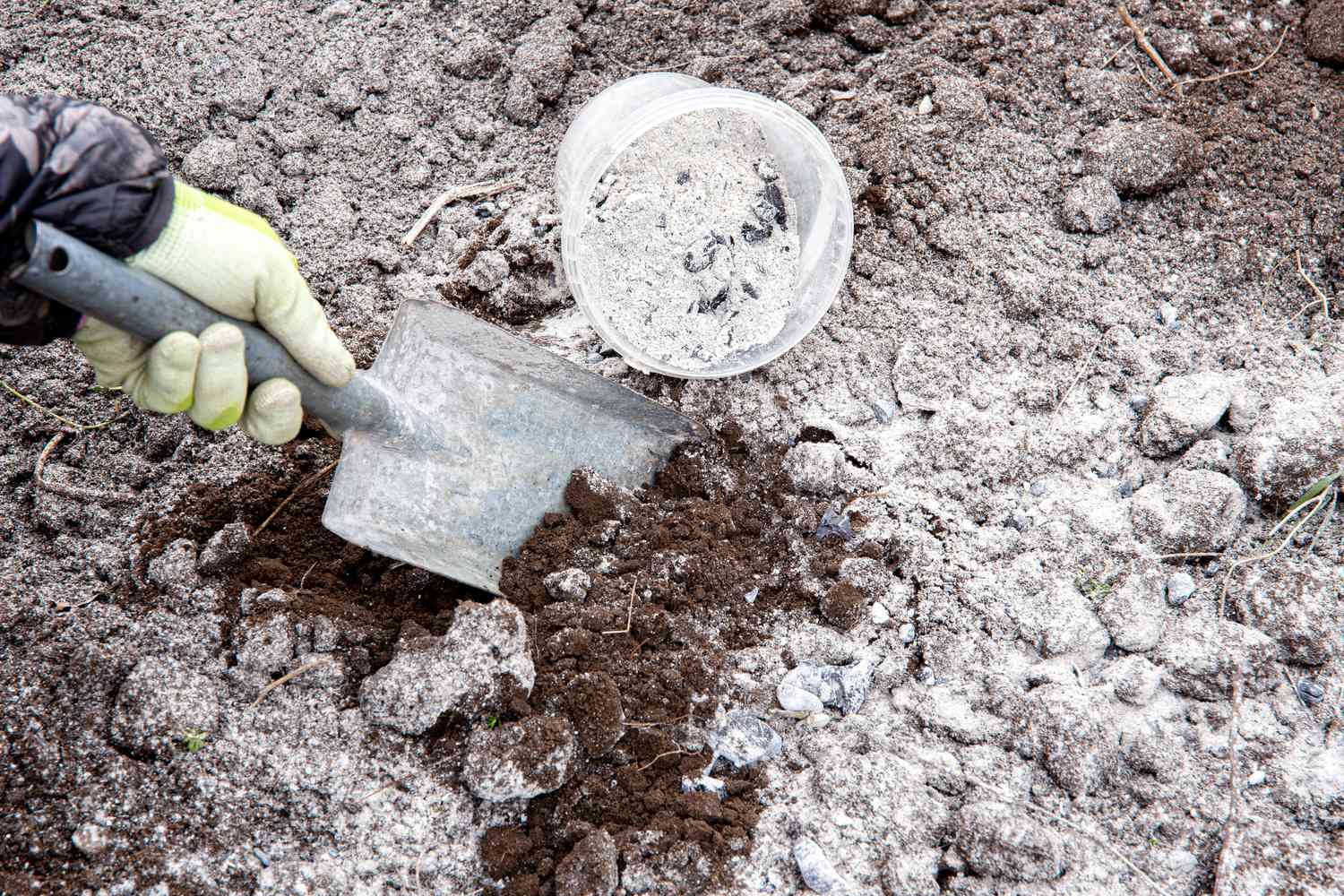
What Plants Should I Put Wood Ash on? Top Picks Revealed
Are you looking to give your garden a natural boost? If you’ve ever wondered what to do with the wood ash from your fireplace or backyard bonfire, you might be surprised to learn it can be a valuable resource for your plants.
But before you sprinkle this gray powder over your garden beds, it’s crucial to know which plants will benefit from this nutrient-rich addition and which might not. Understanding the right way to use wood ash can transform your garden and yield bountiful blooms and crops.
Imagine your plants thriving, your soil enriched, and your garden looking more vibrant than ever. Keep reading to discover how you can make the most of this natural resource and ensure your plants get the boost they need.

Credit: www.instagram.com
Benefits Of Wood Ash For Plants
Wood ash is rich in potassium, which helps plants grow strong. It also contains calcium, making the soil less acidic. This is good for plants that dislike acid. Tomatoes, carrots, and lettuce love wood ash. It helps them grow better and healthier.
Wood ash acts as a natural pest control. It keeps bugs away from your plants. Just sprinkle some ash around the plant. It also improves the soil’s texture. This helps roots to breathe and absorb nutrients.
Be careful with wood ash. Too much ash can harm plants. Always use a little, not a lot. It works best when mixed with compost. This ensures the nutrients spread evenly. Wood ash can be very useful in your garden.
Nutrient Composition Of Wood Ash
Wood ash is rich in calcium, which helps soil health. It contains potassium, aiding plant growth. Phosphorus is also present, supporting root development. Wood ash lacks nitrogen, important for leaf health. It is alkaline, raising soil pH levels. This makes it good for acid-loving plants. Too much ash can harm soil balance.
Use wood ash sparingly. It works best in small amounts. Spread evenly over the soil. Compost wood ash for better results. Ensure it is cool before use. Avoid using ash from burned trash. Wood ash from untreated wood is best. Test soil pH before application. This ensures it suits your plants’ needs.
Best Plants For Wood Ash Application
Tomatoes love alkaline soil. Wood ash raises soil pH. It helps tomatoes grow strong and healthy. Use ash sparingly. Too much can harm plants.
Carrots thrive with wood ash. It adds important nutrients. Calcium and potassium are vital for carrots. Spread ash in thin layers. Avoid direct contact with roots.
Roses enjoy a bit of wood ash. It boosts their blooming. Ash provides potassium for roses. Apply ash in small amounts. Keep away from the stem.
Hydrangeas sometimes need wood ash. It changes their color. Blue turns pink with ash. Adjust soil pH slowly. Use ash cautiously for desired hues.
Credit: hort.extension.wisc.edu
Acid-loving Plants To Avoid
Wood ash can harm certain plants. These plants love acid. They thrive in acidic soil. Adding ash makes soil less acidic. This can hurt their growth.
Azaleas are one such plant. They need acidic soil to bloom well. Rhododendrons also love acid-rich environments. Blueberries struggle with wood ash too. They need acidity for sweet berries.
Camellias and Gardenias are sensitive as well. Their flowers need acid to grow strong. Holly plants prefer acidic conditions. Wood ash can weaken them.
Remember, these plants enjoy their acidic homes. Wood ash can change that. Avoid using it with them for best results.
How To Apply Wood Ash
Wood ash benefits plants like tomatoes, carrots, and roses. It boosts soil pH and nutrients. Sprinkle ash around plant bases lightly, ensuring it doesn’t touch leaves.
Correct Dosage
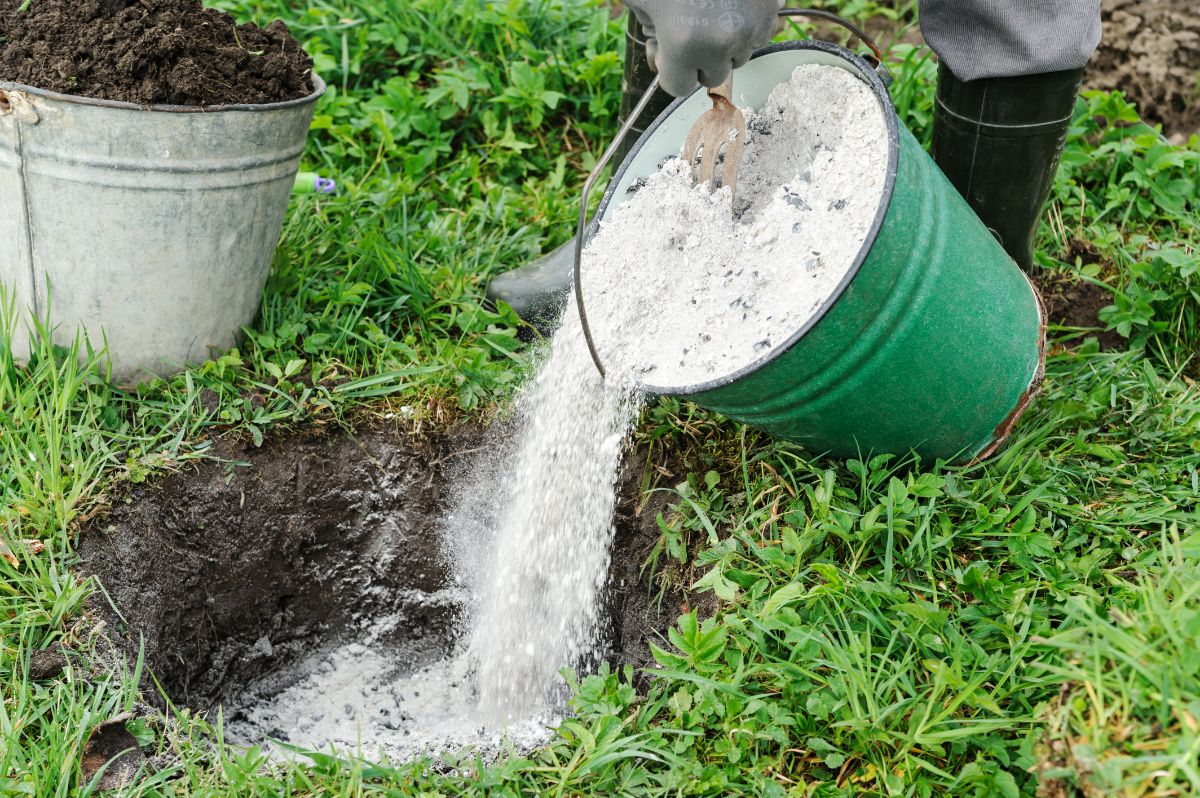
Wood ash can help plants grow better. Use about one cup per square yard. Too much ash can hurt plants. It can make soil too alkaline. Test your soil before adding ash. Check the pH level. If it is below 6.5, ash is helpful. Mix ash well with soil. This helps nutrients spread evenly.
Timing And Frequency
Apply wood ash in early spring. This is when plants start growing. Do not use ash more than once a year. Frequent use can damage soil health. Avoid rainy days when applying ash. Rain washes ash away. Always store ash in a dry place until use. This keeps ash from clumping.
Potential Risks And Precautions
Wood ash can change soil pH. This might not be good for all plants. Plants that love acid, like blueberries and azaleas, might suffer. Wood ash can make the soil too alkaline for them. Too much ash can also harm soil structure. This can lead to poor plant growth.
Always test your soil before using wood ash. Make sure the soil needs it. Use ash sparingly. Spread it thin and evenly. Avoid using ash from treated wood. This can add harmful chemicals to your soil. Keep ash away from young plants. Their roots are delicate. They might get burned by too much ash. Always wear gloves when handling wood ash. It can irritate your skin.
Alternatives To Wood Ash
Some plants prefer soil without wood ash. Try using other options. Compost is a great choice. It adds nutrients naturally. Coffee grounds are another option. They make soil rich and dark. Leaves can be useful too. They decay and add goodness to the soil. These materials are easy to find. Use them to keep your garden healthy.
Choose the right alternative for your plants. Different plants need different nutrients. Some like acidic soil. Others like neutral soil. Understand your plant’s needs. This helps them grow strong and healthy. Keep experimenting to find the best option. Your plants will thank you!
Credit: gardening.org
Frequently Asked Questions
Which Plants Like Wood Ashes?
Wood ashes benefit plants like tomatoes, garlic, and roses. They enrich soil with potassium and raise pH levels. Acidic soil plants such as blueberries and rhododendrons dislike wood ashes. Always test soil pH before adding ashes to ensure compatibility with specific plant needs.
What Plants Should Not Have Ash?
Avoid using ash on acid-loving plants like blueberries, azaleas, and rhododendrons. Ash raises soil pH, harming these plants.
When Should I Add Wood Ash To My Garden?
Add wood ash to your garden in late winter or early spring. Ensure the soil isn’t too alkaline, and apply sparingly. Wood ash enriches soil with potassium and lime, enhancing plant growth. Avoid using it on acid-loving plants like blueberries or azaleas.
Always test soil pH before application.
What Are The Disadvantages Of Wood Ash?
Wood ash can raise soil pH excessively, harming acid-loving plants. It may contain heavy metals, posing environmental risks. Excessive use can lead to nutrient imbalances in the soil. It may also attract unwanted pests and insects. Proper management is required to avoid these disadvantages.
Conclusion
Wood ash can benefit your garden when used wisely. It’s best for plants that prefer alkaline soil, like lilacs and tomatoes. Always test soil pH before adding ash. This avoids harming acid-loving plants like blueberries. Spread ash lightly and mix it well into the soil.
This helps nutrients reach plant roots. Remember, moderation is key. Too much ash can raise soil pH excessively. Use wood ash as a natural fertilizer. Improve your garden’s health and yield. Experiment with small amounts, observe results. Enjoy a thriving garden with the right balance.
Happy gardening!