How to Use Wood Ash for Plants: Boost Growth Naturally
Wood ash works as a garden amendment because it’s essentially concentrated potassium and calcium carbonate – the same liming effect as garden lime, plus a boost of potassium that helps flowering and fruiting. It raises soil pH, which is exactly why it helps alkaline-loving vegetables and hurts acid-loving plants like blueberries, azaleas, and most citrus. Test your soil before applying, since the wrong amount on the wrong plant does real damage.
What’s Actually in Wood Ash
Test Before You Apply
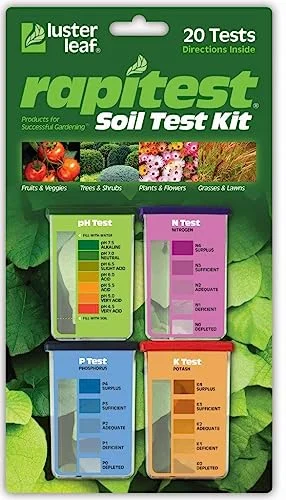 |
Rapitest Soil Test Kit, 20 Tests Wood ash’s whole effect is shifting pH – guessing instead of testing is how plants end up damaged.
|
Hardwood ash (oak, maple, ash) contains meaningfully more potassium and calcium than softwood ash (pine, fir), which is why most gardening guidance specifically recommends hardwood ash. Typical hardwood ash runs roughly 20-25% calcium carbonate equivalent, similar to garden lime, plus potassium, smaller amounts of phosphorus and magnesium, and trace minerals. It contains essentially no nitrogen, since nitrogen burns off as gas during combustion – wood ash is a liming and potassium amendment, not a complete fertilizer.
Wood Ash on Citrus and Houseplants: The Real Answer
Citrus trees, including calamansi, generally prefer slightly acidic soil in the 6.0-6.5 pH range – adding wood ash pushes pH the wrong direction for these plants and can lock out iron and other micronutrients they need, showing up as yellowing leaves over time. If you’re growing citrus in containers or in ground, skip wood ash entirely unless a soil test specifically shows your soil is too acidic for the plant, and even then apply cautiously and retest.
For houseplants generally, the same logic applies: most common houseplants (pothos, philodendron, most ferns) prefer neutral to slightly acidic soil, so wood ash is more likely to cause problems than help indoors. The exception is a houseplant known to prefer alkaline conditions specifically – check that plant’s own care guide rather than assuming ash is safe by default just because it worked outdoors.
How to Prepare and Store Wood Ash
- Let ash cool completely – spread it on a metal tray or leave it in a metal container for at least 24-48 hours, since embers can smolder under a cool-looking surface layer.
- Sift out unburned charcoal chunks and nails or hardware if the wood had any before it was burned.
- Store in a dry, sealed metal container – ash absorbs moisture readily and clumps, making it harder to spread evenly.
- Only use ash from clean, untreated wood – never ash from painted, stained, or pressure-treated lumber, charcoal briquettes, or trash, all of which can carry chemicals or heavy metals into your soil.
How Much to Use
A common guideline is roughly 1 cup of wood ash per 10 square feet of garden bed, applied no more than once a year – this is a starting point, not a fixed rule, since actual needs depend entirely on your soil’s current pH. Test first, apply conservatively, and retest a season later rather than repeating a full application annually without checking whether you actually need more.
Plants That Benefit vs. Plants to Avoid
| Benefits from wood ash | Avoid wood ash |
|---|---|
| Tomatoes, roses, lilacs | Blueberries, azaleas, rhododendrons |
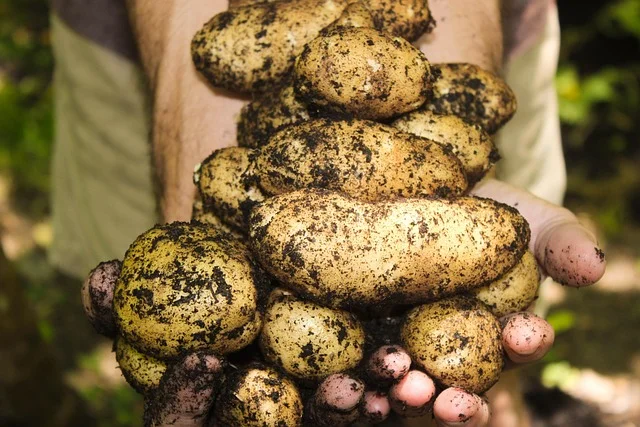
| Most brassicas (cabbage, broccoli) | Potatoes (raises scab risk) |
| Fruit trees in alkaline-deficient soil | Citrus, including calamansi |
| Lawns with genuinely acidic soil (test first) | Most houseplants (unless confirmed alkaline-loving) |
Application Methods
- Direct soil application: Sprinkle lightly and work into the top few inches of soil, keeping it away from direct contact with stems and root crowns.
- Compost pile: Add small amounts layered with other compost materials – too much ash at once can spike the pile’s pH and slow decomposition.
- Ash tea (liquid application): Steep a small amount in water for a day, strain, and use as a light liquid feed – this dilutes the effect and is gentler than direct soil contact for potted plants that can tolerate it.
Wood Ash vs. Garden Lime
Both wood ash and garden lime raise soil pH, but they’re not interchangeable. Wood ash acts faster since it’s already broken down into a fine, water-soluble form, while lime (calcium carbonate or dolomitic lime) works more slowly and predictably over a season. Wood ash also contributes real potassium, which lime does not, but its exact composition varies by what wood was burned, making it harder to dose precisely than a bagged, standardized lime product. If you’re managing a large vegetable garden where consistency matters, keep a log of roughly how much ash you’ve applied per bed each season so you can track the cumulative effect over time rather than guessing. For a large-scale, precise pH correction, lime is the more predictable choice; for a smaller garden where the extra potassium is welcome and some variability is acceptable, wood ash is a genuinely useful free alternative.
Using Wood Ash for Pest Deterrence
A thin ring of wood ash around plant bases can deter soft-bodied pests like slugs and snails, since the fine, alkaline particles are abrasive and drying to their skin – though this effect only lasts until the ash gets wet, which typically means every few days in an active garden, so it needs reapplying after rain or watering to stay effective. This is a real, if modest, effect rather than a complete pest control solution – treat it as one layer of defense alongside other slug and snail management, not a standalone fix. Ash is less effective against pests with hard exoskeletons, so don’t expect the same result against beetles or larger insects.
Signs You’ve Used Too Much
- Yellowing leaves despite adequate water and light – often a sign pH has climbed high enough to lock out iron or manganese uptake.
- Stunted growth after a previously healthy period – sudden pH swings stress root systems even in plants that could tolerate the eventual pH if it changed gradually.
- White, crusty buildup on the soil surface – visible mineral salt accumulation from excess ash, especially in containers with limited drainage.
- Reduced earthworm activity – earthworms are sensitive to pH swings, and a sudden drop in visible worm activity after an ash application is a useful early warning sign.
If you see these signs, stop applying ash immediately, water thoroughly to help dilute and leach excess minerals, and retest your soil pH before considering any further amendment. Recovery can take a full season, since pH changes don’t reverse overnight even once you stop the cause. Patience matters more than a second corrective amendment here – stacking fixes on top of an already-stressed pH situation usually makes recovery slower, not faster.
Adding Wood Ash to Compost the Right Way
Wood ash works best in compost when added in thin layers rather than dumped in bulk – a light dusting between layers of browns (dry leaves, cardboard) and greens (kitchen scraps, grass clippings) integrates without spiking the pile’s overall pH. Compost worms and the bacteria that drive decomposition both have pH preferences, and too much ash at once can slow the whole pile down rather than speeding it up as often claimed. A reasonable target is no more than about 5% of the pile’s total volume over its whole build-up, added gradually rather than all at once.
Frequently Asked Questions
What plants do not like wood ash?
Acid-loving plants like blueberries, azaleas, and rhododendrons, plus potatoes (higher scab risk) and citrus, including calamansi, which prefers slightly acidic soil that wood ash pushes in the wrong direction.
How do you apply wood ash to plants?
Sprinkle lightly around the base, avoiding direct stem contact, and work into the top few inches of soil. Roughly 1 cup per 10 square feet once a year is a reasonable starting point, adjusted based on a soil pH test.
What plants benefit most from wood ash?
Tomatoes, roses, lilacs, and most brassicas benefit from the potassium and calcium, especially in soil that’s already somewhat acidic and could use the pH lift.
Can I put wood ash on my calamansi or other citrus plant?
Generally no. Citrus prefers slightly acidic soil (roughly pH 6.0-6.5), and wood ash raises pH, which can lock out iron and other micronutrients citrus needs, showing up as yellowing leaves over time.
Conclusion
Wood ash is a real, useful liming and potassium amendment – but its entire effect comes from raising soil pH, which makes it wrong for acid-loving plants, potatoes, and most citrus including calamansi. Test your soil, apply conservatively, and match the plant to the amendment rather than assuming ash helps every plant equally. A few minutes with a pH test kit before you spread anything is genuinely the difference between a helpful amendment and an accidental plant-killer.
Sponsored / affiliate links. As an Amazon Associate I earn from qualifying purchases. I may earn additional commission from eligible campaigns.