What Size File for Milwaukee Chainsaw: Perfect Fit Guide
The Milwaukee chainsaw requires a file size of 5/32 inches for sharpening the chain. This size is suitable for the chain’s teeth, and using a different size can result in improper sharpening and reduced efficiency of the chainsaw.
Maintaining a chainsaw’s sharpness is essential for optimal performance and longevity. Milwaukee chainsaws are known for their durability and effectiveness in cutting through various materials, including wood and metal. However, a dull chainsaw can reduce its effectiveness, making it difficult to use and potentially dangerous.
Using the correct file size for sharpening the chain is crucial to ensure its proper functioning and maintain the chainsaw’s efficiency. We will discuss the importance of sharpening a chainsaw and how to use the correct file size for Milwaukee chainsaws.
Introduction To Milwaukee Chainsaw Sizing
Discovering the right file size for your Milwaukee chainsaw is crucial for optimal performance. Ensure precision and efficiency by understanding the appropriate size file to use, enhancing your chainsaw experience.
Importance Of Correct Chain Size
Using the correct chain size is crucial for the efficient and safe operation of your Milwaukee chainsaw. A chain that is too loose or too tight can lead to poor cutting performance, kickback, and increased wear and tear on your chainsaw. Therefore, it is important to know the correct size of the chain for your Milwaukee chainsaw before starting any cutting job.
Impact Of Incorrect Sizing
Using an incorrect chain size can cause serious damage to your Milwaukee chainsaw. If the chain is too loose, it can jump off the guide bar and cause damage to the chainsaw or the operator. On the other hand, if the chain is too tight, it can cause excessive wear on the guide bar and the chain, resulting in decreased cutting performance and the need for more frequent chain replacements.
To avoid these issues, it is important to ensure that you have the correct chain size for your Milwaukee chainsaw. You can find the recommended chain size in the user manual or by contacting Milwaukee customer service.
In conclusion, selecting the right chain size for your Milwaukee chainsaw is essential for safe and efficient operation. Using the wrong size chain can lead to damage to your chainsaw and decreased cutting performance. Therefore, always ensure that you have the correct chain size before starting any cutting job.
Milwaukee Chainsaw Models And Corresponding Sizes
When it comes to Milwaukee chainsaws, it’s essential to find the right size file for optimal performance and efficiency. Different models require different file sizes to ensure that the chainsaw’s cutting teeth are properly sharpened. In this section, we will explore the popular Milwaukee chainsaw models and their corresponding sizes, as well as guide you on how to find your model’s size requirements.
Popular Models And Their Specifications
If you own a Milwaukee chainsaw or are considering purchasing one, it’s crucial to know the specifications of the popular models and the corresponding file sizes they require. Below, you’ll find a table outlining some of the most sought-after Milwaukee chainsaw models along with their specifications:
| Model | Bar Length (inches) | Recommended File Size (inches) |
|---|---|---|
| M18 FUEL™ 16″ Chainsaw | 16 | 5/32 |
| M18 FUEL™ 18″ Chainsaw | 18 | 7/32 |
| M18 FUEL™ 16″ High Output Chainsaw | 16 | 5/32 |
| M18 FUEL™ 16″ Rear Handle Chainsaw | 16 | 5/32 |
These are just a few examples of popular Milwaukee chainsaw models and their corresponding file sizes. It’s important to note that the recommended file size may vary depending on the specific model and the type of cutting you’ll be doing.
Finding Your Model’s Size Requirements
To determine the correct file size for your Milwaukee chainsaw, you’ll need to consult the owner’s manual or check the manufacturer’s website for the model’s specifications. The recommended file size is typically listed in inches and can also be found on the packaging of the chainsaw or the chain itself.
If you’re unable to find the information in the manual or on the manufacturer’s website, you can contact Milwaukee’s customer support for assistance. They will be able to provide you with the correct file size for your specific model.
By using the appropriate file size for your Milwaukee chainsaw, you can ensure that your cutting teeth are sharpened correctly, resulting in efficient and precise cutting performance.
Measuring For The Perfect Fit
When it comes to finding the right size file for your Milwaukee chainsaw, proper measurement is key. Using the correct size file ensures that you can effectively sharpen your chainsaw blades, resulting in efficient cutting and optimal performance. In this guide, we will walk you through the step-by-step process of measuring for the perfect fit, so you can confidently tackle your next cutting project with ease.
Tools Needed For Measuring
Before we dive into the measuring process, let’s make sure you have the necessary tools on hand. Here’s what you’ll need:
- Tape measure or ruler
- Calipers (optional, but recommended for precise measurements)
Step-by-step Measuring Guide
Follow these simple steps to measure your Milwaukee chainsaw and determine the right size file:
- First, ensure that your chainsaw is powered off and the chain is properly secured.
- Locate the chain’s pitch measurement. This refers to the distance between any three consecutive rivets on the chain. You can find this information in the chainsaw’s manual or by checking the manufacturer’s website.
- Using a tape measure or ruler, measure the pitch of your chainsaw chain. Make sure to measure from the center of one rivet to the center of the next.
- If you prefer more precise measurements, you can use calipers to measure the pitch accurately.
- Once you have the pitch measurement, refer to the file size chart provided by Milwaukee or your chainsaw manufacturer. This chart will indicate the appropriate file size based on your chainsaw’s pitch measurement.
- Choose the file size that matches your chainsaw’s pitch measurement. This will ensure that you are using the correct size file for sharpening your chainsaw blades.
By following these steps and using the proper measuring tools, you can easily determine the right size file for your Milwaukee chainsaw. Remember, using the correct file size will enhance the performance and longevity of your chainsaw, making your cutting tasks more efficient and effective.
Chain Pitch And Gauge Essentials
When it comes to using a Milwaukee chainsaw, understanding the chain pitch and gauge essentials is crucial for optimal performance. The chain pitch and gauge directly impact the cutting ability and efficiency of the chainsaw, making it important to select the correct size file for maintenance and sharpening.
Defining Pitch And Gauge
Chain pitch refers to the distance between any three consecutive rivets on the chain divided by two. It is an essential measurement for identifying the size of the chainsaw chain and ensuring compatibility with the bar and sprocket. On the other hand, chain gauge determines the thickness of the drive links and must match the guide bar groove width for proper operation.
How To Determine Pitch And Gauge For Your Chainsaw
To determine the chain pitch and gauge for your Milwaukee chainsaw, you can refer to the owner’s manual or inspect the old chain for markings. Alternatively, you can use a pitch and gauge tool to measure these specifications accurately, ensuring the selection of the correct file size for maintenance and sharpening.
Drive Link Count: A Critical Factor
When it comes to choosing the right size file for your Milwaukee chainsaw, one critical factor to consider is the drive link count. The drive link count determines the compatibility between the chainsaw and the chain, ensuring optimal performance and safety. In this section, we will explore what drive links are and how to calculate the correct drive link count for your Milwaukee chainsaw.
What Are Drive Links?
Drive links are the protruding links on the underside of a chainsaw chain that fit into the guide bar’s groove. These links engage with the sprocket and drive the chain around the bar, allowing the chainsaw to cut through wood effectively. Each drive link consists of a drive link tang, which fits into the guide bar groove, and a rivet, which connects the drive links together.
Calculating The Correct Drive Link Count
To ensure proper functioning of your Milwaukee chainsaw, it is crucial to calculate the correct drive link count. Here’s a simple process to help you determine the appropriate drive link count:
- Check the specifications of your Milwaukee chainsaw. The drive link count required for your chainsaw is usually mentioned in the user manual or on the manufacturer’s website.
- Count the number of drive links on your chainsaw chain. This can be done by visually inspecting the chain and counting the number of protruding drive links.
- Compare the drive link count of your chain with the required count for your chainsaw. If the counts match, you have the correct size file. If they differ, you will need to replace the chain with one that has the appropriate drive link count.
Using the correct drive link count is vital for the smooth operation of your Milwaukee chainsaw. A mismatched drive link count can lead to poor cutting performance, increased wear and tear on the chainsaw, and potential safety hazards. Therefore, it is essential to ensure the drive link count of your chainsaw chain aligns with the manufacturer’s specifications.
Bar Length Basics
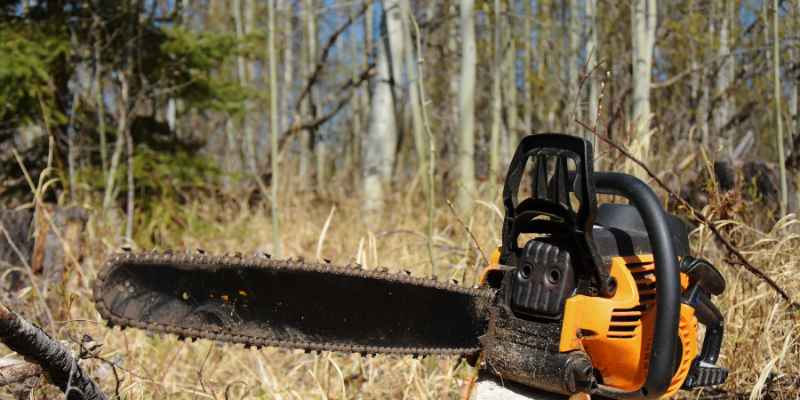
When it comes to using a Milwaukee chainsaw, understanding the basics of bar length is essential. The bar length is a crucial factor that determines the size of the file required for your chainsaw. In this guide, we’ll explore the role of bar length in sizing and how to accurately measure it.
Role Of Bar Length In Sizing
Bar length is the measurement from the tip of the chainsaw’s bar to where it enters the housing. It plays a significant role in determining the appropriate file size for sharpening the chainsaw’s chain. The bar length directly affects the cutting capacity and maneuverability of the chainsaw, making it an important factor to consider.
How To Measure Bar Length
Measuring bar length is a simple process that involves taking the measurement from the tip of the bar to the point where it enters the housing. To get an accurate measurement, ensure that the chainsaw is turned off and the bar is clean. Use a tape measure or ruler to measure the distance, rounding it to the nearest inch for convenience.
Compatibility And Performance
The Milwaukee chainsaw is compatible with files of various sizes, ensuring optimal performance for different cutting needs. Selecting the right file size for your Milwaukee chainsaw is crucial for maintaining its efficiency and extending its lifespan. With the appropriate file size, you can achieve the desired cutting precision and keep your chainsaw in top working condition.
Ensuring Chain Compatibility With Your Chainsaw
Choose the right chain size for your Milwaukee Chainsaw.
Refer to the manufacturer’s guidelines for compatibility.
Incorrect chain size can damage your chainsaw.
Effects Of Chain Size On Performance
Larger chains cut faster but consume more power.
Smaller chains are lighter and easier to handle.
Consider the task and your chainsaw’s power before choosing.
Maintenance And Replacement Tips
Find the right file size for your Milwaukee chainsaw with these maintenance and replacement tips. Ensure optimal performance and precision by selecting the appropriate file size for your chainsaw. Keep your chainsaw in top shape with the right maintenance practices.
Regular Maintenance for Optimal Sizing
Regular maintenance ensures optimal performance and sizing accuracy.
1. Clean the chain after each use to prevent clogging.
2. Inspect for wear and tear on the chain regularly.
3. Tighten any loose chain to maintain proper tension.
When to Replace Your Chainsaw Chain
Knowing when to replace your chainsaw chain is crucial.
1. Replace when teeth are worn or damaged.
2. Change the chain if it no longer cuts efficiently.
3. Consider a replacement if the chain jumps or vibrates.
Important: Regular maintenance extends the life of your chainsaw.
Troubleshooting Common Sizing Issues
Having trouble with the sizing of your Milwaukee chainsaw file? Don’t worry, we’ve got you covered. Our troubleshooting guide will help you determine the correct file size for your chainsaw, ensuring optimal performance and efficiency. Say goodbye to common sizing issues and get back to cutting with confidence.
Solving Chain Slippage
Check if the chain is tight enough.
Inspect for any damaged or worn-out parts.
Dealing With Uneven Cutting
Ensure the chain is properly tensioned.
Sharpen the chain regularly for smooth cutting.
Expert Advice And Resources
For optimal performance of your Milwaukee chainsaw, it is important to use the correct file size. Consult your owner’s manual or a trusted expert for advice and resources on what size file to use. With the right file, you can ensure your chainsaw runs smoothly and efficiently.
Consulting With Professionals
Seek advice from certified arborists or chainsaw experts.
They can recommend the ideal file size for your Milwaukee chainsaw.
Online Sizing Calculators And Guides
Utilize online tools for precise file size calculation.
- Enter your chainsaw model and bar length for accurate results.
- Ensure the file matches the chain pitch and gauge.
Conclusion: Ensuring Your Milwaukee Chainsaw Is Always Ready
For your Milwaukee chainsaw, use the correct file size to keep it in optimal working condition. Regular maintenance ensures peak performance.
Recap Of Key Takeaways

Final Thoughts On Chain Sizing
Frequently Asked Questions
What Is The Ideal File Size For Milwaukee Chainsaw?
The ideal file size for a Milwaukee chainsaw depends on the specific model and chain type. It’s recommended to refer to the manufacturer’s guidelines for the correct file size to ensure proper sharpening and maintenance of your chainsaw.
How Often Should I File My Milwaukee Chainsaw Chain?
To maintain optimal cutting performance, it’s recommended to file your Milwaukee chainsaw chain after every 5-10 hours of use. Regular sharpening helps prevent damage to the chain and ensures efficient cutting performance when using your chainsaw.
Can I Use A Universal File For My Milwaukee Chainsaw?
Using a universal file for your Milwaukee chainsaw may not provide the precise sharpening required for optimal performance. It’s best to use a file specifically designed for your chainsaw model to ensure proper sharpening and maintenance of the chain.
Conclusion
Choosing the right file size for your Milwaukee chainsaw is crucial for maintaining its cutting performance. By understanding the specifications of your chainsaw and the type of wood you’ll be cutting, you can select the appropriate file size to keep your chainsaw sharp and efficient.
Regular maintenance and proper filing techniques will ensure optimal performance and extend the lifespan of your Milwaukee chainsaw.