How Big of a Tree Can a 20-Inch Chainsaw Cut?
A 20-inch chainsaw cuts through a tree up to about 18 inches in diameter in a single pass, since the labeled bar length runs roughly 2 inches longer than the actual cutting length. Forcing a wider trunk into one pass can pinch the bar and cause dangerous kickback. This guide covers the real single-pass limit, the bore-cut technique for felling larger trees, and a bar-length-to-diameter chart for choosing the right saw.
What a 20-Inch Chainsaw Can Actually Cut
Best 20-Inch Chainsaw Pick
Husqvarna 455 Rancher 20-Inch Gas Chainsaw – $484.00
A 55.5cc gas engine sits right in the 50-70cc range this guide recommends for keeping chain speed up through hardwood at the 18-inch single-pass limit.
- Best for: Homeowners felling hardwoods up to the single-pass diameter limit covered in this guide
- Why we picked it: Engine power matches the range this guide recommends for a 20-inch bar in hardwood
- Main drawback: Higher price than off-brand gas saws, and heavier once fueled
Compare more 20-inch chainsaw options
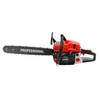 Option 1 Gas Chainsaw 20-Inch 62cc – $69.99
|
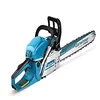 Option 2 62cc Gas Chainsaw 20-Inch Bar with Tool Kit – $89.99
|
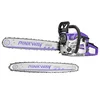 Option 3 63cc Gas Chainsaw 20-Inch, 2 Chains and Bars – $98.99
|
As an Amazon Associate we earn from qualifying purchases.
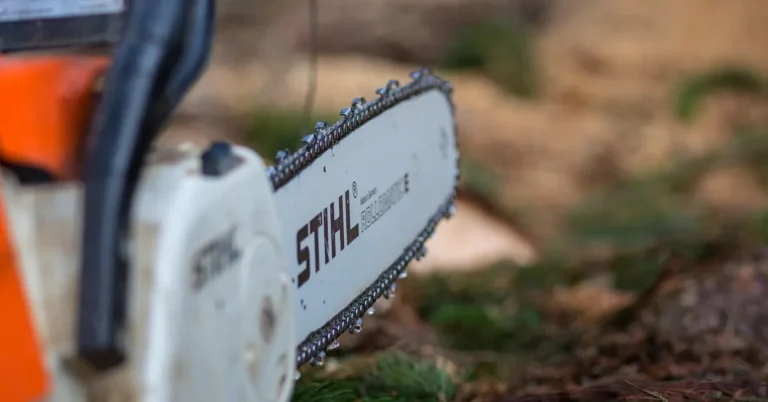
A chainsaw’s “20-inch” label refers to the guide bar’s total physical length, not the usable cutting length. About 2 inches of the bar sits inside the powerhead housing, so a 20-inch bar has roughly 18 inches of effective cutting length — see our guide on how to measure chainsaw bar length if you’re unsure which number is printed on your own saw. That effective length — not the number printed on the box — is what limits how wide a log or trunk you can cut through in a single pass.
That’s why the standard rule of thumb among loggers and arborists is to choose a bar at least 2 inches longer than the diameter of the wood you’re cutting. For a 20-inch chainsaw, that puts the comfortable single-pass ceiling at about 18 inches — not 20 and not 40, despite what some guides claim.
What About Trees Wider Than 18 Inches?
A 20-inch bar isn’t limited to 18-inch trees. By cutting from both sides of the trunk — or using a bore cut, covered below — an experienced operator can fell trees up to roughly 30 to 32 inches in diameter, close to twice the bar’s effective length. This only works safely with practice; see the step-by-step technique further down this guide.
Chainsaw Bar Length vs. Maximum Tree Diameter
The table below shows the realistic cutting range for common bar lengths, based on the 2-inch clearance rule for single-pass cuts and the roughly 2x-bar rule for both-sided felling cuts. If you’re comparing physical bar length against the chain’s drive-link count, our guide on how to size a chainsaw bar walks through matching the two. Use the table to match your saw — or your next saw purchase — to the trees you actually need to cut.
| Bar Length | Single-Pass Max Diameter | Both-Sided Cut Max Diameter | Best For |
|---|---|---|---|
| 14″ | ~12″ | ~22″ | Limbing, small firewood rounds |
| 16″ | ~14″ | ~26″ | Homeowner storm cleanup |
| 18″ | ~16″ | ~29″ | Mid-size hardwoods |
| 20″ | ~18″ | ~32″ | Full-size tree felling |
| 24″ | ~22″ | ~38″ | Large hardwoods, land clearing |
Sitting between two common sizes? Our 16 vs. 18-inch chainsaw comparison and 28-inch bar compatibility guide break down the engine power (cc rating) each bar length needs to actually perform — a bar that’s too long for the powerhead bogs down instead of cutting faster. For a full model-by-model shortlist, see our best chainsaws for wood cutting and clearing roundup.
How to Cut Trees Bigger Than Your Chainsaw Bar
When a trunk is wider than your bar’s effective cutting length, a bore cut (also called a plunge cut) lets you fell it in sections instead of one straight pass. The technique is outlined by University of Georgia Extension’s chainsaw safety guidance for professional and homeowner fellers alike.
- Cut the standard notch: Make your face notch on the side the tree will fall, angled about one-third into the trunk, exactly as you would on a smaller tree.
- Plunge the tip into the hinge line: Starting behind the notch, angle the bar tip into the wood and push straight in until the bar is buried, avoiding the bottom quarter of the bar tip to prevent kickback.
- Swing the cut forward and back: Pivot the saw to extend the plunge cut forward toward the notch and backward toward the rear of the trunk, leaving an uncut hinge of wood to control the direction of the fall.
- Size the hinge to the trunk: UGA Extension recommends a hinge equal to about 10% of the remaining wood on trees up to 24 inches, tapering to about 5% on trees larger than that.
- Finish from the back: Once the plunge cut reaches around the back of the trunk, step back and let the hinge do its job as the tree begins to fall.
📊 On trees over 24 inches in diameter, the hinge should be left at just 5% of the remaining wood — half the 10% used on smaller trees — because a thicker trunk needs less holding wood to stay controlled through the fall. Source: University of Georgia Extension, Circular 1220 (2023)
“The saw should have an engine powerful enough to do the job; a bar that is slightly longer than the diameter of the tree. If you are not familiar with a bore cut, practice it before tackling a standing tree.”
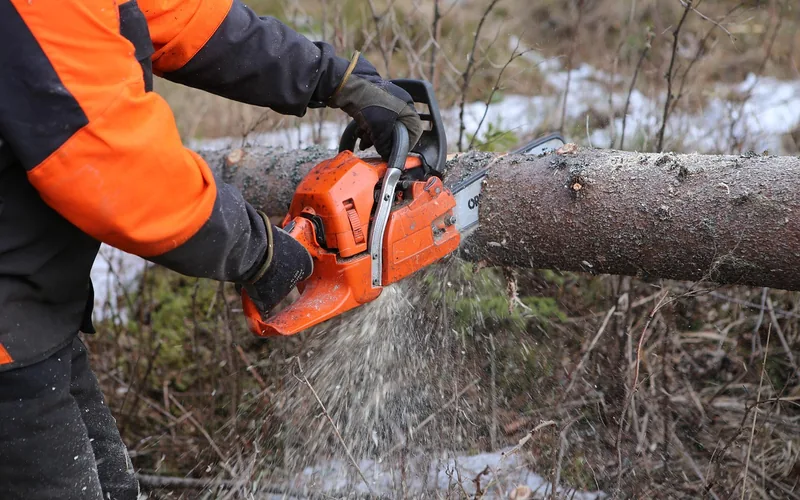
Key Features of a 20-Inch Chainsaw
- Engine power: Typically 50cc to 70cc on gas models — enough to keep chain speed up in thicker hardwood.
- Bar length: The 20-inch guide bar gives roughly 18 inches of usable cutting length.
- Weight: Usually 12 to 16 lbs bare, heavier than homeowner-class 14 to 16-inch saws — expect two-handed control at all times.
- Chain pitch: Most 20-inch bars run .325″ or 3/8″ pitch chain; check your model before ordering replacement chain.
Step-by-Step: Felling a Large Tree With a 20-Inch Chainsaw
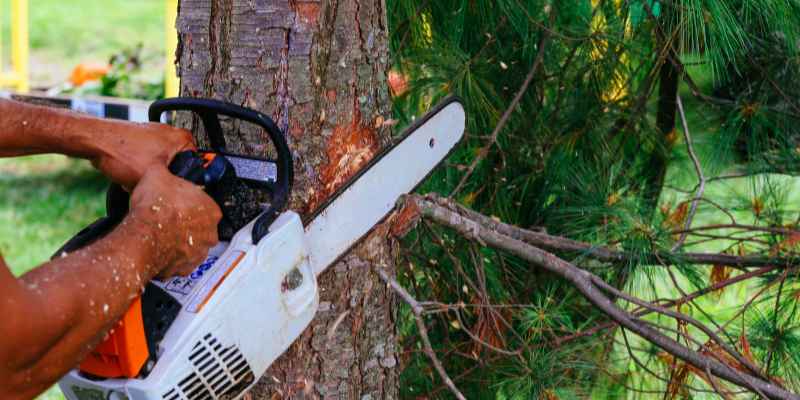
When it comes to cutting large trees within the single-pass range, having the right technique matters as much as bar length. Follow these steps for a controlled, directional fall.
- Assess the tree: Evaluate size, lean, and surroundings, and identify any dead branches or hazards overhead before starting.
- Create a safety zone: Clear a work area equal to at least twice the tree’s height and keep bystanders out of it.
- Plan your escape route and fall direction: Pick two retreat paths at roughly 45 degrees away from the planned fall line, and clear obstacles from the fall zone.
- Make the notch cut: Cut a notch on the side facing the desired fall direction, angled about 60 to 70 degrees and reaching roughly one-third into the trunk.
- Make the back cut: Cut horizontally from the opposite side, a few inches above the notch’s base, stopping short of the notch to leave a hinge of uncut wood.
- Let the hinge guide the fall: Step back along your escape route as the hinge wood bends and the tree begins to fall in the notch’s direction.
- Buck and clear: Once the tree is down, cut the trunk into manageable sections and clear branches, working from the base toward the top.
Safety Precautions
Felling and bucking large trees carries real risk of kickback, being struck by falling wood, or a “barber chair” split up the trunk. Keep these precautions in mind every time:
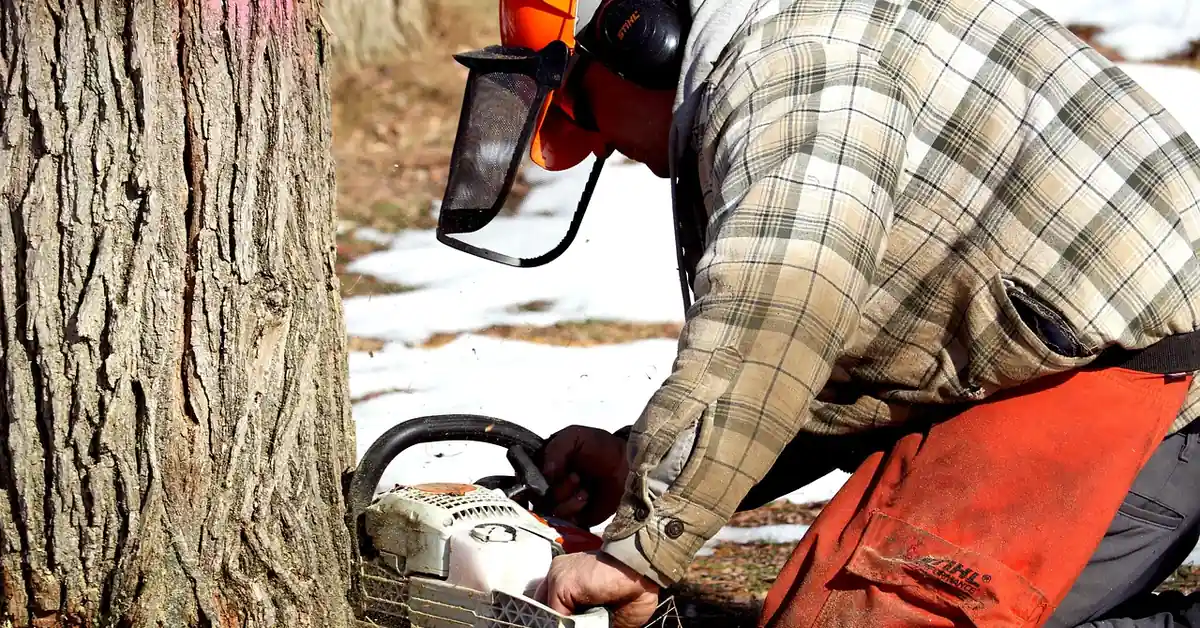
- Wear protective gear: Safety goggles or a mesh face shield, hearing protection, a hard hat, gloves, and chainsaw chaps.
- Inspect the chainsaw first: Check chain tension and sharpness, and confirm the chain brake engages properly before starting the engine.
- Keep a safe distance: Stay clear of the fall zone and never position yourself directly behind a leaning or hung-up tree.
- Work with a spotter: A second person nearby can call out hazards you can’t see through PPE.
- Skip hazardous conditions: High wind, heavy rain, or ice on the bark all raise the risk of an uncontrolled fall — wait it out.
For handling a chainsaw on cut branches specifically, proper chainsaw grip and stance matters as much on a battery model as a gas one — the kickback risk doesn’t change with the power source.
20-Inch vs. Larger Chainsaws: Does Size Matter?
A 20-inch chainsaw covers most homeowner and small-property felling jobs, but a 24-inch or larger saw earns its keep once you’re regularly working trunks past 30 inches. The tradeoff is weight and control — every 2 inches of added bar length adds noticeable heft and makes the saw harder to manage one-handed for limbing.
- Stick with 20 inches if: most of your trees run under 30 inches in diameter and you want a saw light enough for solo storm cleanup.
- Size up if: you’re regularly felling mature hardwoods over 30 inches, or bucking large logs where extra reach avoids constant repositioning.
Already own a 20-inch saw and just need more reach occasionally? See whether you can put a larger bar on your chainsaw before buying a second saw outright — it depends on your powerhead’s rated bar length and chain pitch.
Maintaining Your Chainsaw for Optimal Performance
A well-maintained 20-inch chainsaw holds its cutting capacity longer — a dull chain or low bar oil shrinks your effective cutting range well below the 18-inch single-pass figure above.
- Clean after every use: Clear sawdust and debris from the bar groove and clutch cover to prevent clogging.
- Check the chain for wear: Replace it once you see damaged or stretched links rather than trying to re-tension around the damage.
- Keep the bar oiled: Check the oil reservoir before every job — a dry bar overheats and cuts slower long before it fails outright.
- Sharpen regularly: Touch up the chain every 2 to 3 hours of cutting; fine sawdust instead of coarse chips is the first sign it’s overdue.
- Inspect the air filter: A clogged filter starves the engine and reduces the chain speed that determines cutting capacity.
Expert Tips for Efficient Chainsaw Use
Get the most from a 20-inch chainsaw by respecting its real limits rather than its labeled size. Keep both hands on the saw at all times, maintain a firm footing before you start the cut, and use the tip guard zone — the lower quarter of the bar nose — only with extreme caution, since that’s where kickback originates. A sharp chain cuts faster and safer than a dull one pushed harder to compensate, and fresh bar-and-chain oil matters just as much as sharpness for keeping the saw running true through a long cutting session.
Take a short break every 20 to 30 minutes of continuous cutting. Fatigue is one of the most common contributors to loss of control on a saw this size, since a 20-inch chainsaw typically weighs 12 to 16 lbs bare and more once fueled.
Environmental Considerations and Best Practices
Sustainable cutting practices matter regardless of how big a tree your saw can handle. Only cut trees that are necessary for safety, health, or approved land management, and always confirm any required local permits before felling on your property.
- Avoid protected habitats: Check for nesting wildlife or protected tree species before cutting.
- Replant where practical: Offsetting removed trees helps maintain the local canopy and soil stability.
- Respect property lines: Confirm boundaries before felling anything near a shared fence or lot line.
Frequently Asked Questions
How big of a tree can a 20-inch chainsaw cut?
A 20-inch chainsaw cuts trees up to about 18 inches in diameter in a single pass, since roughly 2 inches of the bar sits inside the housing. Cutting from both sides of the trunk extends that to around 30 to 32 inches. Actual results still depend on wood type, chain sharpness, and operator skill.
Can a 20-inch chainsaw cut a tree bigger than its bar?
Yes, using a bore cut (plunge cut) from both sides of the trunk. This lets an experienced operator fell trees up to roughly twice the bar’s effective cutting length, though the technique should be practiced on smaller wood before attempting it on a standing tree.
What’s the difference between a 20-inch and a 24-inch chainsaw bar for cutting trees?
A 24-inch bar adds about 4 inches of single-pass cutting range over a 20-inch bar — roughly 22 inches versus 18 inches — but it also adds weight and requires more engine power (typically 60cc or more) to keep chain speed up in hardwood.
Can a 20-inch chainsaw handle hardwood trees?
Yes. Hardwoods like oak, maple, or beech are denser and cut more slowly than softwoods, but a 20-inch chainsaw with adequate engine power (50cc or more) and a sharp chain handles them within the same 18-inch single-pass limit.
What safety precautions should be taken while using a 20-inch chainsaw?
Wear protective gear including a helmet, face shield or goggles, hearing protection, gloves, and chainsaw chaps. Maintain a firm two-handed grip and stable stance, keep bystanders at a safe distance, and stay aware of kickback risk from the bar’s lower tip.
How often should the chain of a 20-inch chainsaw be sharpened?
Sharpen the chain roughly every 2 to 3 hours of active cutting, or sooner if it starts producing fine sawdust instead of coarse chips — a clear sign the cutters are dull and the saw’s real cutting capacity is shrinking.
Conclusion
A 20-inch chainsaw’s true single-pass limit is about 18 inches in diameter, with the bore-cut technique extending that to roughly 30 to 32 inches on larger trunks. Match the bar length to the trees you actually cut, keep the chain sharp, and treat the bore cut as an advanced skill to practice before you need it on a standing tree.
Sponsored / affiliate links. As an Amazon Associate I earn from qualifying purchases. I may earn additional commission from eligible campaigns.