How to Square File a Chainsaw Chain (Correct Angles and Tools)
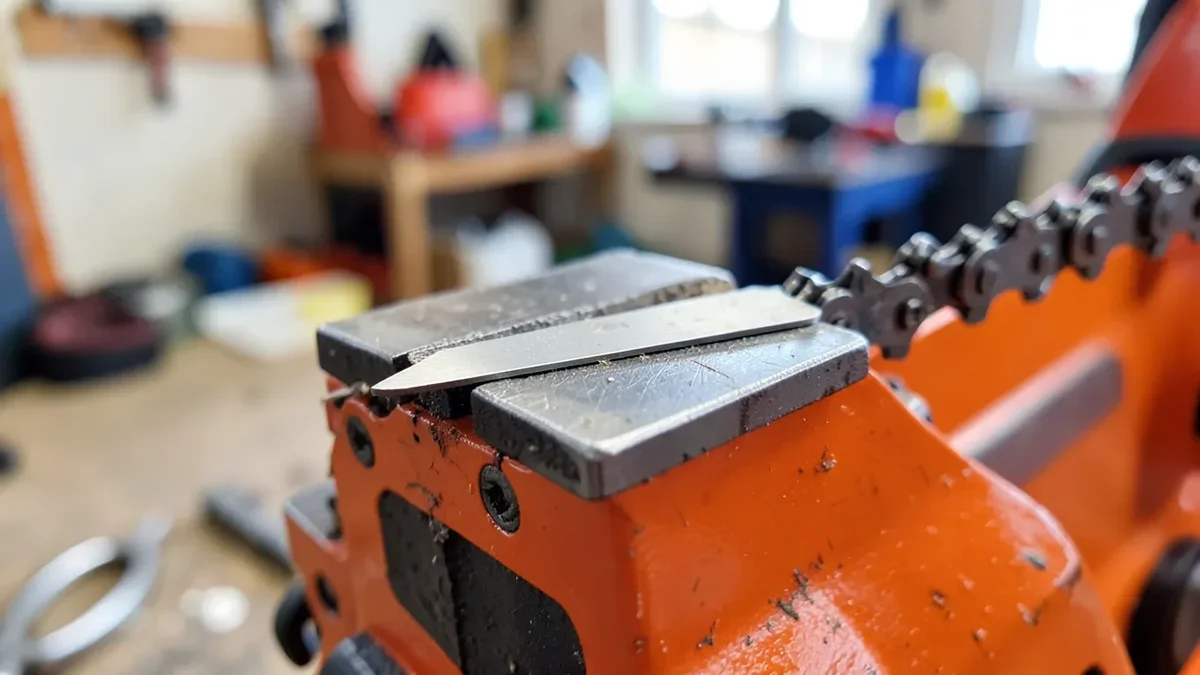
To square file a chainsaw chain, clamp a flat (square) file or a square-filing jig against the cutter’s top plate at a steeper angle than round filing – typically in the 40-50 degree range – and file each corner to a crisp 90-degree edge, then reset the depth gauges (rakers) afterward. Square filing is a different process from standard round filing: it uses a flat file, not a round one, and it’s meant for square-ground chisel chain, not the round-ground safety chain that comes on most homeowner saws.
If you searched for this because a chain shop or a milling forum mentioned “square-ground chain” or “square filing,” here’s the short version: it’s a real, specific sharpening method used mostly on aggressive-cut chains for chainsaw milling, competition cutting, and full-time firewood work, where the extra cutting speed is worth the extra maintenance attention. It is not the same job as touching up the standard chain most homeowners run, and using the wrong file or the wrong angle on the wrong chain type is a real way to end up with a chain that cuts poorly or kicks back more than it should.
Square Filing vs. Round Filing: Get This Straight First
Best Square-Filing Guide Pick
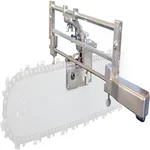 |
Granberg File-N-Joint Bar-Mounted Filing Guide – $62.00 The bar-mounted guide keeps every cutter at the same angle, which is exactly what square filing needs to work.
|
Chainsaw chain comes in two basic cutter shapes. Round-ground (also called round-chisel or “safety”) chain has a rounded top plate corner and is filed with a round file that matches the chain’s gauge – the file size stamped on the chain packaging or listed in your saw’s manual. This is what’s on almost every consumer chainsaw sold at a hardware store, and it’s what most sharpening guides on the internet, including an older version of this page, are describing when they say “sharpen the chain.”
Square-ground (or square-chisel) chain has a squared-off, near-90-degree corner on the cutter instead of a rounded one. That square corner is what makes it cut roughly 10 to 15 percent faster than round-ground chain in the same wood, because it presents a sharper, more aggressive edge to the fiber. The trade-off is that the corner is also more fragile and wears faster, and it can’t be properly restored with a round file – you need a flat or square file and a guide built to hold the correct angle, which is where the term “square filing” comes from.
If you’re not sure which one is on your saw, look at the cutter itself, not just the chain’s model number. A rounded top-plate corner is round-ground and gets round-filed. A crisp, squared-off corner is square-ground and gets square-filed. Mixing the two techniques up – round-filing a square-ground chain, or trying to force a square angle onto a round-ground chain – will not restore the cutter’s actual shape and wastes the metal that’s left for future sharpenings.
Do You Actually Need Square Filing?
For most homeowners cutting firewood, clearing storm damage, or doing occasional yard work, the round-ground chain that came on the saw is the right tool, and standard round filing (see our guide to matching file size to chain if you’re working with round-ground chain) is all it needs. Square-ground chain and square filing make the most sense if you fall into one of these groups:
- You run a chainsaw mill, where every extra percent of cutting speed matters across long, repetitive rip cuts.
- You cut firewood or timber professionally or near-daily, and the faster cutting speed offsets the extra time square filing takes.
- You run a saw in wood-cutting competitions, where square-ground chisel chain is the standard.
If none of that describes you, there’s no real downside to sticking with round-ground chain and round filing – it holds an edge longer between sharpenings and is more forgiving of small filing errors, which matters if you’re not sharpening chains every week.
Tools You Need for Square Filing
Square filing takes different tools than round filing, and this is the step where most first attempts go wrong:
- A flat (mill) file sized to your chain’s pitch, not a round chainsaw file. A round file cannot cut a flat, square corner no matter how it’s angled.
- A bar-mounted filing guide that clamps to the guide bar and holds the file at a fixed, repeatable angle. Doing this freehand is possible for an experienced sharpener, but a guide is what keeps every cutter identical, which matters more on square-ground chain than round.
- A depth gauge (raker) tool matched to your chain’s profile, used after filing the cutters.
- A flat file card or file cleaning brush to clear metal filings out of the file’s teeth – a clogged flat file skates instead of cutting and rounds over the corner you’re trying to keep square.
A jig-mounted setup like the one below removes most of the guesswork on angle consistency, which is the single biggest factor in whether a square-filed chain cuts straight afterward.
The Correct Angles for Square Filing (and Why They Matter for Kickback)
Square-ground cutters are typically filed with a top-plate angle in the 40 to 50 degree range, compared with roughly 35 to 45 degrees on a round-ground chisel chain – always check your specific chain manufacturer’s spec sheet, since the exact number varies by chain model. That steeper, more aggressive angle is exactly why square-ground chain cuts faster, and it’s also why getting the angle wrong matters more here than it does on round-ground chain.
This is a genuine safety point, not scare-mongering: an over-aggressive or inconsistent top-plate angle increases a chain’s tendency to grab and kick back, because the cutter is taking a more aggressive bite than the bar and saw are set up to control smoothly. Square-ground chain already runs a steeper angle than standard safety chain by design, so a filing mistake that pushes the angle even steeper compounds a risk that’s already higher than it is on round-ground chain. Two things keep that risk in check:
- Use a filing guide set to your chain manufacturer’s specified angle, and don’t eyeball it freehand until you have real experience reading a square-ground edge.
- File every cutter to the same angle and the same length. An inconsistent chain – some cutters more aggressive than others – is more likely to grab unevenly than a chain that’s uniformly sharp, even if every individual cutter is technically within spec.
If you’re new to chain sharpening in general, round filing a round-ground chain is the more forgiving place to start; square filing is worth learning once you’re already comfortable reading a cutter’s edge and keeping a consistent angle by feel.
Step-by-Step: How to Square File a Chainsaw Chain
1. Clean and Inspect the Chain
Wipe down the chain and check each cutter for chips, cracks, or a corner that’s already rounded over from wear or a previous round-file touch-up. A cutter with a chipped corner needs more material removed to restore the square shape, so plan on a slightly longer first pass.
2. Mount the Guide and Set the Angle
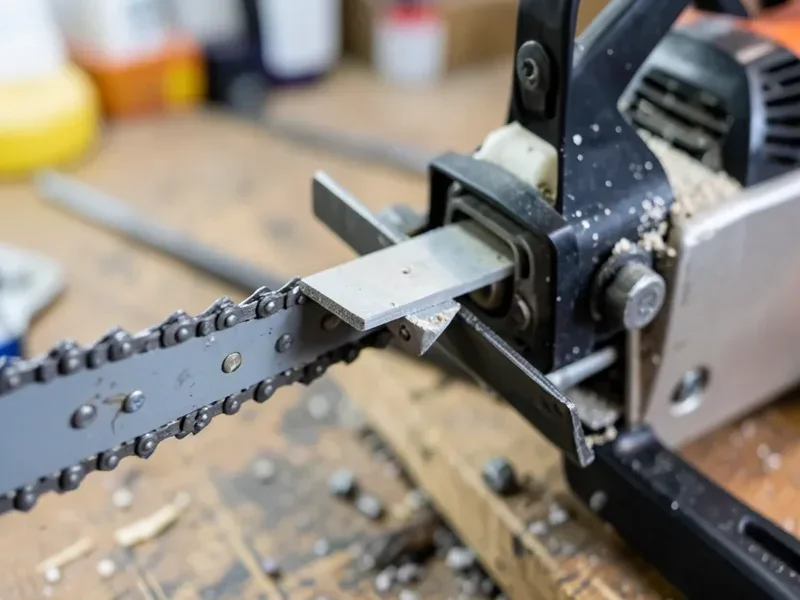
Clamp the filing guide onto the bar (see the correct chain direction first if you’ve just installed or flipped the chain) and set it to your chain’s specified top-plate angle. Lock the guide down; a guide that shifts mid-stroke is the most common reason a “square filed” chain still comes out inconsistent.
3. File the Top Plate
Push the flat file forward across the top plate in one direction only – filing on the back stroke rounds the corner you just squared. Use light, even pressure and the same number of strokes on every cutter (start with 2 to 3 strokes and add more only if the edge isn’t fully restored).
4. File the Side Plate
Square filing shapes both the top plate and the side plate of the cutter into a true square corner, not just the top. Check the guide’s second angle setting for the side plate pass, and again file forward-only.
5. Work Every Other Cutter, Then Flip the Chain
Sharpen every cutter facing the same direction first, then flip the guide (or the saw) around and do the opposite-facing cutters. This keeps you filing in a consistent direction the whole time instead of alternating strokes on adjacent teeth.
6. Reset the Depth Gauges
Filing the cutter shortens it slightly, which changes how far the depth gauge (raker) sits ahead of the cutting edge. Use a depth gauge tool matched to your chain to check and, if needed, file the rakers back down – skipping this step is one of the most common reasons a freshly square-filed chain still cuts slower than expected.
7. Check Your Work
Run a finger (carefully, along the back of the cutter, never across the edge) or a magnifier over each tooth to confirm the corners look identical from cutter to cutter. Uneven cutters are easier to spot before the chain goes back on the saw than after a few minutes of cutting reveal it by pulling to one side.
Common Square-Filing Mistakes
- Using a round file out of habit. A round file cannot create or maintain a true square corner – it will just round the corner back over on the next sharpening.
- Filing on the push and the pull stroke. This is the fastest way to lose the crisp corner square filing depends on.
- Skipping the depth gauges. Cutters that get shorter without the rakers being adjusted to match will cut less aggressively over time even though the edge itself is sharp.
- Inconsistent angle from cutter to cutter. This is the mistake most directly tied to the kickback point above – a guide is worth using specifically to avoid it.
- Over-filing a chipped cutter in one pass. Take a chipped corner back gradually over two sharpenings rather than removing a large amount of metal in one session, which shortens the cutter’s usable life.
How Often to Square File
Square-ground chain dulls faster than round-ground chain because that same sharp corner that cuts fast also wears fast, especially if the saw touches dirt, rocks, or old fence wire hidden in a log. As a practical rule, check the cutters every couple of tanks of fuel during heavy use (milling, all-day firewood cutting) and square file as soon as you notice the saw needs more downward pressure to cut, rather than waiting until it’s visibly dull. Waiting too long between sharpenings means removing more metal to restore the square corner, which shortens the chain’s total lifespan.
Square Filing vs. Taking It to a Pro
A bar-mounted filing guide gets a careful DIYer most of the way to a professionally sharpened square-ground chain, but a bench or electric chain grinder set up specifically for square grinding will produce a more uniform edge with less practice, since the machine controls the angle instead of your hands. If you’re milling regularly or running a square-ground chain daily, it’s worth having a shop true up the chain periodically even if you’re doing routine touch-ups yourself between visits.
Frequently Asked Questions
Can I Use a Round File to Square File a Chainsaw Chain?
No. A round file cannot cut or maintain the flat, square-cornered top plate that square-ground chain needs – it will round the corner over instead. Square filing requires a flat (mill) file sized to your chain’s pitch, ideally held in a filing guide set to the correct angle.
What Is the Difference Between Square-Ground and Round-Ground Chain?
Round-ground (standard safety) chain has a rounded top-plate corner and is filed with a round file. Square-ground (chisel) chain has a squared, near-90-degree corner, cuts about 10 to 15 percent faster, and needs a flat file and square-filing technique instead.
Does Square-Ground Chain Increase Kickback Risk?
Square-ground chain runs a steeper, more aggressive top-plate angle than standard round-ground safety chain by design, and an over-aggressive or inconsistent filing angle raises kickback tendency on any chain. That means filing errors matter more on square-ground chain than on round-ground chain – using a filing guide and keeping every cutter’s angle consistent is the main way to keep that risk in check.
How Often Should I Square File My Chainsaw Chain?
Check cutters every couple of tanks of fuel during heavy use and file as soon as the saw needs extra pressure to cut, rather than waiting until the chain is visibly dull. Square-ground chain dulls faster than round-ground chain, so it typically needs more frequent attention.
Can I Square File a Chainsaw Chain Myself, or Should I See a Pro?
A bar-mounted filing guide and a flat file let most people square file at home with practice. If you mill lumber or run square-ground chain daily, periodically having a shop true the chain up on a bench grinder set for square grinding will keep the edge more uniform than hand filing alone.
Bottom Line
Square filing is a real, worthwhile technique if you’re running square-ground chisel chain for milling, competition, or heavy professional cutting – but it’s a different job from the round filing most homeowners need for the standard chain on their saw. Use a flat file, not a round one, match the angle to your specific chain’s spec sheet, keep every cutter identical, and reset the depth gauges afterward. Get those details right and a square-filed chain will out-cut a round-ground one by a real, noticeable margin.
Sponsored / affiliate links. As an Amazon Associate I earn from qualifying purchases. I may earn additional commission from eligible campaigns.