What To Do With Wood Ash: Proven Garden Good
What to do with wood ash? Use clean, fully cooled wood ash sparingly! It adds valuable potassium and liming action, improving soil pH for acid-loving plants. Test your soil first. Handle softwoods (like pine) carefully, focusing ash application on garden perimeters to deter pests and lightly mixing with compost for nutrient balance. Prioritize safety always.
Hello, makers! I’m Md Meraj, and I love showing you how simple crafting can be—even when turning everyday byproducts into garage treasures or garden havens. If you use wood to heat your shop or hearth, you quickly run into firewood residue: wood ash. It piles up! You might wonder: can this stuff actually help my garden, or is it just fireplace scrap bin fodder? Forget the guilt of wasted scrap. Good-quality, clean wood ash is actually a fantastic, nearly free amendment loaded with nutrients. Stick with me. We’ll walk through exactly how master gardeners use this surprisingly useful material safely. You’ll learn precise ways to sprinkle nutrients back into your soil and say goodbye to that ash heap in your yard!
The Secret Value of Wood Ash in Your Garden
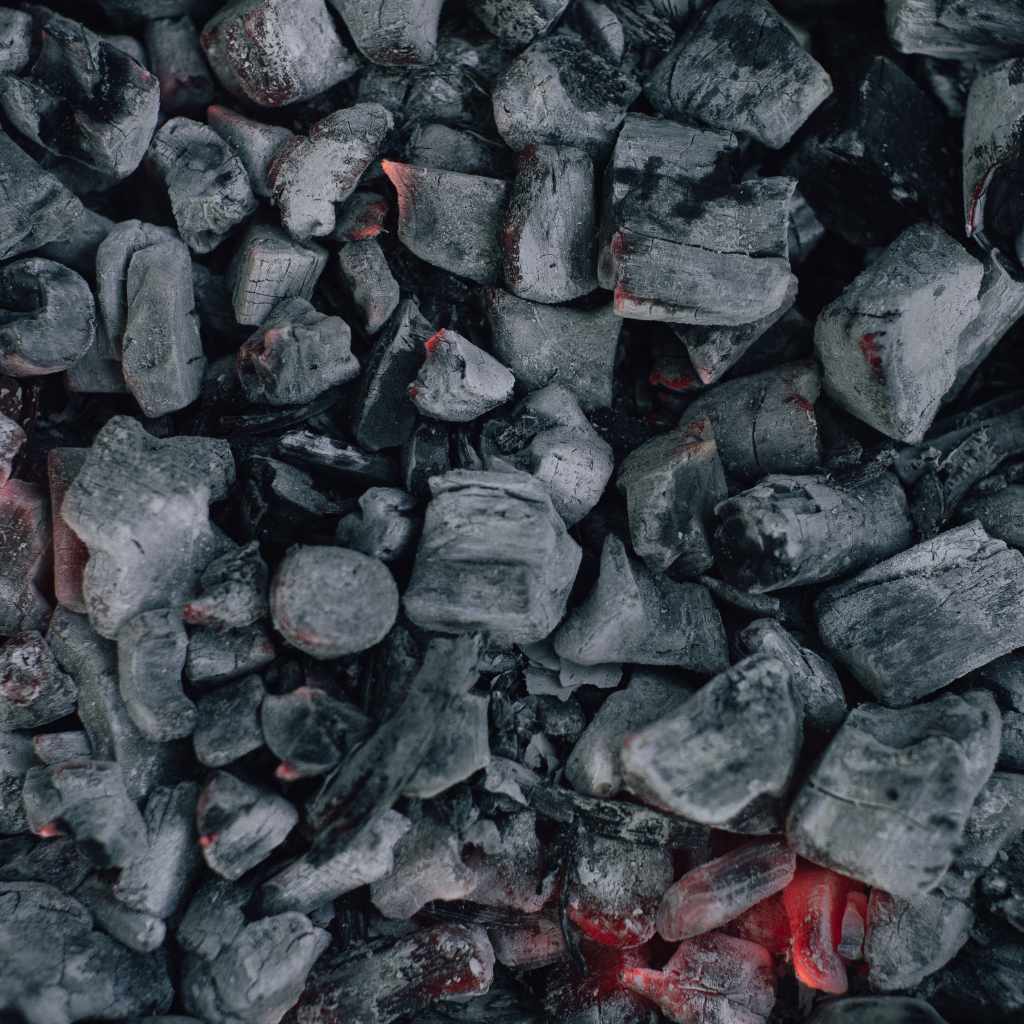
That cooled grayish mound left over from burning clean wood isn’t always an issue; it means valuable elements. Wood ash, contrary to what some might suspect, is highly mineralized powerhouse leftover from heating. It’s not just burnt bits—it’s a genuine soil conditioner once you know you how to safely apply it as a seasoned DIYer would. Used properly, it gives your soil boost some expensive commercial blends try to replicate naturally.
Why Wood Ash is Garden Gold (The Chemistry Explained Simply)
When organic wood material burns, nearly all the non-combustible material collects as ash. What’s left are key minerals plants crave! Think of it as super-concentrated dirt nutrition.
Primary Nutrients Found in Wood Ash
While ash generally lacks Nitrogen (N) Phosphorus (P)—the first two big names in NPK fertilizer—it excels at giving potassium (K), which supports strong stems, robust root development, and better disease resistance.
- Potash (Potassium Oxide): Crucial for water regulation in the plant and enzyme activation. Wood ash can be fantastically high in usable potassium.
- Calcium Carbonate: This is the key element that makes applying ash similar to adding limestone to the garden! It cancels out troublesome garden soil acidity.
- Trace Minerals: You’ll also find helpful tiny amounts of magnesium, phosphorus, iron, and boron (always needed in minuscule amounts for plant health.)
Mineral Differences: Hardwood vs. Softwood Ash
Does chopping oak versus cedar change the final heap much? Yes, it honestly does! Density and mineral uptake when the tree was growing means heavier wood yields ash with richer mineral content overall. Experienced gardeners know this distinction matters slightly, though both must be managed carefully.
| Wood Type | Approximate Liming Power (pH Correction) | Potassium Level |
|---|---|---|
| Hardwoods (Oak, Maple, Ash) | Excellent/Highest | High |
| Softwoods (Pine, Fir, Spruce) |
Good | Moderate |
| Fruit Woods (Apple, Cherry) | Very Good | Varies; rich minerals due to fruitful stage |
Safety First: What You Must NEVER Burn or Use
Before we dive into application, holding up! In our shop workshops, safety always precedes optimization. Not everything burned in your stove belongs anywhere near your lettuce patch. Introducing toxins by accident is one of wood ash mistakes newbies make.
Safety Tip from Meraj: If it’s not natural timber that arrived free of paints, stains, or preservatives, it stops being ‘garden good’ and becomes ‘hazardous household waste.’ Use extra caution; your food matters!
- Treated or Painted Wood: Absolutely forbidden. Wood treated with chemicals (even old pressure-treated lumber) contains arsenic, copper, or chrome, which will poison the earth.
- Glossy Paper/Cardboard/Magazines: Printer inks contain heavy metals.
- Sulphur Sticks/Match Heads: These add sulfur compounds that leach unfairly into the soil composition rapidly.
- Construction Debris (Trim Mouldings, Plywood): Almost always bonded with glues containing formaldehyde or urea, turning useful ash toxic.
- Ash from Treated Seedling Trays: Assume any treated box or container wood has absorbed bad compounds over decades that will release when burned.
A Crucial Starting Step: Know Your Soil First (pH Testing!)
Wood ash massively increases pH—it makes your naturally alkaline or neutral soil become alkaline faster. We call this component in ash a “liming agent,” used to raise pH (make the soil less acidic). If your soil garden section is already somewhat alkaline (check this with an inexpensive soil testing kit, highly recommended for home growers), adding too much ash hurts your vegetables because they struggle to absorb vital micronutrients at high pH.
For beginners, simplicity rules. Purchase a reliable soil pH test meter or use litmus strips (External Link: USDA Gov Gardening resources on soil pH – Assume this example links to a relevant external source on soil testing basics which highlights why one must test their local garden pH level).
Quick Guide to Reading Soil pH with Ash in Mind
| Gardening Zone Type | Acidity (pH) Needed for Best Vego Growth | Ash Application Plan |
|---|---|---|
| Average Vegetable Patch (Tomatoes, Beans) | Neutral bordering on slightly acidic (6.0 – 7.0) | Use ashes sparingly where needed to nudge pH up slightly over time. |
| Acid-Loving Plants (Blueberries, Rhododendrons) | Highly Acidic (4.5 – 5.5 pH) | DO NOT use garden wood ash. Ash will neutralize this soil completely, harming them. |
Proven Methods for Applying Wood Ash in the Garden
Once you confirm your soil needs amending (needs to be made less acidic), how do you spread this potent gray powder without burning your plants?
Method 1: The Compost Accelerator Boost
The first (and safest!) general-purpose strategy is integrating ash directly into your composting system. This dilutes the immediate impact of the minerals, making the nutrients release slowly and evenly over time.
Composting How-To incorporating Ash:
- Capture only thoroughly cooled ash that comes from burning raw hardwood if possible.
- Layer ash thinly—no thicker than one or two kitchen sponges—directly into your green/brown component pile. It generally goes above your green material scraps. (It’s a good “brown” ingredient in small doses!)
- Mix compost actively. Keep ash distributed, avoiding placing thick clumps in only one side of the pile.
- Mature compost is safe nutrient fuel! Apply this finished, microbe-rich humus, not just piles of ash.
Method 2: Spot Treatment for Specific Beds
This requires more precision. Never simply dump ash fertilizer across your entire area. Hardwood ash contains the equivalent of about 3–4 pounds of nitrogen per ton of source material initially, but 25–30% lime. We aim less for nutrition (which already has its roots via compost breakdown) and more for pH conditioning annually.
Use common sense dilution here—one kitchen measuring cup spread lightly over a sixteen-foot row, broadcast or dotted around where needed, covers most beginner mistakes.
We generally recommend scattering finely sifted or screened ash just before planting, turning it lightly into the top inch of topsoil where most root access occurs within the nutrient management zone for shallow feeding vegetables. Consult state agricultural recommendations if you’re treating vegetable beds heavily on a commercial scale, but for the home yard, err on the side of ‘too little is enough.’
Method 3: Protecting Roots, Fencing the Rows
This method relies on wood ash acting as a mild, natural insect repellent layer, not a nutrient supplier. This works wonders on smooth-bodied, crawling pests like slugs and snails in humid environments.
Slug Barrier Application in Specific Patches:
- Identify plants susceptible to crawling pests (e.g., young hostas, tender emerging squash seedlings).
- When weather is dry (ash loses effectiveness when saturated instantly), create a delicate dusting border—just a pencil-width thin ring—around the entire base of critical plants.
- The fine, slightly caustic grit is disliked instantly by their smooth membranes.
Again, be extra stingy! Too wide of a ring, and you’re unintentionally spiking the pH adjacent to what you are trying to protect!
What Plants Love the Boost from Wood Ash?
Remember who loves liming and potash? Those plants needing neutral to high-pH soil will happily bask in careful ash fertilization.
- Tuber Vegetables: Potatoes especially enjoy the high Potash; it prevents rot and disease later for healthier storage.
- Legumes and Root Crop Needs: Generally good candidates for soil benefits post-treatment that helps raise pH slightly.
- Established Fruit Trees and Berry Patches: Mature plants tolerate mild fluctuations well during dormant seasons. Apply ash sparingly around the drip line, NOT too near the main trunk.
- Roses/Ornamentals that want ‘neutral’ to slightly ’sweet’ earth: Generally responsive to balanced nutrition provided through compost mixed with ash yearly.
What to Absolutely Plant Elsewhere
As your final sanity check before going out to use your ash savings, remember the delicate pH requirements of acidity loving plants:
- Blueberries
- Blue Mop/Hydrangeas that bloom blue (increased alkaline soil turns them PINK fast!)
- Azaleas and Rhododendrons
- Acidic Conifers grown specially where the existing soil is poor naturally.
Stick only with compost blending for these high-acid lovers; do not apply it directly anywhere near established hungry blueberries, or you’ll sabotage months of patient cultivation!
Tips from the Workshop for Wood Ash Management
For DIYers like us, turning leftover material like a chimney sweep of ash into resource management is gratifying. Here are my best tips on managing and storing ash safety until next spring deployment:
Storage Strategy
- Use Certified Containers Only: Store ash destined for the garden in metal cans equipped tightly sealing, locking lids. Plastic cans might become abrasive or weaken due to slight leachates.
- Keep In the Dry: Moisture absorption clumps the ash and accelerates leaching. Store large quantities on wood blocks or pallets secured by a dehumidified, secure tarp cover, far from garage doors.
- Do Not Spread Partially Burned Material: If material looks suspicious—black streaks, visible pieces of paint flakes—bury it deep in the periphery of landscape beds (near perimeter boundaries) or hire specialized waste removal. Garden contamination risk outweighs fertilizer opportunity for dubious material.
When Applying: Wait for the Soil Profile Change
Ash is permanent lime equivalent—it releases its alkaline effect much slower than gypsum or hydrated lime manufactured products you might rely on for immediate changes in commercial farming. Spread thinly late Fall, allowing winter moisture cycles and thaw/freeze to partially break it down and naturally mix it deeper beneath surface roots before you plant in the Spring. It gives Mother Nature part of the blending job.
Wood Ash FAQs for the Beginner Gardener
1. How soon after having a yard sale or shop cleanout (building new frames with old planks) should I check that ash residue?
Always check for fire safety. Ash must look fine grey/white. Store for at least two weeks after letting cold temperatures soak them before mixing heavily with good gardening soil, just to ensure absolutely everything is fully sterile and fire/heat safe relative that application.
2. Can I use wood ash directly around vegetable seeds when sowing in the Spring?
No, not directly, especially not commercial ashes from pellets or high amounts! Seedlings are often sensitive to immediate salinity and immediate high pH changes leading to shocking their delicate startup root environment. Always wait until using compost or work the limited ash into the soil a month prior across broad bands first, not narrow seed drills themselves.
3. Is pine sawdust ash safe/equal usage for wood ash from hardwood stumps?
<pThat is a classic question arising a bit fast from an easy source! While both are firesafe, the density difference carries meaningful mineral divergence as summarized in our Table (#1). Softwood ash is generally weaker in primary elements except potentially for trace nutrients, but critically, it often contains slightly higher compounds (like silica or phenols) that decompose differently overall.
4. What is the ideal ratio to start when adding ash to my garden compost pile throughout the season?
A conservative ratio is necessary since this material builds up concentrated value: we aim for approximately one full bucket (the five-gallon kind) of clean wood ash mix evenly over about twelve very wide moving shovels full OF good compost materials spread thin!
5. If my home relies solely on softwood from downed trees (like spruce or balsam), when the compost is made, how much can I apply roughly?
You must refer back to those reliable pH reports! Assume 100 square feet requires less than one full pound when applying widely sourced softwood annually. When pH permits application over a square yard (3’x3’), spread no more than this over the entire surface evenly after it’s dried out.
6. Does treating my fireplace with high-quality hearth cleaning systems matter dramatically for garden suitability than letting my neighbor hand clean his for my use?
Clean fireplaces mean cleaner ash in general compared often times older antique metal ovens or industrial inserts that might contain buildup residue from years on old grates materials. Regardless regarding commercial equipment, the type of burned fuel remains the single most important factor for usability IF the product is made of 100% raw clean wood material.
7. If I accidentally put manure treated with parasiticides into my compost next to the ash, what happens to that soil?
This usually does not kill your vegetable garden outright if limited, however, chemically sterilized manure could potentially inhibit the microbial life that wood ash would boost, nullifying the regenerative property of composting entirely. Also, some manure residues containing specific pesticides breakdown best or are stable only up to a specific pH/temp!
Reaping Rich Rewards: Finishing Up Your DIY Fertilization Plan
It felt huge researching what to do with the heap sitting by the hearth, but mastering wood ash application isn’t difficult at all whenever you remember this short, crucial sequence: Test, Confirm Acidity Need, Dilute Safe Ash Supply into Compost System First.
Remember us simplifying tool use and reliable techniques? Sustainable DIY thinking involves maximizing every resource. Your clean wood fire residue now provides inexpensive, essential slow-release potassium while correcting soil conditions just as professionally ground product does, minus plastic packaging required. Proper soil calibration builds stronger outcomes not just this year, but season after season. Go ahead and integrate that supply responsibly into your earth preparation methods. Every season spent learning simple homestead remedies like this will build the skills and confidence true green woodworking demands! Have a very sturdy and healthy garden!