Ash Wood 2×4: Is It Actually Framing Lumber? (Cost & Weight)
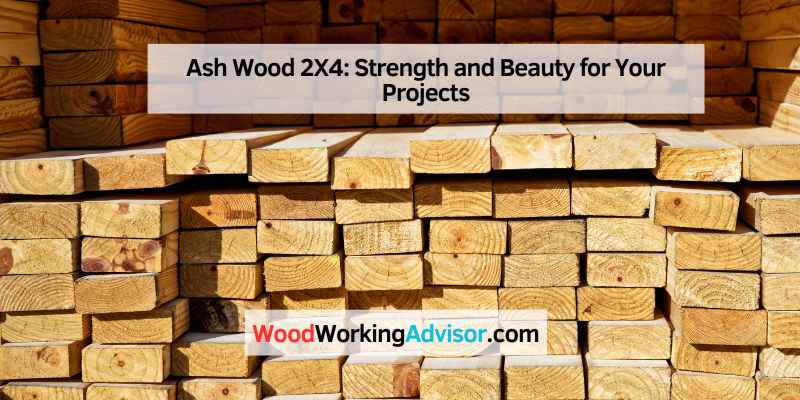
Ash 2x4s are real, but they are not the framing lumber home centers stock. Genuine dimensional 2x4s are milled from spruce-pine-fir or Douglas fir, not hardwood species like ash. A true ash 2×4 comes from a hardwood yard, splits more easily than softwood when face-nailed dry, and costs roughly $25 to $30 per 8-foot stick instead of $4 to $6. This guide covers real weight, 2026 board-foot pricing, and where ash 2x4s actually work well.
Insert your Affiliate Disclosure reusable block here.
Is Ash Wood 2×4 Actually Framing Lumber?
Best Ash 2×4 Project Pick
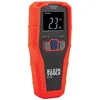
Klein Tools ET140 Pinless Moisture Meter
Checks moisture content in ash and other hardwoods before you nail, glue, or finish it.
- Best for: catching wet ash stock before it splits under a framing nailer
- Why we picked it: pinless testing does not mark or damage the board face
- Main drawback: readings only go 3/4-inch deep, so thick stock needs a check on both faces
Compare more ash 2×4 project supplies
 Option 1 Minwax Pre-Stain Wood Conditioner (3-Pack)
|
 Option 2 SACKORANGE 12-Pack Sanding Sponge Set
|
 Option 3 Minwax Fast-Drying Polyurethane, Clear Satin
|
As an Amazon Associate we earn from qualifying purchases.
No, not in the way pine, fir, or spruce-pine-fir (SPF) 2x4s are. Code-approved dimensional framing lumber is graded softwood, and ash is a hardwood that behaves differently under a framing nailer. For the full range of ash lumber grades and thicknesses beyond 2×4, see our ash wood lumber buying guide.
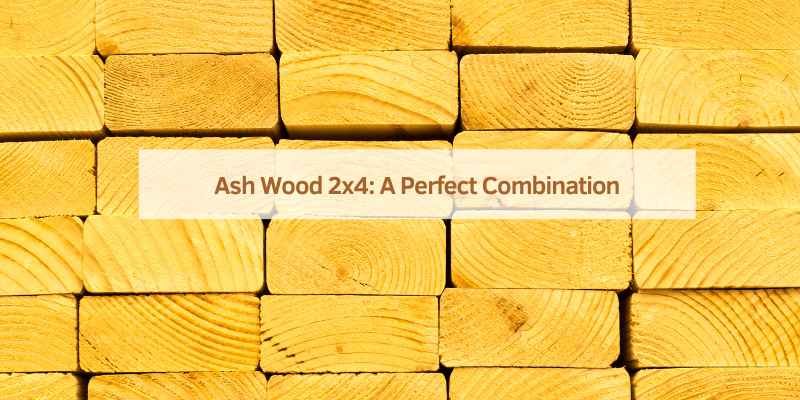
Ash has a Janka hardness rating of about 1,320 lbf, more than three times harder than the 380 to 420 lbf typical of SPF studs. That extra density is exactly why ash resists dents and impacts so well in tool handles and baseball bats, and exactly why it is harder to drive a framing nail through without pre-drilling, especially near the end of a board where it is most likely to split.
📊 Ash: about 1,320 lbf Janka hardness. SPF construction studs: roughly 380-420 lbf. Source: The Wood Database, White Ash species profile.
Building codes such as the IRC do not list ash among the approved species for dimensional stud lumber, so a house framed with ash 2x4s would not pass a standard inspection. Where ash 2x4s genuinely earn their keep is non-structural work: furniture frames, jigs, shop fixtures, and interior trim framing, where hardness and a tight, attractive grain matter more than code compliance.
How Much Does an Ash 2×4 Weigh?
A dry ash 2×4 (actual size 1.5 by 3.5 inches) that is 8 feet long weighs approximately 11 pounds, based on ash’s typical specific gravity of about 0.60. That is roughly 45 to 70 percent heavier than a comparable SPF pine 2×4 stud of the same length, which typically weighs 6.5 to 7.5 pounds dry.
| Board (8 ft length) | Actual Size | Species | Approx. Dry Weight |
|---|---|---|---|
| Ash 2×4 | 1.5in x 3.5in x 96in | Ash (hardwood) | ~11 lbs |
| SPF 2×4 | 1.5in x 3.5in x 96in | Spruce-Pine-Fir | ~6.5-7.5 lbs |
What Does Ash 2×4 Lumber Cost in 2026?
Because ash 2x4s are not a stocked home-center item, pricing works differently than for a store-bought stud. Hardwood suppliers sell ash by the board foot in rough or S4S (surfaced four sides) stock, typically in 4/4 (1-inch) through 8/4 (2-inch) thicknesses, with current 2026 pricing running roughly $3.75 to $5.70 per board foot depending on thickness and quantity. Expect surcharges of $0.50 to $1.00 per board foot on orders under 100 board feet or for 8/4 and wider stock.
A single piece milled to roughly 2 by 4 inches and 8 feet long works out to about 5.3 board feet, which puts one stick at roughly $25 to $30 at 2026 hardwood pricing, versus $4 to $6 for a construction-grade SPF 2×4 stud of the same length at a home center. Figured or spalted ash lumber costs more again, since the grain pattern that makes it valuable is naturally limited supply.
📊 The emerald ash borer has killed tens of millions of ash trees across North America since it was first detected in Michigan in 2002. EAB-killed trees can still be milled if harvested within a year or two of death, but healthy live-cut ash is becoming scarcer, and pricier, in many regions. Source: The Wood Database, White Ash species profile.
Where to Buy Ash 2×4 Lumber
Home Depot, Lowe’s, and Menards stock 2x4s exclusively in softwood species, so their dimensional lumber racks will not have ash. To buy actual ash 2×4 stock, look to hardwood lumberyards, specialty mills, and online hardwood retailers that sell rough or surfaced stock by the board foot; you, or the yard for a fee, then rip and plane it down to your target 2×4 dimensions.
Call ahead and ask about current stock. Since ash trees are dying off region by region to the emerald ash borer, availability varies a lot by location and season. If you need a heavier section than a 2×4, see our guide to ash 4×4 lumber sizes and pricing. Different ash species also machine and price differently; our guide to types of ash wood breaks down white, black, and green ash. And if you are hauling long stock home yourself, see our notes on carrying long boards in a pickup.
Working With Ash Wood 2×4
Ash cuts and shapes cleanly with both hand and power tools thanks to its straight, open grain, and it resists splintering better than many hardwoods, which makes it relatively forgiving for less experienced woodworkers. It also bends well under steam, a property furniture and boat builders use for curved parts that would otherwise need to be built up from several pieces.
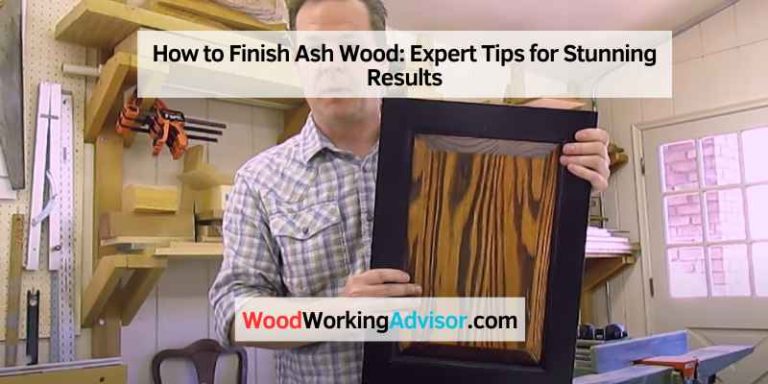
For finishing, sand progressively, starting around 120 grit with a fine grit sandpaper and working up to 220, before staining. Ash’s open grain can absorb stain unevenly and blotch, especially on flat-sawn faces, so run a pre-stain wood conditioner coat first if you are staining rather than clear-coating. A moisture check matters here too: wood that is too wet will not take a finish evenly, and, per the framing note above, is exactly the condition most likely to split under a nail gun. In our shop, checking a board with a pinless moisture meter before committing to a stain or a nail gun has saved more than one piece of ash from cracking down the grain.
Once finished, seal ash with two coats of a clear polyurethane or a water-based finish. Ash takes stain and clear coats evenly once conditioned, and the coarse, open grain shows through nicely under a satin sheen. For long-term upkeep after a project is done, see our guide to wood polish products.
“A pinless moisture meter takes ten seconds and has saved me from splitting more than one good piece of ash right at the end where I could not afford to lose the length.”
Best Uses for Ash 2×4 Lumber
Ash’s combination of hardness and shock resistance is why it has been a traditional choice for baseball bats and tool handles for generations, applications where a hardwood blank gets shaped down rather than used at full 2×4 size. At full 2×4 dimensions, the best uses lean toward furniture components (table legs, chair stretchers, bed rails), interior door and window casing, and shop-built jigs, fixtures, and workbench parts, where the extra hardness pays off.
Ash is a poor fit for outdoor framing or ground contact. It has little natural rot resistance and needs a fully sealed, covered application to hold up outside, unlike naturally rot-resistant species used for exterior framing.
Frequently Asked Questions
Is ash wood 2×4 good for framing?
No, not for standard stud-grade house framing. Ash is rated for shock resistance and hardness (about 1,320 lbf on the Janka scale), but its density makes it prone to splitting when face-nailed dry, and it costs several times more per board foot than the SPF or Douglas fir studs used in code-approved framing. Ash 2x4s work better for furniture framing, jigs, and shop fixtures than for structural wall studs.
How much does ash 2×4 lumber cost per board foot?
As of 2026, rough-sawn ash lumber runs roughly $3.75 to $5.70 per board foot from hardwood specialty suppliers, before surcharges for small orders or thick and wide stock. A single stick milled to roughly 2 by 4 inches and 8 feet long works out to about 5.3 board feet, or roughly $25 to $30 total, versus $4 to $6 for a store-bought softwood 2×4 stud of the same length.
How much does an ash 2×4 weigh?
A dry ash 2×4 (actual size 1.5 by 3.5 inches) that is 8 feet long weighs approximately 11 pounds, based on ash’s typical specific gravity of about 0.60. That is roughly 45 to 70 percent heavier than a comparable SPF pine 2×4 stud, which typically weighs 6.5 to 7.5 pounds dry.
Is ash wood harder than pine?
Yes, significantly. Ash has a Janka hardness rating of about 1,320 lbf, compared to roughly 380 to 420 lbf for the spruce-pine-fir species group used in most construction-grade 2x4s, meaning ash is more than three times harder.
Where can you buy ash 2×4 lumber?
Home centers such as Home Depot, Lowe’s, and Menards do not stock ash as dimensional lumber; their 2×4 racks are softwood only. Ash comes from hardwood lumberyards and specialty mills, sold by the board foot in random widths and lengths from rough 4/4 through 8/4 stock, which you or the yard then rip and plane down to your target 2×4 size.
Is ash wood harder to find than it used to be?
Yes. The emerald ash borer has killed tens of millions of ash trees across North America since it was first detected in Michigan in 2002. EAB-killed trees can still be milled if harvested within a year or two of death, but healthy live-cut ash is becoming scarcer, and pricier, in many regions, so check with a local hardwood supplier for current availability.
Looking for the figured, decorative kind instead of framing stock? See our guide to spalted ash lumber.
Conclusion
Ash 2x4s exist and work well, just not as a swap for a code-approved framing stud. Buy it as special-order hardwood at roughly $25 to $30 a stick, expect it to run about 11 pounds dry, check it for moisture before you nail or finish it, and put it to work in furniture, jigs, and shop fixtures where its hardness and grain actually pay off.
Sponsored / affiliate links. As an Amazon Associate I earn from qualifying purchases. I may earn additional commission from eligible campaigns.