Can You Use Pressure Treated Wood for Floor Joists?
Yes — pressure treated wood is required for floor joists within 18 inches of exposed ground under IRC Section R317.1, and it’s a common choice elsewhere too. Skipping treated lumber in that zone fails inspection and invites rot within a few wet seasons. This guide covers when code requires it, ground-contact versus above-ground ratings, and which fasteners survive ACQ lumber without corroding.
When Does IRC Code Require Pressure-Treated Floor Joists?
Best Joist Hanger Pick for Treated Lumber
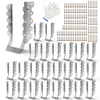
2×8 Joist Hangers with Screws, Galvanized Face Mount (25-Pack)
Complete hanger-and-fastener kits sized for 2×8 floor joists, galvanized to resist ACQ corrosion.
- Best for: New floor joist framing at 2×8 dimension
- Why we picked it: Hangers and matching galvanized screws ship together, so you can’t accidentally mismatch fastener metal
- Main drawback: Sized only for 2×8 — confirm your joist size before ordering
Compare more ACQ-rated fastener options
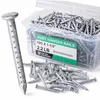 Option 1 Hot-Dip Galvanized Joist Hanger Nails, 10G x 1-1/2″
|
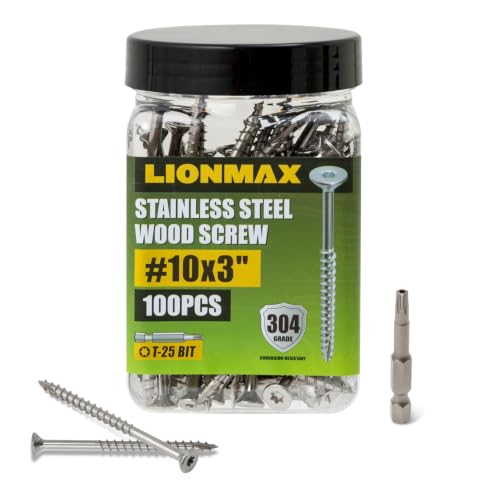
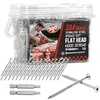 Option 2 304 Stainless Steel Deck Screws #10 x 2-1/2″ (500-Pack)
|
 Option 3 Hot-Dip Galvanized Lag Bolts 1/2″ x 8″, A307 Steel (10-Pack)
|
As an Amazon Associate we earn from qualifying purchases.
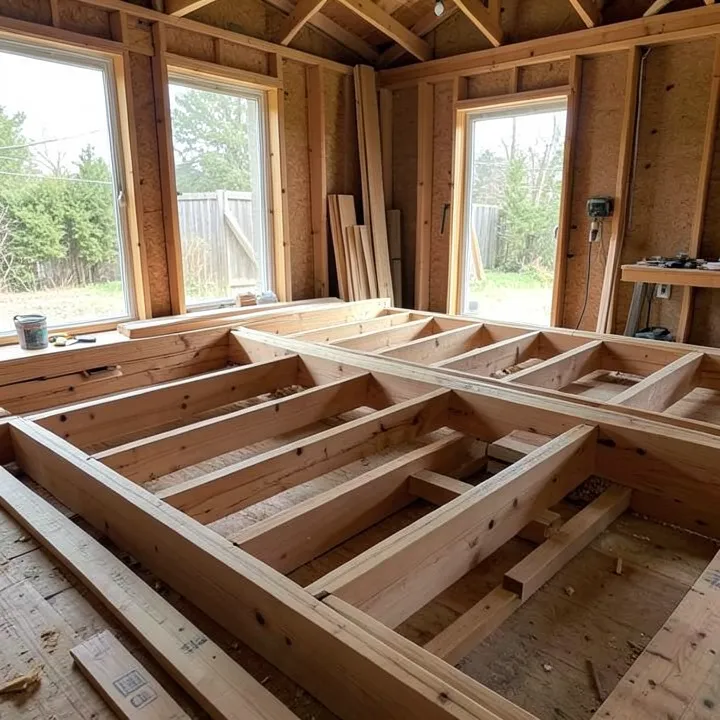
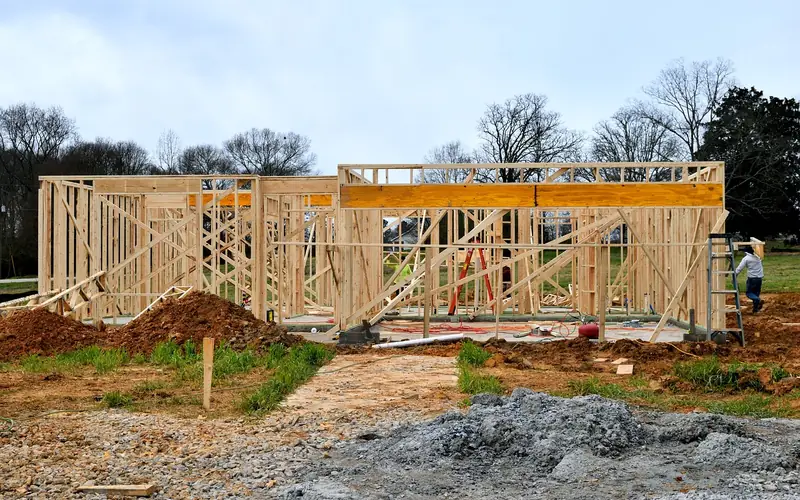
IRC Section R317.1 requires preservative-treated or naturally durable wood wherever a floor joist sits within 18 inches of exposed ground, or a wood girder sits within 12 inches of exposed ground. The same section covers framing members embedded in concrete, sill plates on a slab, and any wood in direct contact with masonry that’s itself in contact with the soil. Cut ends and drilled holes in treated joists also have their own rule — field-cut ends need a preservative touch-up under R317.1.1, since factory treatment doesn’t penetrate a fresh cut.
Outside that 18-inch zone — a joist framed over a dry, vented crawlspace with more clearance, or an upper-floor joist with no ground exposure at all — code doesn’t require treated lumber. Plenty of builders use it anyway for the rot and termite resistance, but it isn’t mandatory, and for fully interior framing many contractors prefer untreated lumber instead (see the FAQ below on why).
Ground Contact vs. Above-Ground Rating: Which Do Floor Joists Need?
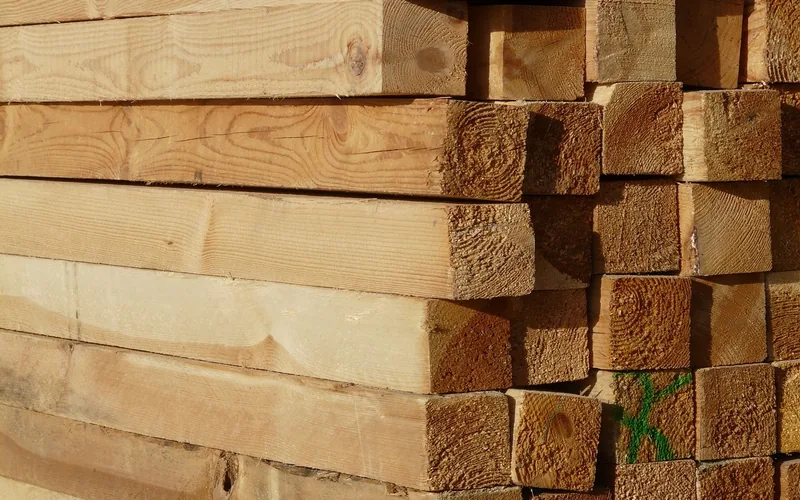
Ground contact (GC) rated lumber is pressure treated wood carrying enough preservative retention to survive direct or near-direct soil contact and continuous moisture. Above-ground (AG) rated lumber carries a lower retention level meant only for wood that stays dry and ventilated. The difference isn’t marketing — it’s chemical concentration. For common ACQ or MCA preservatives, above-ground stock typically holds around 0.06 lb/ft³ of retained preservative, while ground-contact stock is treated to roughly 0.15 lb/ft³ — more than double.
Under the AWPA (American Wood Protection Association) Use Category System that IRC R317.1 points to, above-ground lumber is classified UC3B and ground-contact lumber is UC4A or higher. Using UC3B (above-ground) lumber inside that 18-inch code zone is a common framing mistake — it looks identical to GC lumber once installed, but it wasn’t treated to survive there.
| Use Category | Retention Level (ACQ/MCA) | Best For |
|---|---|---|
| UC3B — Above Ground | ~0.06 lb/ft³ | Joists 18″+ above grade, vented framing |
| UC4A — Ground Contact | ~0.15 lb/ft³ | Joists within 18″ of grade, sleepers on concrete, deck posts |
| UC4B/UC4C — Heavy/Extreme Duty | Higher retention | Permanent wood foundations, fresh-water contact, high-decay climates |
📊 Ground-contact (UC4A) retention runs roughly 2.5x above-ground (UC3B) for the same ACQ/MCA preservative — Source: AWPA Use Category System, referenced by IRC Section R317.1.
Fasteners for ACQ-Treated Floor Joists
Modern preservatives like ACQ (alkaline copper quaternary) replaced older chromated arsenicals partly because they’re safer — but the higher copper content speeds up corrosion in ordinary steel fasteners. Standard electro-galvanized nails and screws can corrode through in a few years inside ACQ lumber, which is exactly the failure mode inspectors look for on a re-inspection.
Code-compliant fasteners for ACQ or CA-treated floor joists fall into two acceptable types: hot-dip galvanized (HDG) steel meeting ASTM A153, or stainless steel, grade 304 or 316 (316 for coastal or high-moisture climates). Grade 410 stainless is not acceptable — it’s hardened for strength, not corrosion resistance, and fails in ACQ lumber almost as fast as plain steel. Electro-galvanized (the shiny, thin coating on cheap hardware-store fasteners) is not the same as hot-dip galvanized and isn’t rated for ACQ contact. For the exact fastener spec by connector type, see our full breakdown of screws for pressure treated wood.
One more detail installers miss: metal connectors and their fasteners need to match. A hot-dip galvanized joist hanger paired with stainless-steel nails (or the reverse) sets up galvanic corrosion between the two dissimilar metals — use HDG nails in HDG hangers, and stainless fasteners only with stainless connectors.
“Wood used above ground shall be Use Category UC3B or higher, and wood used in ground contact shall be Use Category UC4A or higher.” — AWPA Use Category System (U1), the standard IRC Section R317.1 references for preservative-treated wood.
How Far Can a Pressure-Treated Joist Span?
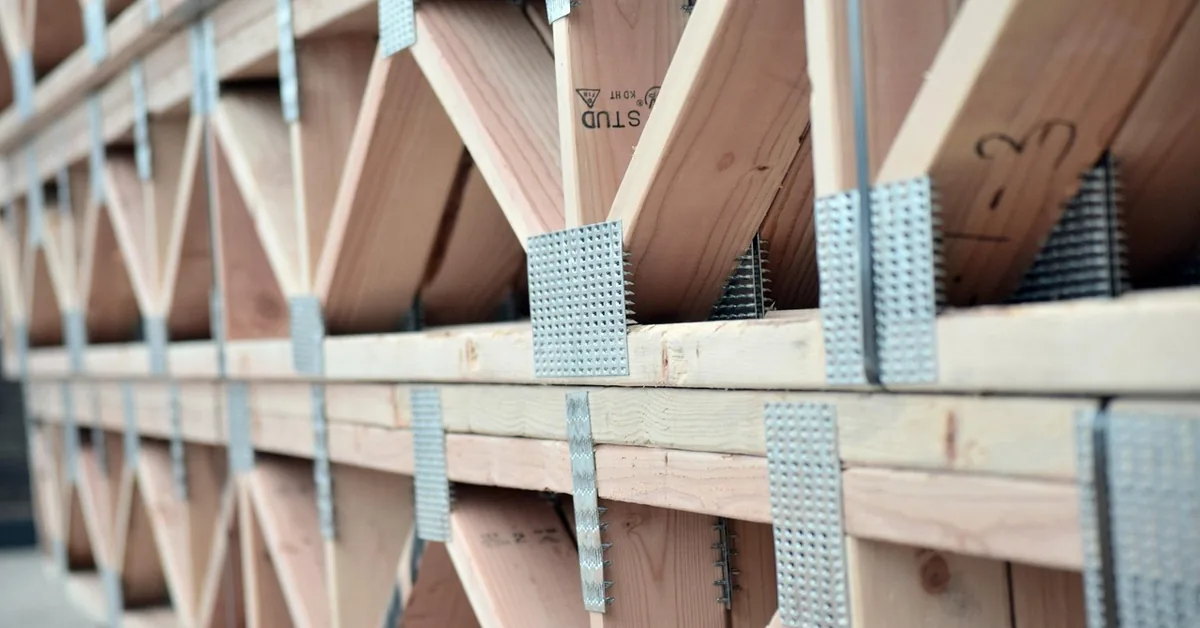
Span limits depend on species, grade, spacing, and load — but as a reference point, a #2-grade Southern Pine 2×8 pressure-treated joist typically spans up to roughly 11 feet 2 inches at 16-inch on-center spacing under wet-service conditions (treated lumber above 19% moisture content is rated differently than dry lumber, which is why treated-specific span tables exist separately from standard framing tables). A 2×10 in the same grade and spacing generally spans further, but exact numbers shift by species and grade stamp.
Treat any span figure here as a starting reference, not a final number for your project — always confirm against the current Southern Forest Products Association span tables for your exact species, grade, spacing, and load combination, or have a local structural engineer verify it. Undersized joists are a callback and safety issue that a few dollars of extra lumber avoids entirely.
Alternatives to Pressure-Treated Wood for Floor Joists
Engineered lumber — LVL (laminated veneer lumber) or wood I-joists — is a common alternative where budget allows. It’s manufactured by bonding wood veneers or flanges under pressure, which makes it more dimensionally stable than solid-sawn lumber and less prone to the twisting and cupping treated lumber can do as it dries. Standard engineered lumber isn’t preservative-treated, though, so it still needs to stay outside the R317.1 ground-contact zone unless you specify a treated version. For a broader look at when treated lumber makes sense for structural framing generally (not just joists), see our guide on using pressure treated wood for framing.
Steel joists show up in commercial and some high-end residential work. They don’t rot, don’t attract insects, and can span farther than wood at the same depth — but they cost more, need a specialty subcontractor for installation, and require different fastening hardware entirely. For a typical single-family home, pressure-treated or engineered wood covers the vast majority of floor joist applications without the added cost and complexity of steel.
Common Mistakes to Avoid
- Mixing fastener metals: stainless nails in a galvanized hanger (or the reverse) causes galvanic corrosion between the two dissimilar metals — match connector and fastener type.
- Using above-ground (UC3B) lumber in a ground-contact zone: it looks identical to ground-contact stock once installed, but carries less than half the preservative retention.
- Skipping the end-tag check: the stamped AWPA end tag — not the green or brown tint — is what actually confirms use category and treatment chemical.
- Ignoring local amendments: some jurisdictions tighten IRC R317.1’s baseline distances; always confirm with the local building department before framing.
- Leaving field-cut ends untreated: a fresh cut removes the treated shell — R317.1.1 requires a field-applied preservative on cut ends and drilled holes.
Frequently Asked Questions
Do Interior Floor Joists Need to Be Pressure Treated?
No, not usually. IRC R317.1 only requires treated lumber where joists are within 18 inches of exposed ground or in direct contact with concrete or masonry that touches the soil. Fully interior, upper-floor joists with no ground exposure don’t need it. Many contractors prefer untreated lumber for interior repairs specifically, since treated wood can release trace preservative vapor as it ages indoors, and interior framing doesn’t face the moisture exposure that makes treatment worthwhile outdoors.
What’s the Difference Between Ground Contact and Above-Ground Pressure Treated Wood?
Ground-contact (UC4A) lumber carries roughly double the preservative retention of above-ground (UC3B) lumber — about 0.15 lb/ft³ versus 0.06 lb/ft³ for common ACQ or MCA treatments. Ground-contact wood is rated for continuous soil or moisture contact; above-ground wood is rated only for dry, ventilated framing. The two look identical once installed, so the AWPA end tag is the only reliable way to tell them apart.
What Fasteners Should I Use With Pressure Treated Floor Joists?
Use hot-dip galvanized fasteners meeting ASTM A153, or stainless steel grade 304 (316 near saltwater). Standard electro-galvanized or plain steel fasteners corrode quickly in ACQ or CA-treated lumber due to the copper content. Avoid grade 410 stainless — it’s hardened for strength, not corrosion resistance — and never mix galvanized connectors with stainless fasteners or vice versa.
How Far Can a 2×8 Pressure Treated Joist Span?
A #2-grade Southern Pine 2×8 pressure-treated joist typically spans up to about 11 feet 2 inches at 16-inch on-center spacing under wet-service conditions. Exact spans vary by species, grade, spacing, and load — always verify against current span tables or a structural engineer before framing.
Can You Use Pressure-Treated Wood for Structural Support?
Yes. Pressure-treated wood is commonly used for structural support in floor joists, deck framing, and ledger connections, provided it’s rated for the exposure it will face (ground-contact versus above-ground) and installed with corrosion-resistant fasteners. Always confirm species and grade meet your local span and load requirements.
What Should Never Be Done With Pressure-Treated Wood?
Never burn pressure-treated wood — the smoke concentrates the preservative chemicals and is genuinely hazardous. Don’t use it indoors for food-contact surfaces, avoid unprotected sanding or cutting without a dust mask, and never dispose of scraps in a burn pile or with regular yard waste — most jurisdictions require treated wood to go through standard trash disposal, not composting or burning.
Conclusion
Pressure treated wood is required for floor joists within 18 inches of exposed ground under IRC R317.1, and it’s a reasonable choice elsewhere for the added rot and insect resistance. Get the use category right (ground-contact for anything near soil or concrete, above-ground everywhere else), pair it with hot-dip galvanized or stainless fasteners rated for ACQ, and check how long the lumber itself should last for your climate before you commit to a species and grade. When span or load numbers matter, verify them against current tables or a local engineer rather than a rule of thumb.
Sponsored / affiliate links. As an Amazon Associate I earn from qualifying purchases. I may earn additional commission from eligible campaigns.