Is Ash Wood Expensive? How It Compares to 6 Other Woods
Ash wood is a mid-priced hardwood — $3.75 to $7.25 per board foot in 2026, cheaper than black walnut and white oak but pricier than pine, based on current supplier pricing. Emerald ash borer is pushing up prices on wide, clear boards specifically, while salvage-grade ash stays cheap. This guide compares ash against six other common woods and covers when paying more (or less) actually pays off.
Quick Answer
Ash wood is moderately priced at $3.75-$7.25 per board foot — close to hard maple and red oak. It costs less than black walnut ($10-$18) and white oak ($8-$15), but more than pine ($2-$5). For furniture and flooring, ash offers near-oak durability at a lower price, making it one of the better value hardwoods on the market today.
Ash Wood Price vs. 6 Other Common Woods (2026)
Best Wood Species Comparison Pick
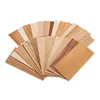
Sauers North American Species Wood ID Kit – 25 Pieces
A labeled veneer sample pack covering ash, oak, maple, walnut, and more, so you can compare grain, color, and hardness side by side before spending real money on a full board.
- Best for: Comparing wood species before committing to lumber
- Why we picked it: Labeled samples take the guesswork out of grain/color matching
- Main drawback: Small veneer pieces, not full-thickness boards
Compare more wood sample pack options
 Option 1 Solid Hardwood Craft Board 9-Species Pack
|
 Option 2 40-Piece Labeled Veneer ID Pack (20 Sq Ft)
|
 Option 3 Mixed-Species Hobby Lumber Assortment
|
As an Amazon Associate we earn from qualifying purchases.
“Expensive” only means something next to a comparison point. Here is where ash lands against the hardwoods (and one softwood) woodworkers compare it to most, using surfaced 4/4 lumber pricing.
| Wood Species | Price/Board Foot (2026) | Compared to Ash |
|---|---|---|
| Ash | $3.75-$7.25 | — |
| Eastern White Pine | $2-$5 | Cheaper (softwood) |
| Red Oak | $4-$7 | About the same |
| Hard Maple | $5-$9 | Slightly more |
| Cherry | $6-$11 | More |
| White Oak | $8-$15 | Notably more |
| Black Walnut | $10-$18 | Highest of the group |
Ash figure reflects our own kiln-dried 4/4 pricing research (see the full ash wood cost breakdown). Other species compiled from current hardwood supplier pricing guides; local yards typically run 20-30% above or below these figures.
Why Ash Costs Less Than Walnut or White Oak
Ash has historically been one of the more affordable domestic hardwoods for three practical reasons. It grows widely across the eastern and central U.S., so mills haven’t had to pay a scarcity premium the way they do for walnut. It machines and finishes cleanly with straight, open grain, which keeps milling costs down. And it doesn’t carry the “prestige wood” demand that pushes walnut and figured white oak into furniture-showroom pricing — ash is a working hardwood, not a status one.
That combination is why ash undercuts walnut by roughly half per board foot in most markets, while still delivering a Janka hardness rating (1,320 lbf) that beats many other hardwoods people pay more for.
Why Ash Prices Are Starting to Climb
Emerald ash borer has killed tens of millions of ash trees across North America since it was first identified near Detroit in 2002, and it’s now established in 35+ states. That is quietly reshaping ash pricing: salvage-grade wood from dead and dying trees still sells cheap, but wide, clear, healthy-tree lumber is getting harder to source and now carries a real premium it didn’t have a decade ago. For the full pricing breakdown by form — firewood, sawlogs, kiln-dried lumber, slabs, and flooring — see our ash wood cost guide, and for supply specifics see our ash wood availability guide.
Is Ash Worth the Price for Furniture, Flooring, or Cutting Boards?
Whether ash is “worth it” depends entirely on what you’re weighing it against, not on price alone.
- Vs. pine: ash costs more, but it’s a genuine hardwood — harder, more shock-resistant, and better suited to furniture that takes daily use. Worth the upgrade for anything load-bearing or high-wear.
- Vs. oak: ash is usually the same price or cheaper, with a similar grain look but a more open, uniform pore structure. A reasonable swap when you want oak’s look without oak’s price.
- Vs. walnut: ash saves real money, but you give up walnut’s dark, low-maintenance color — ash is pale and blotches unevenly under some stains unless you use a pre-stain conditioner or gel stain.
- Vs. maple (cutting boards/butcher blocks): ash is porous enough that some woodworkers skip it for end-grain cutting boards in favor of tighter-pored maple, even though ash costs about the same.
Buying Ash: What Grade Actually Needs the Premium Price
Not every project needs top-dollar ash. Clear, wide, knot-free boards are worth paying up for on show-face furniture and tabletops, where the extra cost shows up in the finished piece. Tool handles, jigs, and shop fixtures rarely need it — a lower grade with tight, straight grain performs identically for a fraction of the price. Buying local from a lumberyard also tends to run cheaper than ordering online, since you skip freight on a heavy material.
Frequently Asked Questions
Is ash a cheap or expensive wood?
Neither, really — ash sits in the middle of the hardwood price range at $3.75 to $7.25 per board foot, close to red oak and hard maple. It’s noticeably cheaper than black walnut and white oak, but more expensive than softwoods like pine.
Is ash wood cheaper than pine?
No. Pine runs $2 to $5 per board foot, well under ash’s $3.75-$7.25 range, because pine is a fast-growing softwood. Ash costs more but is significantly harder and more durable for furniture and flooring use.
Is ash more affordable than walnut?
Yes, substantially. Black walnut typically runs $10 to $18 per board foot versus ash’s $3.75 to $7.25, roughly double to triple the cost, mainly because walnut carries premium demand for its dark color that ash doesn’t have.
Will ash wood get more expensive over time?
Likely yes, for wide and clear grades specifically. Emerald ash borer has killed tens of millions of mature ash trees since 2002 and continues spreading, so healthy, wide-diameter supply keeps shrinking even though salvage-grade wood remains cheap.
Is ash a good value hardwood for furniture?
Yes. Ash offers hardness and shock resistance close to oak at a comparable or lower price, and it machines and finishes cleanly. The main tradeoff is pale, sometimes blotchy color under stain compared to walnut or cherry.
Ash’s price makes the most sense in context: it’s a mid-range hardwood that beats pine on durability and beats walnut on cost, without commanding either extreme’s price tag. For exact current pricing by lumber form, check our full ash wood cost guide; for a deeper look at just ash vs. oak, see our ash vs. oak comparison.
Sponsored / affiliate links. As an Amazon Associate I earn from qualifying purchases. I may earn additional commission from eligible campaigns.